Plizio Visual Lab
Vichten Roman Mosaic Site
The Roman mosaic site of Vichten is one of the most important archaeological sites in Luxembourg, once housing an extraordinary floor mosaic dating from around 240 AD. The artwork was discovered in 1995 during construction work, triggering an extensive rescue excavation. The mosaic depicts the Greek poet Homer surrounded by the nine muses, with each muse shown with her specific attributes and name in Latin script. Covering an area of over 60 square meters, it testifies to the enormous wealth and cultural standards of the Gallo-Roman elite in this region. The villa to which the mosaic belonged was a luxurious country estate that featured underfloor heating and elaborate wall paintings. The original mosaic was transferred to the National Museum of History and Art in Luxembourg City for protection, while information about its former splendor is provided at the discovery site in Vichten. The discovery has significantly expanded the understanding of the Romanization of present-day Luxembourg.
- Location: Luxembourg
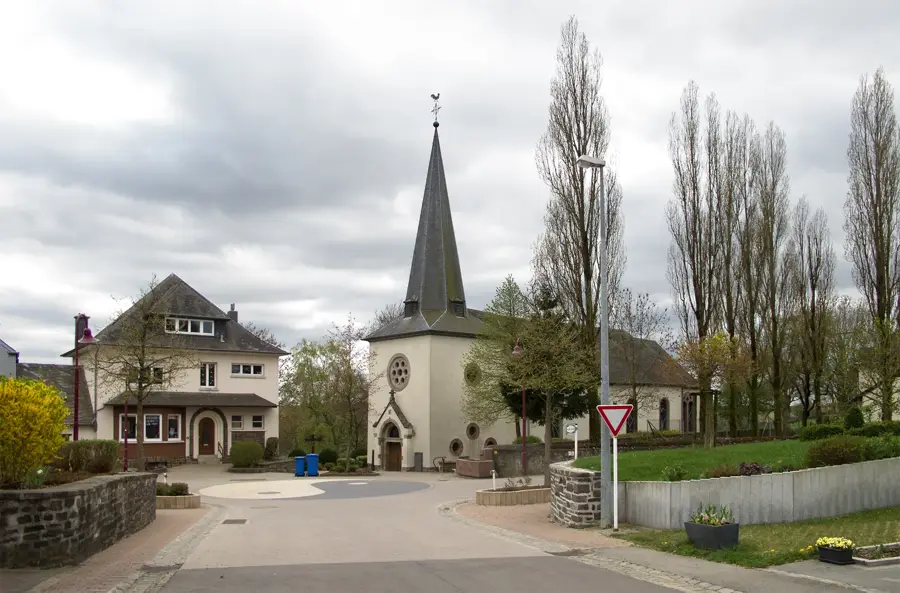
- Top sights: Dräifaltegkeetskierch · Musée Michel Lucius · Visitation de la Bienheureuse-Vierge-Marie
- Nearby: Saeul (6 km)
Best time to visit & climate
The most pleasant time to visit is Jun–Aug.
| Jan | Feb | Mar | Apr | May | Jun | Jul | Aug | Sep | Oct | Nov | Dec | |
|---|---|---|---|---|---|---|---|---|---|---|---|---|
| Avg °C | 0 | 1 | 4 | 8 | 12 | 16 | 18 | 17 | 14 | 9 | 5 | 1 |
| Rain mm | 75 | 64 | 63 | 49 | 75 | 75 | 74 | 81 | 59 | 67 | 72 | 84 |
📋 Practical info
Geography
Facts
- The mosaic was accidentally discovered in Vichten in March 1995.
- It depicts Homer and the nine muses of Greek mythology.
- The artwork dates from the middle of the 3rd century (approx. 240 AD).
- The total area of the mosaic is approximately 61.3 square meters.
- It is composed of several million tiny stones called tesserae.
- The original is now located in the National Museum of History and Art (MNHA).
Explore nearby
Notable places around

Route planner — Car & Motorhome
Where do you start? We build the route here, with stops and country notes along the way.
© OpenStreetMap contributors · OpenRouteService
Sights in the town Vichten Roman Mosaic Site (6)
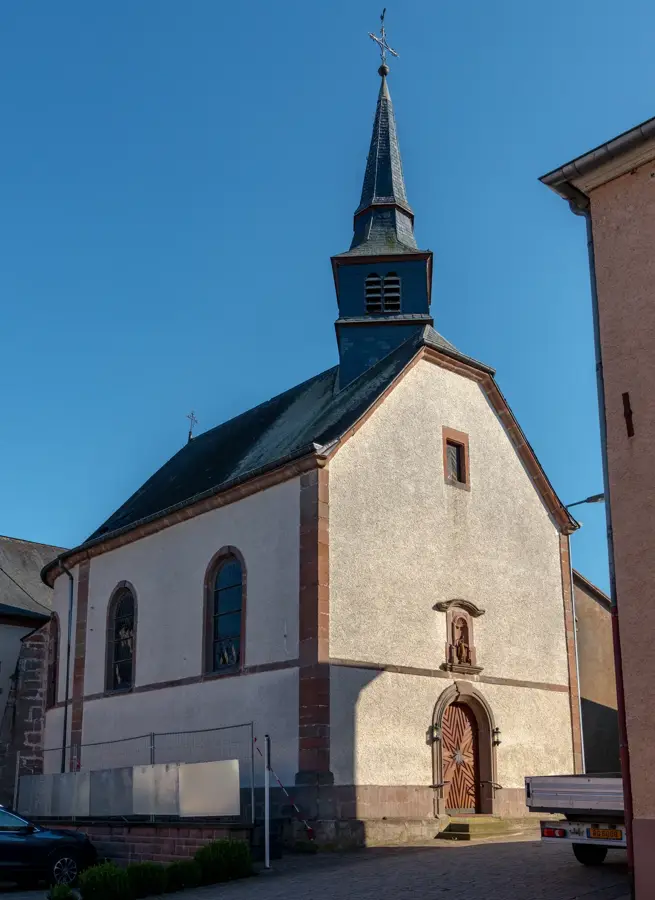
Visitation de la Bienheureuse-Vierge-Marie
Visitation de la Bienheureuse-Vierge-Marie is a church building in Luxembourg.
Saint-Maximin
Saint-Maximin is a church building in Luxembourg, dedicated to Saint Maximin.
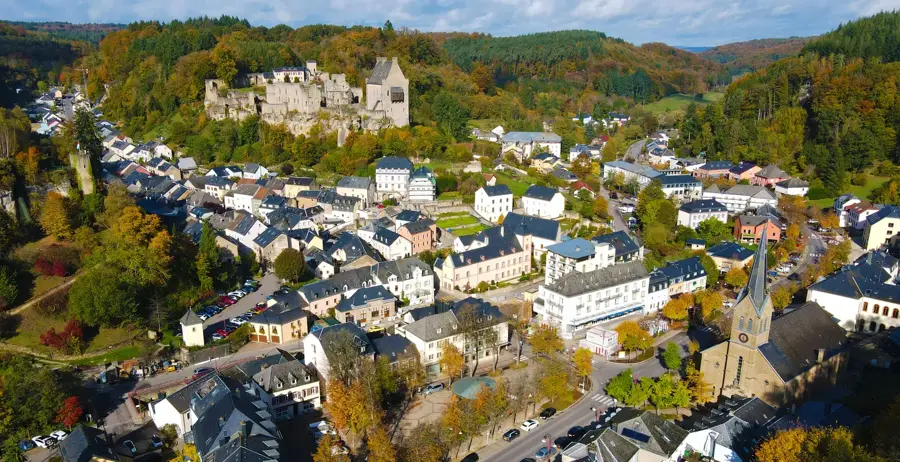
Château d'Useldange
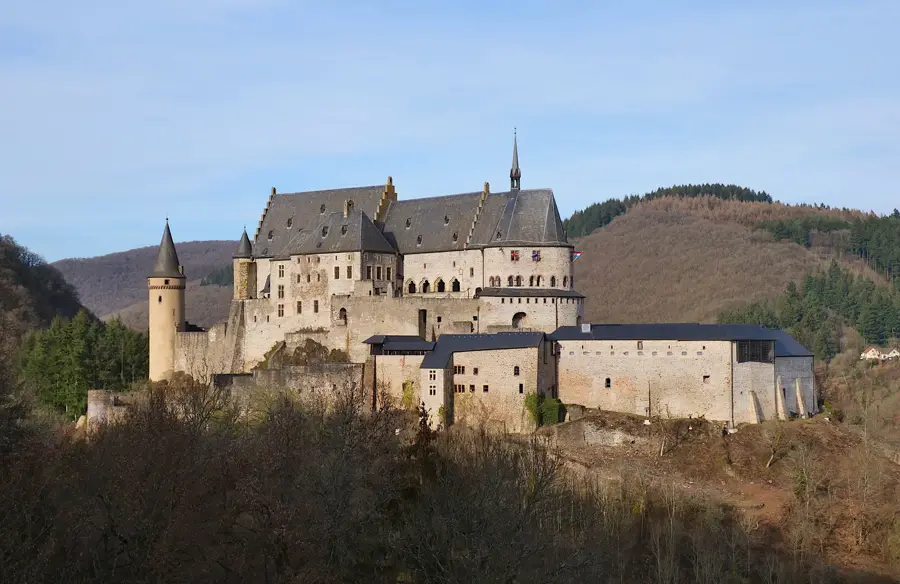
Château d'Useldange is a castle in Luxembourg, situated on a hill.
replica Roman mozaic Vichten🏛 museum
replica Roman mozaic Vichten displays a replica of the Roman mosaic from Vichten.
Sights nearby
Frequently asked questions
Is the original Roman mosaic still visible in Vichten?
What does the Roman mosaic of Vichten depict?
Is the site in Vichten wheelchair accessible?
Is there an entry fee to see the mosaic in Vichten?
When was the mosaic discovered?
Vichten Roman Mosaic Site: where is it located?
Vichten Roman Mosaic Site: what is there to see?
Vichten Roman Mosaic Site: when is the best time to visit?
Vichten Roman Mosaic Site: why is it worth visiting?

Nearby cities
History & landmarks
Nature
More places