Plizio Visual Lab
Stromberg Nature Reserve (Schengen)
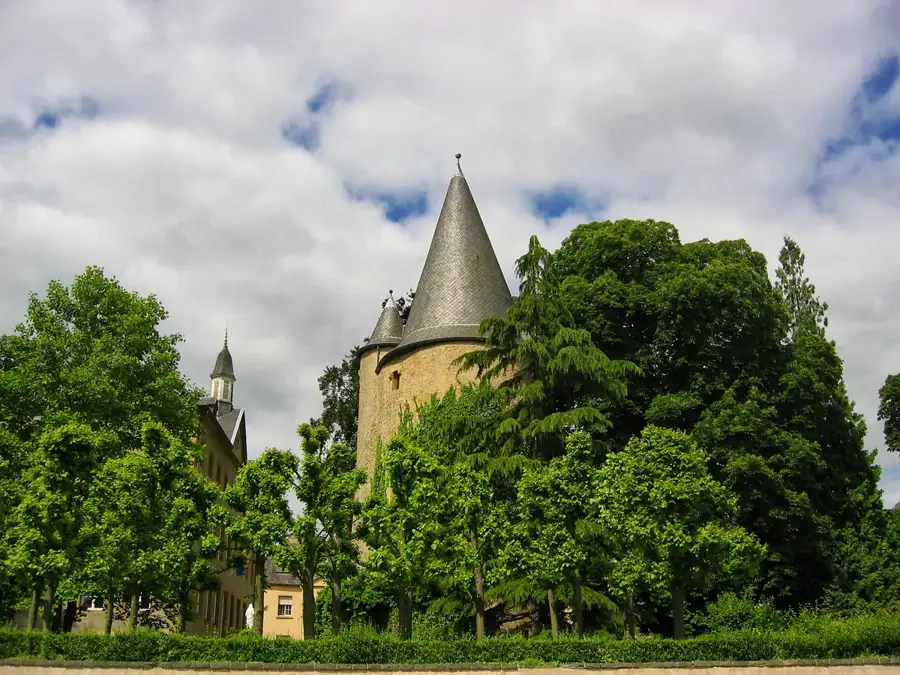
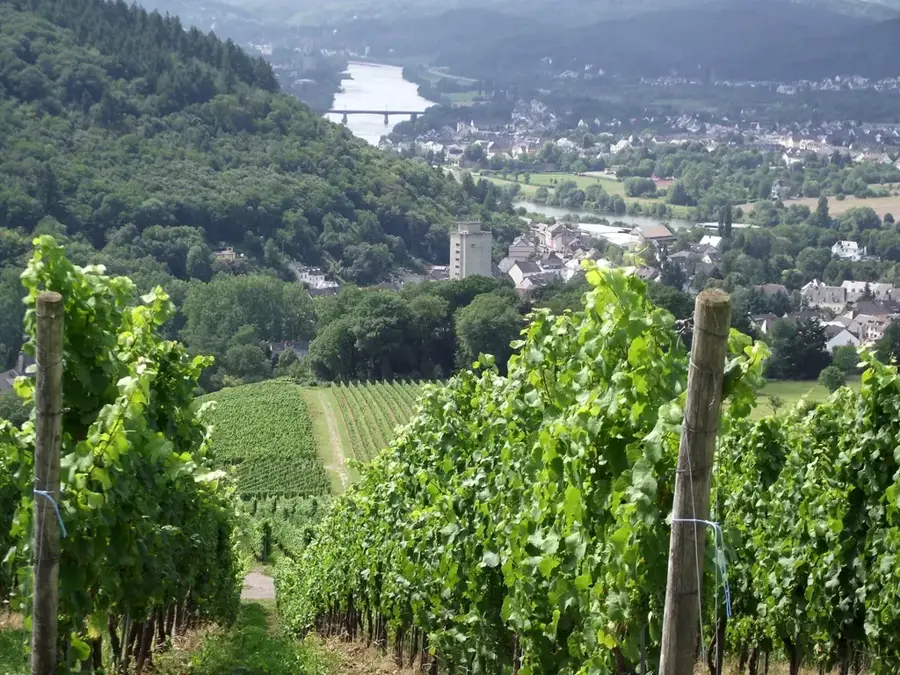
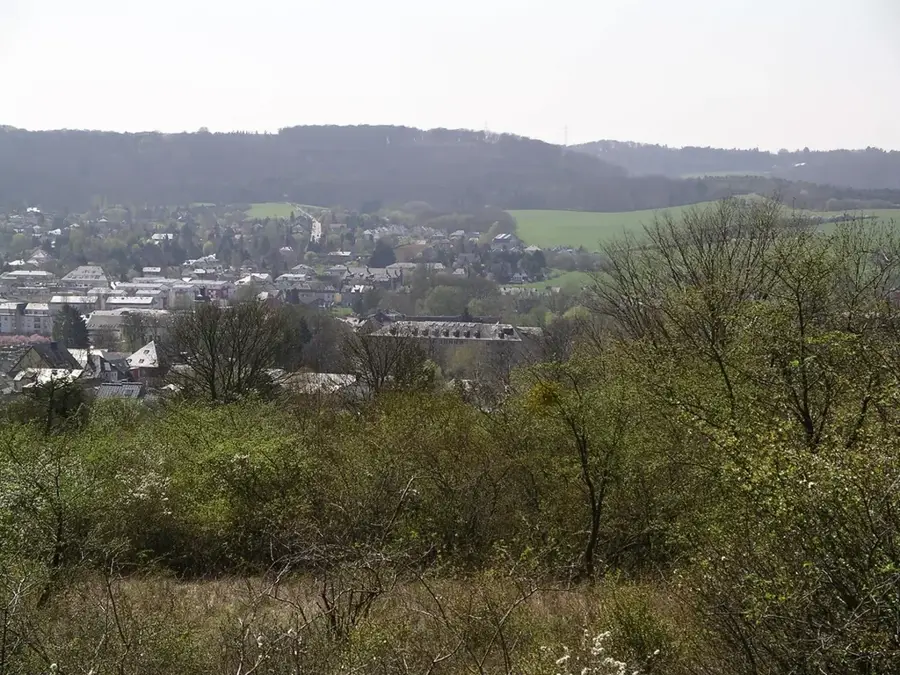
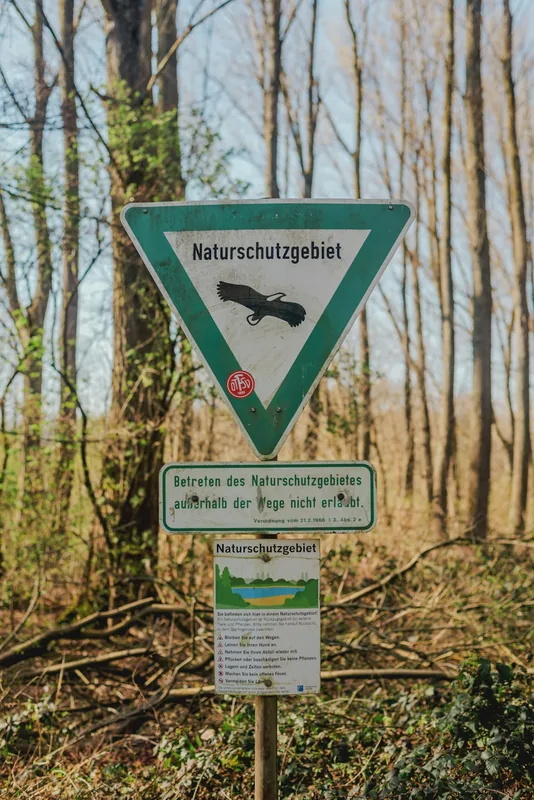
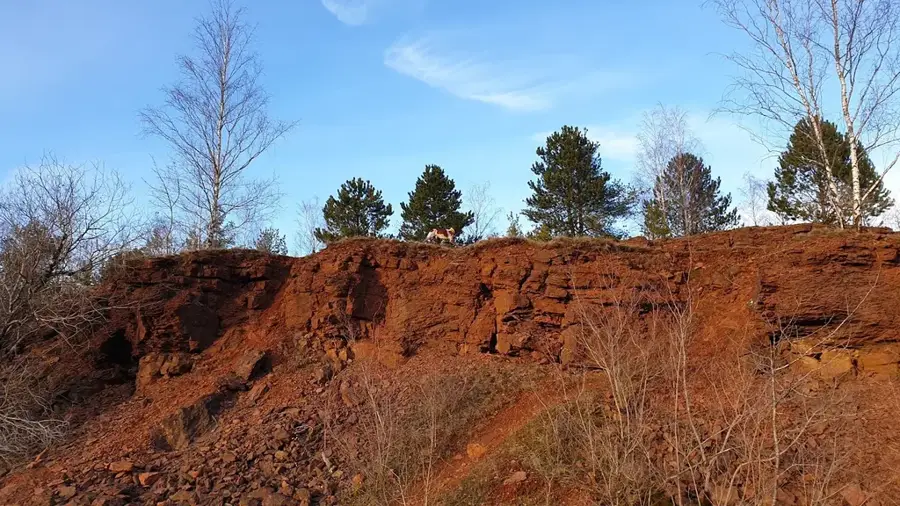
The Stromberg Nature Reserve near Schengen is located at the tri-point border of Luxembourg, Germany, and France, and is renowned for its geological and biological diversity. The Stromberg plateau is composed of Muschelkalk (shell limestone), which has formed steep cliffs due to the erosion of the Moselle River. Botanically, the area hosts thermophilous (heat-loving) plant communities, including rare orchids and the common boxwood, which has one of its northernmost natural occurrences here. The history of Stromberg is closely linked to viticulture and gypsum mining; abandoned mines now serve as critical winter quarters for bats. The view from Stromberg extends far across the Moselle Valley and the French village of Contz-les-Bains. The combination of dry grasslands, rocky slopes, and beech forests makes the reserve a unique ecosystem protected under the European Natura 2000 network.
- Location: Luxembourg
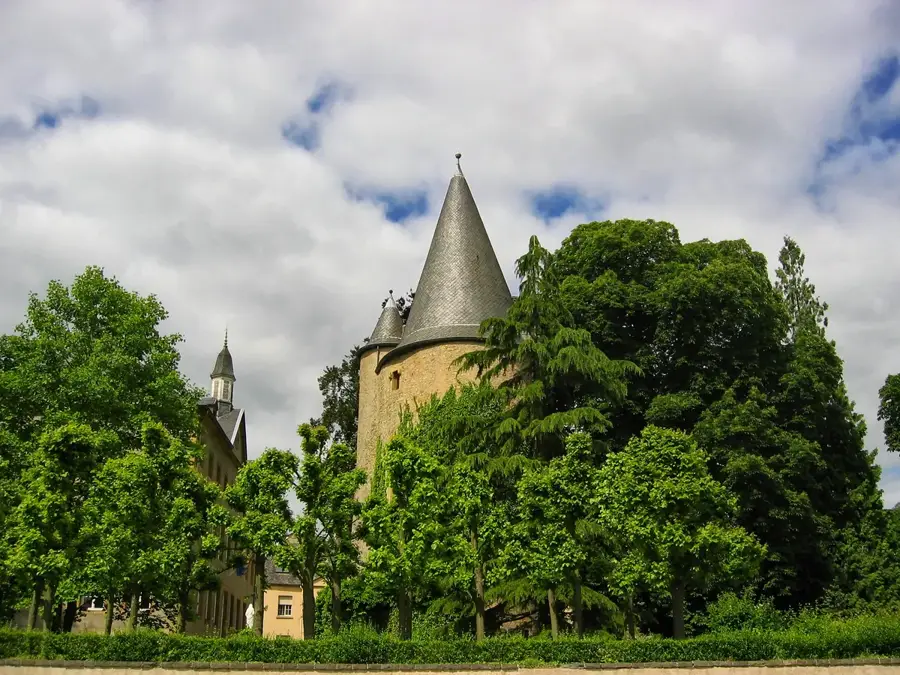
- Top sights: Memorial of the Schengen Treaty · Saint-Sauveur · European Museum Schengen
- Nearby: Mondorf-les-Bains (7 km)
Best time to visit & climate
The most pleasant time to visit is Jun–Aug.
| Jan | Feb | Mar | Apr | May | Jun | Jul | Aug | Sep | Oct | Nov | Dec | |
|---|---|---|---|---|---|---|---|---|---|---|---|---|
| Avg °C | 1 | 1 | 5 | 9 | 13 | 17 | 19 | 19 | 15 | 10 | 5 | 2 |
| Rain mm | 67 | 57 | 57 | 46 | 70 | 68 | 65 | 72 | 56 | 65 | 68 | 79 |
📋 Practical info
Geography
Facts
- The plateau reaches an elevation of approximately 314 meters above sea level.
- The Muschelkalk soil provides ideal conditions for rare orchid species.
- Former gypsum tunnels now serve as shelters for bat populations.
- Schengen is located at the foot of Stromberg and gave its name to the EU agreement.
- The area directly borders the French 'Mont de la Couronne' nature reserve.
- The 'Schengen-Grenzweg' is a premium hiking trail that traverses the reserve.
Explore nearby
Notable places around
Route planner — Car & Motorhome
Where do you start? We build the route here, with stops and country notes along the way.
© OpenStreetMap contributors · OpenRouteService
Sights in the town Stromberg Nature Reserve (Schengen) (10)
Viadukt von Schengen
Motorway bridge of the A8/A13 over the Moselle, a tall reinforced concrete structure.
Evangelische Kirche
Protestant church building in Perl, simple 20th-century architecture.
Protohistoric tomb
Prehistoric tomb of unknown date, possibly a burial mound.
Katzenhäuschen
Viewpoint on a hill overlooking the Moselle meander and surrounding vineyards.
Stromberg
Viewpoint on Stromberg hill, offering a panorama of Schengen and the Moselle valley.
Dreiländerblick
Viewpoint from which the borders of Luxembourg, Germany, and France are visible.
Sights nearby
Frequently asked questions
What does the Stromberg reserve offer?
Are there rare plants?
Where does the tour start?
Is the trail demanding?
Can you walk into France?
Stromberg Nature Reserve (Schengen): where is it located?
Stromberg Nature Reserve (Schengen): what is there to see?
Stromberg Nature Reserve (Schengen): when is the best time to visit?
Stromberg Nature Reserve (Schengen): why is it worth visiting?

Nearby cities
History & landmarks
Nature
More places