Plizio Visual Lab

Schengen
Plizio editorial teamData Sources
Landmark
—°11
Schengen (Luxembourg)

Weather…

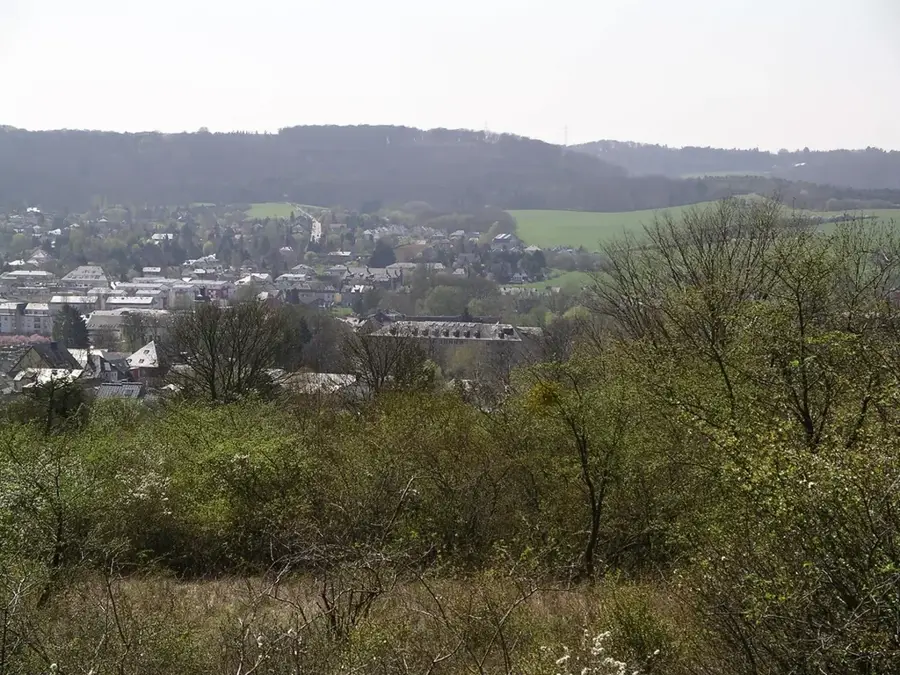
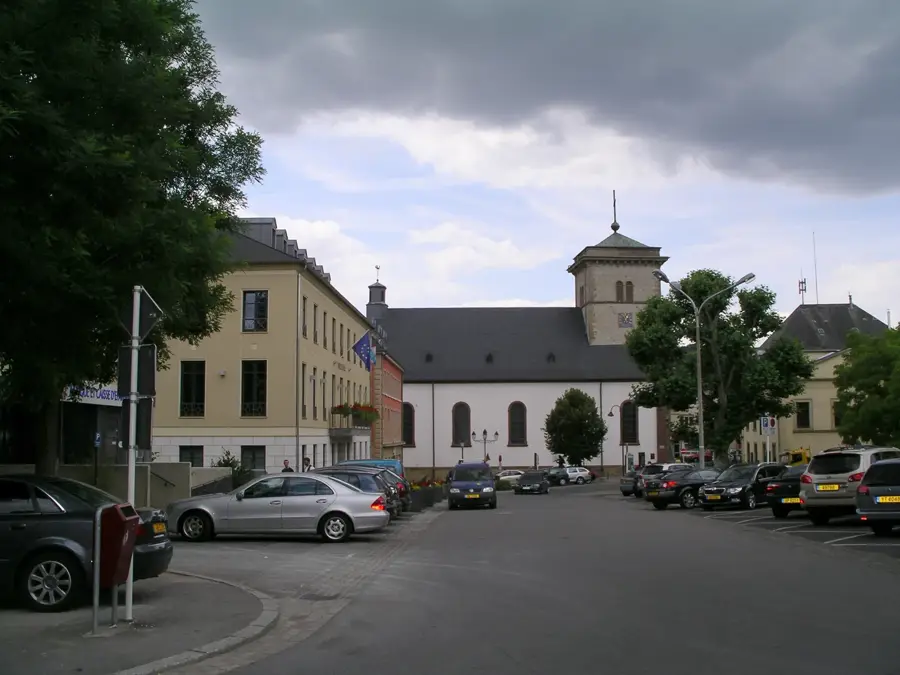
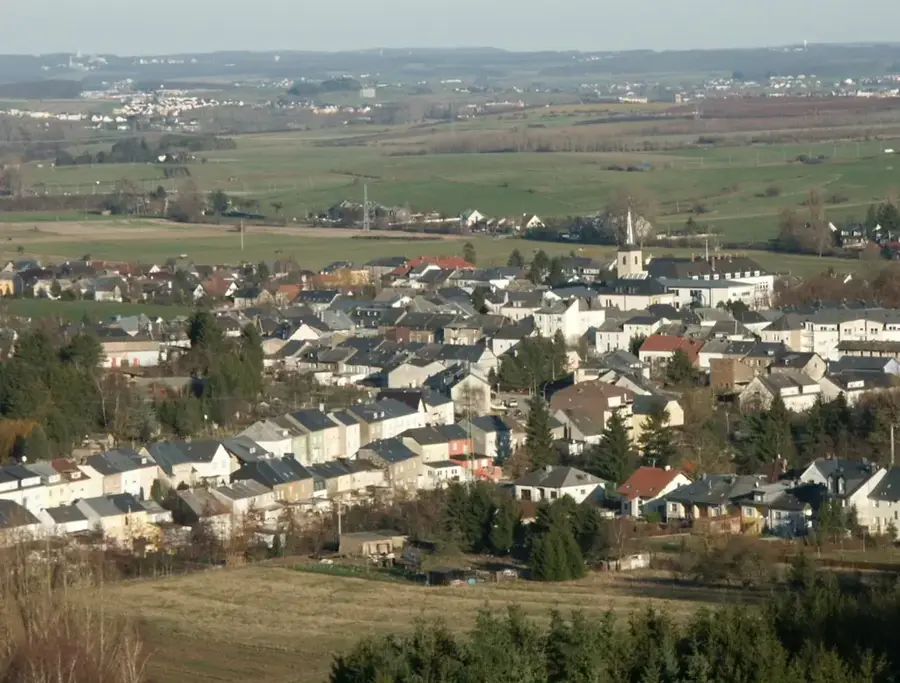
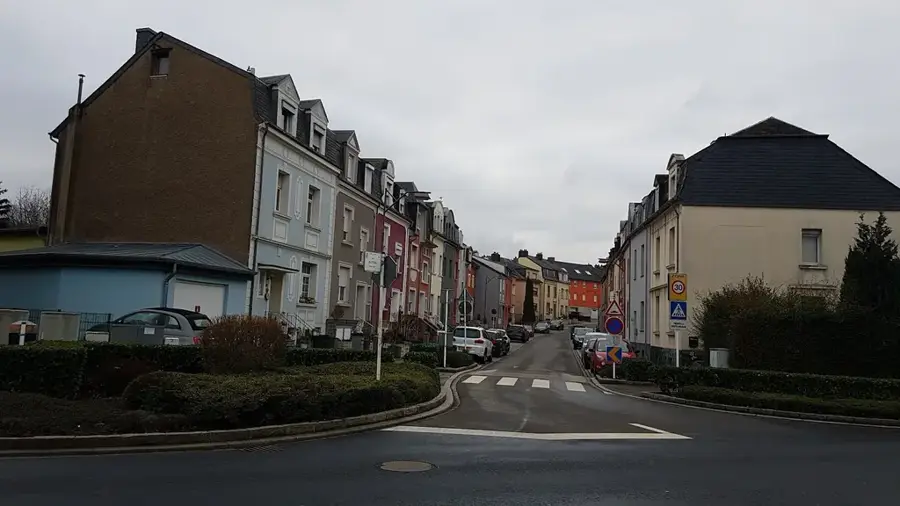
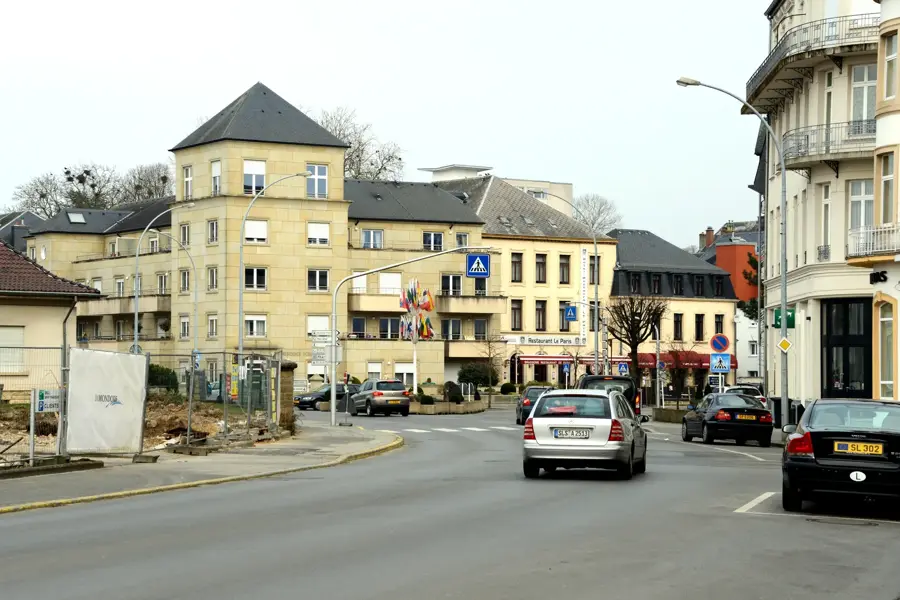
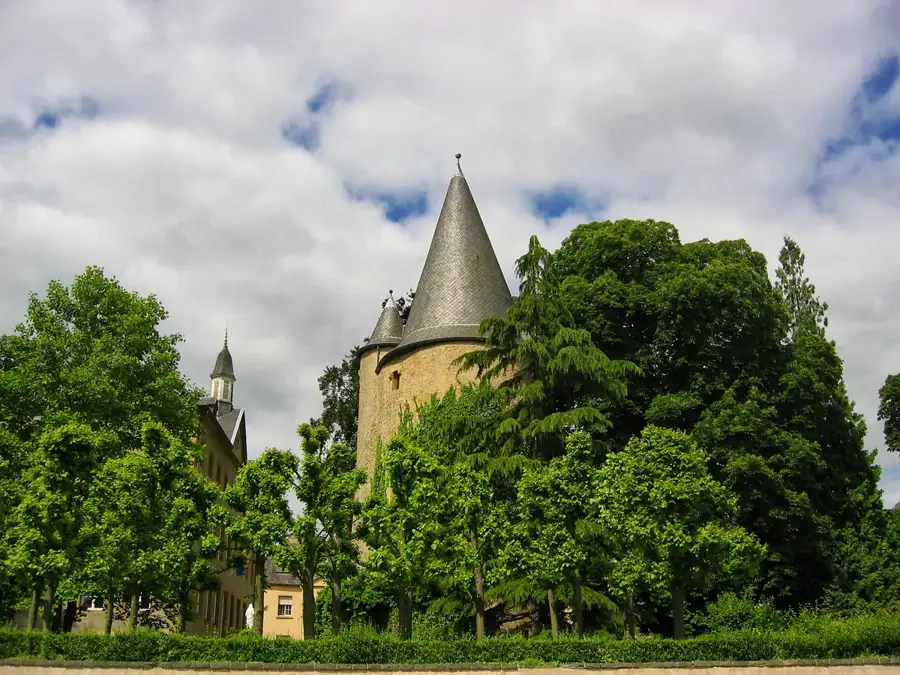
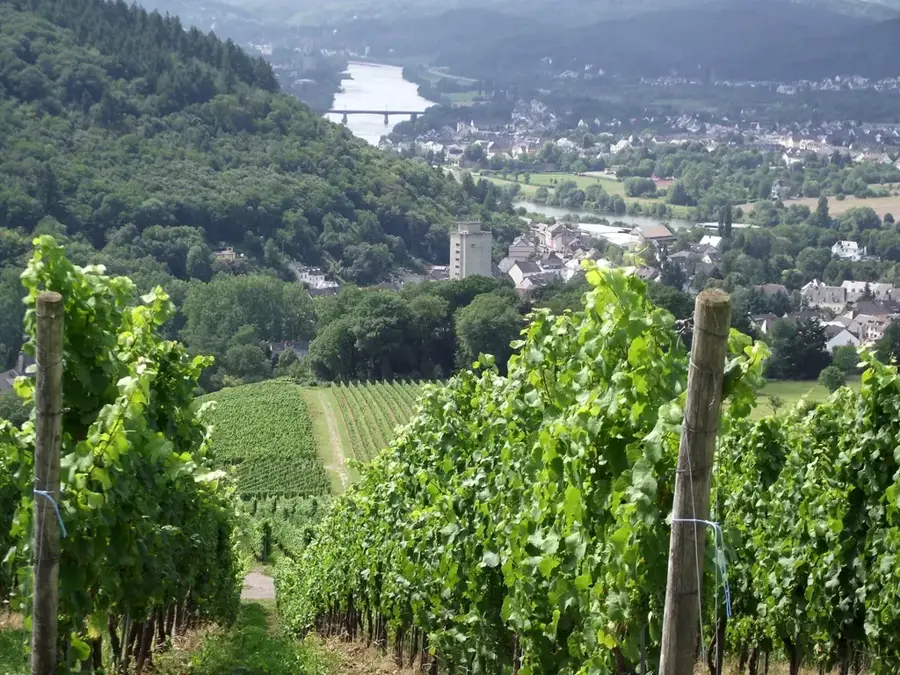
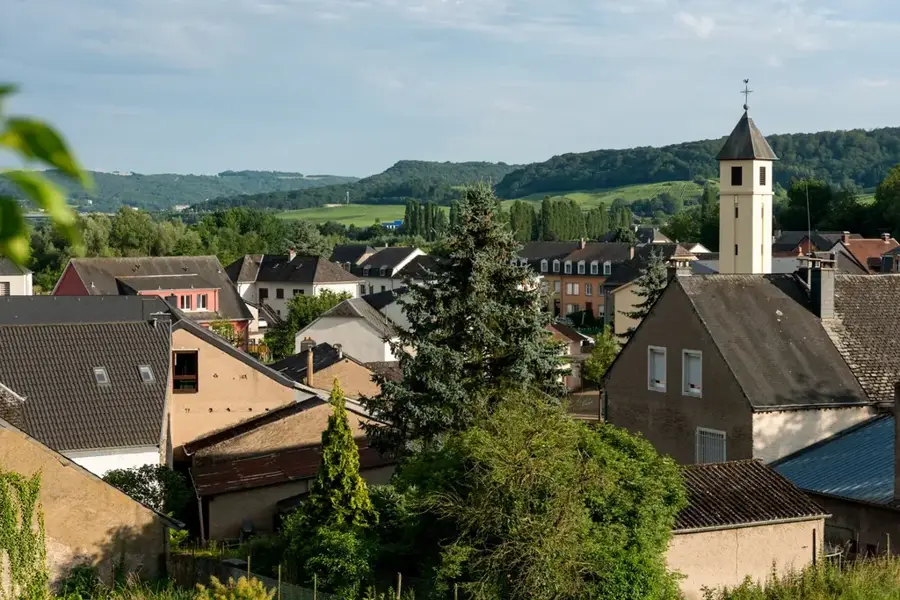
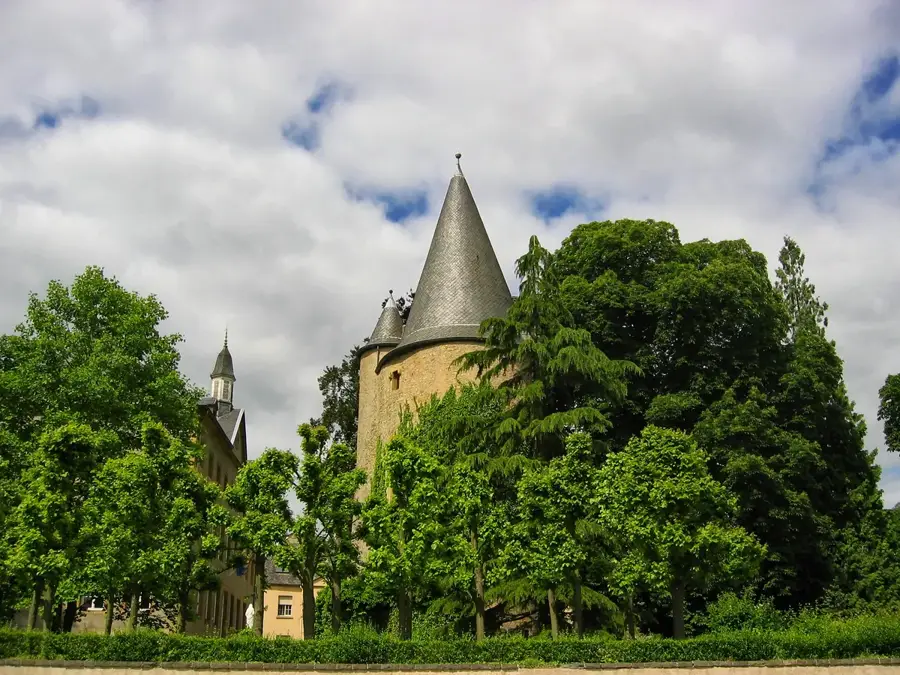
Schengen is a globally recognized village in southeastern Luxembourg, right at the border with France and Germany. In 1985, the historic Schengen Agreement was signed here, effectively abolishing border checks across much of Europe. The European Museum Schengen documents this history and the importance of European integration in an interactive way. The village is picturesquely situated among vineyards in the Moselle Valley. Beyond its political significance, Schengen is also a center for viticulture, producing first-class wines. Visitors can see the 'Columns of Nations' or take a walk along the Moselle, where monuments commemorate the signing of the treaty on board the MS Princesse Marie-Astrid ship. The surrounding area features excellent cycling paths and hiking trails through the Stromberg nature reserve. Schengen is a place of encounter and exchange, demonstrating how borders can be overcome. It is a must-see for any traveler interested in modern European history, combined with the enjoyment of regional gastronomy.

Best time to visit & climate

The most pleasant time to visit is Jun–Aug.

JanFebMarAprMayJunJulAugSepOctNovDec
Avg °C115913171919151052
Rain mm675757467068657256656879

📋 Practical info

🚪
Visiting
The Schengen Agreement Museum and the European Monument can be visited. The museum interior is accessible; the outdoor area along the Moselle is freely walkable.
🕒
Typical hours
The museum is typically open daily, with seasonal variations. Check the current hours in advance at the ticket office.
📷
Photography
Photography is generally allowed in the museum and at the monument. Flash may be prohibited in some exhibition areas.
⏱️
Time needed
Allow about 1 hour for the museum and a stroll along the Moselle.
Combine with
Combine the visit with a wine tasting at one of the Moselle wineries or a boat trip on the Moselle river.
🧭
Getting there
Schengen is located at the tripoint and is accessible by car via the A13. The nearest train station is Perl (Germany), with buses connecting.
💡
Insider tip
Also visit the small but excellent European Museum - it impressively explains the history of the Schengen Agreements.

Geography

Population
5,196 (2025)
Coordinates
49.47028, 6.36528

Facts

  • Site of the Schengen Agreement
  • Border triangle (LU, DE, FR)
  • European Museum
  • Columns of Nations
  • Located on the Moselle river
  • Significant wine region
  • Signing monument
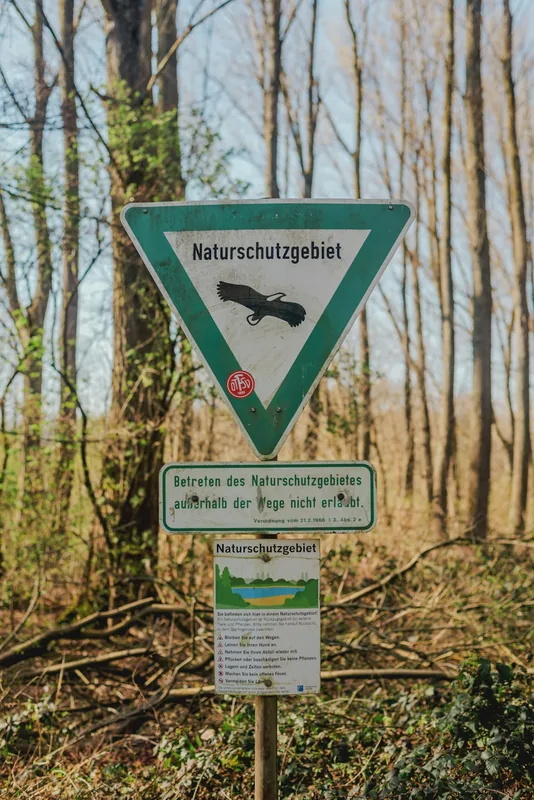
  • Stromberg nature reserve

Explore nearby

Notable places around
Route planner — Car & Motorhome

Where do you start? We build the route here, with stops and country notes along the way.

Vehicle
Only stops with (optional):

© OpenStreetMap contributors · OpenRouteService

Sights in the town Schengen (11)

Kneippanlage🎡 recreation

A hydrotherapy facility based on the Kneipp method for health promotion in Schengen.

Chapelle Saint-Jean-Baptiste📍 landmark

14th-century chapel near the Moselle River, a protected historical monument.

Stromberg🌿 nature

Stromberg, a vine-covered hill on the Moselle, part of the UNESCO terraced vineyards.

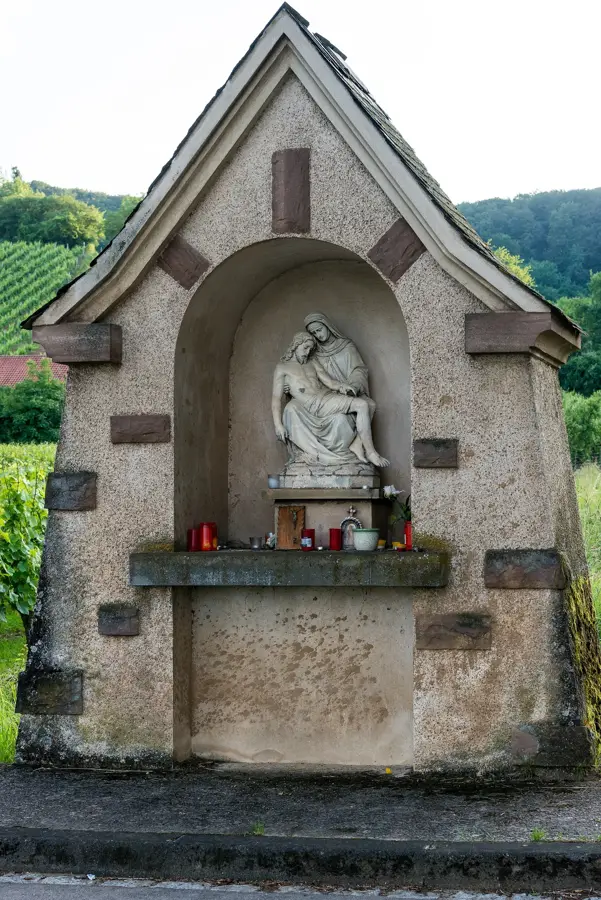
Chapelle Notre-Dame-des-Sept-Douleurs📍 landmark

Neo-Gothic chapel built in 1849 above the Moselle river in Schengen.

Église Saint-Jean-Baptiste⛪ religious

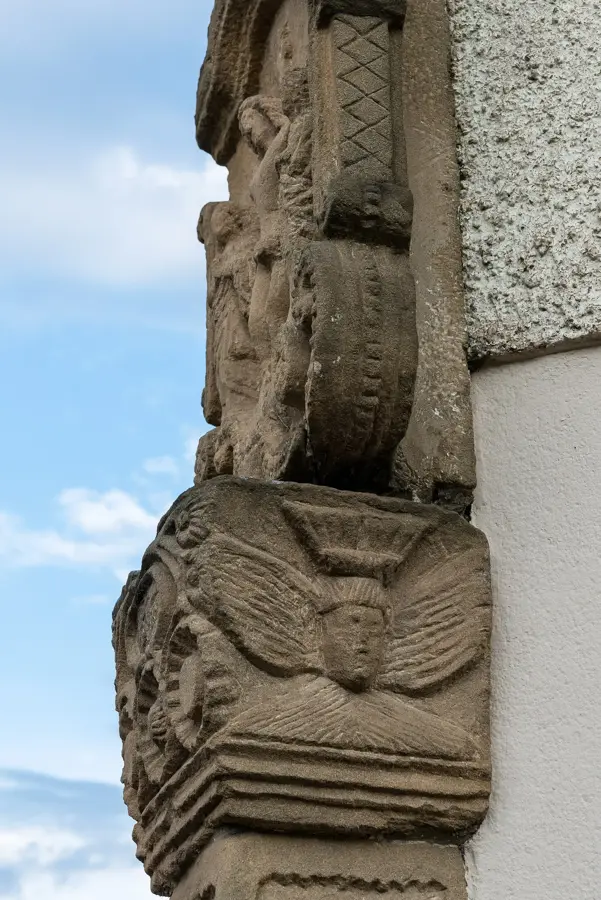
A Romanesque church in Schengen dedicated to St. John the Baptist.

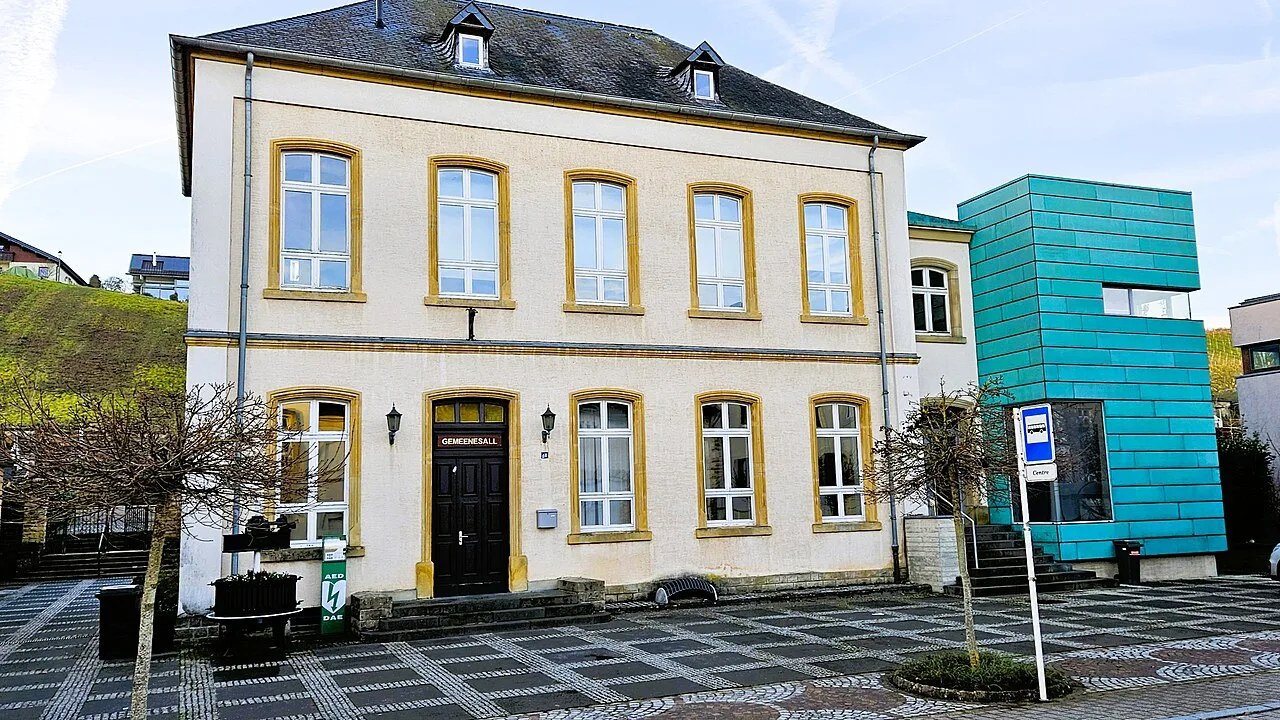
European Museum Schengen🏛 museum

Museum located in the building where the Schengen Agreement was signed in 1985.

🕒 Mo-Su 10:00-18:00🆓

Memorial of the Schengen Treaty🏺 historical

Memorial of the Schengen Treaty in Schengen.

Saint-Sauveur⛪ religious

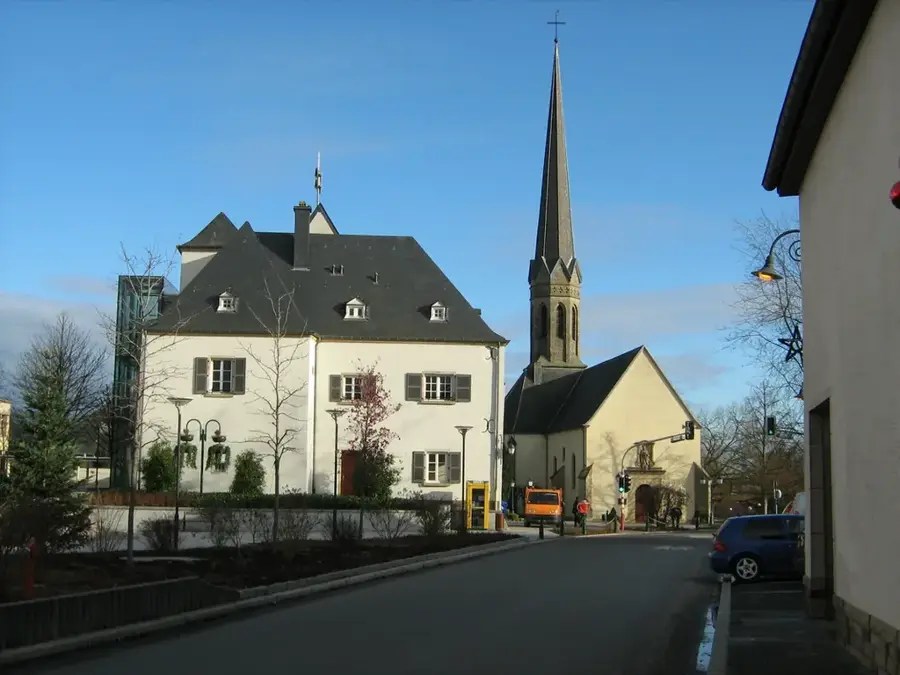
A church in Schengen dedicated to St. Saviour, with a distinctive spire.

Église Saint-Donat⛪ religious

A church in Schengen dedicated to St. Donatus.

View on Apach🌿 nature

View on Apach is a scenic viewpoint in Schengen looking towards the neighboring settlement.

Katzenhäuschen🌿 nature

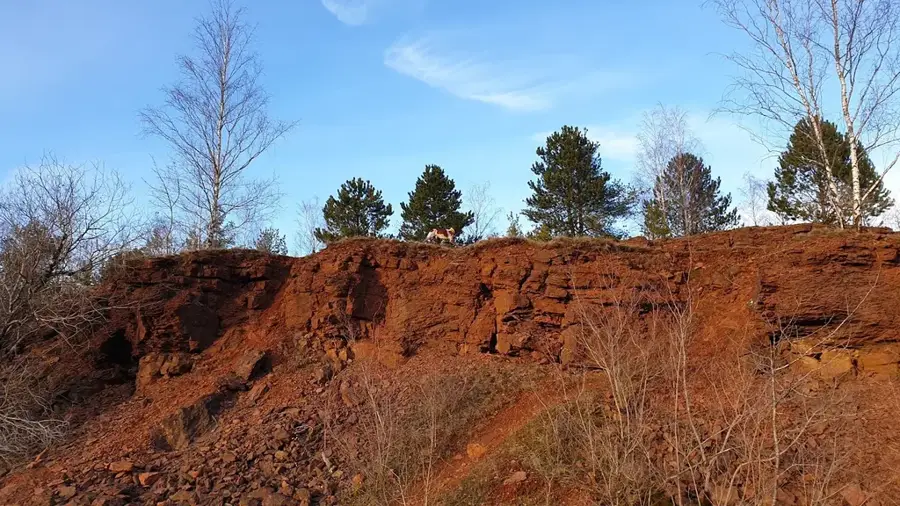
A natural rock shelter in the woods near Schengen called Katzenhäuschen.

Sights nearby

Frequently asked questions

Why is Schengen famous?
The Schengen Agreement to abolish border controls was signed here in 1985.
What can you see at the European Museum?
The history of European integration and the significance of open borders.
Where is Schengen located?
At the tri-border point of Luxembourg, Germany, and France on the Moselle river.
Are there wine tastings?
Yes, the region is famous for viticulture; many winemakers offer tastings.
Can you take a boat trip?
Yes, excursion boats on the Moselle regularly stop in Schengen.
Schengen: where is it located?
Schengen is located in Luxembourg.
Schengen: what is there to see?
Highlights include Kneippanlage, Chapelle Saint-Jean-Baptiste, Stromberg.
Schengen: when is the best time to visit?
The most pleasant time to visit is Jun, Aug.
Schengen: why is it worth visiting?
Schengen is a globally recognized village in southeastern Luxembourg, right at the border with France and Germany.
View on map → The Top 50 Attractions → OpenStreetMap →
Europe
Explore with Plizio Discover more places in Europe
More places in Luxembourg →

Nearby cities

History & landmarks
Nature
More places