Plizio Visual Lab
Moselle Valley
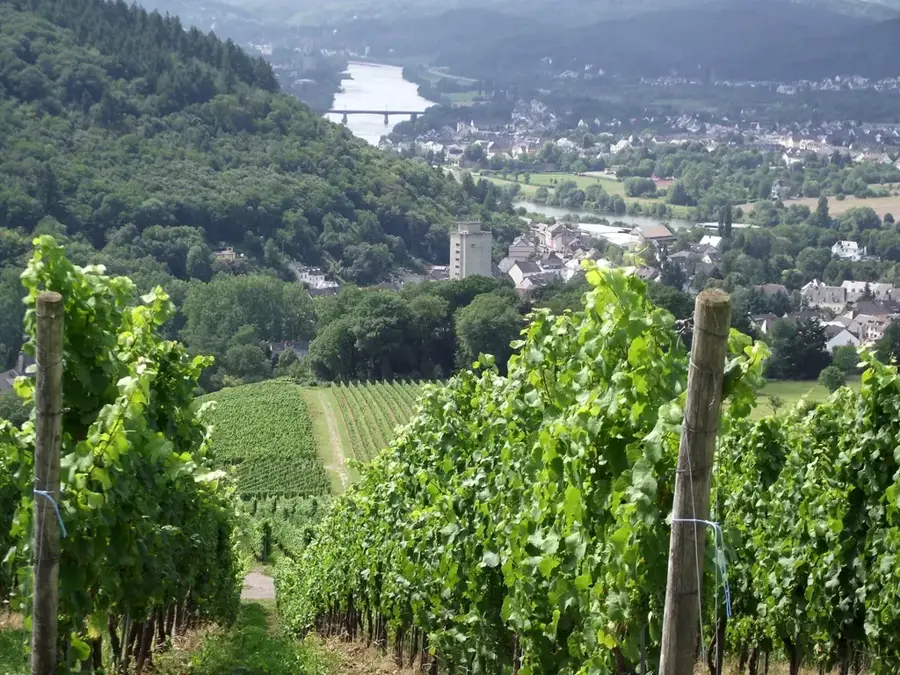
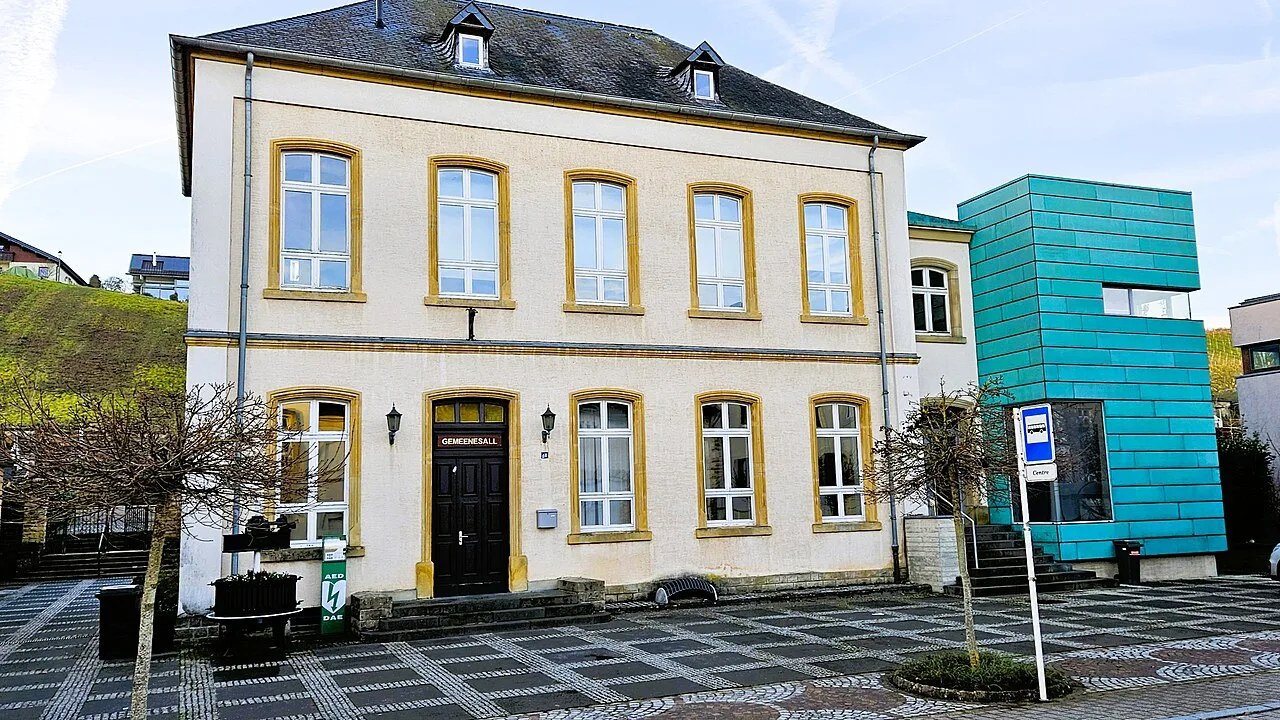
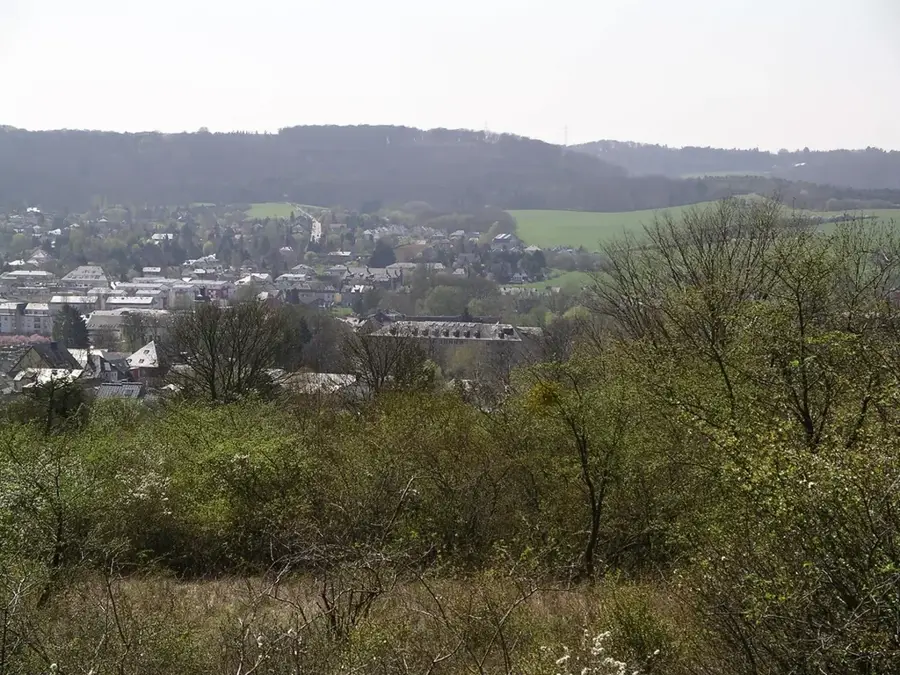
The Moselle Valley forms the natural border between the Grand Duchy of Luxembourg and Germany, stretching for about 37 kilometers on the Luxembourgish side. The region is world-renowned for its viticulture, which has been a tradition here since Roman times, favored by the steep shell limestone slopes. The microclimate in the valley is the mildest in the country, enabling the cultivation of grape varieties such as Riesling, Pinot Gris, and Auxerrois. Historically, the region gained global fame through the Schengen Agreement of 1985, which was signed in the winemaking village of Schengen and today stands as the symbol of European freedom of movement. Along the river lie scenic towns such as Remich and Grevenmacher, known for their riverside promenades and wine cellars. The landscape is characterized by terraced vineyards that turn golden in autumn, attracting numerous tourists. In addition to viticulture, inland shipping also plays an important role in the region's economy. The Moselle Valley is a harmonious blend of cultural landscape, European history, and gastronomic excellence.
- Location: Luxembourg
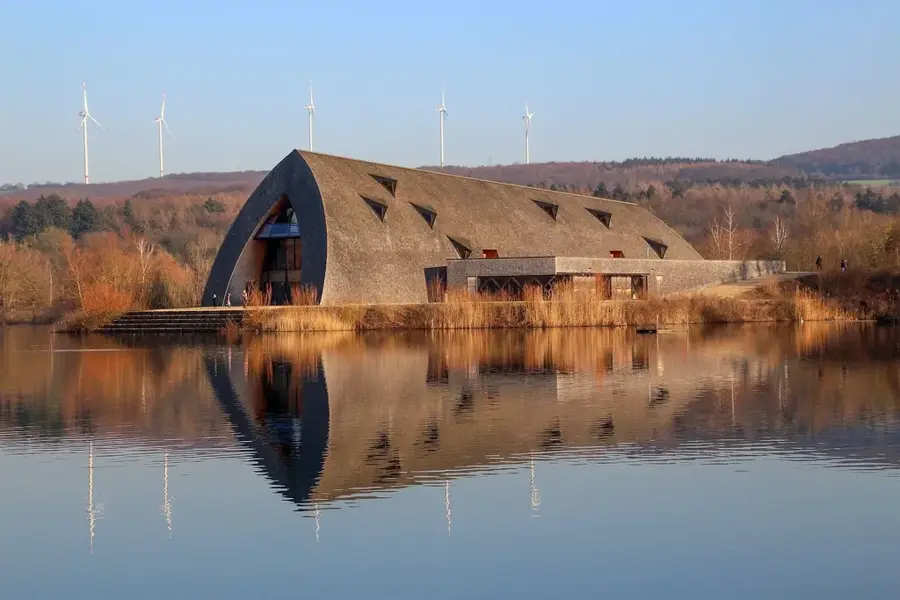
- Top sights: Saint-Pirmin · A Possen · Mediterraner Garten Zentrum für ökologische Gartenkultur
- Nearby: Mondorf-les-Bains (6 km)
Best time to visit & climate
The most pleasant time to visit is Jun–Aug.
| Jan | Feb | Mar | Apr | May | Jun | Jul | Aug | Sep | Oct | Nov | Dec | |
|---|---|---|---|---|---|---|---|---|---|---|---|---|
| Avg °C | 1 | 1 | 5 | 9 | 13 | 17 | 19 | 19 | 15 | 10 | 5 | 2 |
| Rain mm | 67 | 57 | 57 | 46 | 70 | 68 | 65 | 72 | 56 | 65 | 68 | 79 |
📋 Practical info
Geography
Facts
- The Schengen Agreement was signed on June 14, 1985, in the Moselle Valley.
- The Moselle forms the border with Germany for 37 kilometers.
- Viticulture in the region dates back to Roman settlement.
- Remich is often called the 'Pearl of the Moselle' due to its promenade.
- Grevenmacher houses the largest winery of the Luxembourgish wine cooperative.
- The climate allows for the cultivation of demanding vines like Riesling.
Explore nearby
Notable places around
Route planner — Car & Motorhome
Where do you start? We build the route here, with stops and country notes along the way.
© OpenStreetMap contributors · OpenRouteService
Sights in the town Moselle Valley (10)
Saint-Hubert
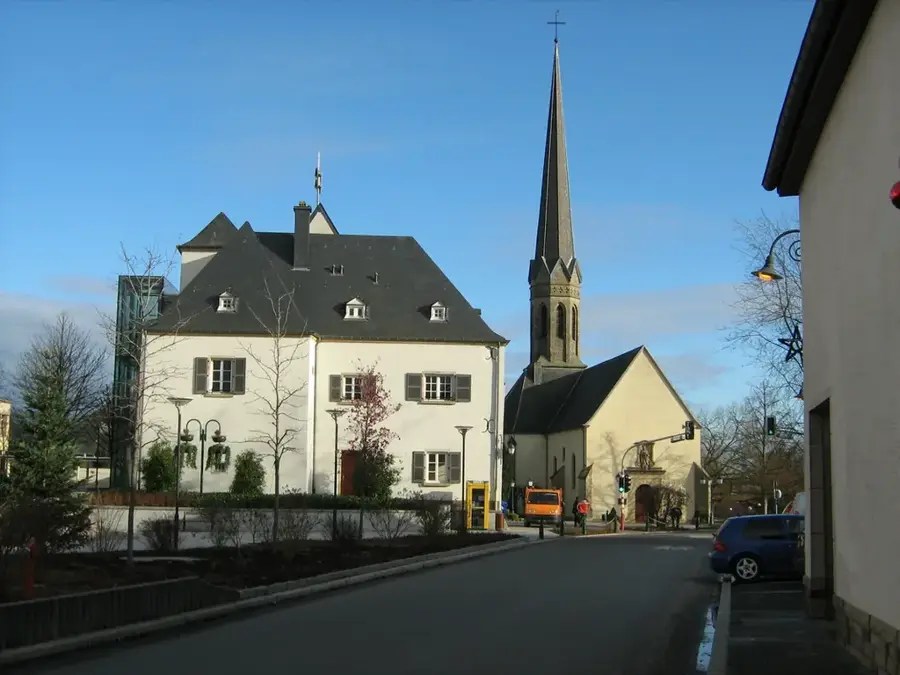
Church building in Luxembourg, dedicated to Saint Hubert.
Römischer Grabtumulus Nennig
Roman burial mound in Nennig, evidence of ancient settlement.
Kuebendaellchen
Nature reserve in Luxembourg, protecting habitats for plants and animals.
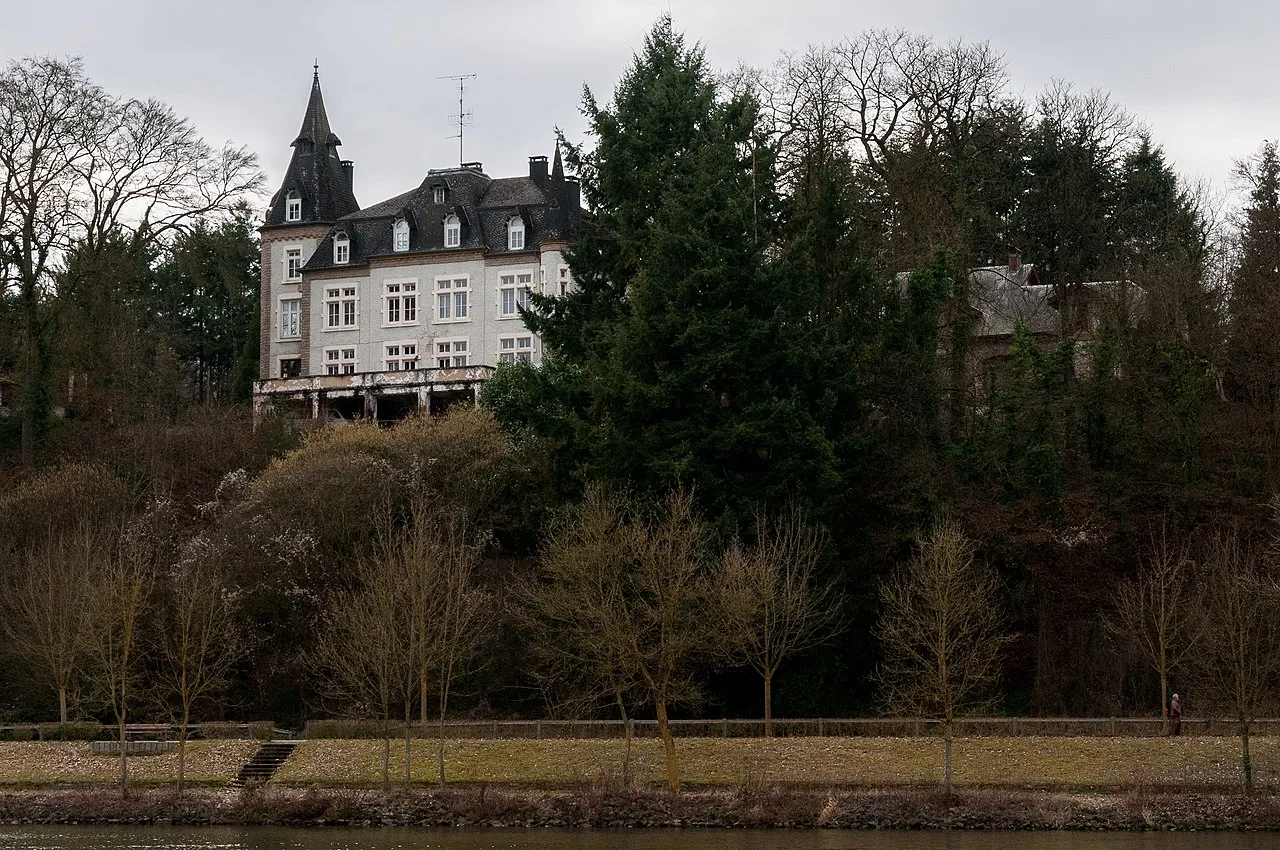
Wëntrenger Schlass🏰 castle
Castle in Luxembourg, a historic noble residence.
Villa Nennig
Roman villa site in Nennig, an archaeological site.
Römisches Mosaik🏛 museum
Museum in Luxembourg, displaying a Roman mosaic from the area.
Sights nearby
Frequently asked questions
What is the main product of the Moselle region?
Can you take boat trips on the Moselle?
Which towns on the Moselle are worth visiting?
Are there cycle paths along the Moselle?
When does the grape harvest take place?
Moselle Valley: where is it located?
Moselle Valley: what is there to see?
Moselle Valley: when is the best time to visit?
Moselle Valley: why is it worth visiting?

Nearby cities
History & landmarks
Nature
More places