Plizio Visual Lab

ArcelorMittal Dudelange
Plizio editorial teamData Sources
factory
—°10
ArcelorMittal Dudelange (Luxembourg)

Weather…

The ArcelorMittal plant in Dudelange, southern Luxembourg, is a specialized center for flat steel finishing and a major supplier to the European automotive industry. The site's history began in 1882 with the founding of the Société Anonyme des Hauts-Fourneaux et Forges de Dudelange, which significantly shaped the city's development. Today, the facility focuses on high-tech processes such as hot-dip galvanizing and the coating of steel sheets, particularly with the innovative Alusi coating (aluminum-silicon). These products are crucial for lightweight construction and corrosion protection in modern vehicles. The plant is part of an integrated production network, receiving hot-rolled steel coils from other ArcelorMittal sites for further processing. Despite the decline of traditional heavy industry, the Dudelange site has sustained itself through specialization and continuous investment in product quality. It remains an essential component of the Luxembourgish industrial landscape.

Best time to visit & climate

The most pleasant time to visit is Jun–Aug.

JanFebMarAprMayJunJulAugSepOctNovDec
Avg °C115913171919151052
Rain mm675757467068657256656879

📋 Practical info

🏭
What is this place?
ArcelorMittal Dudelange is a highly specialized industrial facility dedicated to the advanced finishing and precise coating of flat steel products. Its high-quality galvanized and coated steel sheets play an indispensable role in steadily supplying major European automotive and construction supply chains.
🚪
Visiting
Access to the complex steel finishing lines is generally restricted to employees and strictly scheduled business delegations to guarantee complete operational safety. Occasional public visits might be uniquely arranged during regional industrial heritage days or special corporate events planned well in advance.
👀
Where to view it
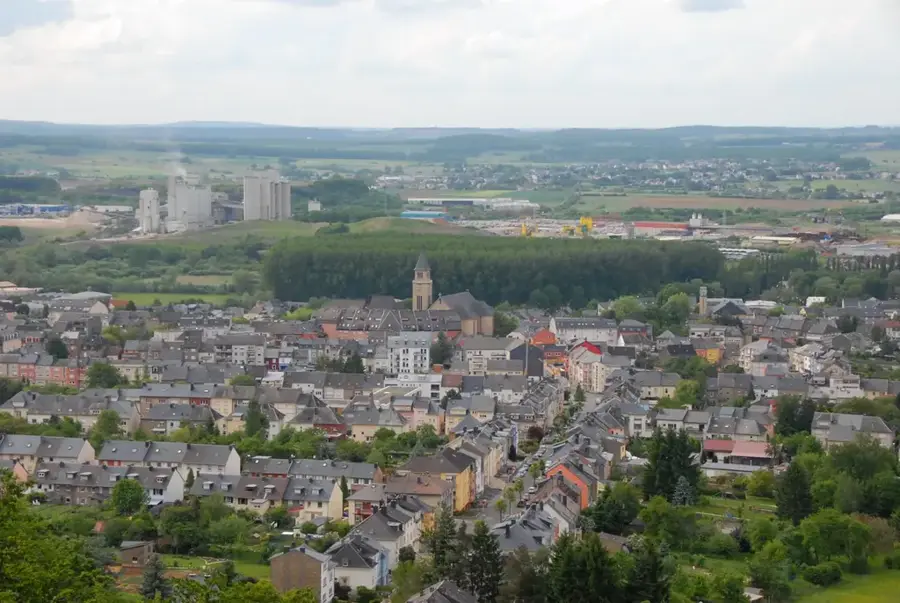
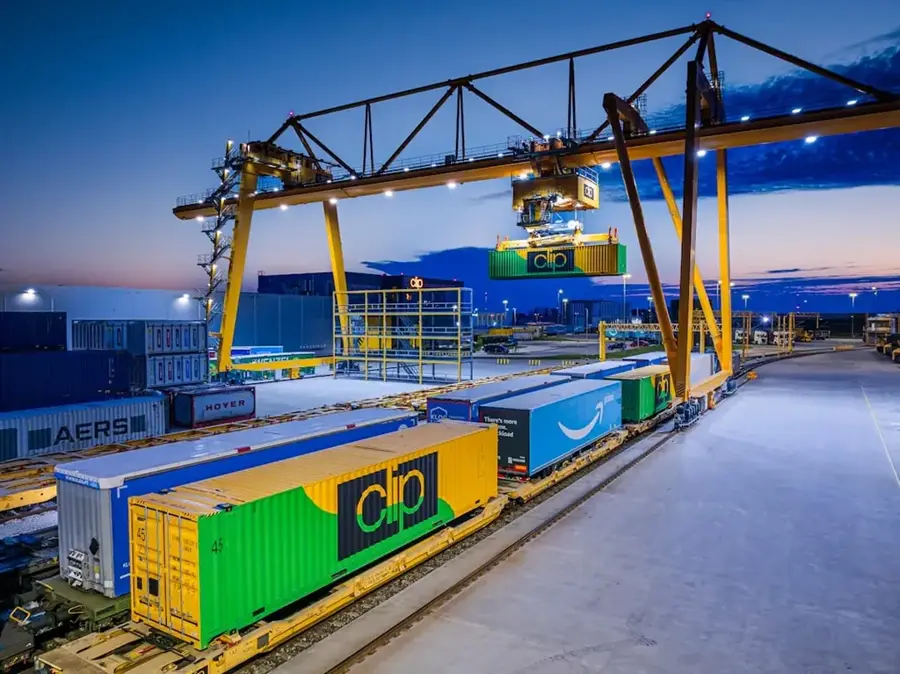
While the intricate indoor finishing processes are entirely hidden from view, the sprawling layout of the plant and its modern logistical hubs can be easily seen from public roads passing through Dudelange. The massive scale of the metal-clad structures reflects the high-tech nature of the contemporary steel industry.
🧺
Local products
The specialized coated steel rolls produced here are strictly business-to-business products mostly used for manufacturing cars and large appliances. Dudelange itself, however, has a bustling commercial scene where visitors can discover regional culinary delights, boutique goods, and crafts typical of southern Luxembourg.
📆
Active season
The high-demand nature of the European automotive supply chain dictates that the facility usually operates steadily throughout the entire year. Regular weekdays showcase the highest volume of heavy truck and rail transport as giant coils of steel are constantly moved in and out of the bustling finishing plant.
Nearby
A viewing of the town's industrial exterior can be excellently matched with a visit to the nearby National Audiovisual Centre (CNA) in Dudelange, which often features striking photography exhibitions. The adjacent natural reserves and hiking trails also provide a very peaceful green contrast to the heavy industry.

Geography

Coordinates
49.47100, 6.09100

Facts

  • Founding of the ironworks in 1882
  • Specialization in Alusi-coated steel sheets
  • Key supplier for the automotive sector
  • Features modern hot-dip galvanizing lines
  • Part of the global ArcelorMittal network
  • Historical driver for the urban development of Dudelange

Explore nearby

Notable places around
Route planner — Car & Motorhome

Where do you start? We build the route here, with stops and country notes along the way.

Vehicle
Only stops with (optional):

© OpenStreetMap contributors · OpenRouteService

Sights in the town ArcelorMittal Dudelange (10)

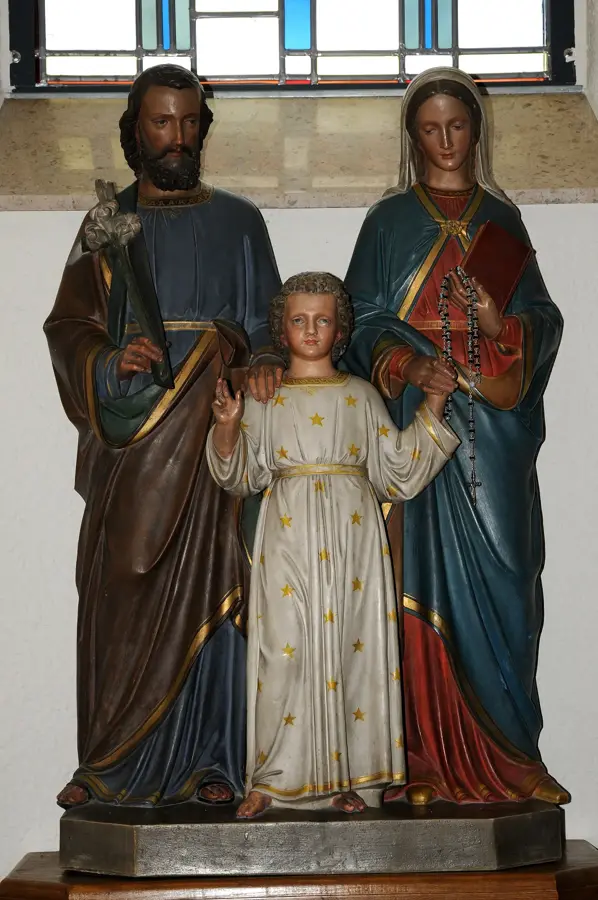
Eligiuskapell

Chapel in Dudelange, a church building in Luxembourg.

Centre Culturel Régional Dudelange "opderschmelz"

Regional cultural centre in Dudelange, hosting events.

Waassertuerm🏛 museum

Museum in Dudelange, a former water tower.

🆓

Pomhouse🏛 museum

Museum in Dudelange, exhibition building.

🆓

Centre National de l'Audiovisuel (CNA)

Art museum in Luxembourg, national audiovisual centre.

Centre de documentation sur les migrations humaines🏛 museum

Museum documenting human migration in Dudelange.

Dudelange Radio Tower

Steel lattice television tower in Dudelange, landmark.

Saint-Martin

Church in Dudelange, a place of worship.

Piscine Plein-Air Dudelange

Outdoor swimming pool in Dudelange, seasonal bathing.

Gewerkschaft Jünkerath n°11

Historic industrial wagon for transporting metal or slag.

Sights nearby

Frequently asked questions

What does ArcelorMittal produce in Dudelange?
The plant specializes in finishing flat steel products, particularly galvanizing for the automotive industry.
Is the plant still in operation?
Yes, it is a state-of-the-art site within the ArcelorMittal group.
Can you visit the site?
Access is not permitted to the public for safety reasons.
What is the industrial culture in Dudelange?
Dudelange has a long steel tradition; some old industrial brownfields have been converted into cultural centers.
Are there museums in Dudelange?
Yes, the Migration Documentation Centre and 'The Bitter Years' photo gallery are well worth a visit.
ArcelorMittal Dudelange: where is it located?
ArcelorMittal Dudelange is located in Luxembourg.
ArcelorMittal Dudelange: what is there to see?
Highlights include Eligiuskapell, Centre Culturel Régional Dudelange "opderschmelz", Waassertuerm.
ArcelorMittal Dudelange: when is the best time to visit?
The most pleasant time to visit is Jun, Aug.
ArcelorMittal Dudelange: why is it worth visiting?

The ArcelorMittal plant in Dudelange, southern Luxembourg, is a specialized center for flat steel finishing and a major supplier to the European automotive industry.
View on map → The Top 50 Attractions → OpenStreetMap →
Europe
Explore with Plizio Discover more places in Europe
More places in Luxembourg →

Nearby cities

History & landmarks
Nature

More places