Plizio Visual Lab
Seda Historical Settlement
ℹ️Practical info — Seda Historical Settlement
▾
🌤 Weather — 5 days
📍 Nearby
Sights nearby
💡 Tips
- Seda is a perfectly preserved example of Soviet urban planning with radial streets; start your walk at the central square.
- The town is very small and pedestrian-friendly, but there are few tourist facilities, so bring your own water and snacks.
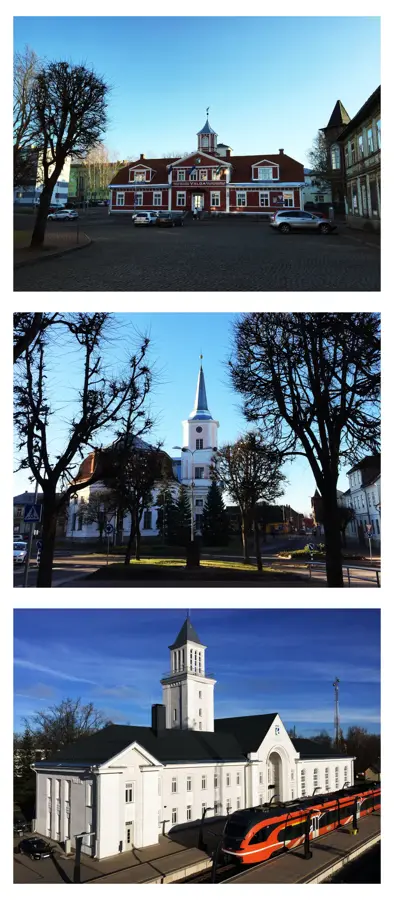
- Pay attention to the bright yellow neo-classical buildings adorned with Soviet motifs like stars and sunbursts.
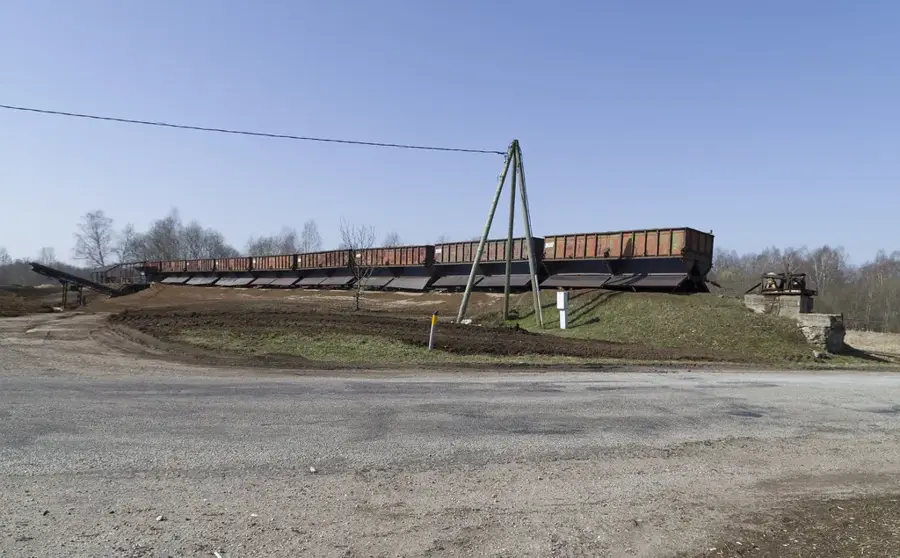
- The adjacent Seda Bog is an active peat extraction site and a nature reserve; stick to marked trails if you venture there.
🍽 Food
Since dining options are scarce, pick up local Latvian snacks and pastries from the village store for a picnic.
For a proper meal, drive to the nearby town of Strenči where you can find traditional Latvian canteens (ēdnīca).
🛍 Shopping · 🧘 Quiet spots
Shopping here is limited to basic necessities; it's a place to experience history rather than buy souvenirs.
While not directly sold in tourist shops in Seda, the area is famous for peat extraction, a major local industry.
Explore the unique landscape of the peat bog on the outskirts of the town for birdwatching and tranquility.
The spacious, star-shaped main square is usually very quiet and has the best view of the symmetrical architecture.
Water temperature…
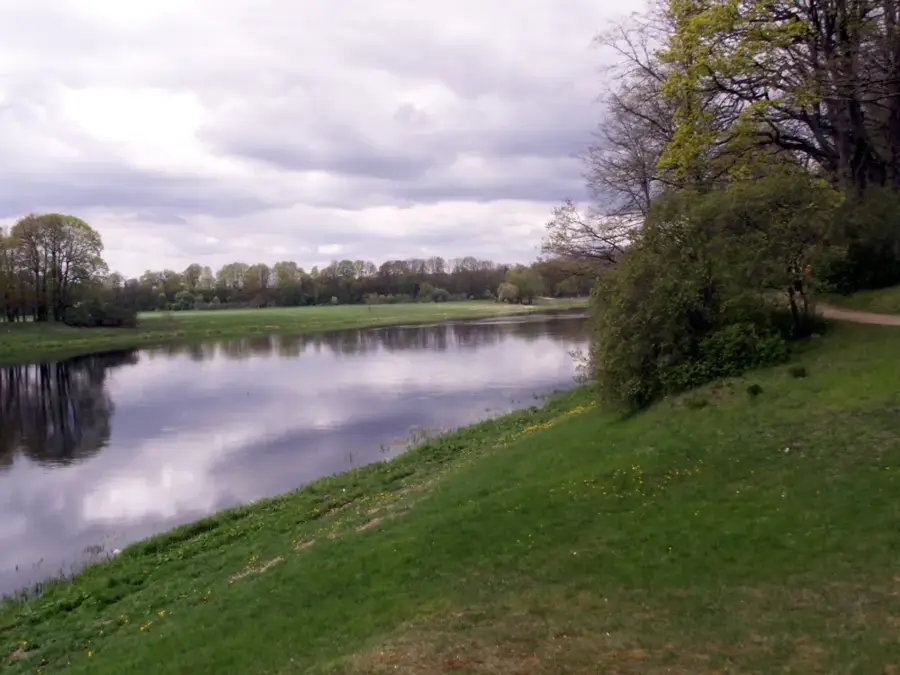
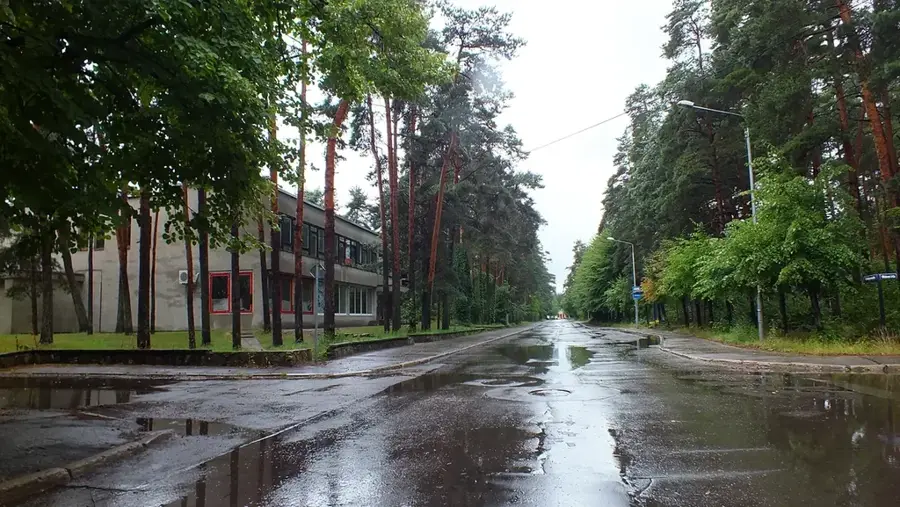
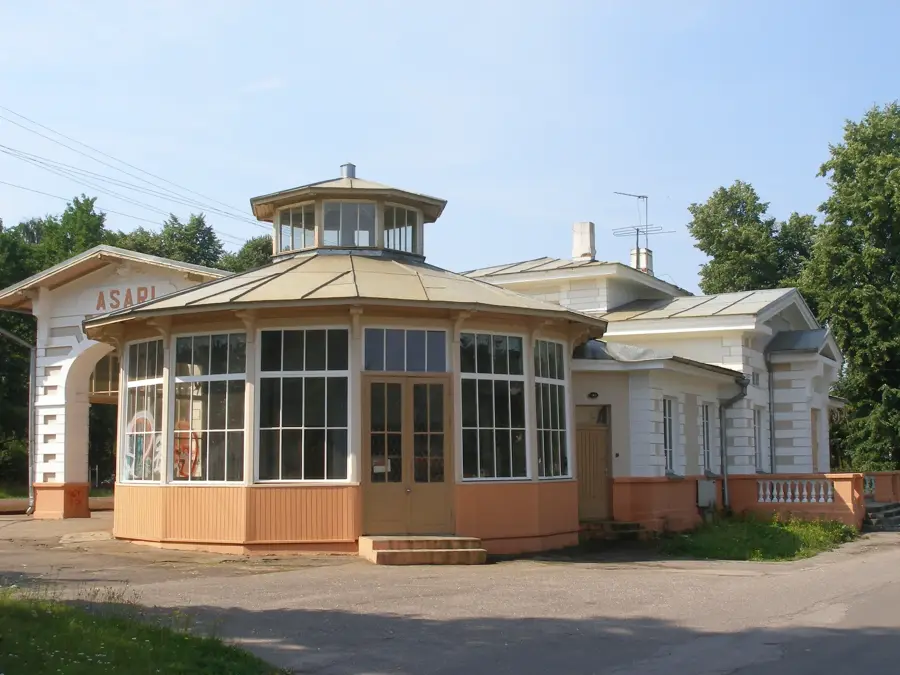
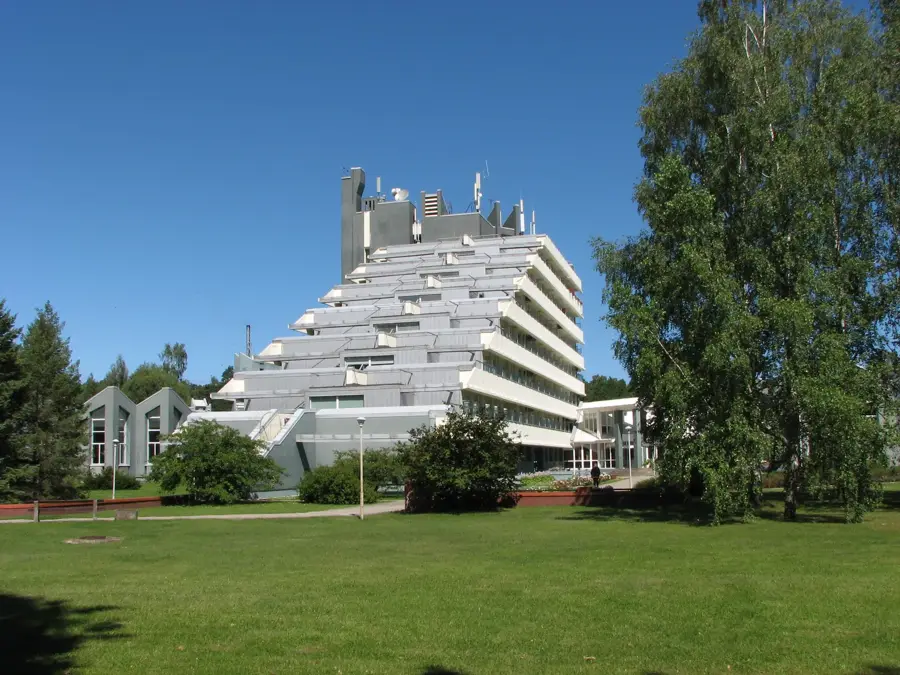
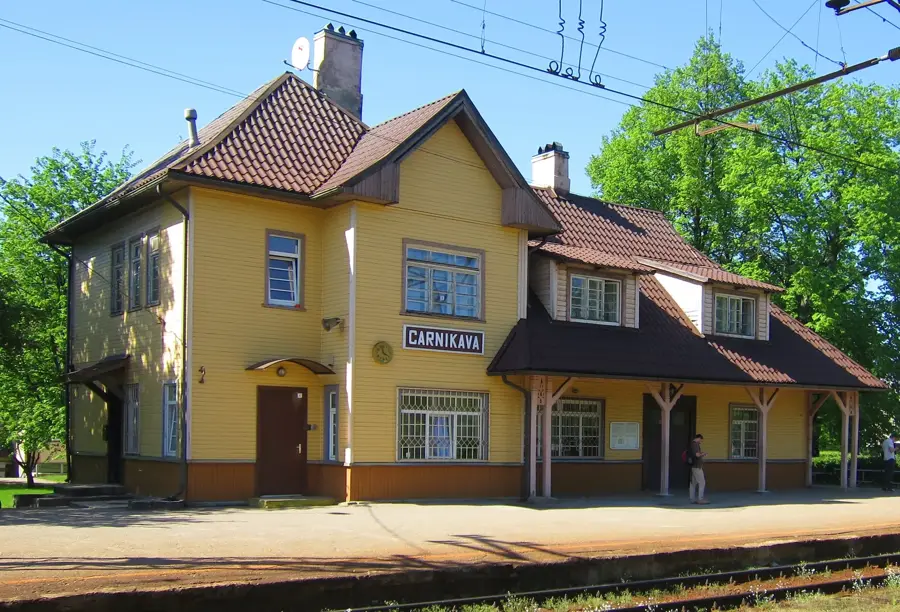
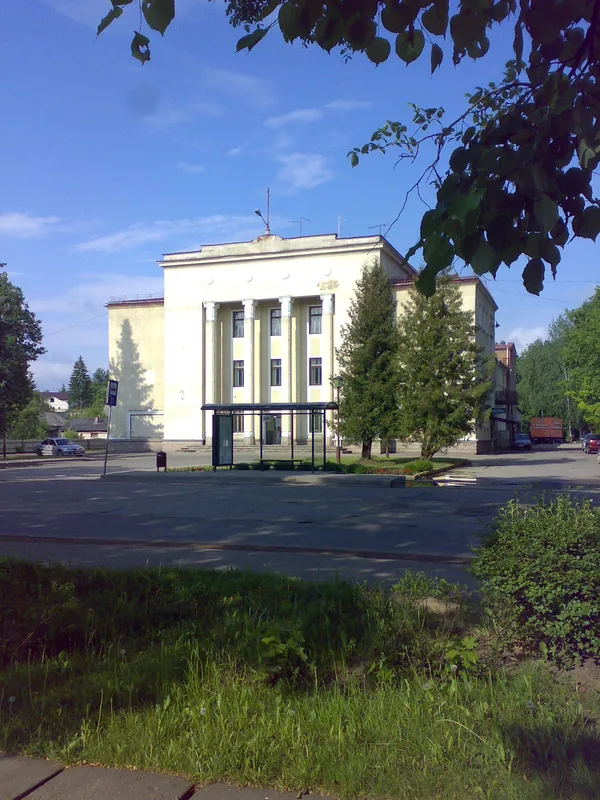
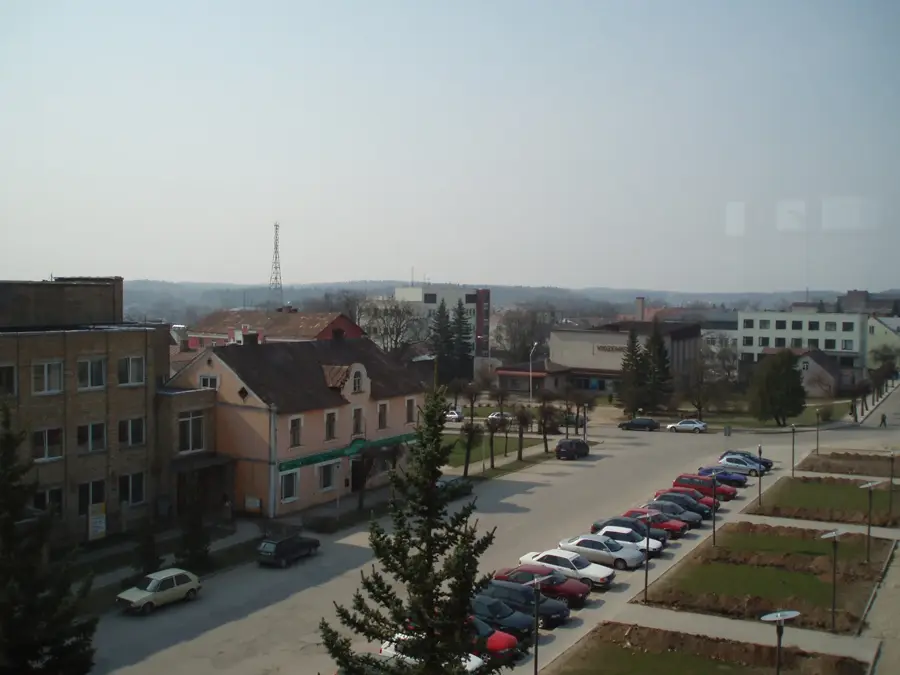
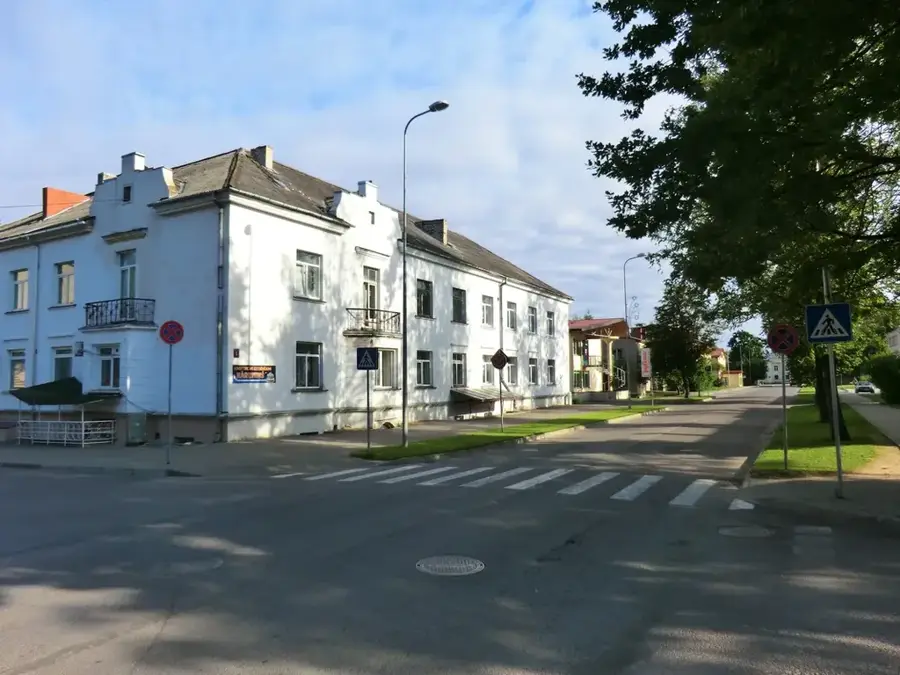
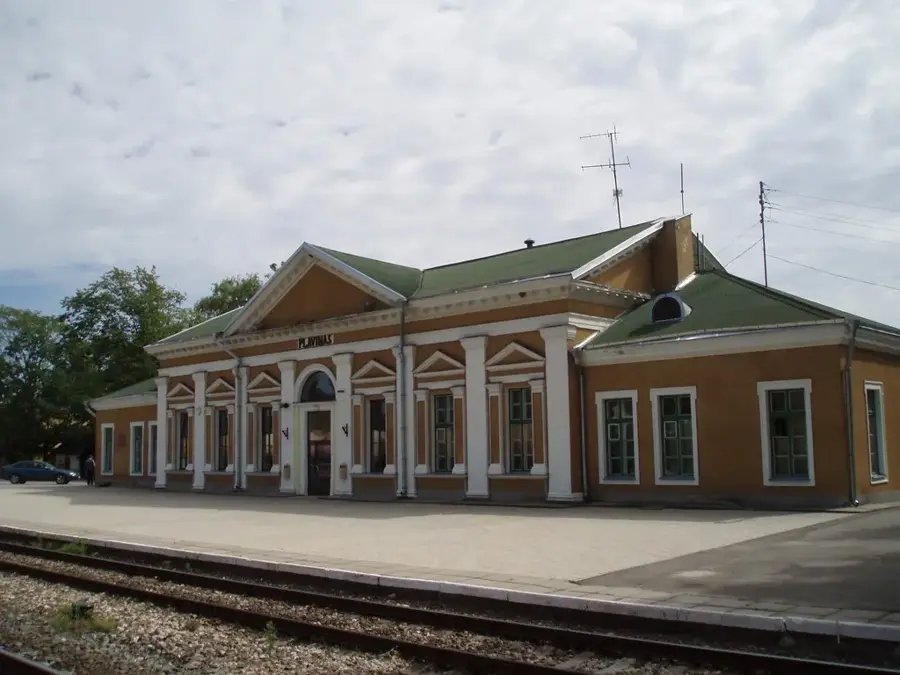
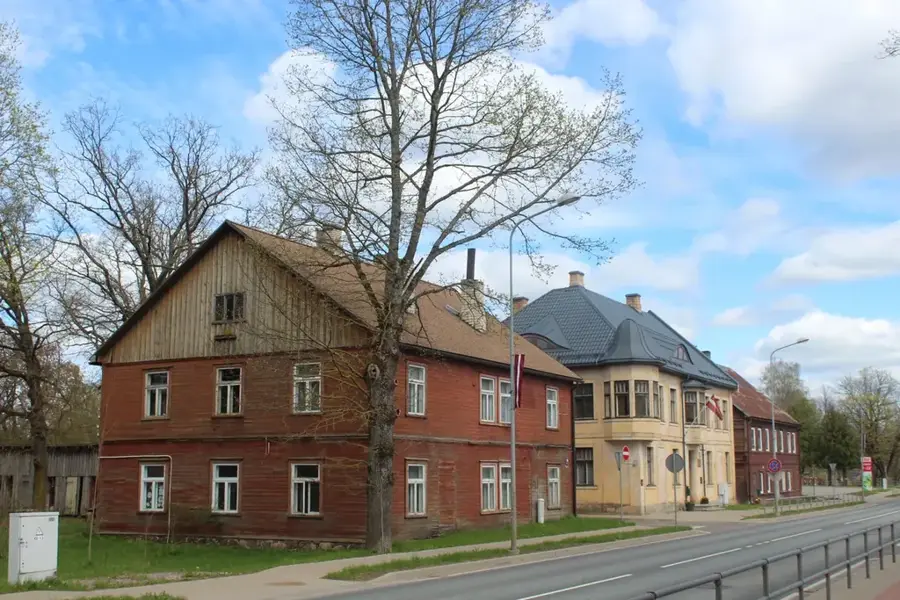
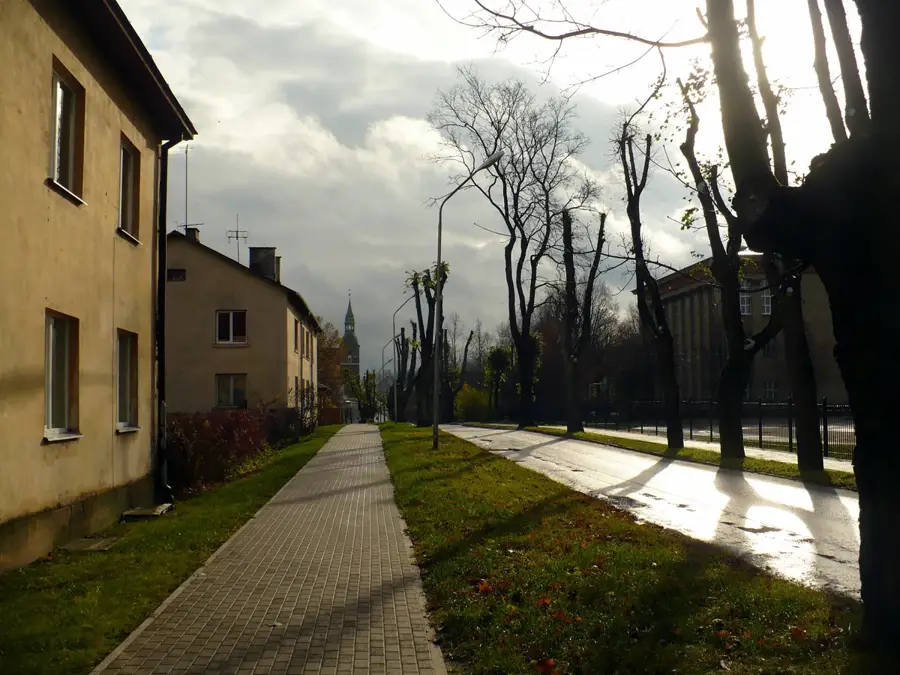
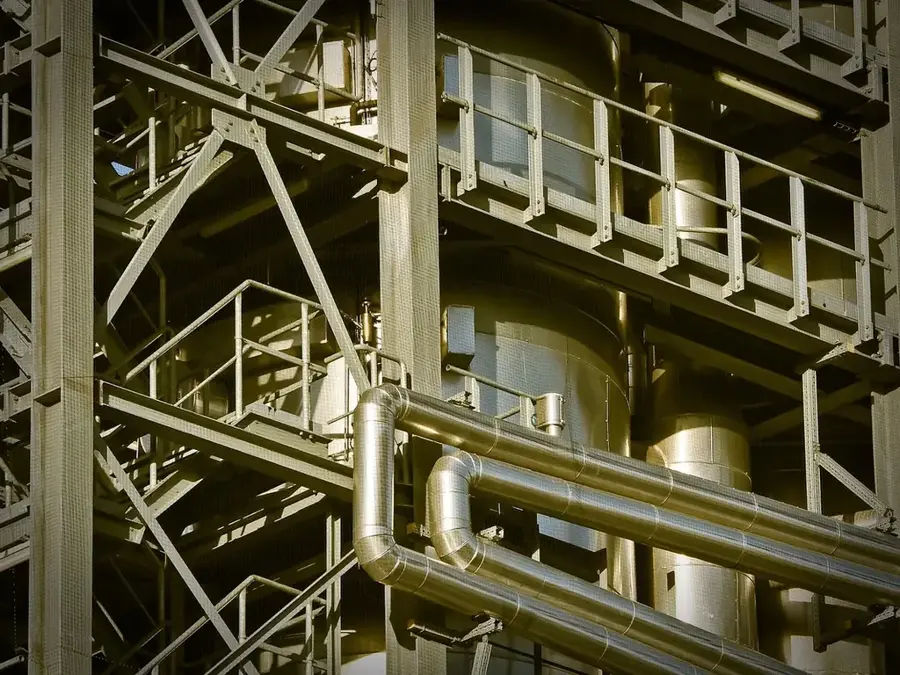
Seda is an extraordinary historical settlement in northern Latvia, serving as a prime example of Soviet-era urban planning and social engineering. Founded in 1952, the town was specifically designed for the workers of the adjacent peat factory, which at the time was one of the largest in the Baltic region. The architecture of Seda is strictly executed in the Stalinist Empire style, characterized by monumental symmetry, grand facades, and decorative classical elements such as columns and friezes. The town layout follows a rigid geometric pattern with wide avenues converging on a central square, giving the settlement a unique, imposing character. Skilled workers from across the Soviet Union were recruited for its construction, creating a multicultural demographic that persists to this day. Beyond residential blocks, buildings such as the Cultural House and the railway station remain perfectly preserved in this distinctive style. The settlement is surrounded by the vast Seda Bog, a nature reserve that has become a haven for migratory birds and nature enthusiasts since the decline of intensive peat extraction. Seda functions as a living open-air museum of 20th-century history, documenting the transition from industrial utopia to a quiet modern Latvian town. Its well-preserved architectural integrity makes it a fascinating destination for those interested in mid-century urban design.
- Location: Latvia
- Nearby: Jaunpiebalga (58 km)
- Population: ~973
Best time to visit & climate
The most pleasant time to visit is Jun–Aug.
| Jan | Feb | Mar | Apr | May | Jun | Jul | Aug | Sep | Oct | Nov | Dec | |
|---|---|---|---|---|---|---|---|---|---|---|---|---|
| Avg °C | -7 | -7 | -2 | 5 | 11 | 15 | 18 | 17 | 12 | 5 | 1 | -4 |
| Rain mm | 50 | 42 | 42 | 46 | 56 | 84 | 78 | 86 | 55 | 71 | 67 | 54 |
Geography
Facts
- Seda was founded in 1952 as a dedicated workers' settlement.
- The town is a prime example of the Stalinist Empire architectural style.
- The Seda peat factory was one of the largest in the entire Baltic region.
- The architecture features strict symmetry and grand colonnades.
- The Seda Bog is now a significant bird protection area.
- Seda was officially granted town status in the year 1991.
Explore nearby
Notable places around

Route planner — Car & Motorhome
Where do you start? We build the route here, with stops and country notes along the way.
© OpenStreetMap contributors · OpenRouteService
Sights in the town Seda Historical Settlement (1)
Frequently asked questions
Why is Seda a special historical settlement?
What are the architectural highlights of Seda?
Can you visit the peat bog in Seda?
How is the atmosphere in the town?
How do you get from Riga to Seda?
Seda Historical Settlement: where is it located?
Seda Historical Settlement: when is the best time to visit?
Seda Historical Settlement: why is it worth visiting?

Nearby cities