Plizio Visual Lab
Alūksne
ℹ️Practical info — Alūksne
▾
🌤 Weather — 5 days
📍 Nearby
Sights nearby
💡 Tips
- The island castle in Lake Alūksne is best visited in the early morning for great photos.
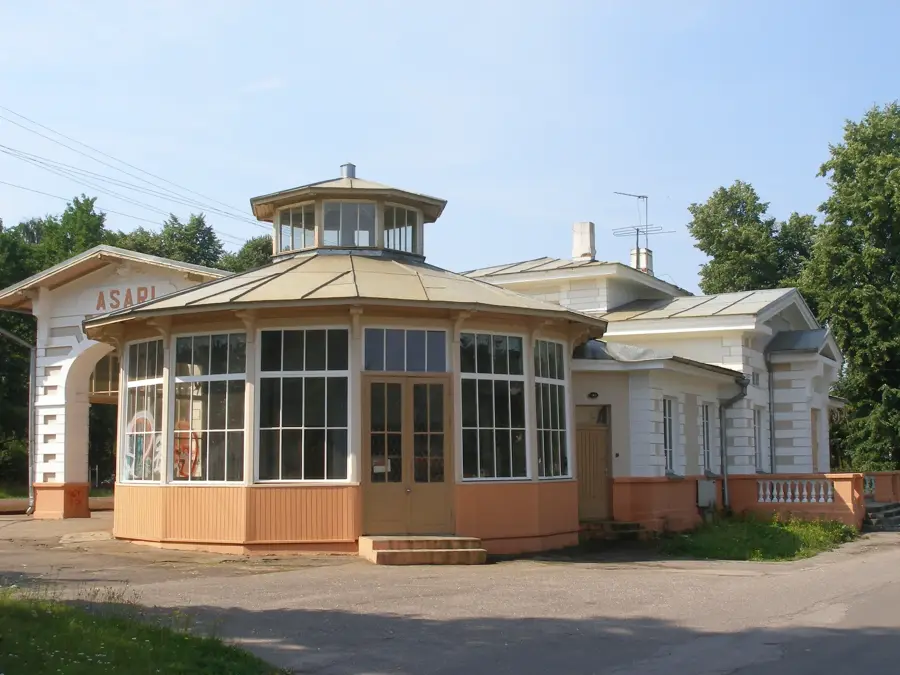
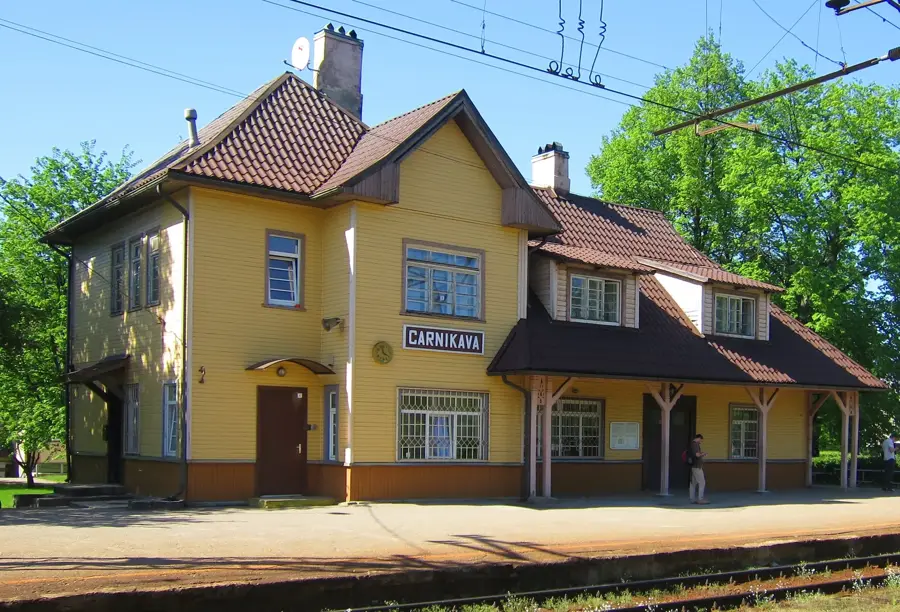
- Take a ride on the Bānītis, the only functioning narrow-gauge railway in the Baltics, to Gulbene.
- Rent a boat or bicycle right on the lakeshore to explore the surroundings.
- Temple Hill gives the best panoramic view over the lake.
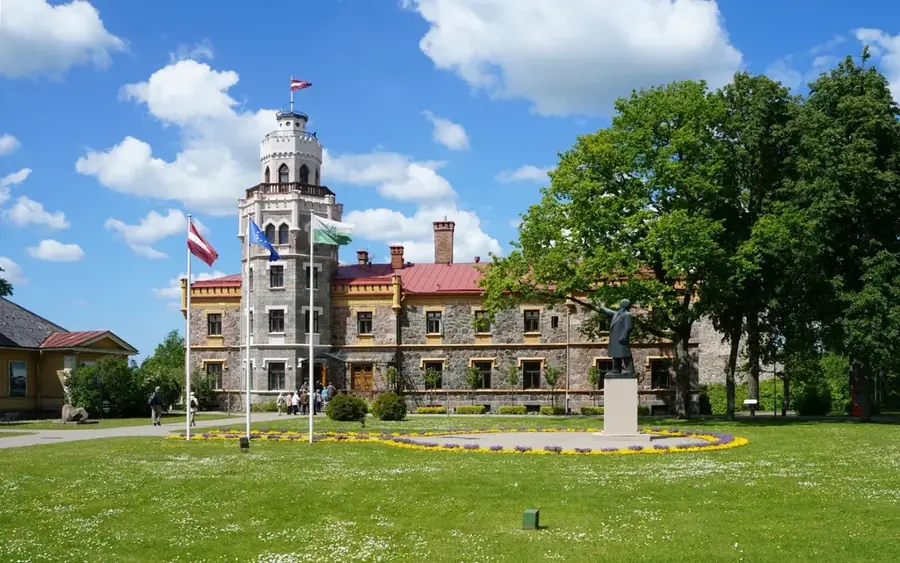
- Visit the museum in the Alūksne New Castle.
🍽 Food
Try this local meat broth with profiteroles in traditional cafes in the town center.
Fried pike-perch from the lake, best served in waterside restaurants.
Traditional cakes and honey cakes in local bakeries near the main street.
🛍 Shopping · 🧘 Quiet spots
Here you will find souvenirs related to the historic railway.
A lakeside market for Baltic amber and traditional linen.
Extensive paths with classical pavilions and small bridges.
The castle island is excellent for leisurely nature walks.
The illuminated promenade of Lake Alūksne is especially magical at sunset.
Water temperature…
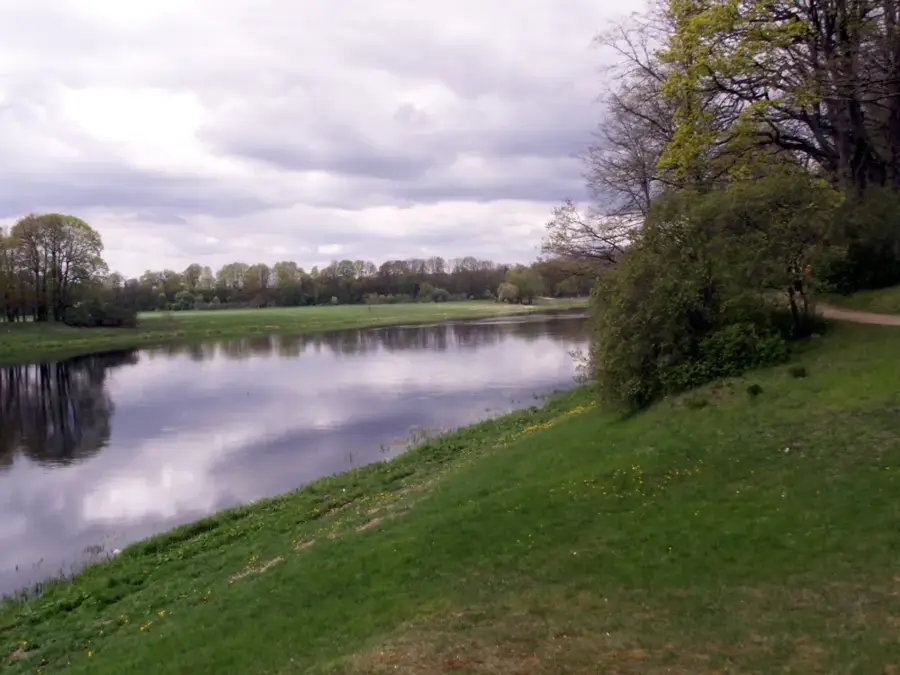
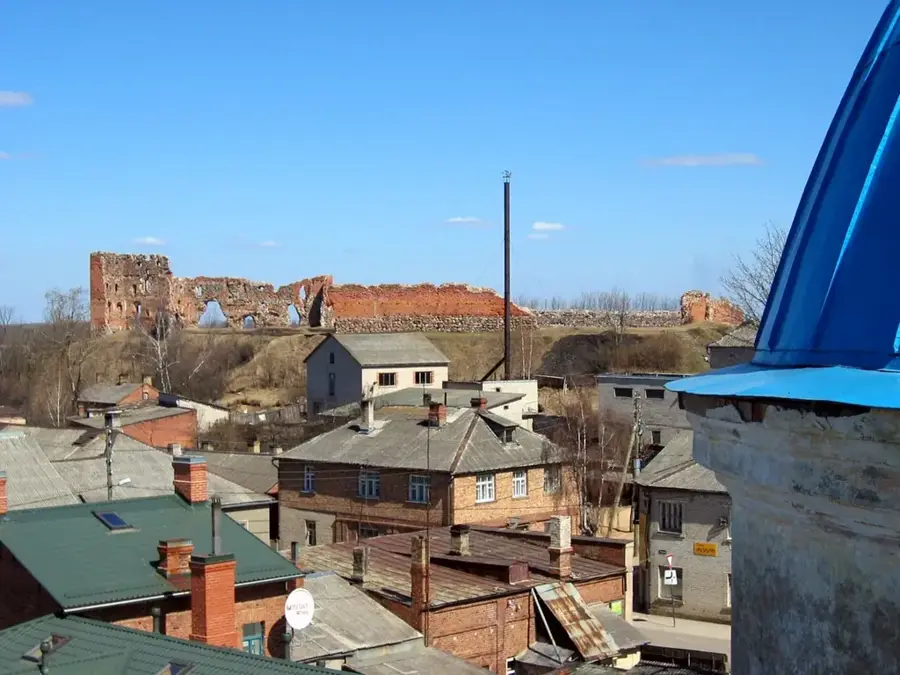
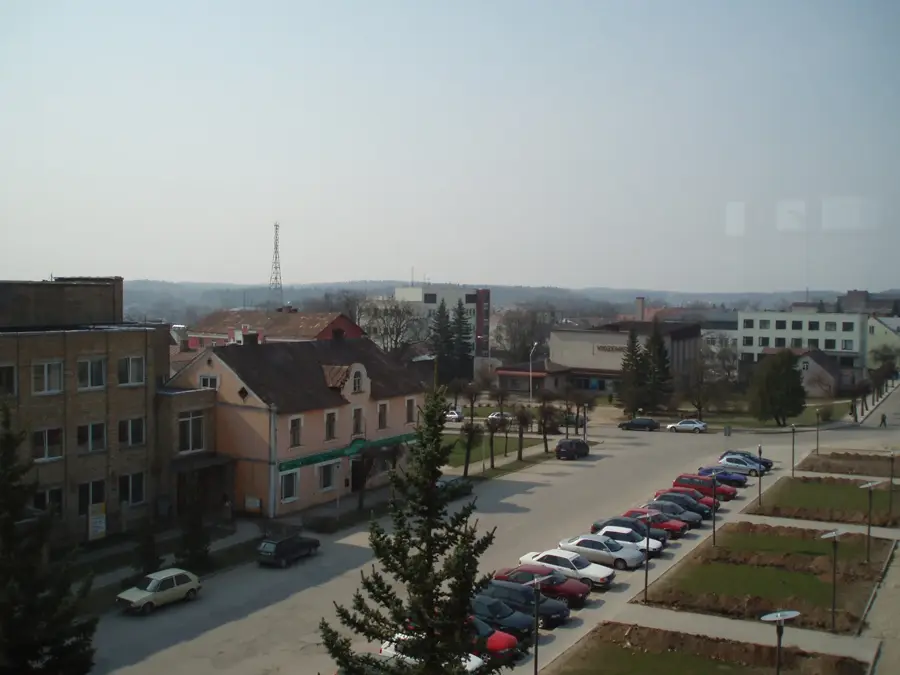
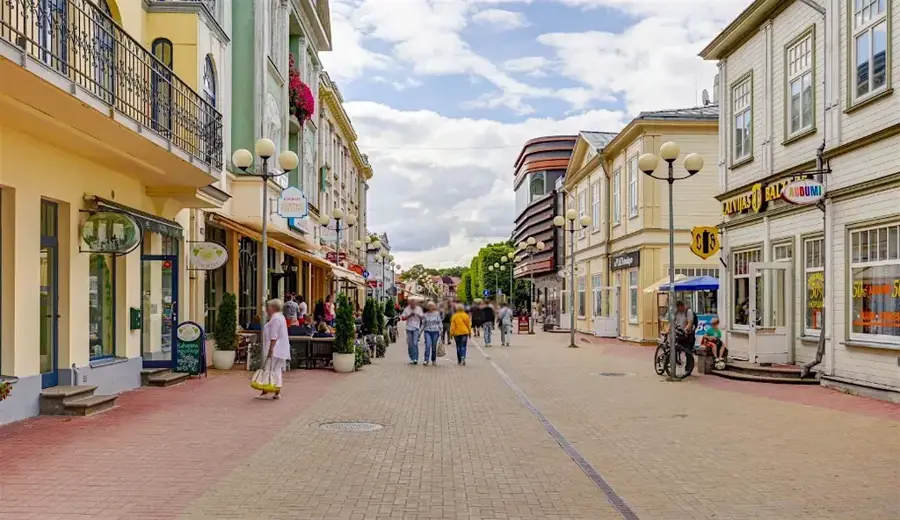
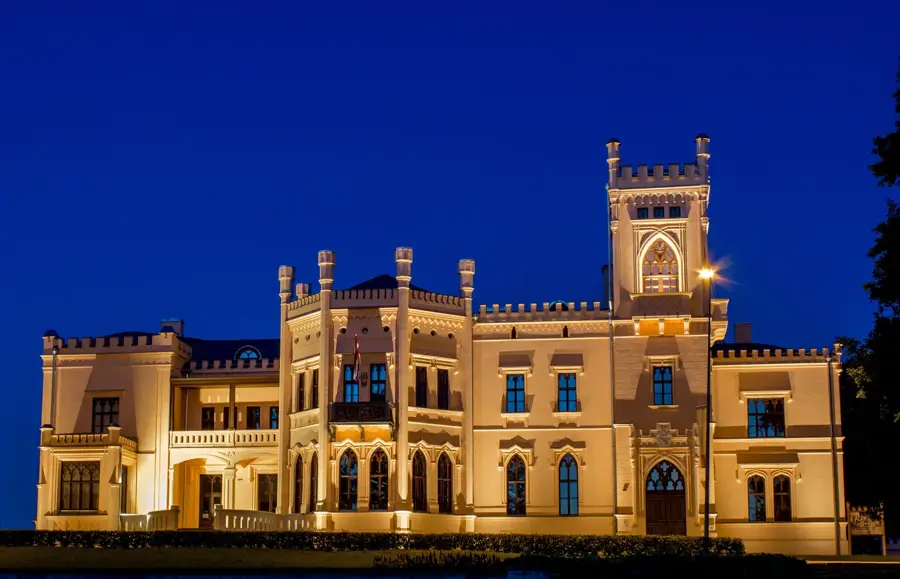
Alūksne is a scenic town in northeastern Latvia, situated on the shores of Lake Alūksne at an elevation of 200 meters, making it one of the country's highest cities. Its history dates back to 1342, when the Livonian Order erected a stone castle on a lake island, the ruins of which remain a central attraction. The town is home to the remarkable New Castle, a 19th-century neo-Gothic residence that now serves as a regional museum. Alūksne is globally unique as a terminus for the Gulbene-Alūksne narrow-gauge railway, the only such railway in the Baltics still providing regular passenger services. Culturally, the town is significant as the site where pastor Ernst Glück completed the first full Latvian translation of the Bible in 1694. The surrounding Alūksne Highlands offer premier opportunities for winter sports and nature hiking. The expansive castle park is dotted with romantic architectural features like the Alexander Pavilion, reflecting the town's historical elegance and charm.
- Location: Latvia
- Top sights: Alūksnes Muzejs · Pilssalas estrāde · Bībeles muzejs
- Nearby: Ape (25 km)
- Population: ~6.188
Best time to visit & climate
The most pleasant time to visit is Jun–Aug.
| Jan | Feb | Mar | Apr | May | Jun | Jul | Aug | Sep | Oct | Nov | Dec | |
|---|---|---|---|---|---|---|---|---|---|---|---|---|
| Avg °C | -7 | -7 | -3 | 5 | 11 | 15 | 18 | 16 | 12 | 5 | 0 | -4 |
| Rain mm | 53 | 44 | 45 | 47 | 63 | 95 | 84 | 91 | 60 | 76 | 71 | 56 |
Geography
Facts
- Alūksne was officially granted town rights in the year 1920.
- Lake Alūksne is one of the highest elevated lakes in Latvia.
- Ernst Glück completed the first Latvian Bible translation here in 1694.
- The Gulbene-Alūksne narrow-gauge railway is 33 kilometers long.
- The 19th-century New Castle was built for the Baron von Fietinghoff.
- The town is a prominent center for winter biathlon competitions in the Baltics.
Explore nearby
Notable places around

Route planner — Car & Motorhome
Where do you start? We build the route here, with stops and country notes along the way.
© OpenStreetMap contributors · OpenRouteService
Sights in the town Alūksne (12)
Frequently asked questions
What is the main attraction in Alūksne?
Can you go boating on Alūksne Lake?
How much time should you plan for a visit?
Is Alūksne suitable for families?
When is the best time to visit?
Alūksne: where is it located?
Alūksne: what is there to see?
Alūksne: when is the best time to visit?
Alūksne: why is it worth visiting?

Nearby cities