Plizio Visual Lab

Monti Sibillini National Park
Plizio editorial teamData Sources
park
—°4
Monti Sibillini National Park (Italy)

Weather…

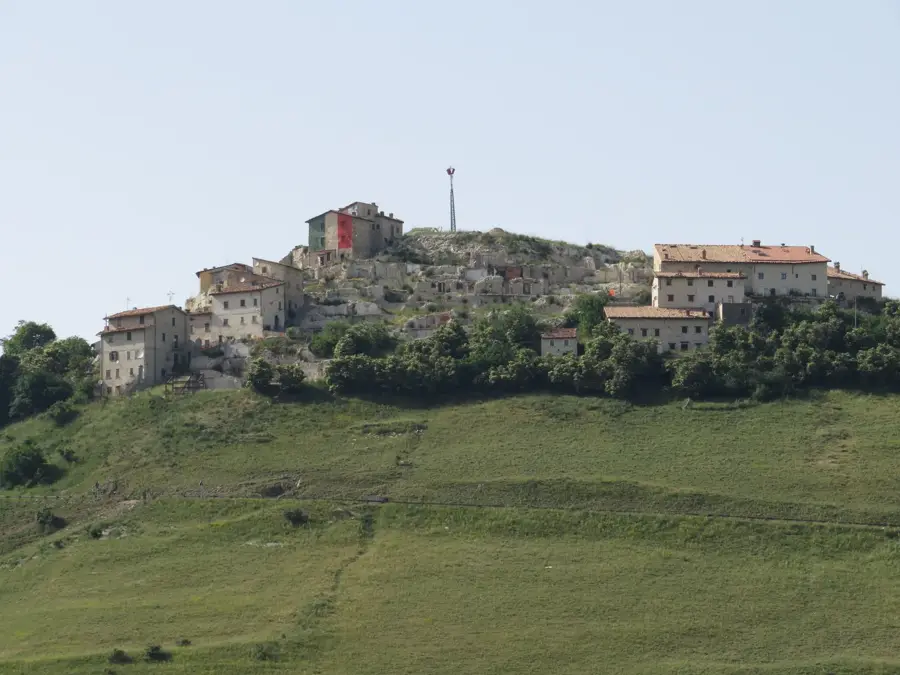
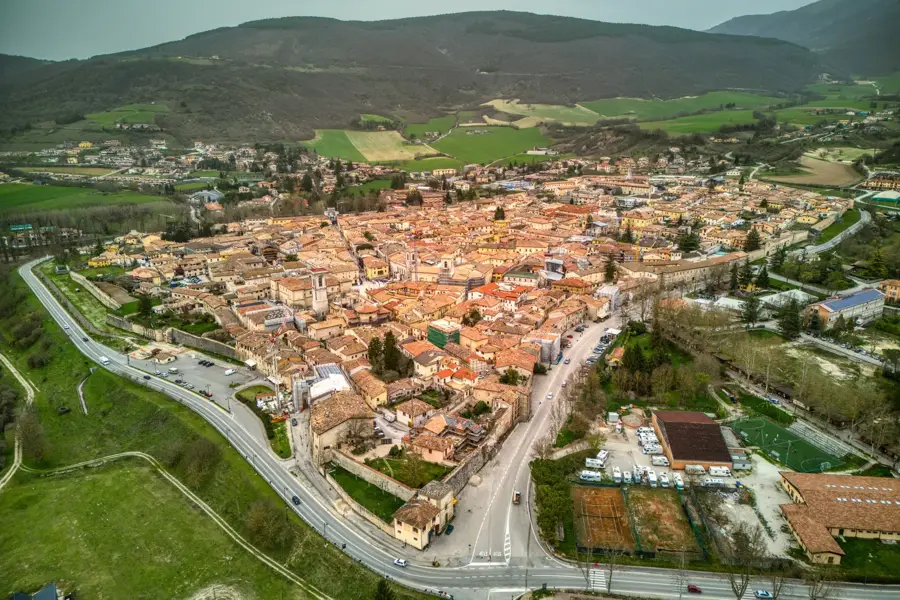
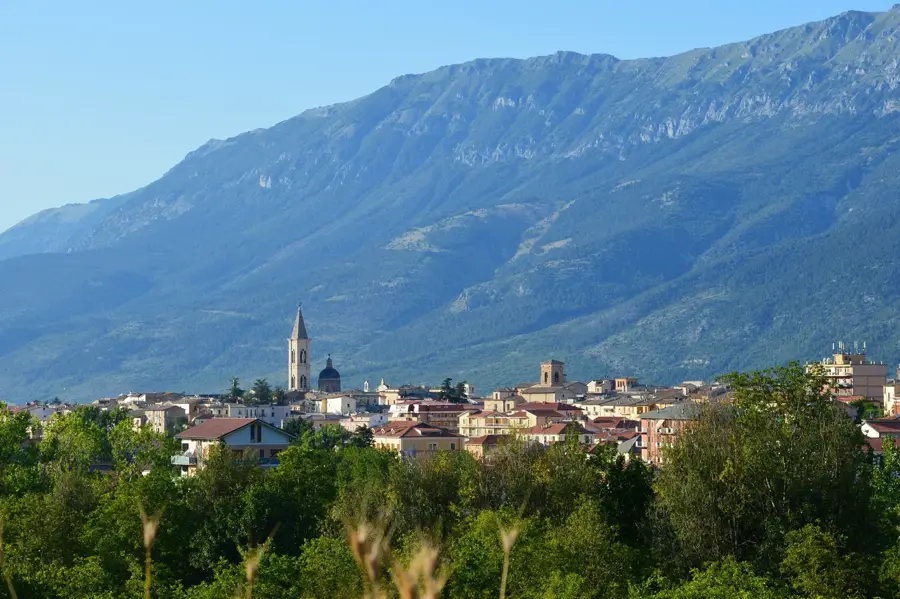
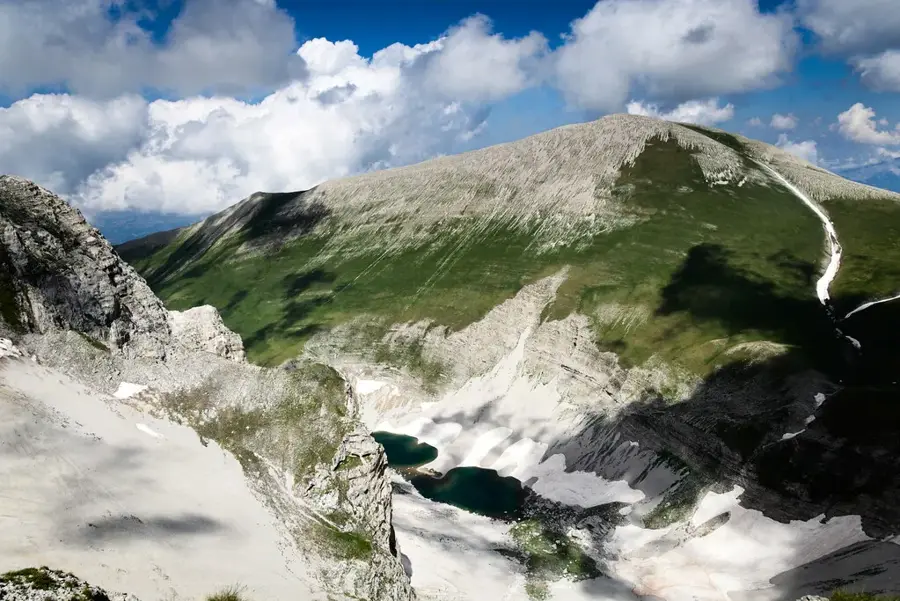
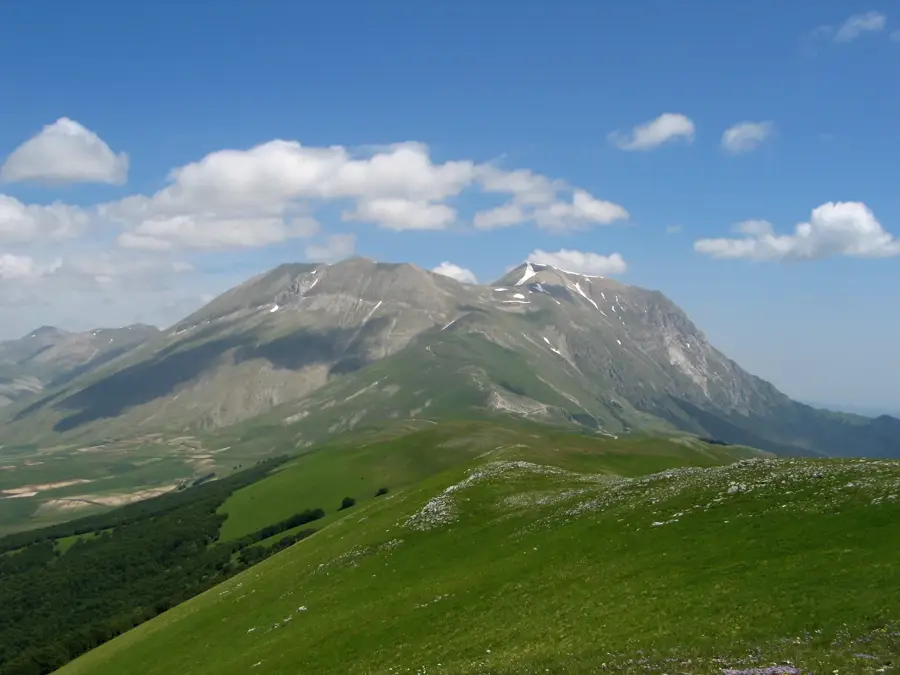
The Monti Sibillini National Park was established in 1993 and covers an area of approximately 70,000 hectares between the Marche and Umbria regions. Part of the Central Apennines, the mountain range features Monte Vettore as its highest point, reaching an elevation of 2,476 meters. The landscape is characterized by dramatic limestone peaks, deep gorges, and vast high-altitude plateaus such as the Piano Grande di Castelluccio, famous for its spectacular floral bloom in early summer. A unique natural feature of the park is Lake Pilato, a glacial lake that hosts a rare endemic species of crustacean. The area is steeped in local folklore, particularly the legends of the Sibyl, a mythical prophetess who gave the mountains their name. In addition to its ecological significance as a habitat for wolves, roe deer, and golden eagles, traditional agriculture remains vital, notably the cultivation of the renowned Castelluccio lentils. The park seamlessly blends wild nature with a rich cultural heritage preserved in medieval towns like Norcia and Visso.

Best time to visit & climate

The most pleasant time to visit is Jun, Aug, Sep.

JanFebMarAprMayJunJulAugSepOctNovDec
Avg °C771013172225252116128
Rain mm697573556043303163647773

📋 Practical info

🧭
Getting there
Visitors typically enter the park via gateway towns like Norcia or Visso, using winding mountain roads that lead into the heart of the Apennines. These routes provide access to the various valleys and impressive high-altitude plateaus throughout the protected area.
📅
Best season
Late spring and early summer, especially June, are well-suited for visiting as the famous flowering season transforms the Castelluccio plateau into a sea of color. Autumn provides stable and mild weather, while winter brings significant snow and cold to the higher elevations.
⛰️
Terrain & paths
The terrain features a mix of vast, rolling high-altitude plateaus and rugged limestone peaks rising above 2,000 meters. Hikers will find a well-marked network of trails ranging from gentle walks to demanding alpine treks on rocky ridges.
🎒
What to bring
Sturdy hiking boots with good traction are essential for safely navigating the rocky paths and uneven ground. A windproof and waterproof jacket, along with plenty of drinking water, should always be carried due to changeable mountain conditions.
🅿️
Parking
Designated parking areas are available in main villages like Castelluccio, Norcia, or Visso, serving as starting points for excursions. During the peak summer flowering season, car access may be restricted, and shuttle buses often operate from nearby towns.
⚠️
Safety
Sudden weather changes and fog are possible in the high mountains, making careful planning and checking weather reports essential. Be mindful of livestock guardian dogs protecting herds along the trails and always maintain a respectful distance from them.
⏱️
Time needed
A single day trip is enough to see the central plateaus, but at least one full day should be planned for a summit ascent. Many visitors spend several days in the park to explore the region through multi-day treks from mountain hut to mountain hut.

Geography

Coordinates
42.83300, 13.25000

Facts

  • Established in 1993 to protect the Central Apennine range.
  • Covers a total land area of approximately 70,000 hectares.
  • The highest elevation is Monte Vettore at 2,476 meters.
  • Home to Lake Pilato, the only glacial lake in the region.
  • Hosts the Chirocephalus marchesonii, an endemic crustacean.
  • The Piano Grande is world-famous for its annual wildflower bloom.

Explore nearby

Notable places around
Route planner — Car & Motorhome

Where do you start? We build the route here, with stops and country notes along the way.

Vehicle
Only stops with (optional):

© OpenStreetMap contributors · OpenRouteService

Sights in the town Monti Sibillini National Park (4)

Monte Argentella📍 landmark

A prominent mountain peak located in the Monti Sibillini National Park.

Cima del Redentore📍 landmark

One of the highest peaks in the Monti Sibillini National Park, reaching 2,448 meters.

Cima del Lago📍 landmark

A mountain peak in the Monti Sibillini, overlooking the Pilato Lake.

Santa Maria🏺 historical

The ruins of a historical structure located within the Monti Sibillini National Park.

Sights nearby

Frequently asked questions

What is Castelluccio di Norcia famous for?
For the 'Fioritura', the spectacular flowering of the high plains between May and July.
Are there legends about the park?
Yes, the legend of the Sibyl, a prophetess said to have lived in a cave on Monte Sibilla.
Where is Pilato Lake located?
A glacial lake high in the Mount Vettore massif, known for a rare species of red crustacean.
Is hiking in the park safe after the earthquake?
Most trails are open again, but some mountain huts and villages are still being rebuilt.
What outdoor sports are popular?
Hiking, mountain biking, and paragliding (especially in Castelluccio).
Monti Sibillini National Park: where is it located?
Monti Sibillini National Park is located in Italy.
Monti Sibillini National Park: what is there to see?
Highlights include Monte Argentella, Cima del Redentore, Cima del Lago.
Monti Sibillini National Park: when is the best time to visit?
The most pleasant time to visit is Jun, Aug, Sep.
Monti Sibillini National Park: why is it worth visiting?

The Monti Sibillini National Park was established in 1993 and covers an area of approximately 70,000 hectares between the Marche and Umbria regions.
View on map → The Top 50 Attractions → Most beautiful beaches → OpenStreetMap →
Europe
Explore with Plizio Discover more places in Europe
More places in Italy →

Nearby cities

History & landmarks
More places