Feast of Saint Mark (Festa di San Marco)
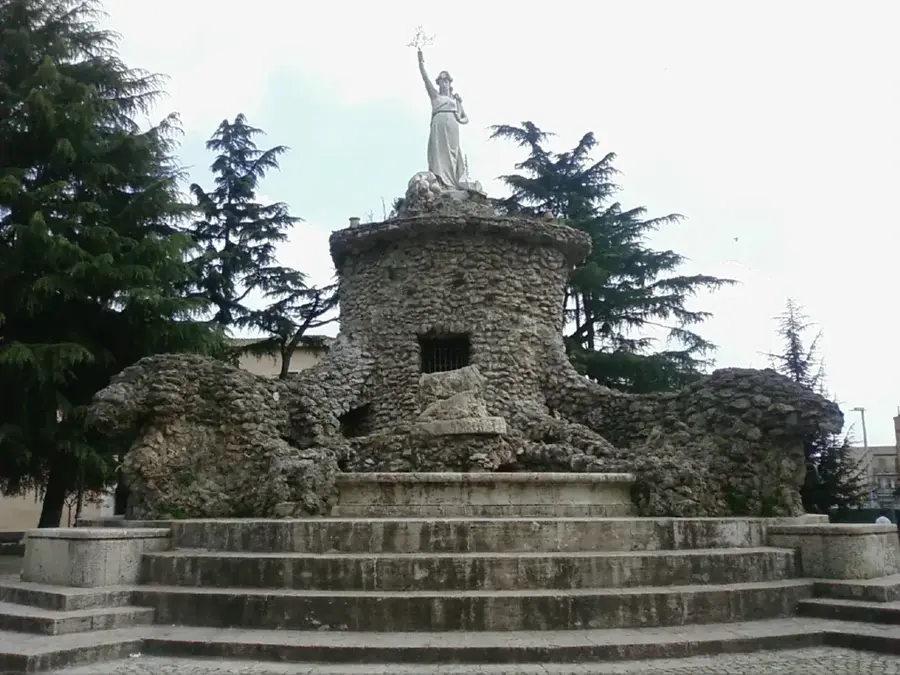
The patronal feast of Latina in honour of Saint Mark the Evangelist, held every year on 25 April. With solemn masses led by the bishop, a procession and a choral concert, the city celebrates its patron saint.
Plizio Visual Lab
The Pontine plain is famous for buffalo farming; buy incredibly fresh mozzarella from a local caseificio (dairy) just outside town.
Try a salad of crisp puntarelle with anchovy dressing in a traditional osteria, showcasing the region's rich agricultural yield.
Head towards Latina Lido or nearby Sabaudia for restaurants serving freshly caught fish and spaghetti alle vongole right by the sea.
Seek out the weekly markets in the surrounding neighborhoods to buy direct from the Pontine agricultural producers.
Walk this wide, rationalist avenue in the center for a variety of clothing boutiques and Italian retail chains.
Drive a few minutes outside the city to this serene coastal lake; it's well-suited for bird watching and tranquil walks.
A central public park excellent for a quiet read or a relaxing break amidst the geometric city layout.
Water temperature…
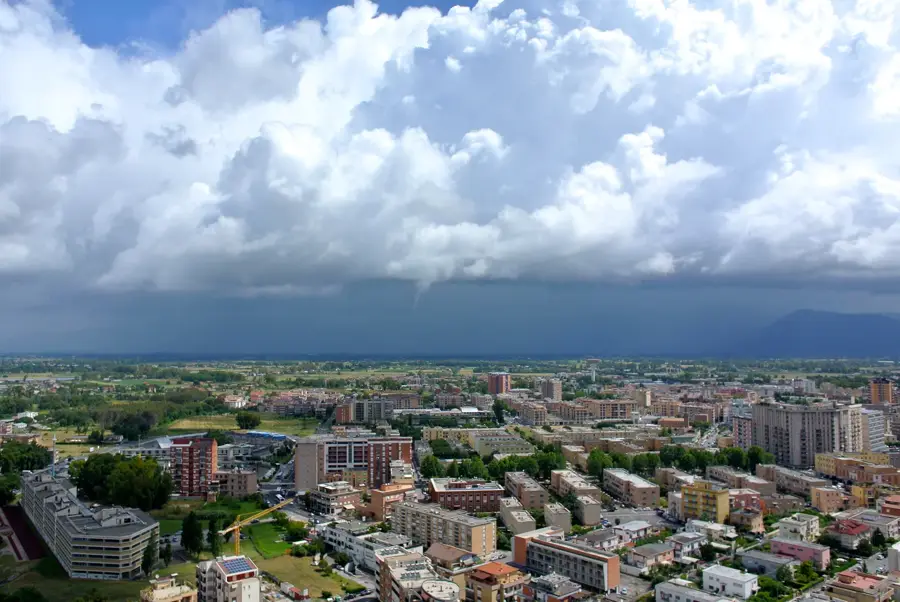
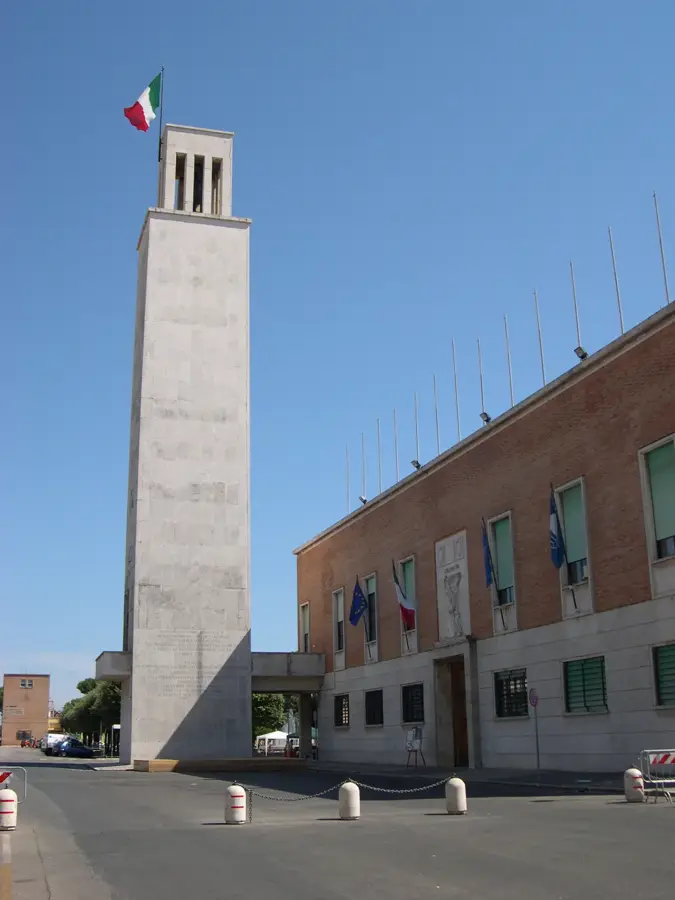
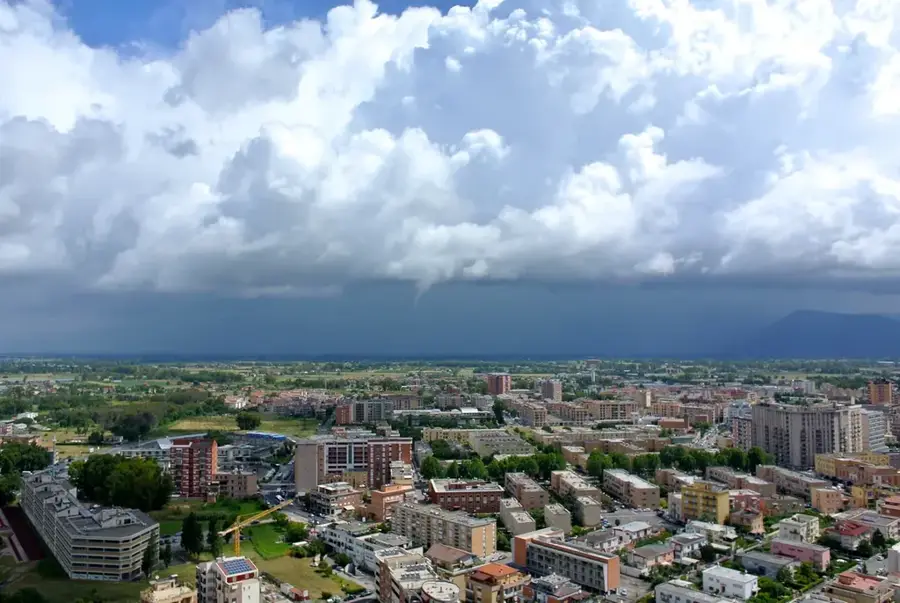
Latina was founded on June 30, 1932, under the name Littoria as the first of several planned cities built on the reclaimed land of the Pontine Marshes. The urban planning followed rationalist architectural principles, which remain evident in the city's geometric layout and the design of public buildings such as the Palazzo Comunale and the central Piazza del Popolo. During the 1930s, the transformation of the Agro Pontino from a malarial swamp into a productive agricultural region attracted thousands of settlers primarily from northern Italy. Following World War II, the city was renamed Latina in 1946 and experienced rapid industrial expansion and population growth, eventually becoming the second largest city in the Lazio region. Today, Latina serves as a vital administrative and industrial hub, particularly noted for its significant pharmaceutical and chemical sectors. The city is situated approximately 70 kilometers south of Rome and benefits from its proximity to both the Tyrrhenian Sea and the Circeo National Park.
The most pleasant time to visit is Jun, Jul, Sep.
| Jan | Feb | Mar | Apr | May | Jun | Jul | Aug | Sep | Oct | Nov | Dec | |
|---|---|---|---|---|---|---|---|---|---|---|---|---|
| Avg °C | 7 | 8 | 10 | 14 | 18 | 23 | 26 | 26 | 21 | 17 | 13 | 8 |
| Rain mm | 87 | 76 | 72 | 56 | 51 | 34 | 24 | 23 | 67 | 82 | 120 | 95 |
See what it looks like near Latina right now.
Latina: Lido di Latina · 7.4 km · Open webcam on Windy · Webcams provided by Windy.com
Notable places around
Where do you start? We build the route here, with stops and country notes along the way.
© OpenStreetMap contributors · OpenRouteService
Latina is a fascinating planned city, founded in 1932 as Littoria. This route takes you through the heart of Rationalist architecture. In the morning, explore Piazza del Popolo and the monumental government buildings. At midday, visit the cathedral and the Cambellotti Museum to understand the history of the marsh reclamation. The afternoon ends with a relaxing break in the city park.
By bike, you can explore Latina efficiently while enjoying the city's wide avenues. This route connects the architectural highlights in the center with a relaxed ride to the city park. Discover the geometric rigor of the 1930s and enjoy the city's flat topography, which is ideal for cyclists.
By car, you can combine Latina's urban center with the untouched nature of the surroundings. After viewing the Rationalist architecture in the morning, drive to Lago di Fogliano. This coastal lake is part of the Circeo National Park and offers a peaceful atmosphere, ideal for ending the day in nature.