Ascoli Piceno Music Festival
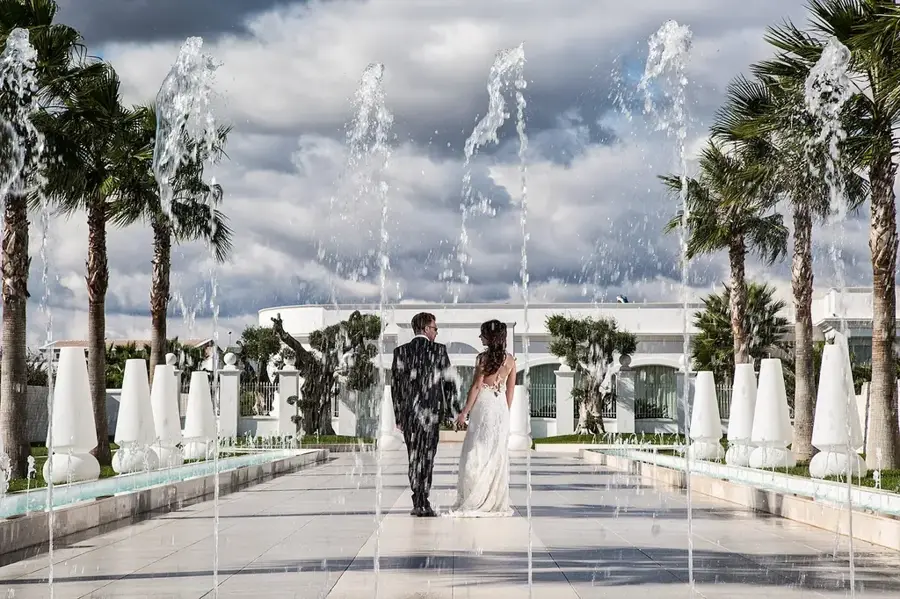
An international classical music festival bringing renowned soloists and ensembles to the elegant venues of the city.
PlizioGo
You can find these famous fried, meat-stuffed olives in almost any traditional eatery or as street food downtown.
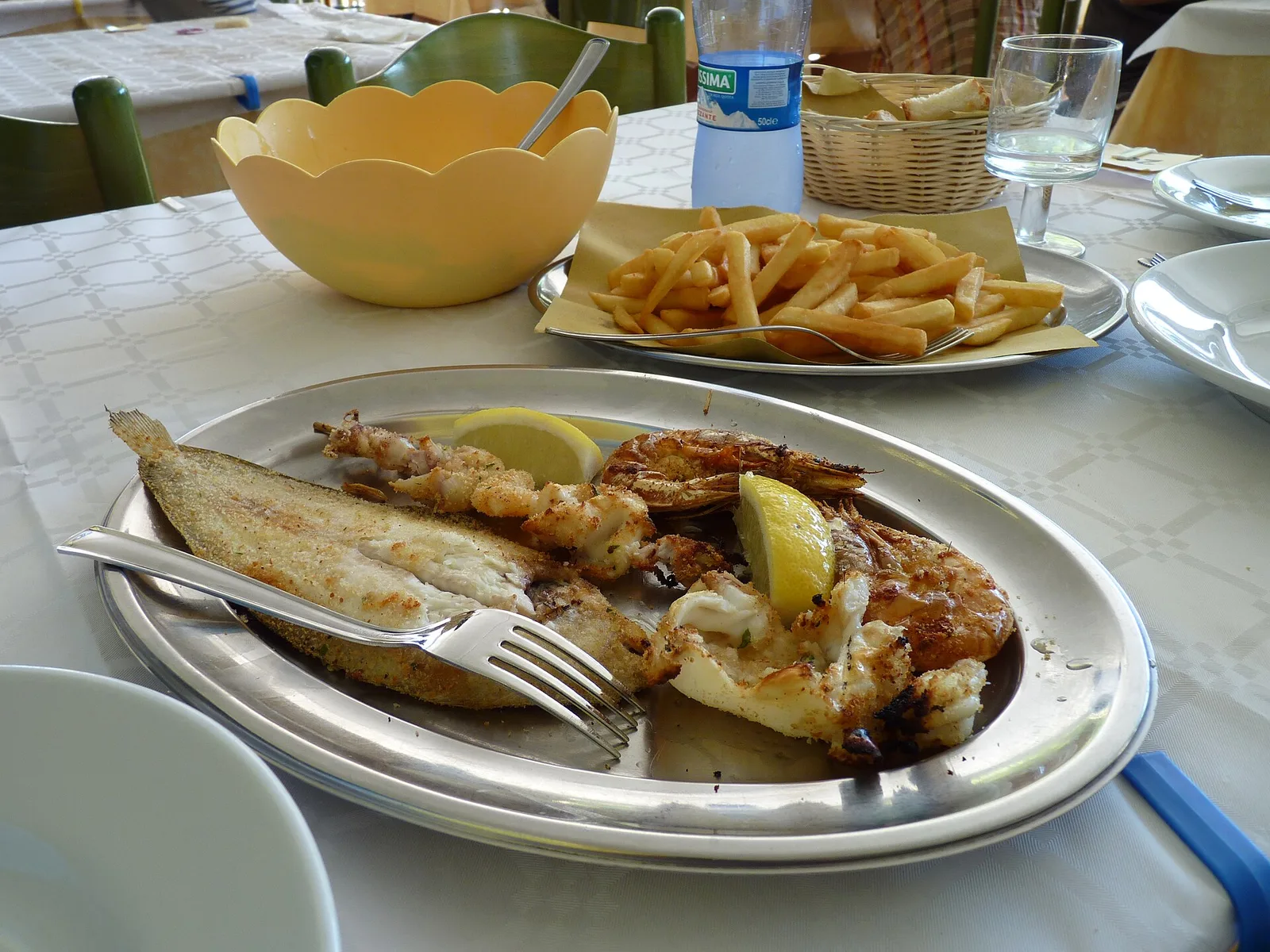
A mixed fried platter featuring olives, meats, and vegetables, often served in trattorias near Piazza della Arringo.
A rich, local variant of lasagna available in traditional restaurants throughout the historic center.
Around the old town, you can find small workshops selling traditional hand-painted ceramics.
Purchase the famous anise liqueur directly at Caffè Meletti or in local delicatessens.
A tranquil park at the highest point of the city offering sweeping views over the rooftops.
Along the river, you will find quiet walking paths away from the bustling main squares.
Water temperature…
An international classical music festival bringing renowned soloists and ensembles to the elegant venues of the city.
The celebration of the city's patron saint with religious ceremonies, concerts, and a grand fireworks display over the historic center.
The main edition of the traditional medieval joust, featuring a grand parade with over 1,500 people in authentic 15th-century costumes.
A spectacular medieval historical reenactment and equestrian jousting tournament held at night in honor of the Madonna della Pace.
A major gastronomic event celebrating all kinds of fried food from different Italian regions, including the famous Ascolana olives.
A deeply rooted local tradition where citizens take to the streets in elaborate, satirical costumes to interact with the public.
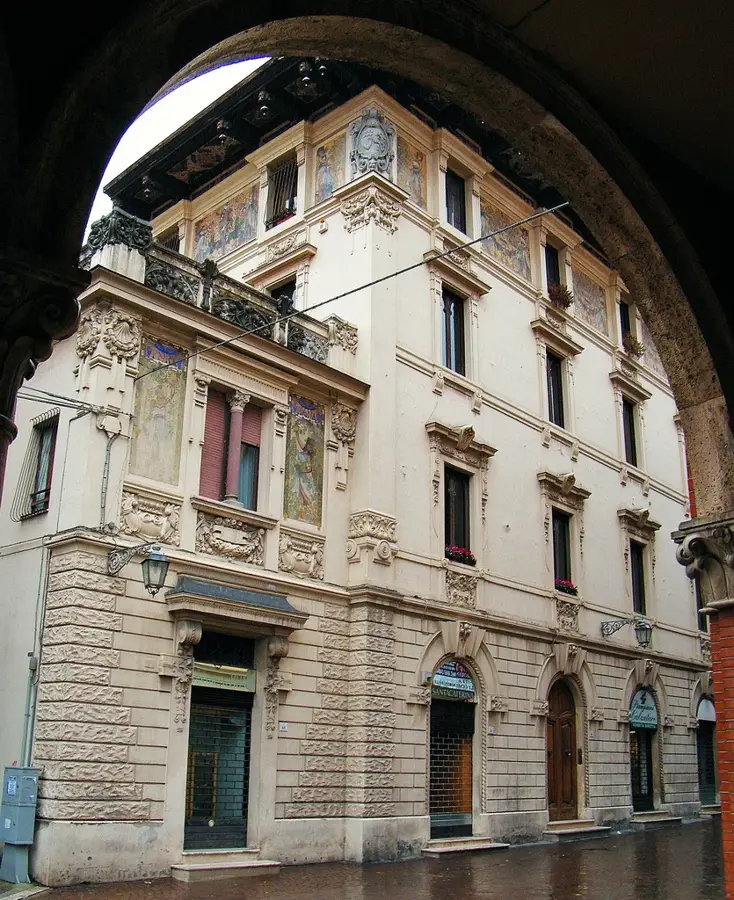
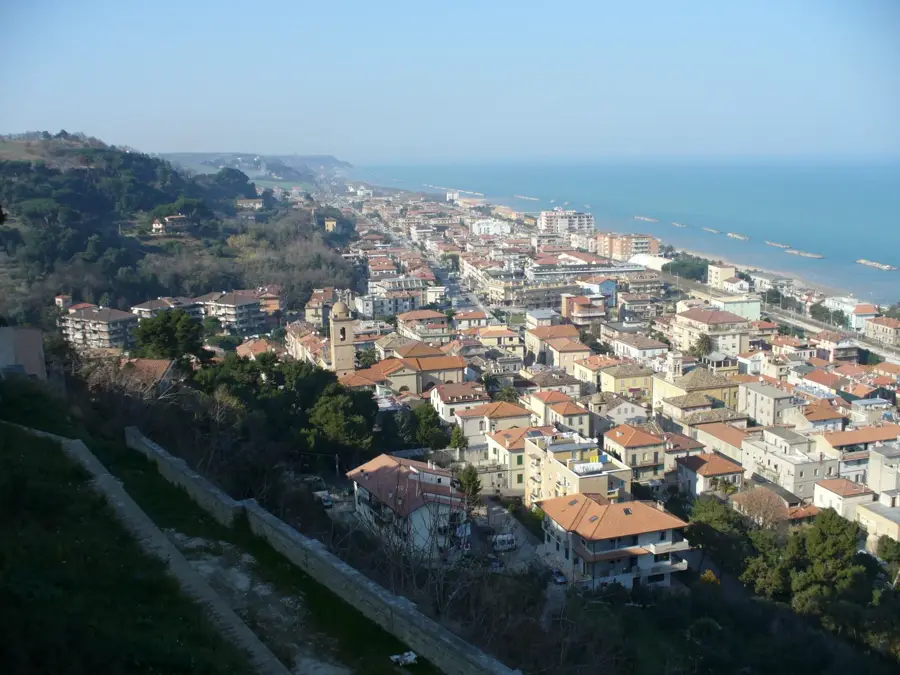
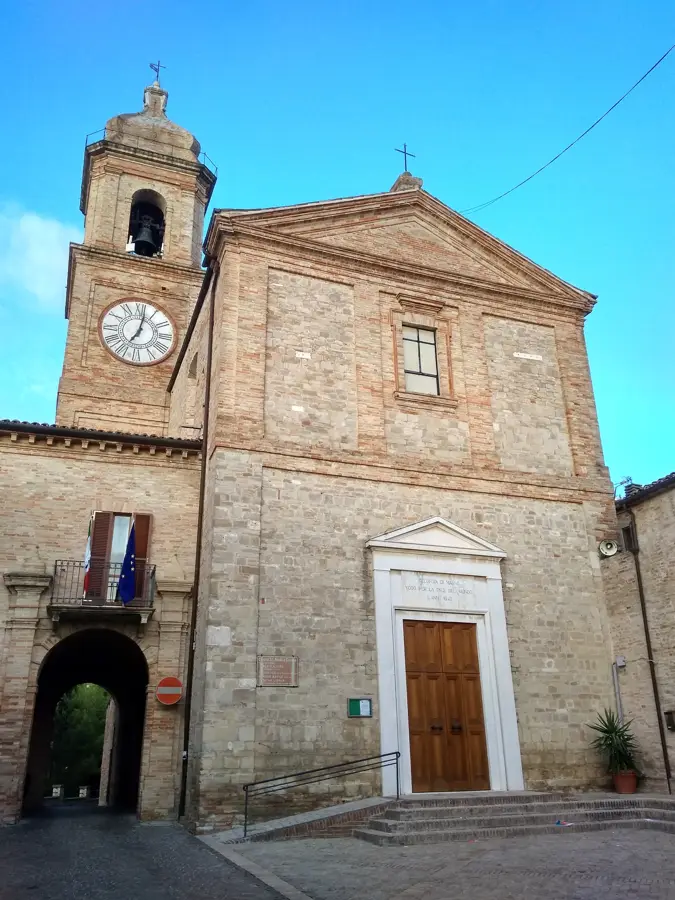
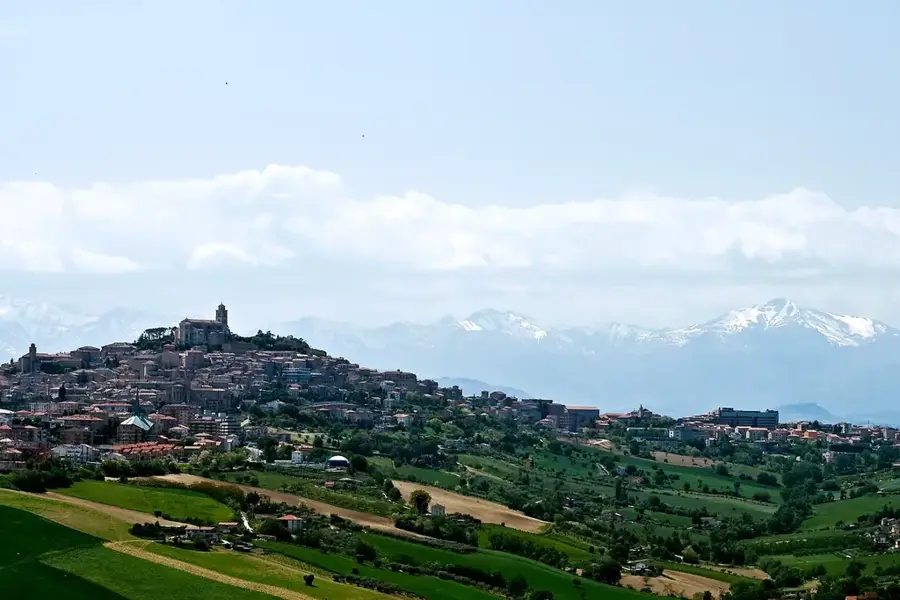
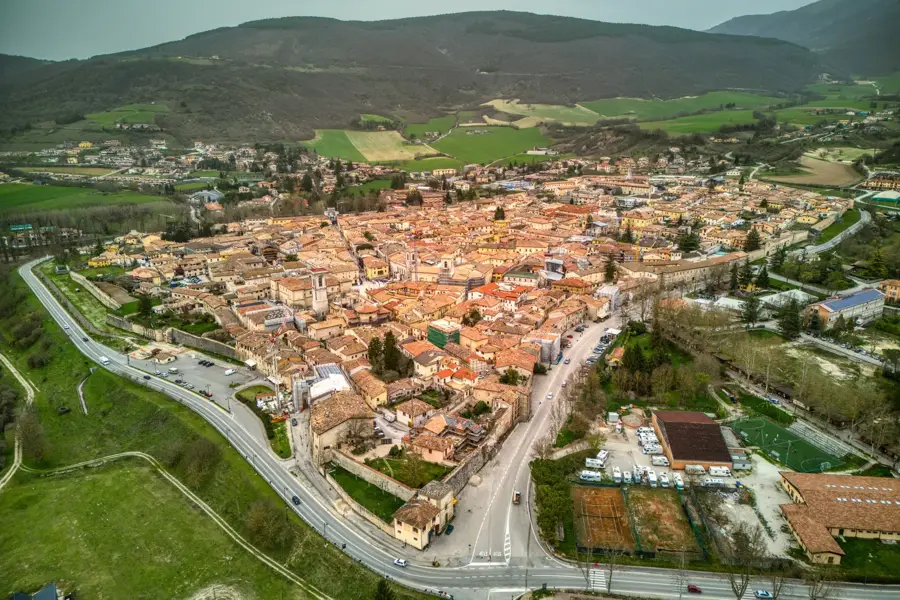
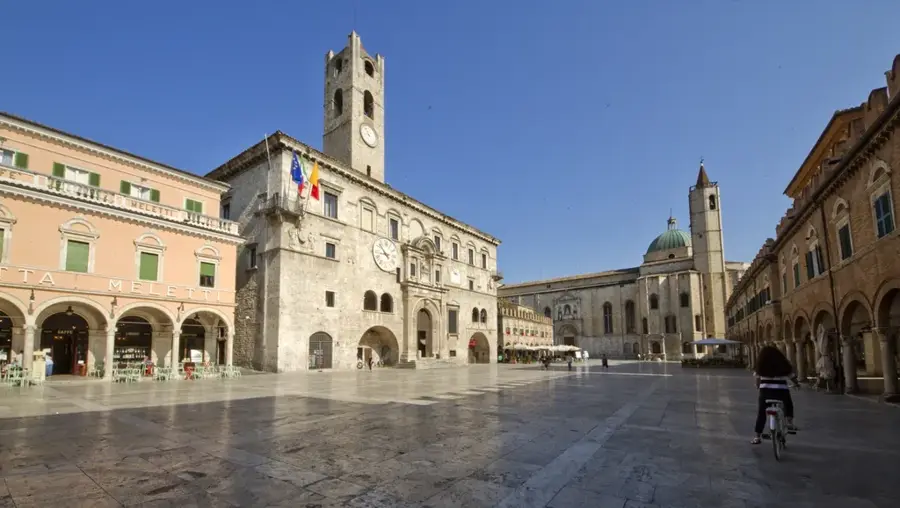
Ascoli Piceno, located in the southern part of the Marche region, is almost entirely built of travertine, giving the city a bright and elegant glow. Its heart is the Piazza del Popolo, frequently cited as one of the most beautiful squares in Italy, framed by the Palazzo dei Capitani del Popolo and the Church of San Francesco. The city predates Rome, founded by the Picentes people, and later became a vital colony on the Via Salaria salt road. Gastronomically, it is world-famous for 'Olive all'ascolana', green olives stuffed with meat and deep-fried. Every August, the city hosts the Quintana, a historical jousting tournament that brings medieval traditions back to life with spirited parades and competitions.
The most pleasant time to visit is Jun, Aug, Sep.
| Jan | Feb | Mar | Apr | May | Jun | Jul | Aug | Sep | Oct | Nov | Dec | |
|---|---|---|---|---|---|---|---|---|---|---|---|---|
| Avg °C | 7 | 7 | 10 | 13 | 17 | 22 | 25 | 25 | 21 | 16 | 12 | 8 |
| Rain mm | 69 | 75 | 73 | 55 | 60 | 43 | 30 | 31 | 63 | 64 | 77 | 73 |
See what it looks like near Ascoli Piceno right now.
Ascoli Piceno: Piazza Arringo · 0.2 km · Open webcam on Windy · Webcams provided by Windy.com
Notable places around
Where do you start? We build the route here, with stops and country notes along the way.
© OpenStreetMap contributors · OpenRouteService
Start your day in Piazza del Popolo, widely considered one of Italy's most beautiful squares, built entirely from travertine. A coffee at the historic Caffè Meletti is a must. At midday, explore the Palazzo dei Capitani and the Gothic San Francesco church before strolling to Piazza Arringo. In the afternoon, visit the Cathedral of Sant'Emidio and the Baptistery, home to precious works of art. End your day at the monumental Forte Malatesta and the legendary Ponte di Cecco bridge, enjoying the city's historic atmosphere.
Start your day under the protective loggias of Piazza del Popolo. At noon, find shelter within the historic Palazzo dei Capitani. Spend the afternoon exploring the dry, art-filled interiors of the Cathedral and Baptistery. End the evening at Forte Malatesta, where the rain adds a reflective polish to the ancient travertine stone.
Enjoy the crisp winter air in Piazza del Popolo this morning. At noon, warm up within the grand halls of Palazzo dei Capitani. Spend the afternoon finding spiritual warmth inside the Cathedral and Baptistery. By sunset, Forte Malatesta offers dramatic views of the snowy Apennines in the fading light.
Italian primary; Marchigiano dialect locally. English acceptable in bars around Piazza del Popolo.