Plizio Visual Lab

Etna Regional Park
Plizio editorial teamData Sources
park
—°1
Etna Regional Park (Italy)

Weather…

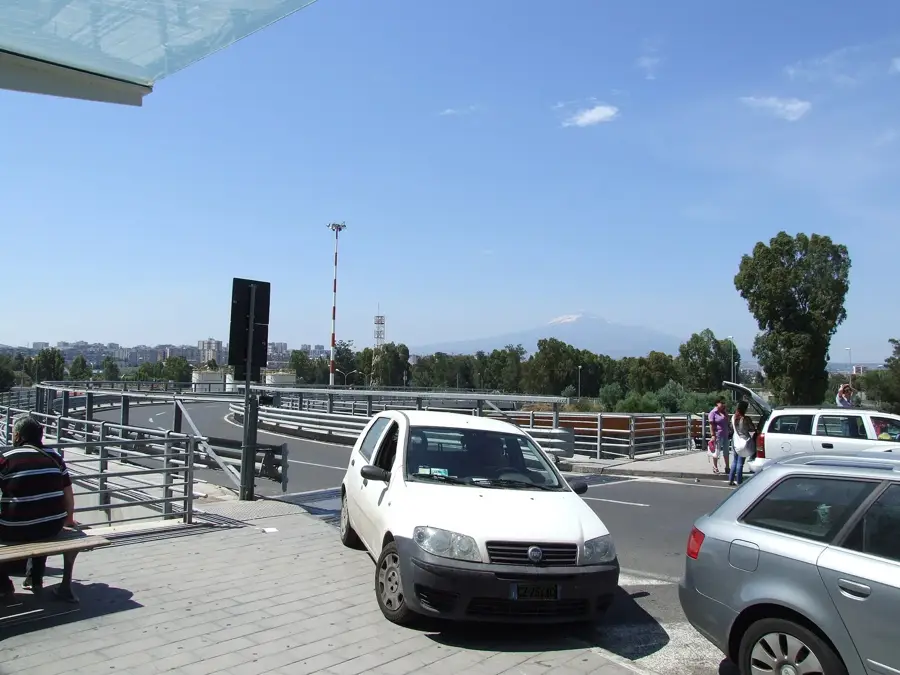
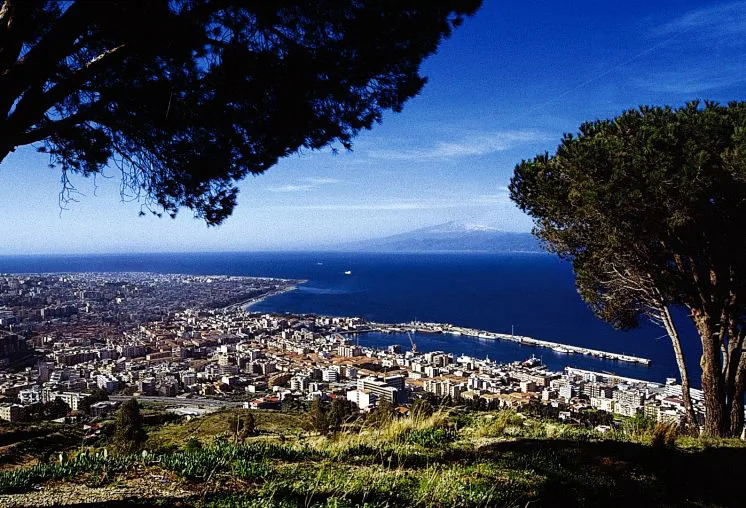
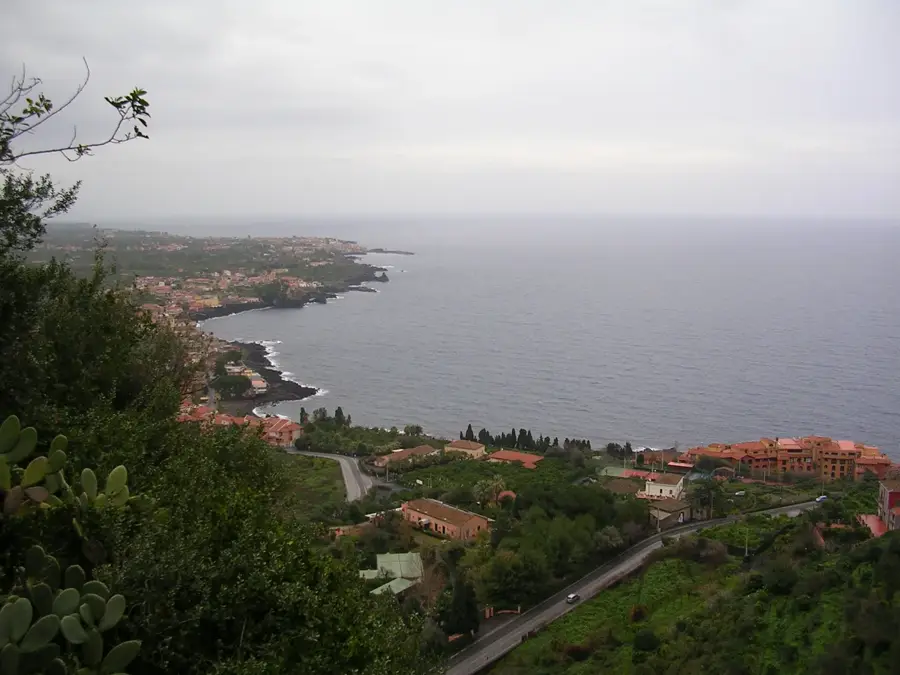
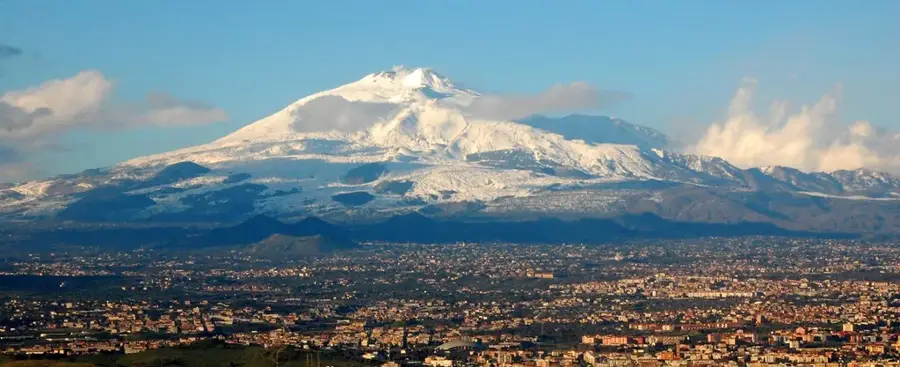
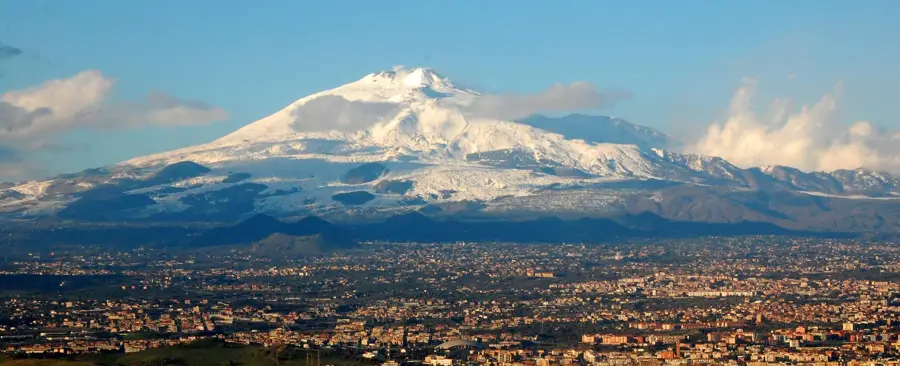
The Etna Regional Park in Sicily was established in 1987 and encircles Mount Etna, the highest active volcano in Europe. The protected area covers approximately 59,000 hectares and preserves a globally unique volcanic landscape, which has been a UNESCO World Heritage site since 2013. The park's vegetation is defined by altitudinal zones and the composition of lava flows, ranging from fertile vineyards and orchards at the base to dense forests of Etna birch, beech, and pine higher up. In the highest reaches, a volcanic desert prevails, inhabited only by specialized pioneer plants like the Etna broom. Wildlife includes wildcats, foxes, and golden eagles that nest in the remote crater walls. Geologically, the park features spectacular insights into volcanic phenomena such as lava tubes, ash cones, and the massive Valle del Bove depression. Today, the park is not only a natural wonder but also a vital economic hub, famous for the production of high-quality DOC wines and pistachios grown on its mineral-rich volcanic soil.

Best time to visit & climate

The most pleasant time to visit is May, Jun, Sep.

JanFebMarAprMayJunJulAugSepOctNovDec
Avg °C9911131722252622181411
Rain mm766860442119101660768988

📋 Practical info

🧭
Getting there
Etna Park is best reached from Catania via the southern side (Rifugio Sapienza) or from Linguaglossa via the northern side (Piano Provenzana). Well-maintained roads lead high into the lava fields, where cable cars or 4x4 vehicles facilitate further ascent toward the craters.
📅
Best season
Hiking is generally possible from May to October when the higher elevations are mostly snow-free; in winter, the volcano becomes a skiing destination. As Etna is an active volcano, access and activities can be restricted at any time depending on current volcanic activity levels.
⛰️
Terrain & paths
The landscape is characterized by bizarre lava formations, vast ash fields, and numerous side craters in an almost otherworldly environment. The ground often consists of loose volcanic gravel or jagged rock fragments, making walking quite strenuous, especially in the higher regions.
🎒
What to bring
Sturdy, high-cut hiking boots are absolutely necessary due to the sharp-edged lava rock and loose ash. Even in summer, warm and windproof clothing is important, as temperatures at over 2,000 meters can be drastically lower than those in the coastal regions.
🅿️
Parking
Large, paid parking lots are located at Rifugio Sapienza on the south side and Piano Provenzana on the north side. It is recommended not to leave valuables in your car, as these parking areas are highly frequented tourist hubs and busy starting points.
⚠️
Safety
Entering the summit craters is often only permitted with authorized mountain guides and depends on the current volcanic hazard level. Do not underestimate the altitude or the risk of sudden weather changes, which can make navigation in the ash desert impossible during fog.
⏱️
Time needed
A visit to the lower craters takes about 2-3 hours, while a guided tour to the summit area can require 5-7 hours. Many visitors combine their excursion with a cable car ride to enjoy the fascinating views of Sicily in a shorter amount of time.

Geography

Coordinates
37.75000, 15.00000

Facts

  • The park was officially established on March 17, 1987.
  • Mount Etna was designated a UNESCO World Heritage site in 2013.
  • The volcano stands at approximately 3,350 meters above sea level.
  • There are more than 200 lava tubes (caves) identified within the park.
  • The world-famous Bronte pistachios are grown on the park's western slopes.
  • Valle del Bove is a massive caldera-like depression 7 kilometers wide.

Explore nearby

Notable places around
Route planner — Car & Motorhome

Where do you start? We build the route here, with stops and country notes along the way.

Vehicle
Only stops with (optional):

© OpenStreetMap contributors · OpenRouteService

Sights in the town Etna Regional Park (1)

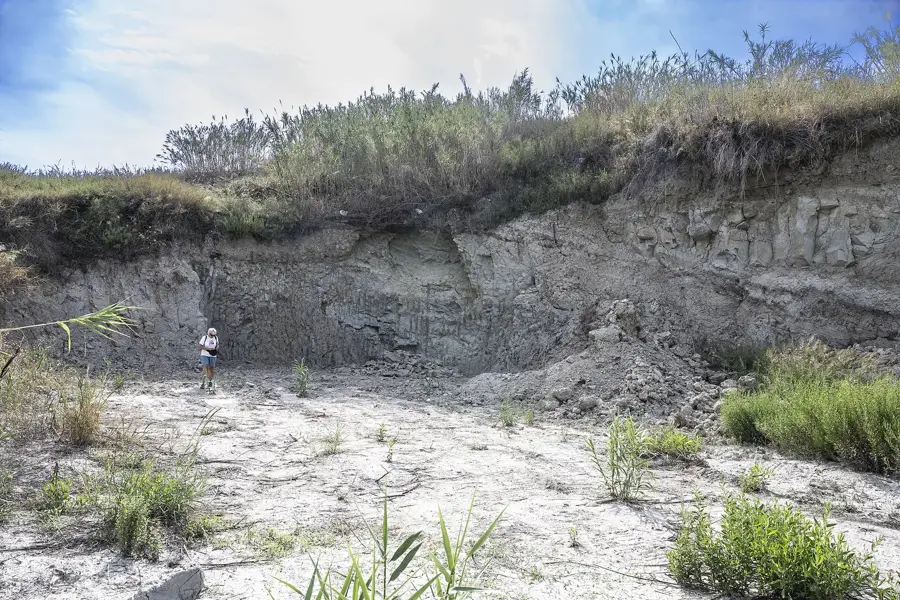
Lava stream 2019📍 landmark

Site of a lava stream from the 2019 eruption of Mount Etna.

Sights nearby

Frequently asked questions

Can I climb Etna on my own?
Only up to a certain altitude (approx. 2,900m); for the summit craters, a mountain guide is required by law.
How do I reach the higher levels of the volcano?
From Rifugio Sapienza, a cable car and 4x4 buses take visitors up to about 2,900 meters.
What should I wear?
Layered clothing: even in summer, it is windy and cold at the top. Sturdy hiking boots are a must.
Is Etna dangerous?
It is an active volcano; access is restricted immediately during periods of increased activity. Check local alerts.
Are there caves on Etna?
Yes, there are numerous lava tubes, like Grotta dei Lamponi, which can be explored with headlamps.
Etna Regional Park: where is it located?
Etna Regional Park is located in Italy.
Etna Regional Park: when is the best time to visit?
The most pleasant time to visit is May, Jun, Sep.
Etna Regional Park: why is it worth visiting?

The Etna Regional Park in Sicily was established in 1987 and encircles Mount Etna, the highest active volcano in Europe.
View on map → The Top 50 Attractions → Most beautiful beaches → OpenStreetMap →
Europe
Explore with Plizio Discover more places in Europe
More places in Italy →

Nearby cities

History & landmarks

More places