Ibla Buskers
Every October the street-artist festival Ibla Buskers turns the baroque old town of Ragusa Ibla into a stage for jugglers, fire-breathers, musicians and acrobats from around the world.
Plizio Visual Lab
A local focaccia-like flatbread stuffed with tomato, cheese, or vegetables. Pick one up at any traditional panificio in Ragusa Ibla.
A semi-hard, slightly sweet local cheese. Buy a block from an artisanal salumeria to enjoy with your evening wine.
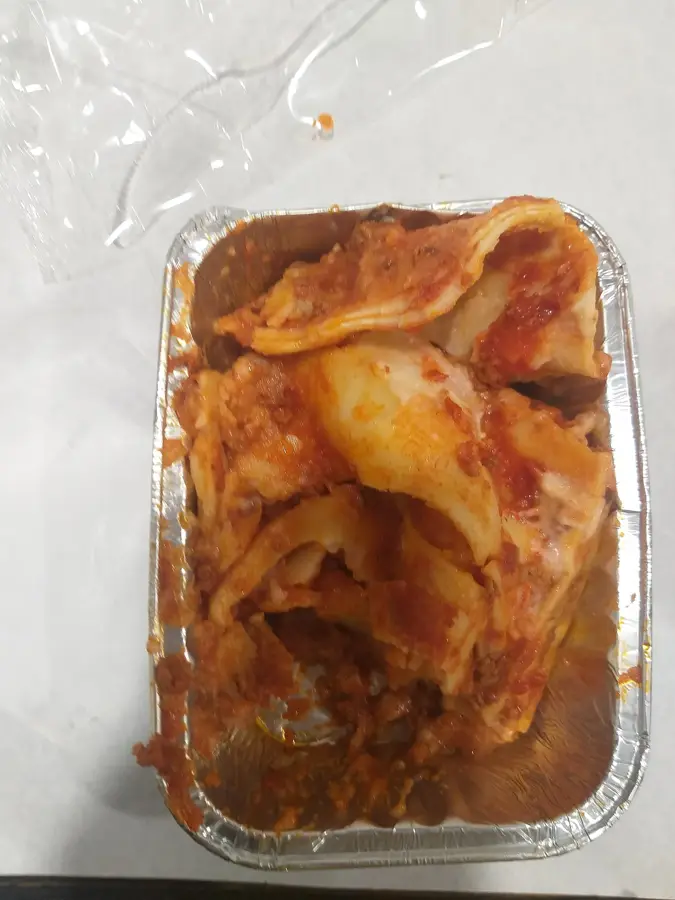
Crispy fried rice balls filled with meat sauce and peas. Best enjoyed at a small rosticceria while exploring the narrow streets.
While from a neighboring town, Ragusa has beautiful shops selling these hand-painted ceramics. Look for boutiques along Corso XX Settembre.
Look for local 'Alimentari' in the old town selling extra virgin olive oil from the Monti Iblei and thyme-infused honey.
The oldest public garden in Ragusa, located at the edge of Ibla. It provides shady palm trees, quiet benches, and sweeping valley views.
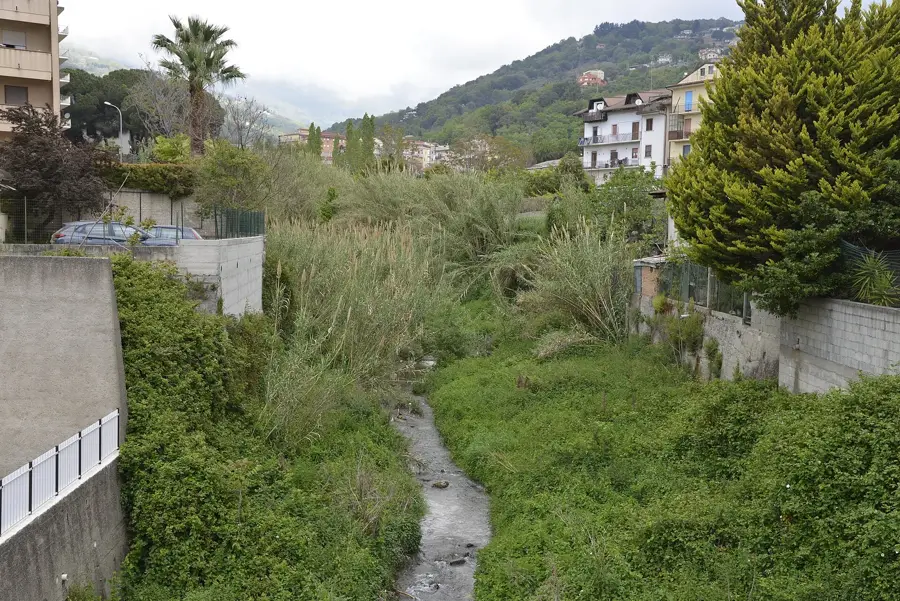
A lush, deep gorge separating the two halves of the city. There are walking trails excellent for a peaceful escape into nature.
Water temperature…
Every October the street-artist festival Ibla Buskers turns the baroque old town of Ragusa Ibla into a stage for jugglers, fire-breathers, musicians and acrobats from around the world.
In the last week of May, Ragusa Ibla celebrates its patron San Giorgio with a procession of the saint's statue, fireworks and folk festivities through the baroque streets.
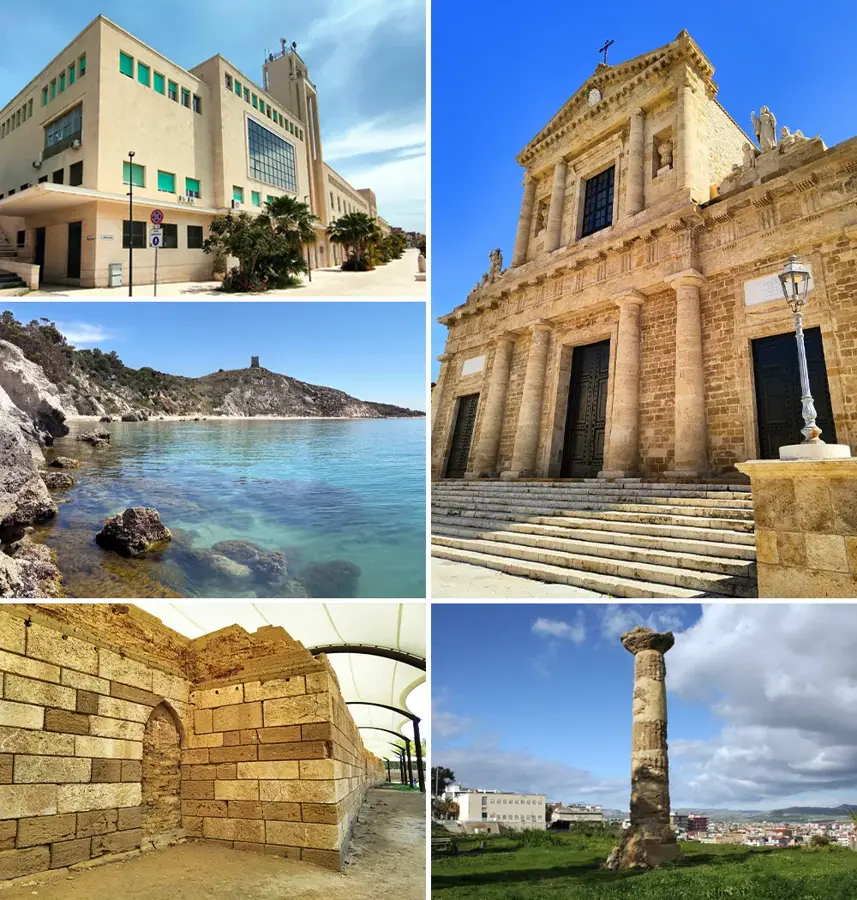
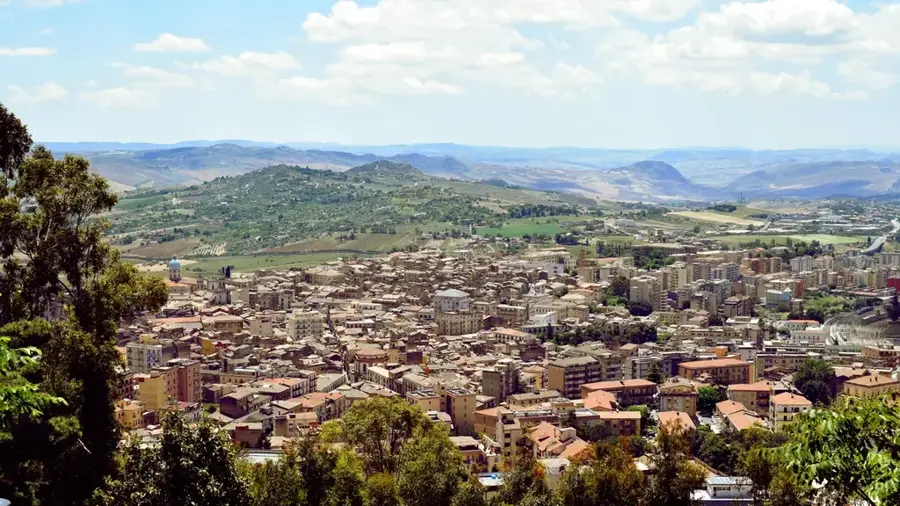
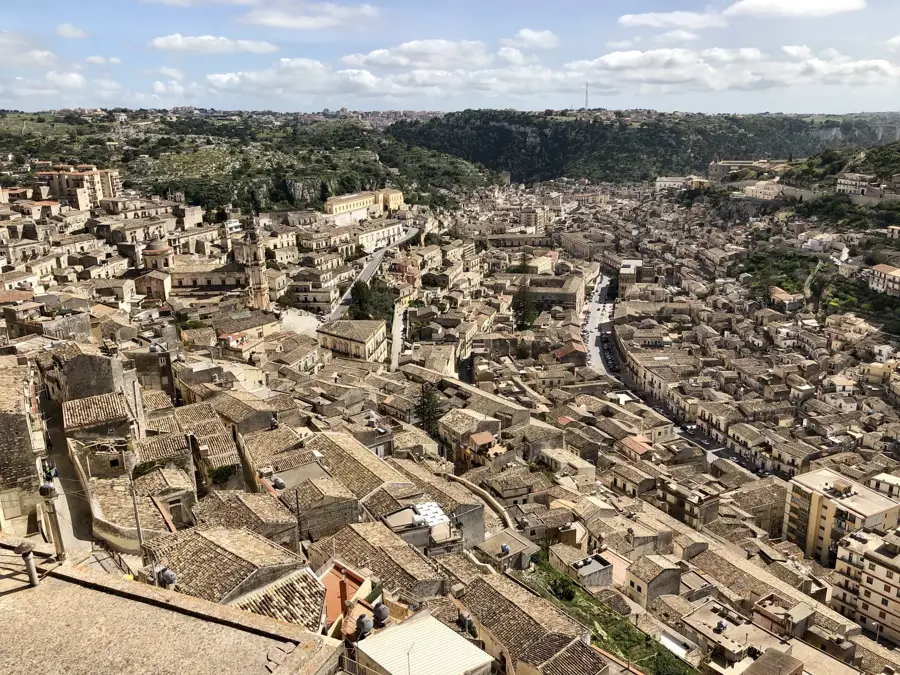
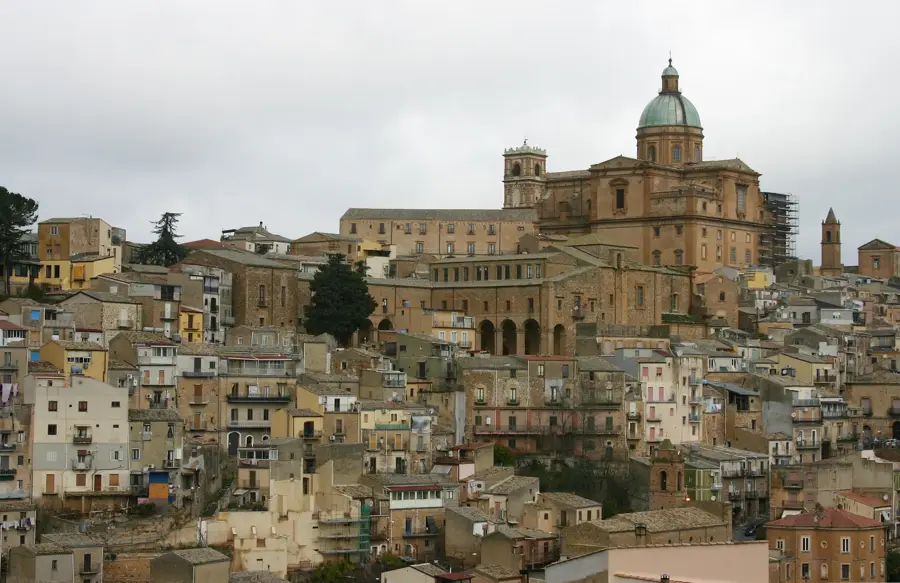
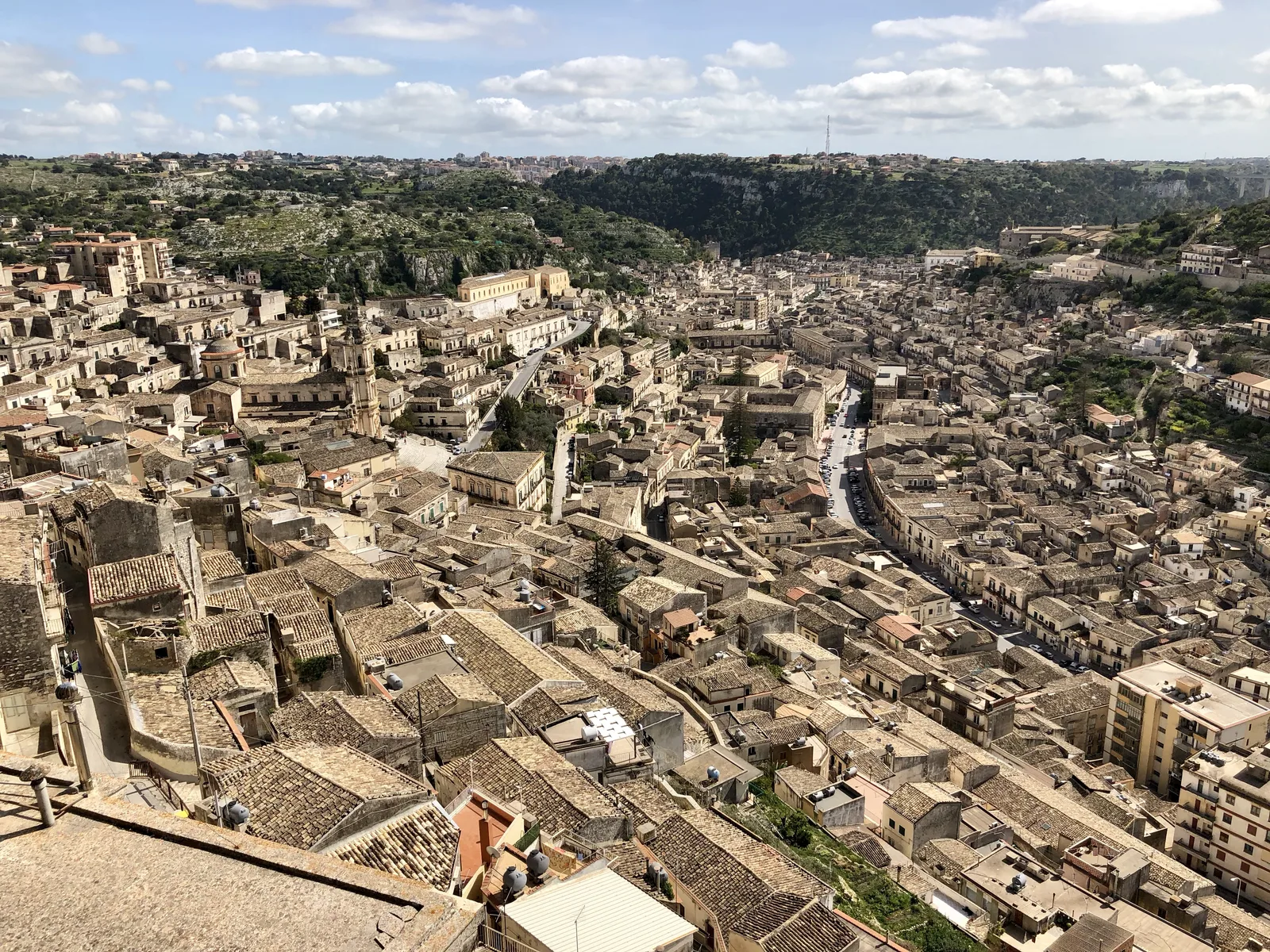
Ragusa is located in southeastern Sicily within the Hyblaean Mountains and stands as a premier example of Sicilian Baroque architecture. The city is divided into two parts: Ragusa Ibla, the ancient historic center on the hill, and Ragusa Superiore, which was built on a higher plateau following the catastrophic earthquake of 1693. This 18th-century reconstruction gave the city its distinctive appearance, characterized by grand churches and aristocratic palaces that have been part of the UNESCO World Heritage Val di Noto site since 2002. The Cathedral of San Giorgio in Ibla is a focal point, featuring a magnificent tiered facade and intricate stone carvings. The winding alleys of Ibla are connected to the upper town by a series of steep staircases and three impressive bridges spanning the San Leonardo valley. Beyond its architectural splendor, Ragusa is a major center for dairy production, famous for its Ragusano cheese, and a hub for agricultural innovation in the region.
The most pleasant time to visit is May, Jun, Oct.
| Jan | Feb | Mar | Apr | May | Jun | Jul | Aug | Sep | Oct | Nov | Dec | |
|---|---|---|---|---|---|---|---|---|---|---|---|---|
| Avg °C | 11 | 10 | 12 | 15 | 19 | 24 | 28 | 28 | 24 | 20 | 16 | 12 |
| Rain mm | 78 | 66 | 56 | 36 | 14 | 11 | 5 | 9 | 53 | 73 | 88 | 83 |
Notable places around
Where do you start? We build the route here, with stops and country notes along the way.
© OpenStreetMap contributors · OpenRouteService
Start your day in Ragusa Superiore, the upper part of the city, rebuilt with grand Baroque elegance after the 1693 earthquake. After visiting the Cathedral, descend the famous winding stairs connecting the two towns; this path offers the most iconic photo opportunities of Ibla. Spend your afternoon in the labyrinthine streets of the old town, marvel at the Duomo di San Giorgio, and finish your journey in the tranquil Giardino Ibleo at the edge of the ridge.
This bike tour connects the Baroque elegance of Ragusa Superiore with the historic charm of Ibla. Instead of using the steep stairs, we follow the panoramic road that winds gently around the hill, providing changing perspectives of the limestone facades. After an extensive break in Ibla, the route leads back up through the valley; the final climb requires some stamina but rewards you with unique views.
By car, Ragusa is best explored in clusters. We start in the upper town, make a quick photo stop at the most famous viewpoint, and spend midday in Ragusa Ibla. Thanks to the mobility, the day concludes with a visit to the magnificent Donnafugata Castle, located about 20 minutes outside the city, offering a glimpse into Sicily's aristocratic past.