Plizio Visual Lab
Cilento National Park
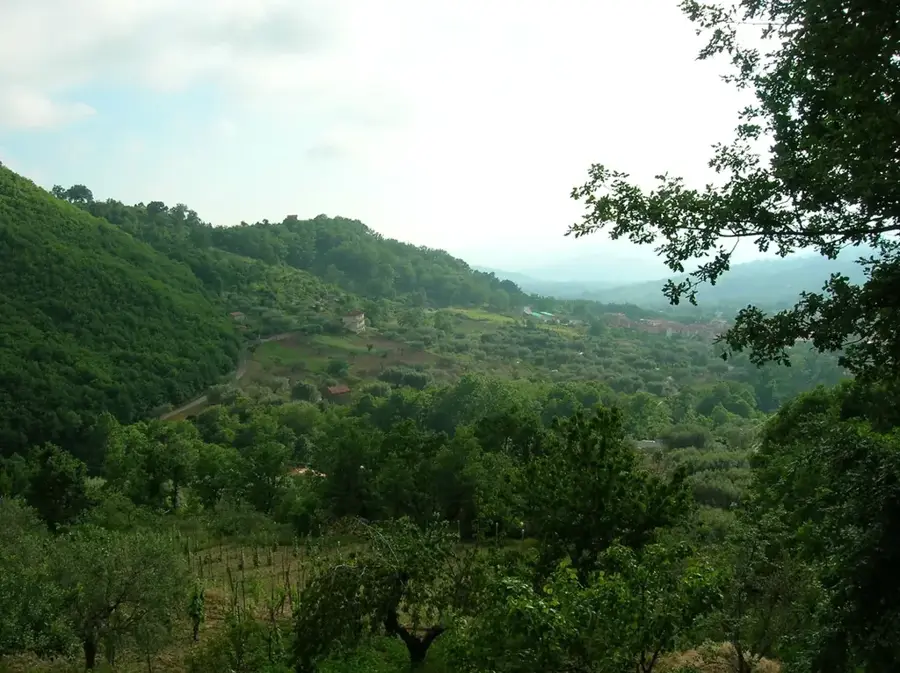
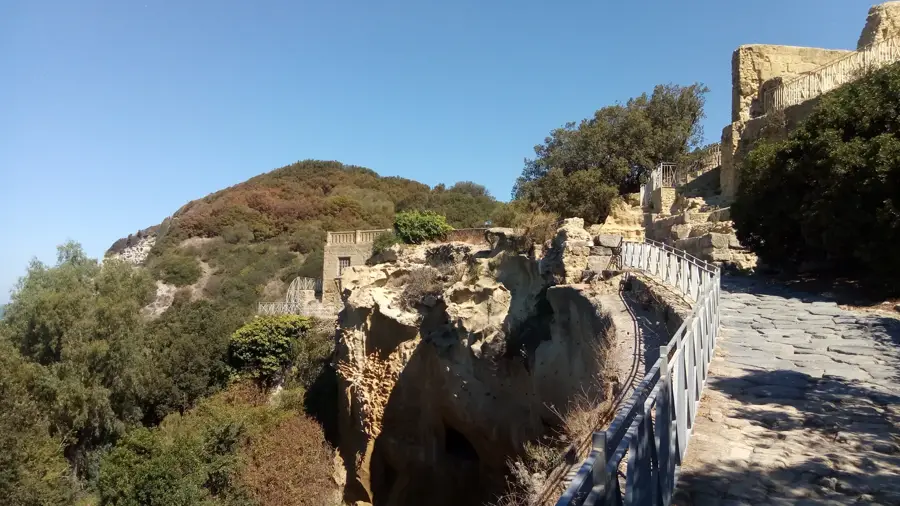
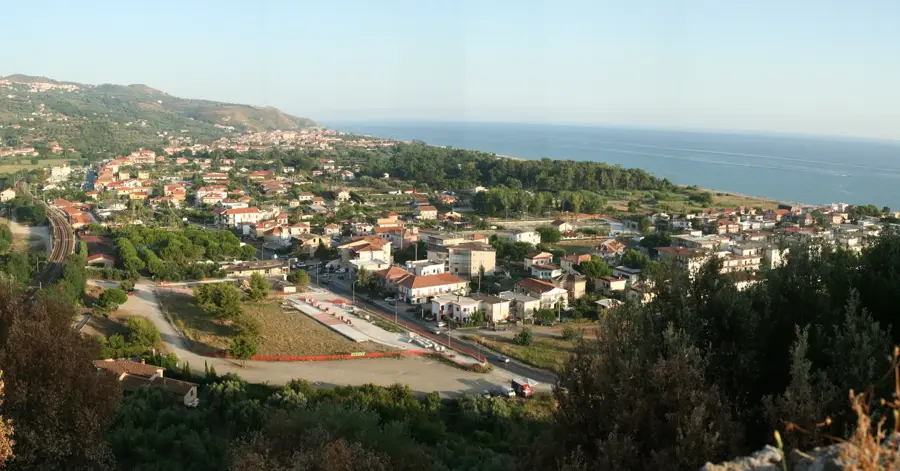
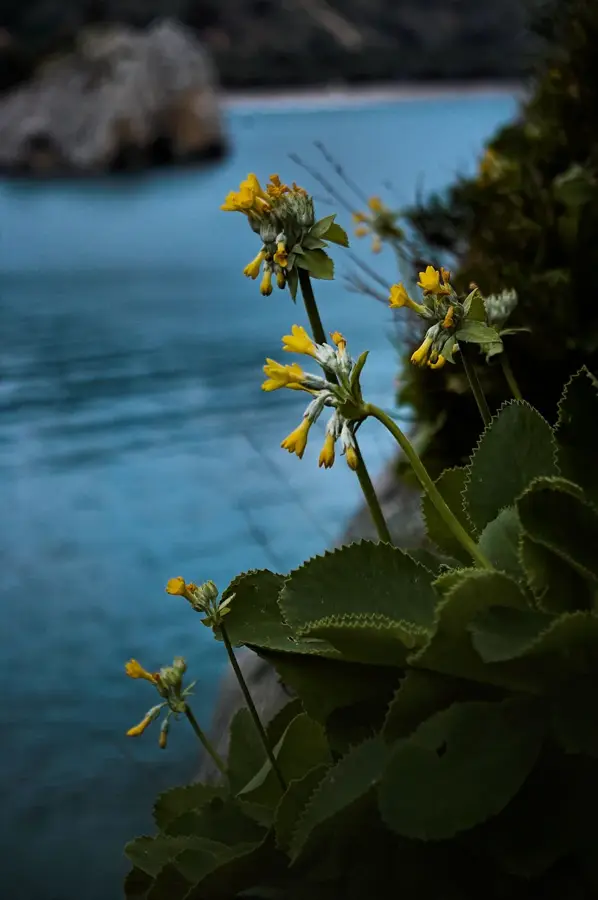
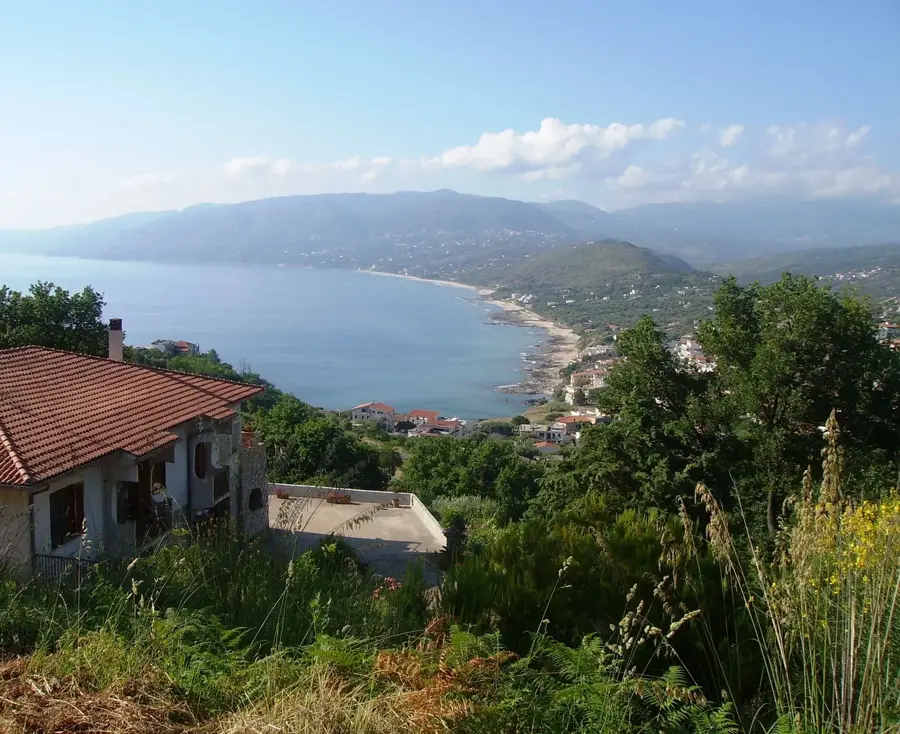
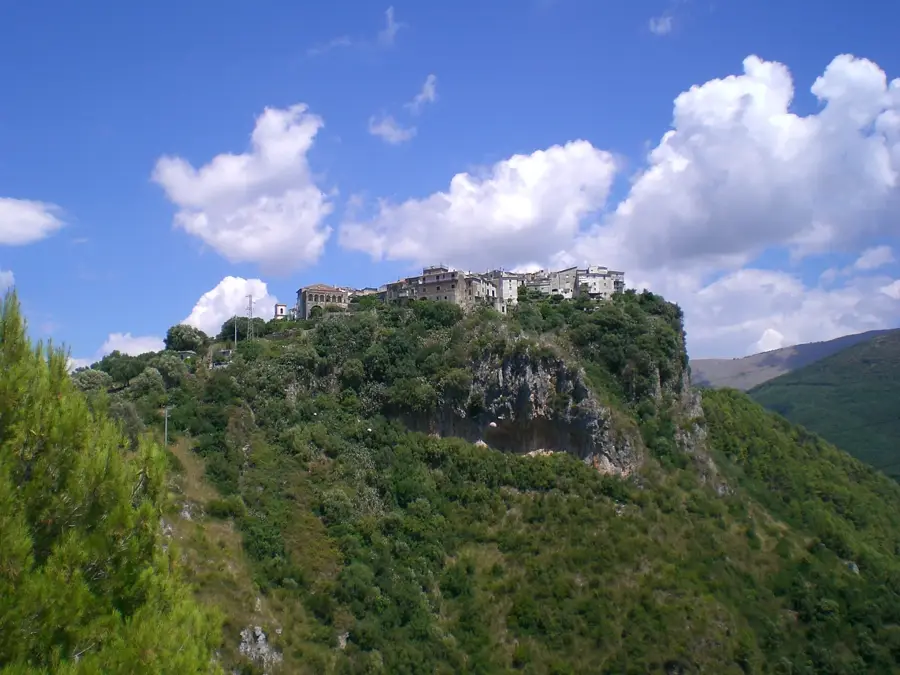
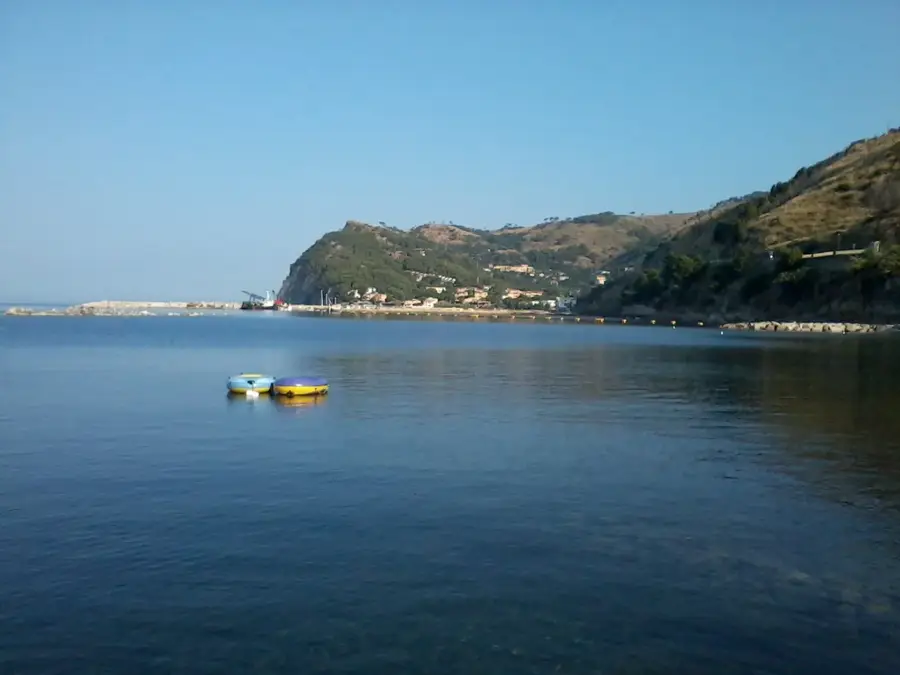
The Cilento, Vallo di Diano, and Alburni National Park in the Campania region is Italy's second-largest national park. Established in 1991, it stretches from the Tyrrhenian coast to the rugged peaks of the Alburni Mountains. Due to its exceptional combination of natural beauty and cultural significance, the park was inscribed as a UNESCO World Heritage Site in 1998. The territory encompasses world-renowned archaeological sites, including the majestic Greek temples of Paestum and the ancient city of Velia, the birthplace of the Eleatic school of philosophy. The landscape is defined by sheer limestone cliffs, deep river canyons, and a pristine coastline with hidden sea caves. The park's flora is remarkably diverse, featuring over 1,800 plant species, including the rare Primula palinuri. Wildlife thrives here, with golden eagles, peregrine falcons, and wolves inhabiting the remote areas. Additionally, the region is celebrated as the cradle of the Mediterranean Diet, studied here by American scientist Ancel Keys. Today, the park gives a unique blend of historical depth and ecological richness.
- Location: Italy
- Top sights: Museo Diocesano · Museo della Civiltà Contadina · Badia di San Filadelfo
- Nearby: Ascea (11 km)
Best time to visit & climate
The most pleasant time to visit is Jun, Jul, Sep.
| Jan | Feb | Mar | Apr | May | Jun | Jul | Aug | Sep | Oct | Nov | Dec | |
|---|---|---|---|---|---|---|---|---|---|---|---|---|
| Avg °C | 8 | 8 | 10 | 13 | 17 | 21 | 24 | 25 | 20 | 17 | 13 | 9 |
| Rain mm | 116 | 94 | 84 | 62 | 50 | 34 | 29 | 31 | 73 | 88 | 128 | 107 |
📋 Practical info
Geography
Facts
- The park covers an area of approximately 181,000 hectares.
- The highest peak is Monte Cervati, reaching 1,898 meters above sea level.
- It houses the Certosa di Padula, a massive Carthusian monastery with the world's largest cloister.
- There are over 1,800 recorded plant species within the park's boundaries.
- Cilento was designated as a UNESCO Global Geopark in 2010.
- The park's coastline features numerous marine caves, including the famous Blue Grotto of Palinuro.
Explore nearby
Notable places around
Route planner — Car & Motorhome
Where do you start? We build the route here, with stops and country notes along the way.
© OpenStreetMap contributors · OpenRouteService
Sights in the town Cilento National Park (6)
Sights nearby
Frequently asked questions
Which significant archaeological sites are in the park?
Is Cilento famous for its cuisine?
What outdoor activities can you do?
Are there Blue Flag beaches in the park?
Can you visit the Certosa di Padula in the park?
Cilento National Park: where is it located?
Cilento National Park: what is there to see?
Cilento National Park: when is the best time to visit?
Cilento National Park: why is it worth visiting?

Nearby cities