Festa della Madonna dei Sette Veli
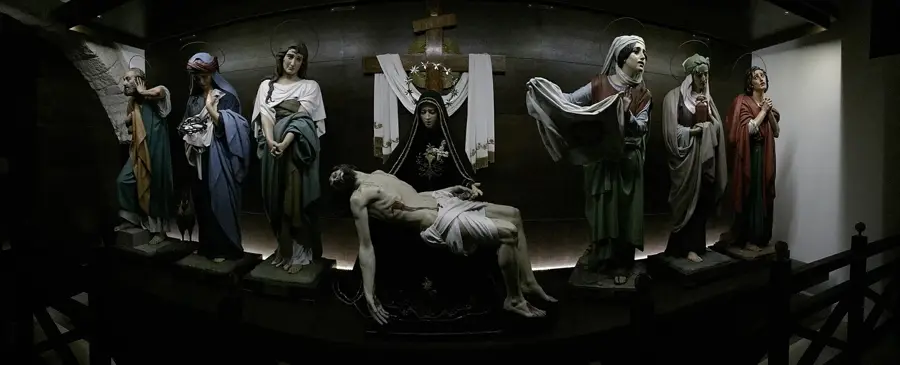
Foggia's patronal feast honouring the Madonna dei Sette Veli, celebrated in March and again around Ferragosto (mid-August). The highlight is a solemn procession carrying the Marian image through the city.
Plizio Visual Lab
Try this ear-shaped pasta often served with turnip tops at a traditional osteria.
Taste this famous local bread, known for its thick crust, found in bakeries across the city.
Sample this teardrop-shaped cheese at a local dairy shop or market.
Visit this bustling market for the freshest local fruits, vegetables, and regional delicacies.
Stroll down this central street for a mix of boutique clothing shops and local brands.
Relax in this large public park, well-suited for a quiet afternoon stroll or a picnic.
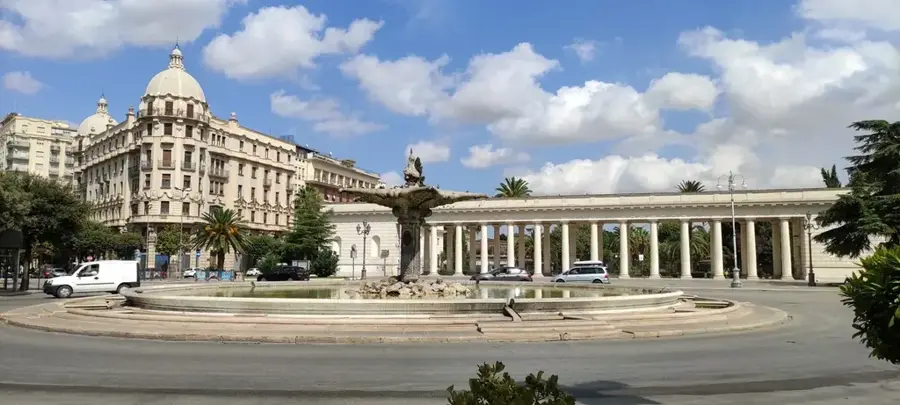
Enjoy a peaceful coffee near the fountain in this pleasant, less crowded square.
Water temperature…
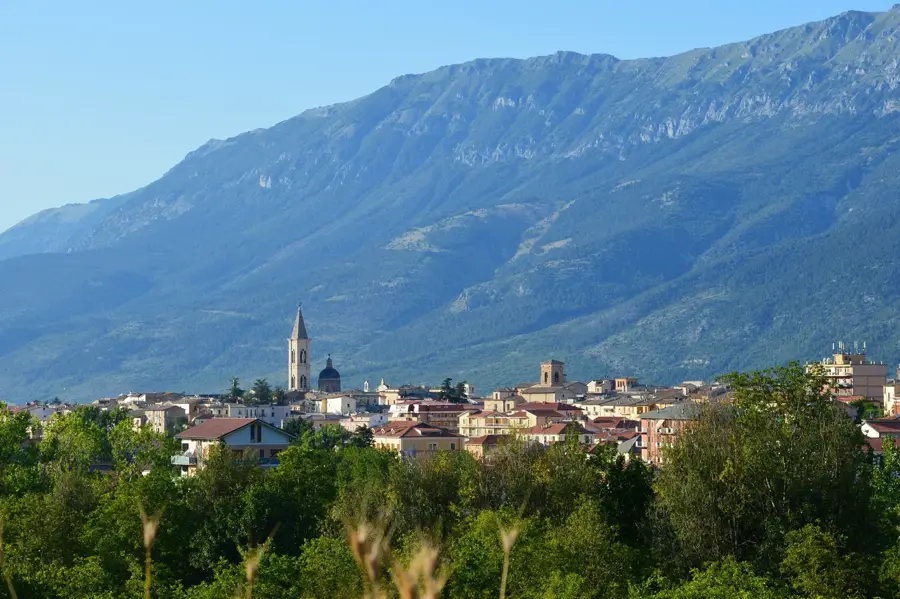
Foggia, situated at the heart of the Tavoliere plain in northern Puglia, is historically acclaimed as the 'Granary of Italy' for its extensive wheat production. The city's identity is deeply rooted in agriculture and the 'transhumance', the seasonal migration of livestock that once made Foggia a wealthy commercial hub for the wool and sheep trade. Its primary religious site, the Cathedral of Santa Maria Icona Vetere, dates back to the 12th century and houses a highly revered 7th-century Byzantine icon. Emperor Frederick II favored Foggia as one of his principal residences, commissioning a grand palace of which only a decorated archway and several fountains remain in the city center today. The city's history has been marked by resilience following a devastating earthquake in 1731 and intense Allied bombing during World War II, leading to a largely modern urban landscape. Despite these losses, the historic core retains baroque charm and narrow alleys that recall its southern Italian roots. Today, Foggia is a major railway junction and a center for the food processing industry, particularly specializing in durum wheat and tomatoes. It serves as a vital gateway for those visiting the Gargano Peninsula and the pilgrimage site of San Giovanni Rotondo.
The most pleasant time to visit is May, Jun, Sep.
| Jan | Feb | Mar | Apr | May | Jun | Jul | Aug | Sep | Oct | Nov | Dec | |
|---|---|---|---|---|---|---|---|---|---|---|---|---|
| Avg °C | 8 | 8 | 11 | 14 | 19 | 24 | 28 | 28 | 22 | 18 | 13 | 9 |
| Rain mm | 54 | 40 | 47 | 45 | 41 | 35 | 28 | 27 | 53 | 55 | 65 | 53 |
See what it looks like near Foggia right now.
Foggia: A14 km. 555,5 itinere nord · 4.4 km · Open webcam on Windy · Webcams provided by Windy.com
Notable places around
Where do you start? We build the route here, with stops and country notes along the way.
© OpenStreetMap contributors · OpenRouteService
Start your day at Piazza Cavour, the heart of Foggia, and stroll through the expansive Villa Comunale. The morning is dedicated to culture with the Giordano Theater and the magnificent Cathedral of Santa Maria Icona Vetere. After an authentic Apulian lunch, explore the historic Palazzo Dogana and the imperial traces of Frederick II, before diving into the region's ancient history at the Civic Museum.
Explore Foggia on two wheels! This tour takes you from the fascinating Chiesa delle Croci in the north through the historic center to the green avenues of Villa Comunale. The bike allows you to comfortably reach more distant gems like San Giovanni Battista, making the most of the city's flat topography.
This car tour uses the cluster-walking principle: we park at three strategic points. First, we explore the modern center and the park. Then we dive into the historic old town on foot (from the cathedral to the museum). Finally, we drive to the iconic Chiesa delle Croci, located slightly further out.