New Oil Festival
In November, Andria, the city of oil and burrata, celebrates freshly pressed extra virgin olive oil with tastings of local products.
Plizio Visual Lab
This is the birthplace of Burrata. Try it fresh from a local dairy (caseificio) in the city center.
Andria has a strong tradition of making sugared almonds. Find them in historic confectionery shops.
The local 'Coratina' olive produces a peppery, high-quality oil. Ask for local oil in any restaurant.
Buy fresh mozzarella, burrata, and stracciatella directly from the producers in town.
Purchase high-quality Coratina olive oil directly from a local mill just outside the city.
The city's main public park is one of the largest in the region, well-suited for a quiet afternoon stroll.
Take a walk in the woods surrounding the castle to enjoy the serene Apulian landscape.
Water temperature…
In November, Andria, the city of oil and burrata, celebrates freshly pressed extra virgin olive oil with tastings of local products.
Around the Corpus Domini feast (late May to early June), residents lay elaborate flower carpets with religious themes along the old town streets, over which the procession then passes.
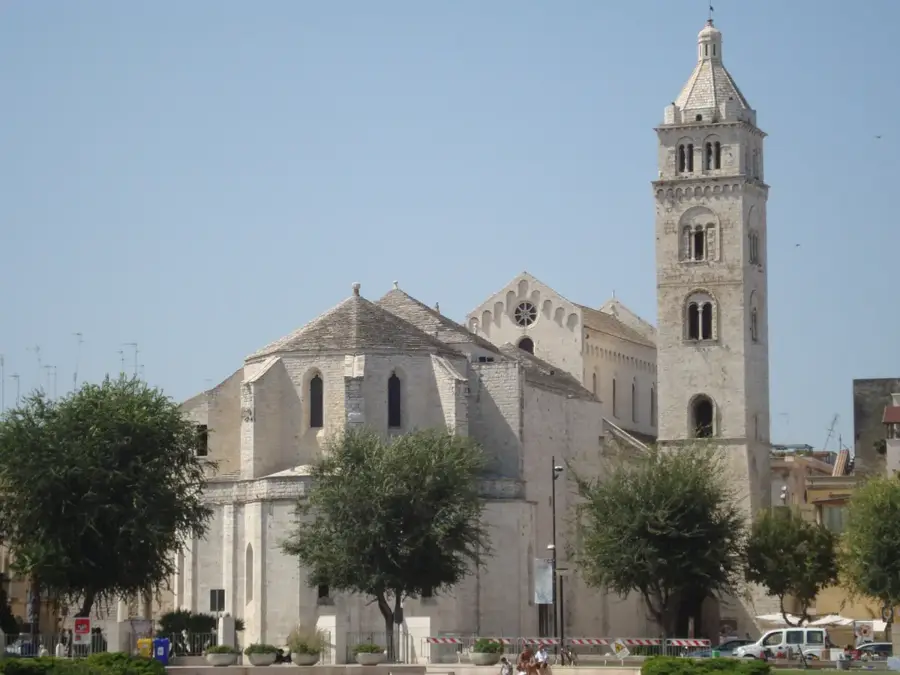
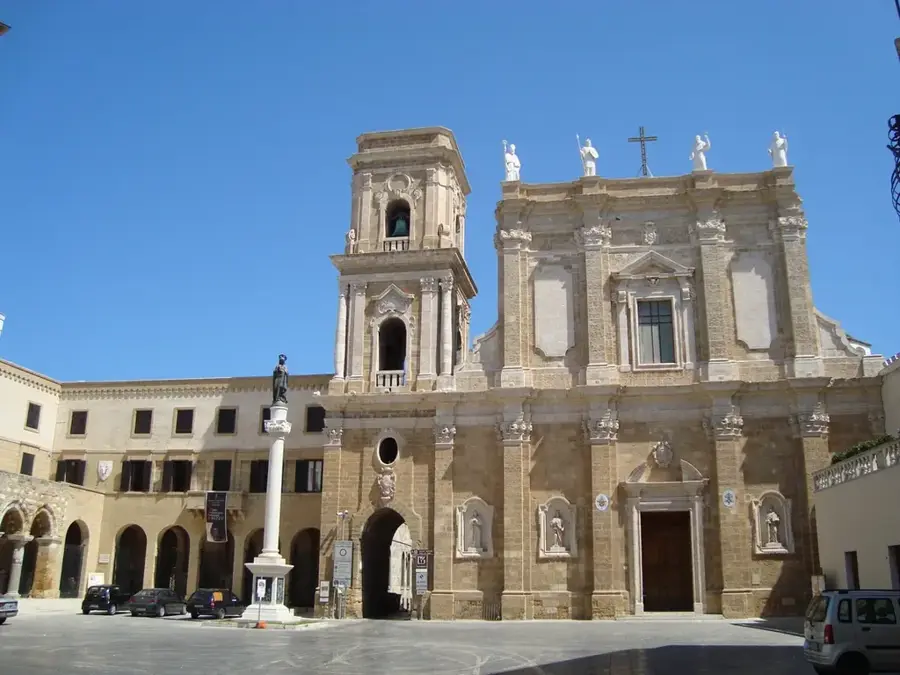
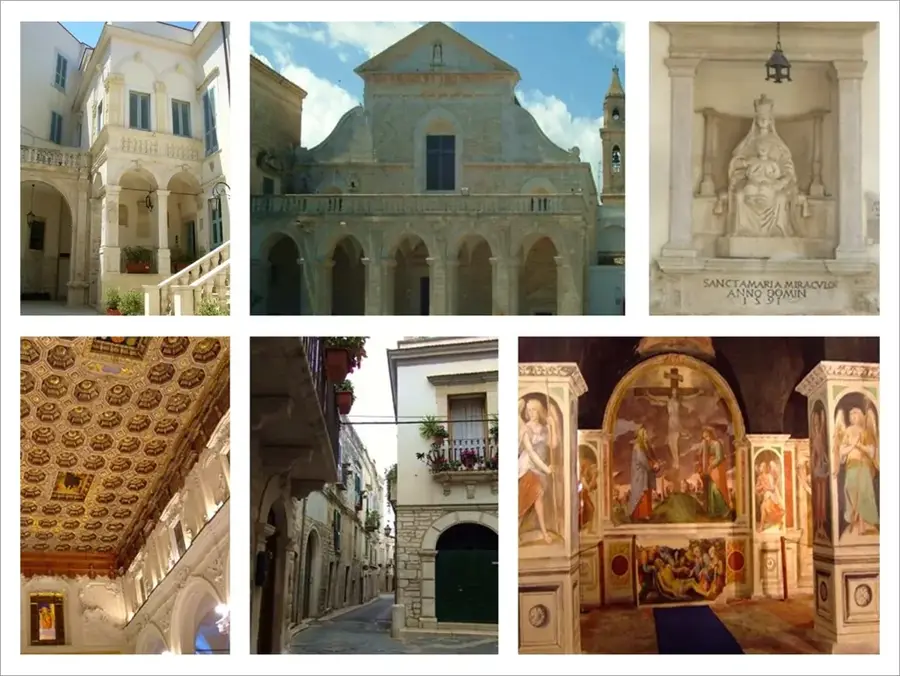
Andria is located in the Apulia region of southern Italy and functions as one of the three administrative capitals of the Barletta-Andria-Trani province. The city's history is deeply rooted in the Norman period, having been developed as a fortified center by Peter I in 1046. It achieved its greatest historical significance in the 13th century under Emperor Frederick II, who favored the city and referred to it as 'fidelis' (faithful). The nearby Castel del Monte, a masterpiece of medieval architecture and a UNESCO World Heritage site, was commissioned by the emperor during this era. Andria's Cathedral is a notable landmark, containing the tombs of two of Frederick II's wives, Isabella of England and Yolande of Jerusalem. The historic center features remarkably narrow streets, including Via Casalino, often cited as one of the narrowest in the world. Economically, the city is a major hub for olive oil and wine production, supported by the fertile lands of the surrounding Murgia plateau. Today, Andria maintains its medieval charm while serving as a dynamic agricultural and commercial center.
The most pleasant time to visit is May, Jun, Sep.
| Jan | Feb | Mar | Apr | May | Jun | Jul | Aug | Sep | Oct | Nov | Dec | |
|---|---|---|---|---|---|---|---|---|---|---|---|---|
| Avg °C | 7 | 7 | 10 | 13 | 18 | 23 | 26 | 27 | 21 | 17 | 12 | 8 |
| Rain mm | 58 | 44 | 54 | 47 | 41 | 36 | 32 | 29 | 53 | 64 | 71 | 59 |
See what it looks like near Andria right now.
Andria · 0.9 km · Open webcam on Windy · Webcams provided by Windy.com
Notable places around
Where do you start? We build the route here, with stops and country notes along the way.
© OpenStreetMap contributors · OpenRouteService
Your day starts at the historic Santa Margherita gate before diving into Andria's spiritual heart. The Cathedral holds fascinating secrets from the Hohenstaufen era. After visiting noble palaces, the afternoon ends sweetly at the Mucci museum, where the tradition of Apulian confectionery comes alive.
Explore Andria on two wheels. From the sweet delicacies of the Mucci Museum, cycle through narrow streets to the most important religious and noble monuments. The flat surroundings of the city are ideal for a relaxed tour through history and gastronomy.
By car, you will connect Andria's historic center with the majestic Castel del Monte. After a morning of culture and sweet sins in the city core, drive through the picturesque Murgia landscape to Frederick II's enigmatic castle. A day between urban life and imperial solitude.
A specialized museum in Andria dedicated to the tradition of making sugared almonds and sweets.