Plizio Visual Lab
Archaeological Park of Herculaneum
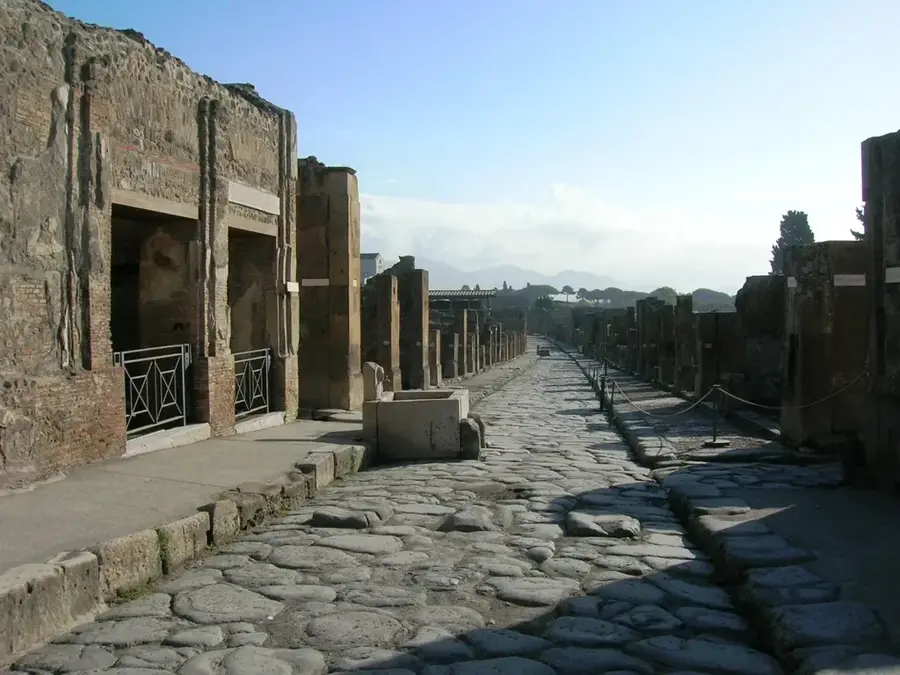
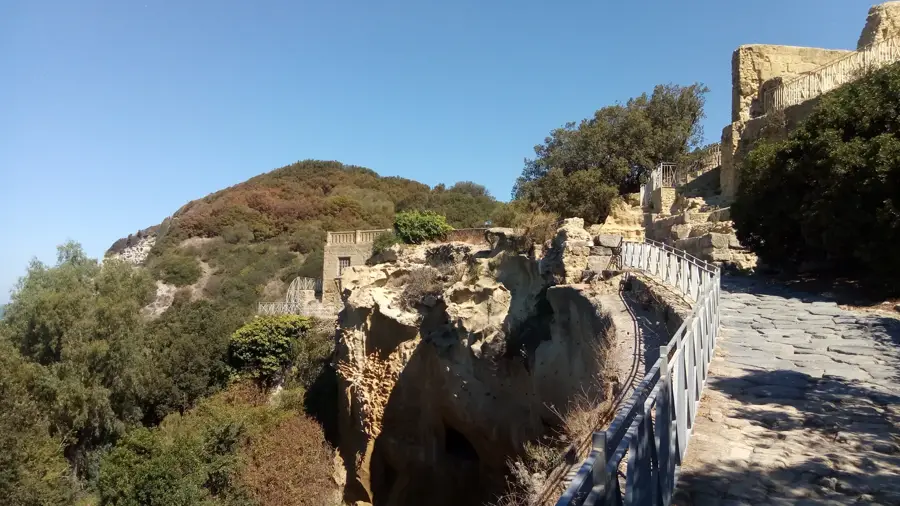
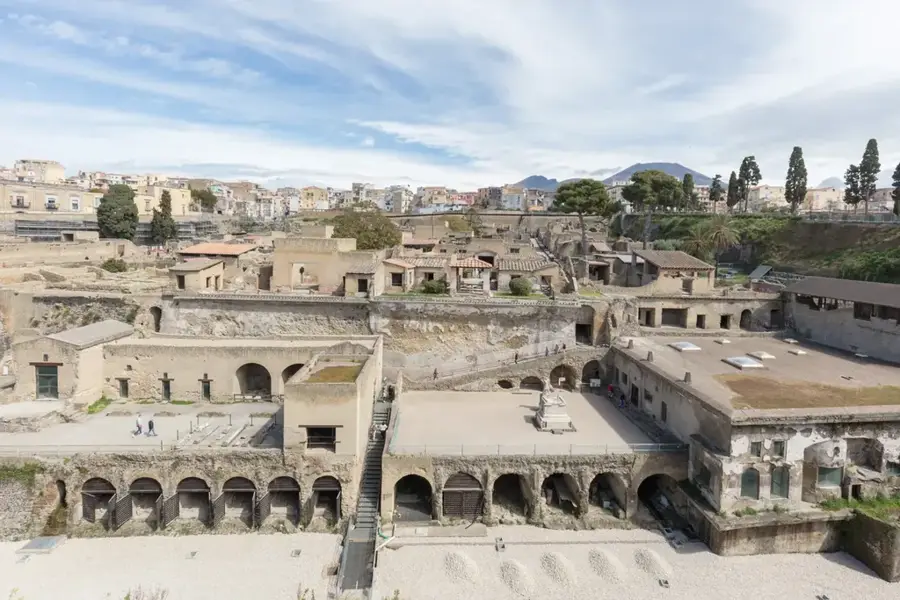
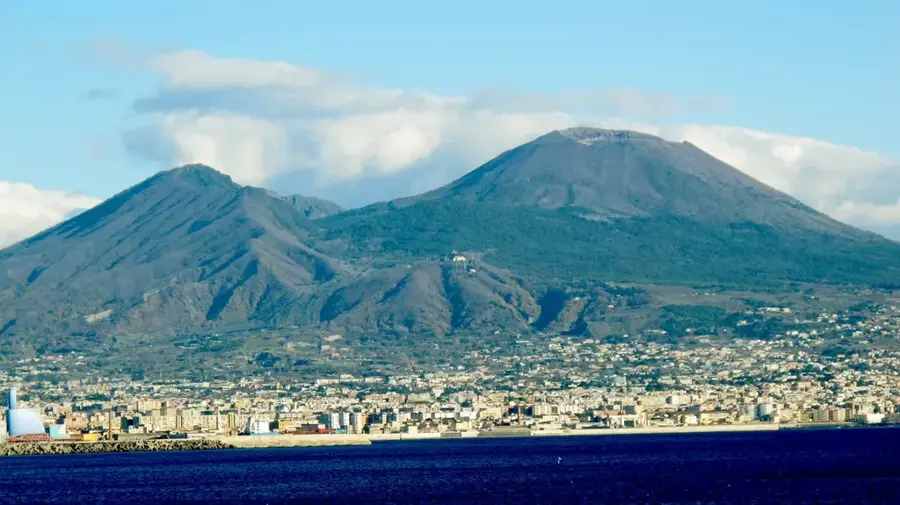
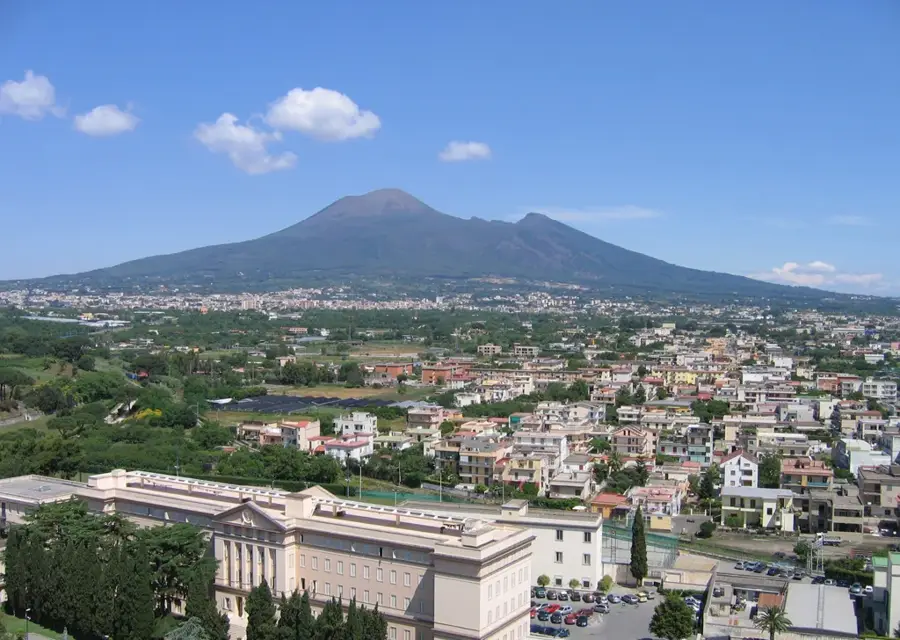
The Archaeological Park of Herculaneum preserves the remains of an ancient Roman town destroyed by the eruption of Mount Vesuvius in 79 AD. Unlike its larger neighbor Pompeii, Herculaneum was buried under a deep layer of pyroclastic material, which preserved organic matter such as wood, fabrics, and even food in a carbonized state. Excavations began systematically in the 18th century after its accidental discovery in 1709 during the digging of a well. The site features a unique glimpse into the daily life of a wealthy Roman seaside resort, featuring well-preserved multi-story houses with intricate mosaics and frescoes. In 1997, it was designated as a UNESCO World Heritage site due to its exceptional state of preservation and historical significance. Today, the park is a vital center for archaeological research, focusing on the conservation of delicate organic remains that are rarely found elsewhere in the Roman world. The thermal baths, the College of the Augustales, and the Villa of the Papyri are among the most significant structures within the complex.
- Location: Italy
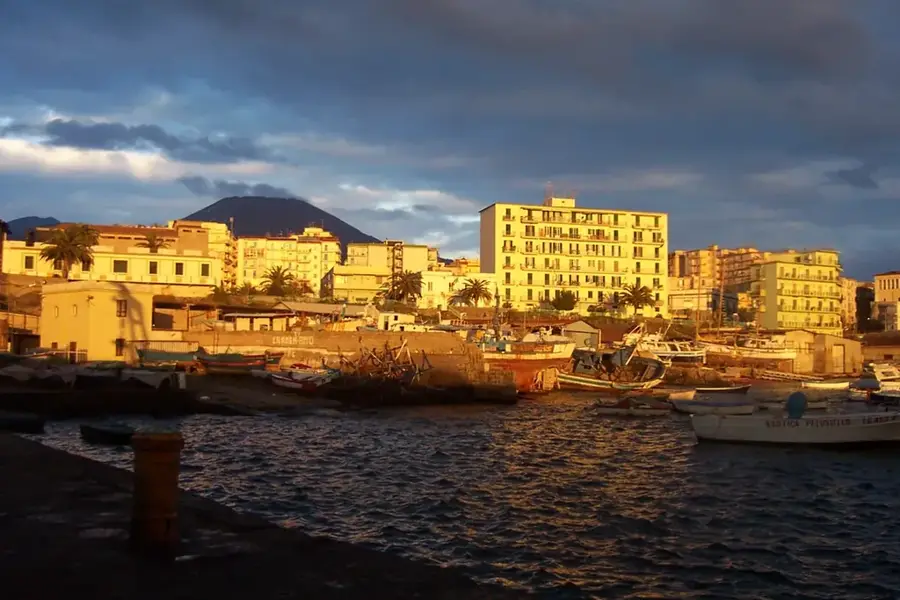
- Nearby: Torre del Greco (5 km)
Best time to visit & climate
The most pleasant time to visit is Jun, Jul, Sep.
| Jan | Feb | Mar | Apr | May | Jun | Jul | Aug | Sep | Oct | Nov | Dec | |
|---|---|---|---|---|---|---|---|---|---|---|---|---|
| Avg °C | 7 | 8 | 10 | 13 | 18 | 23 | 26 | 26 | 21 | 17 | 13 | 9 |
| Rain mm | 88 | 68 | 70 | 56 | 47 | 33 | 25 | 24 | 68 | 76 | 116 | 84 |
📋 Practical info
Geography
Facts
- Destroyed by the eruption of Mount Vesuvius in 79 AD
- Accidentally rediscovered in 1709 during well-digging
- Designated as a UNESCO World Heritage site in 1997
- Buried under 16 to 25 meters of volcanic material
- Site of the famous Villa of the Papyri and its scrolls
- Ancient population estimated at 4,000 to 5,000 residents
Explore nearby
Notable places around
Route planner — Car & Motorhome
Where do you start? We build the route here, with stops and country notes along the way.
© OpenStreetMap contributors · OpenRouteService
Sights in the town Archaeological Park of Herculaneum (1)
Sights nearby
Frequently asked questions
What distinguishes Herculaneum from Pompeii?
How was the city destroyed?
Can the skeletons of the victims be seen?
How do you reach the park from Naples?
Is there shade on the site?
Archaeological Park of Herculaneum: where is it located?
Archaeological Park of Herculaneum: when is the best time to visit?
Archaeological Park of Herculaneum: why is it worth visiting?

Nearby cities