Plizio Visual Lab

Burren National Park
Plizio editorial teamData Sources
park
—°3
Burren National Park (Ireland)

Weather…

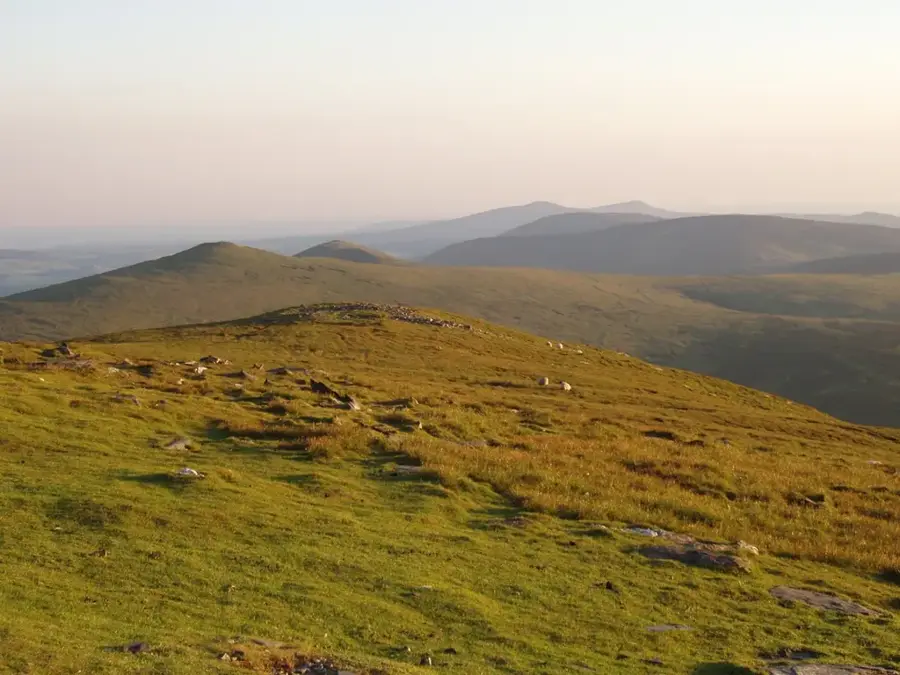
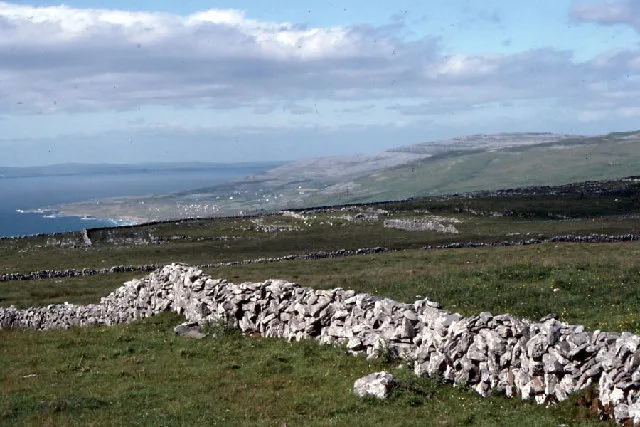
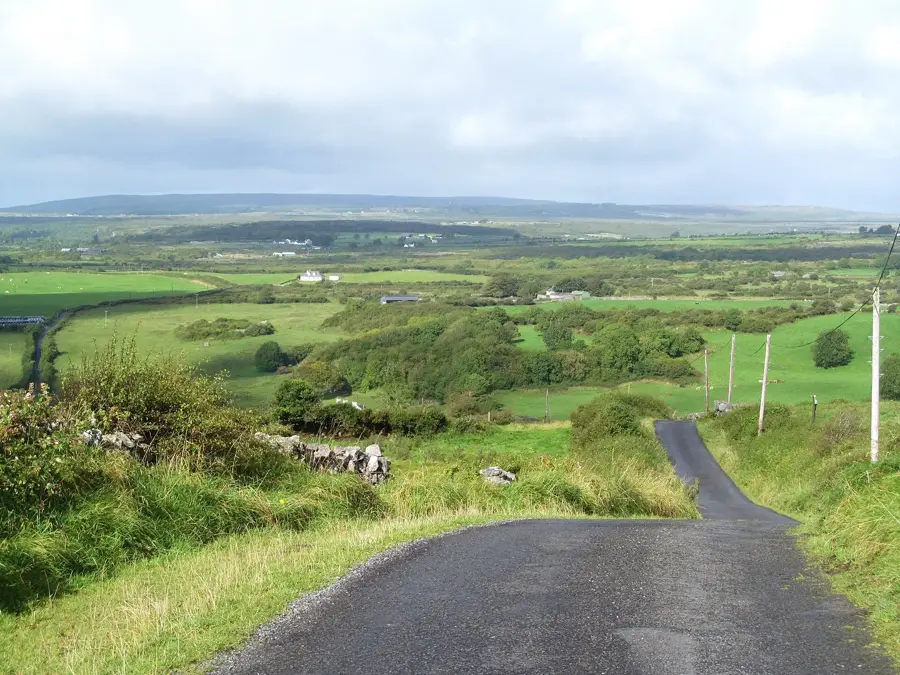
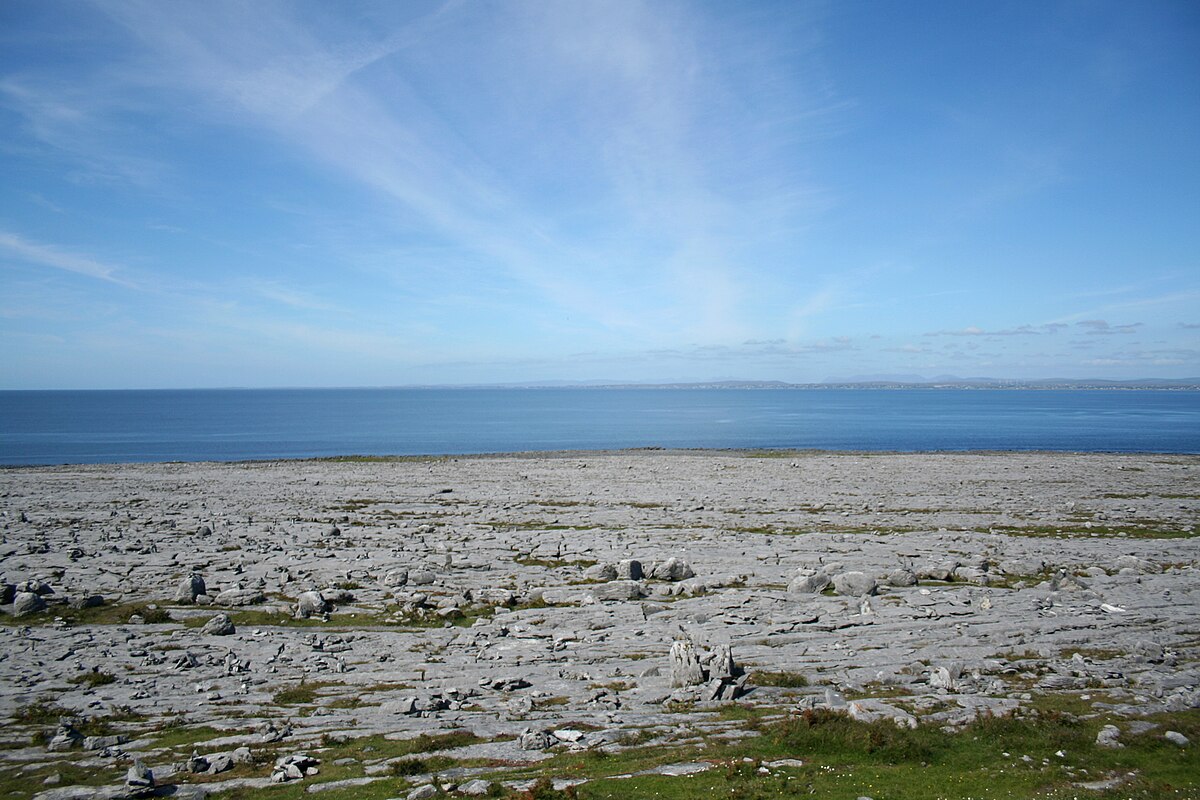
The Burren National Park, located in County Clare, covers approximately 1,500 hectares and represents one of the most distinctive karst landscapes in Europe. The region's vast limestone pavements were formed during the Carboniferous period, about 350 million years ago, beneath a shallow tropical sea. These characteristic glaciokarst features, crisscrossed by deep fissures known as grykes, harbor an extraordinary botanical diversity where Arctic, Alpine, and Mediterranean plant species thrive side-by-side. Historical human activity is evidenced by numerous megalithic monuments, including the Poulnabrone dolmen, which dates back over 5,000 years to the Neolithic era. Currently managed by the National Parks and Wildlife Service, the park serves as a critical habitat for rare fauna such as the pine marten and the peregrine falcon. Visitors can explore various waymarked trails that showcase this mineral wilderness, which despite its barren appearance, supports a rich and fragile ecological network.

Best time to visit & climate

The most pleasant time to visit is Jun–Aug.

JanFebMarAprMayJunJulAugSepOctNovDec
Avg °C556811141515131086
Rain mm118928673849010010791108132124

📋 Practical info

🧭
Getting there
Approaching the area is typically done via local rural roads in County Clare, often starting from nearby small villages. Seasonal shuttle buses are frequently provided to help relieve pressure on the highly restricted traffic infrastructure.
📅
Best season
Late spring is globally famous for the blooming of the extraordinary karst flora, making it a highly popular period. Summer is fantastic for general hiking, whereas winter features cold winds sweeping unabated across the barren landscape.
⛰️
Terrain & paths
The surface is defined by vast, exposed limestone pavements intersected by deep crevices, making walking quite irregular. The informal trails are mostly rocky and demand utmost attention with every single step to avoid stumbling.
🎒
What to bring
Hiking boots with rigid ankle support are crucial for navigating safely across the heavily uneven and grooved limestone terrain. A high-quality windproof jacket is also important, as the open expanse has virtually zero natural shelter.
🅿️
Parking
Official parking facilities are quite small and typically fill up incredibly fast during the peak tourist season. It is highly advisable to utilize designated park-and-ride systems to prevent steep fines for illegal roadside parking.
⚠️
Safety
The most prominent risk lies in violently slipping on wet limestone or twisting an ankle in one of the deep natural fissures. During rainfall, the rock routinely transforms into an ice-like surface, meaning extreme caution is required.
⏱️
Time needed
For a relatively relaxed walk along the marked nature trails, roughly two to three hours is typically sufficient. Those wishing to deeply study the unique geology and botany can easily spend upwards of five hours exploring the environment.

Geography

Coordinates
53.03330, -9.10000

Facts

  • The park was established in 1991 as the smallest of Ireland's six national parks.
  • Approximately 75% of all plant species found in Ireland are present in the Burren.
  • The limestone layers reach a thickness of up to 800 meters in some areas.
  • The name 'Burren' is derived from the Irish word 'Boireann', meaning 'rocky place'.
  • Mullaghmore is the most prominent hill within the park, standing at 191 meters high.
  • Over 28 different species of butterflies have been recorded within the park boundaries.

Explore nearby

Notable places around
Route planner — Car & Motorhome

Where do you start? We build the route here, with stops and country notes along the way.

Vehicle
Only stops with (optional):

© OpenStreetMap contributors · OpenRouteService

Sights in the town Burren National Park (3)

Slievenaglasha Wedge Tomb🏺 historical

A prehistoric wedge tomb located in the limestone landscape of the Burren National Park.

Caherconnell🏺 historical

A well-preserved stone ringfort from the early medieval period, now an archaeological site.

Poulnabrone Dolmen🏺 historical

This famous Neolithic portal tomb is one of Ireland's most iconic archaeological landmarks.

Sights nearby

Frequently asked questions

Why is the landscape in the Burren so rocky?
It is a glaciated karst landscape made of limestone, shaped by erosion over millions of years.
When do the rare flowers bloom?
The best time is May to June, when arctic, alpine, and mediterranean plants bloom together.
Is there a free shuttle bus?
Yes, a free shuttle operates during summer from the information centre in Corofin to the park.
How difficult are the hiking trails?
They range from easy walks to challenging hikes on uneven limestone pavement.
Can you visit the park in the rain?
Yes, but the limestone becomes extremely slippery when wet. Caution and sturdy boots are required.
Burren National Park: where is it located?
Burren National Park is located in Ireland.
Burren National Park: what is there to see?
Highlights include Slievenaglasha Wedge Tomb, Caherconnell, Poulnabrone Dolmen.
Burren National Park: when is the best time to visit?
The most pleasant time to visit is Jun, Aug.
Burren National Park: why is it worth visiting?

The Burren National Park, located in County Clare, covers approximately 1,500 hectares and represents one of the most distinctive karst landscapes in Europe.
View on map → The Top 50 Attractions → Most beautiful beaches → OpenStreetMap →
Europe
Explore with Plizio Discover more places in Europe
More places in Ireland →

Nearby cities