Plizio Visual Lab

Assur
Plizio editorial teamData Sources
ruin
—°5
Assur (Iraq)

Weather…

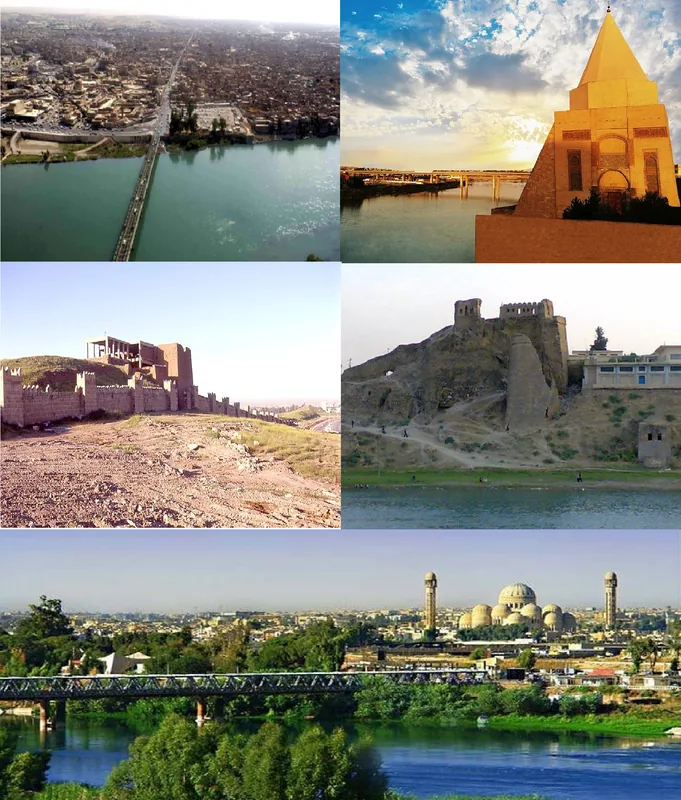
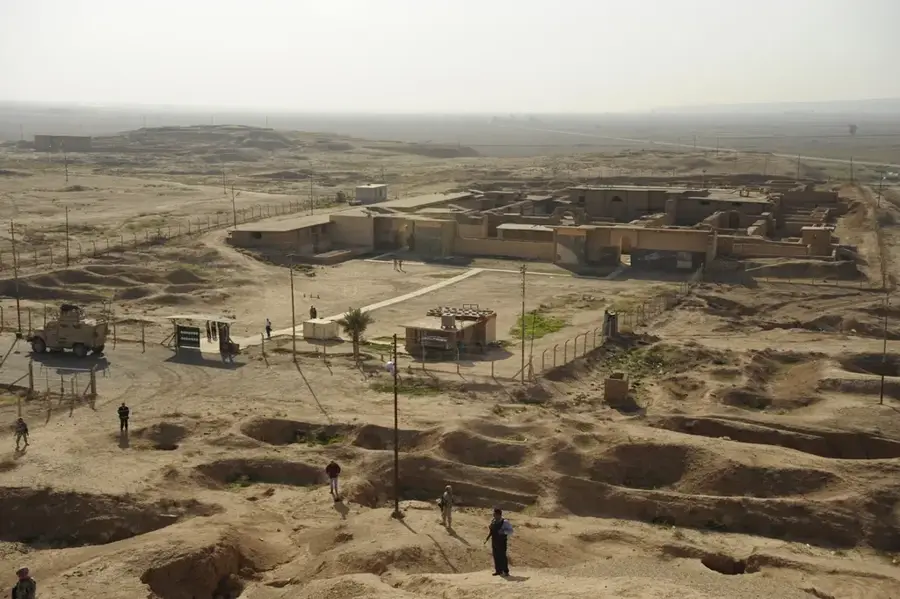
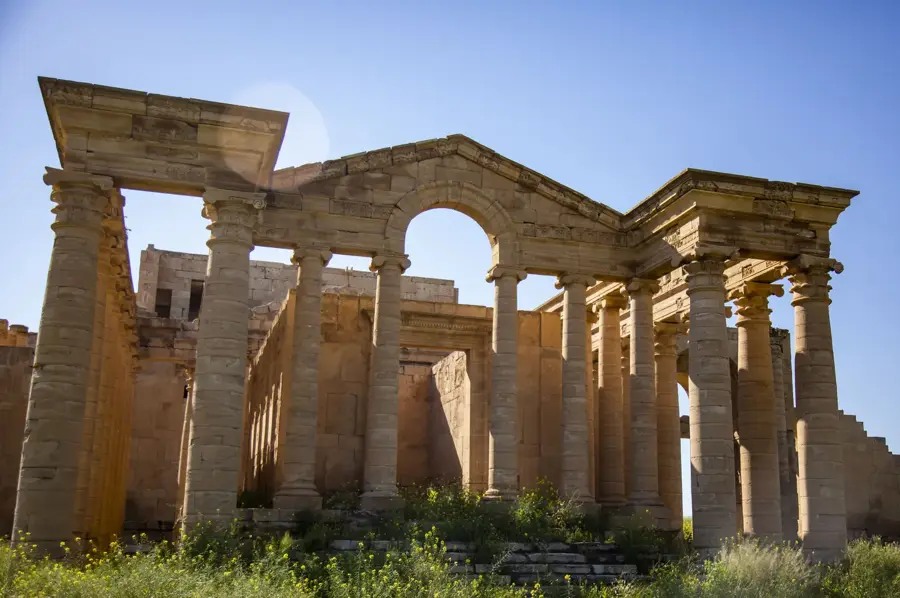
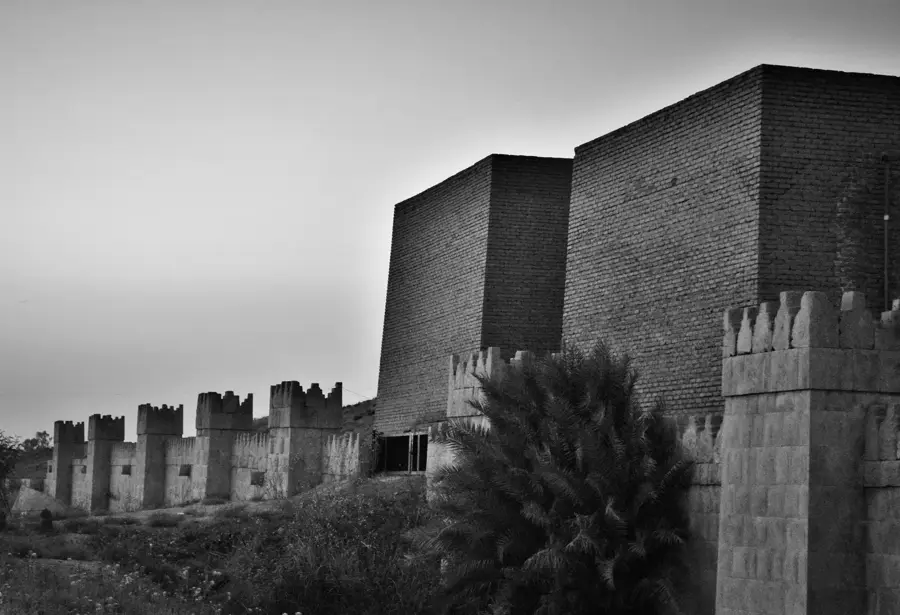
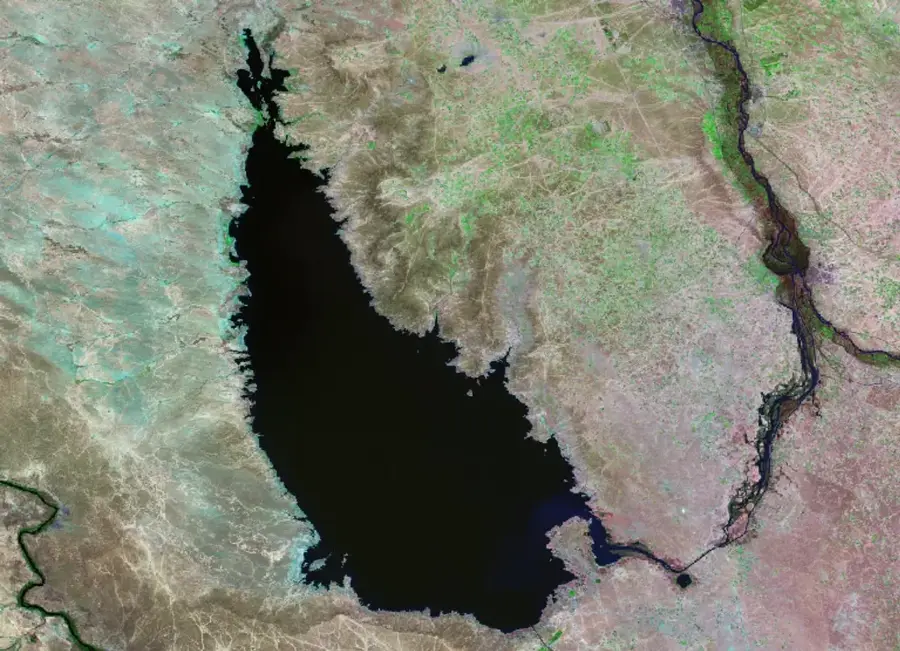
Assur, located on the western bank of the Tigris River in the Saladin Governorate, was the first capital and the religious center of the Assyrian Empire. Founded in the 3rd millennium BC, the city was named after the chief Assyrian deity, whose sanctuary formed the focal point of the settlement. As the spiritual heart of the empire, Assur was the traditional place where Assyrian kings were crowned and buried. The ruins include impressive temple complexes, ziggurats, and the massive remains of palaces and city fortifications. Even after the political capital was moved to Nimrud and later Nineveh, Assur retained its religious significance until the end of the empire. The city was eventually destroyed by the Medes in 614 BC. Due to its immense historical relevance, Assur was inscribed on the UNESCO World Heritage List in 2003, though it remains on the list of World Heritage in Danger.

Best time to visit & climate

The most pleasant time to visit is Apr, May, Oct.

JanFebMarAprMayJunJulAugSepOctNovDec
Avg °C8101520273336363124159
Rain mm34323933121111142635

📋 Practical info

🚪
Visiting
The ancient archaeological site has extensive outdoor exploration of the ruined imperial capital, including the impressive remnants of temples and ziggurats. Visitors can walk freely among the ancient foundations, though tourist amenities are very limited.
🕒
Typical hours
Access to the site is generally possible during all daylight hours, but there are no strictly enforced official opening times or conventional ticketing gates. It is highly recommended to arrange your visit in the early morning to avoid the intense midday heat.
📷
Photography
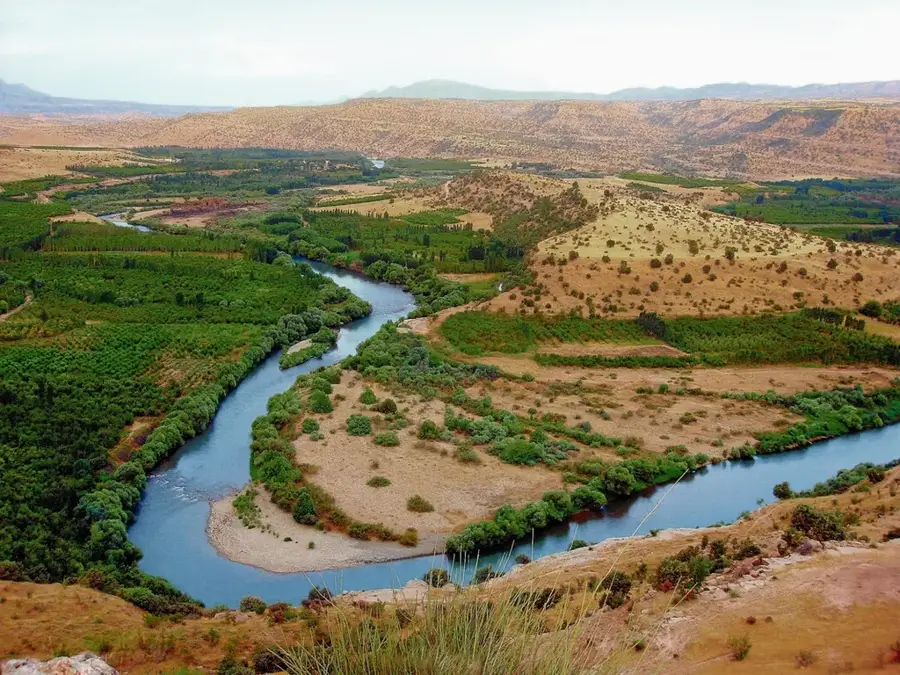
Photography of the vast historical ruins and the scenic backdrop of the winding Tigris River is permitted and highly rewarding. The softer natural light during early morning or late afternoon provides the very best conditions for capturing the ancient structures.
⏱️
Time needed
Exploring the main excavated areas and fully taking in the immense historical significance usually requires about two to three hours. A more detailed and thoughtful inspection by history enthusiasts might easily extend the visit to a comprehensive half-day excursion.
Combine with
A visit to Assur is often part of a much broader guided itinerary covering other significant Mesopotamian archaeological sites or historic cities in the region. Combining it with a dedicated cultural tour in northern Iraq features a significantly deeper historical context.
🧭
Getting there
Reaching the remote site typically requires hiring a private vehicle or booking a pre-arranged guided tour from larger nearby cities, as public transport is virtually non-existent. The rural access roads can be quite challenging, making an experienced local driver highly beneficial.
💡
Insider tip
Ensure you bring plenty of drinking water, strong sun protection, and sturdy walking boots, as the entire terrain is rugged, very dusty, and completely exposed to the elements. Hiring a knowledgeable local guide is crucial to fully contextualize the unlabelled ruins.

Geography

Coordinates
35.45610, 43.26250

Facts

  • Assur was founded in the 3rd millennium BC as a trading center on the Tigris.
  • The city housed over 34 temples dedicated to various Assyrian deities.
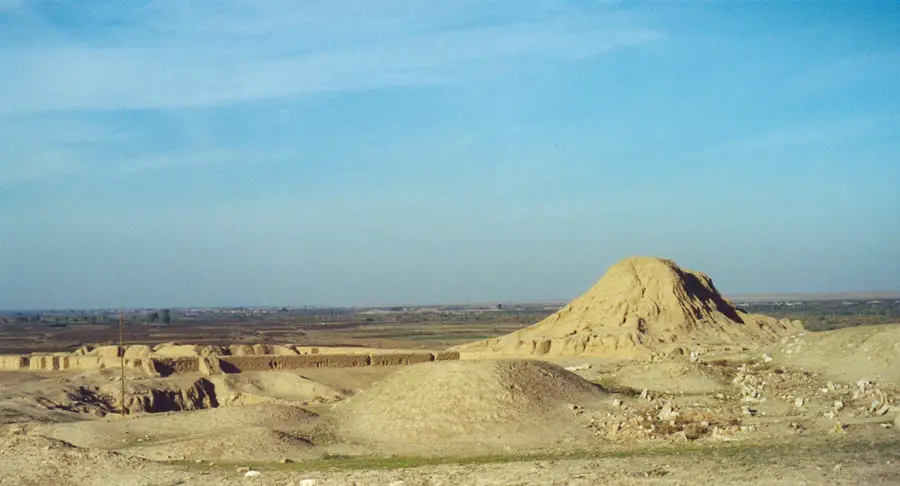
  • The main temple of the god Assur featured a massive, prominent ziggurat.
  • The city fell to the combined forces of the Medes in 614 BC.
  • In 2003, UNESCO designated the site as a World Heritage in Danger.
  • German archaeologists under Walter Andrae excavated Assur between 1903 and 1913.

Explore nearby

Notable places around
Route planner — Car & Motorhome

Where do you start? We build the route here, with stops and country notes along the way.

Vehicle
Only stops with (optional):

© OpenStreetMap contributors · OpenRouteService

Sights in the town Assur (5)

Kharaib al Ashuriyin🏺 historical

Ancient Assyrian remains and ruins located in the historic archaeological landscape of Assur.

Albokhtab Hall🏰 castle

A fortified historic structure or castle site situated within the ancient city area of Assur.

Albokhatab Hall🏰 castle

The ruins of a historic hall or fortification near the ancient walls of the first Assyrian capital.

Kar-Tukulti-Ninurta🏺 historical

An ancient Assyrian cult center and royal residence founded on the eastern bank of the Tigris.

Ashur (Qal'at Sherqat)🏺 historical

The first capital of the Assyrian Empire and a UNESCO World Heritage Site overlooking the Tigris.

Sights nearby

Frequently asked questions

Why was Assur important?
It was the first capital of the Assyrian Empire and a religious center.
Where is the archaeological site located?
On the western bank of the Tigris, in the al-Shirqat district.
What is the biggest threat to the ruins?
Besides wars, a planned dam previously threatened the site.
What can you see there?
The remains of the ziggurat, temple ruins, and the ancient city walls.
Is Assur a UNESCO World Heritage site?
Yes, it has been on the list since 2003 but is classified as 'in danger'.
Assur: where is it located?
Assur is located in Iraq.
Assur: what is there to see?
Highlights include Kharaib al Ashuriyin, Albokhtab Hall, Albokhatab Hall.
Assur: when is the best time to visit?
The most pleasant time to visit is Apr, May, Oct.
Assur: why is it worth visiting?
Assur, located on the western bank of the Tigris River in the Saladin Governorate, was the first capital and the religious center of the Assyrian Empire.
View on map → The Top 50 Attractions → OpenStreetMap →
Asia
Explore with Plizio Discover more places in Asia
More places in Iraq →

Nearby cities

History & landmarks

Nature
More places