Plizio Visual Lab

Nineveh
Plizio editorial teamData Sources
ruin
—°9
Nineveh (Iraq)

Weather…

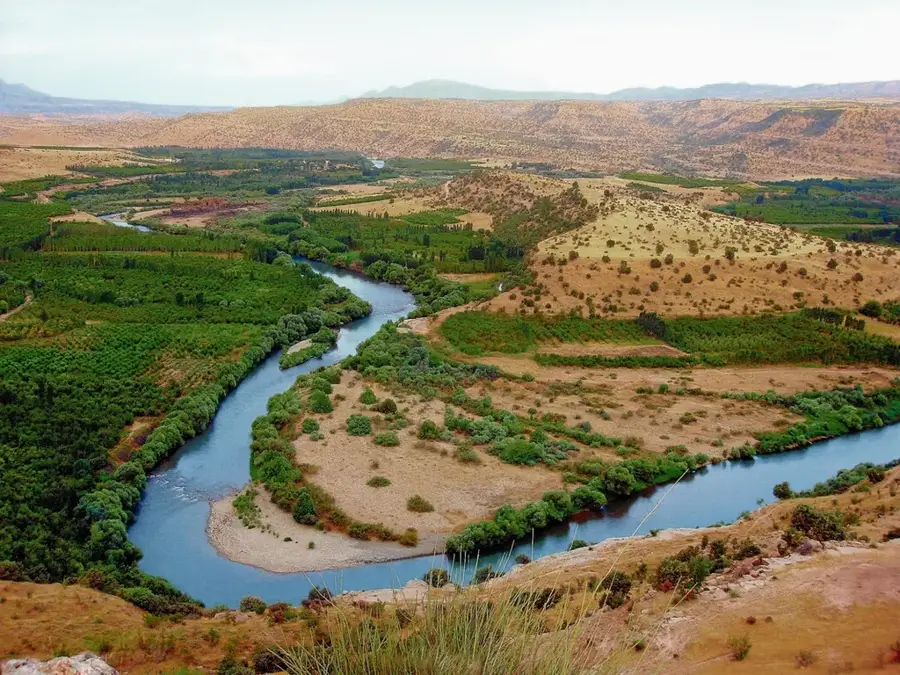
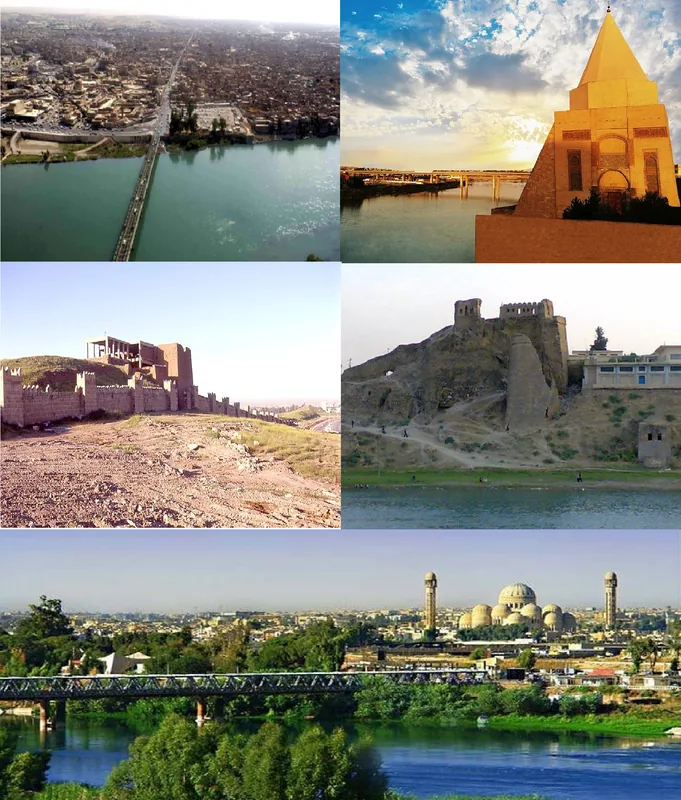
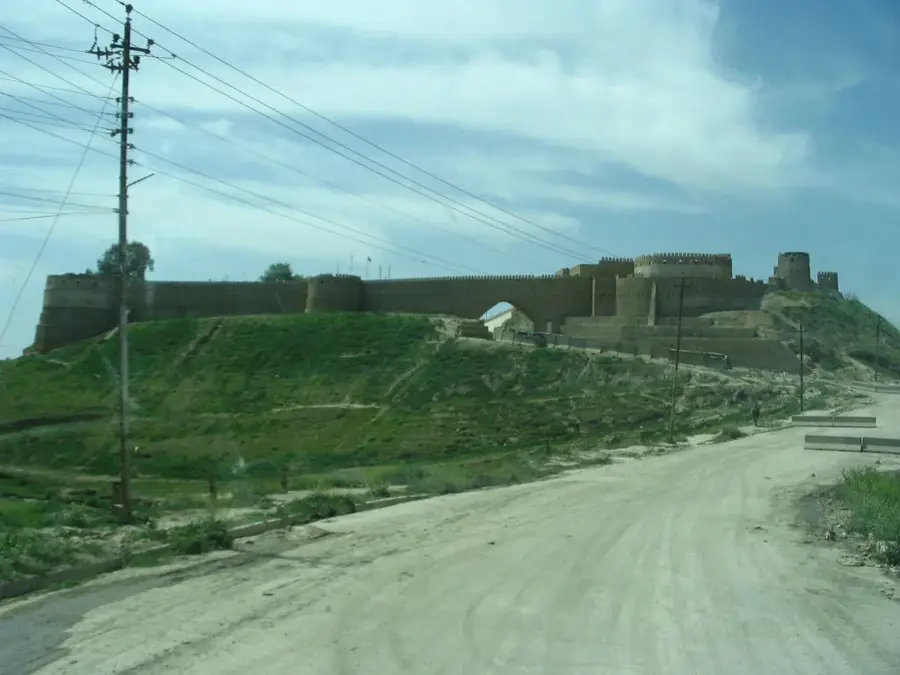
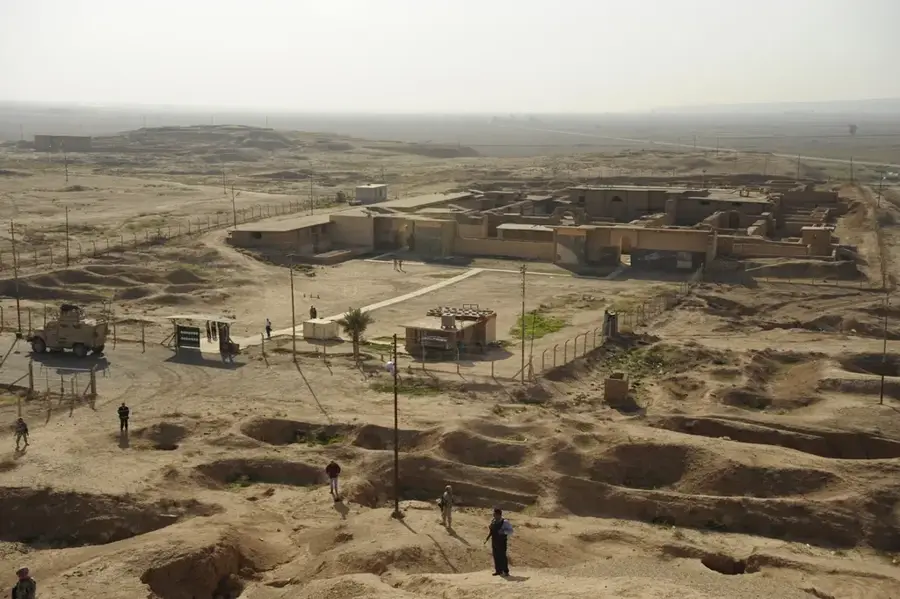
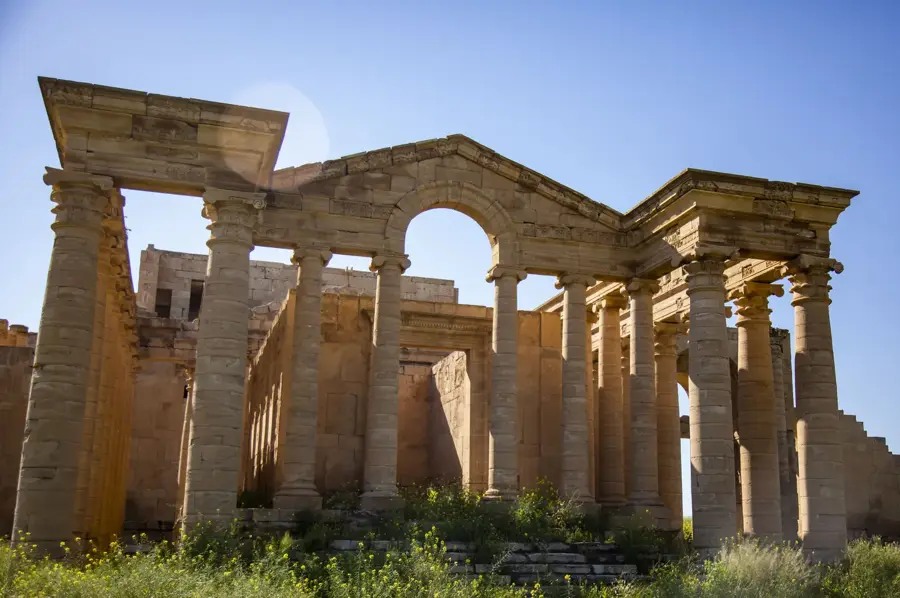
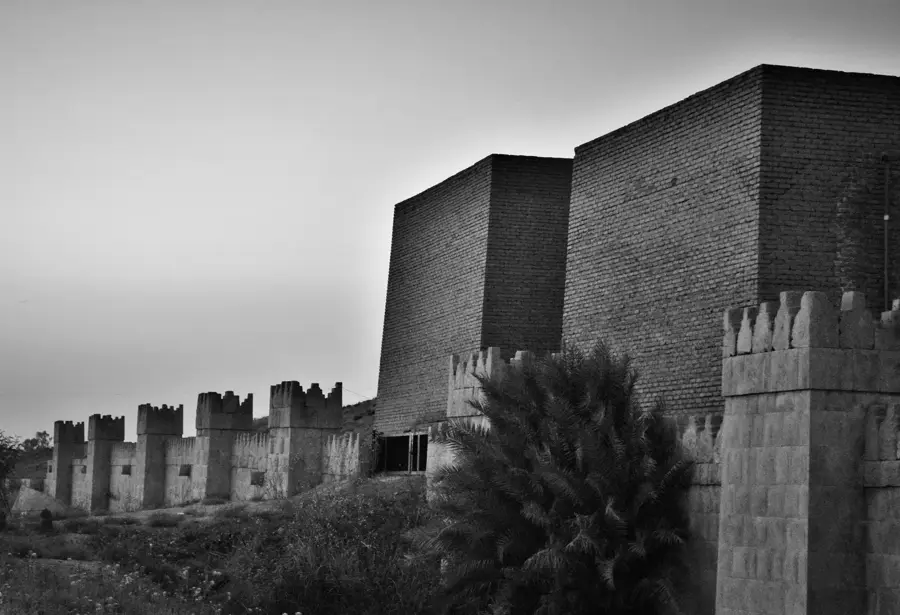
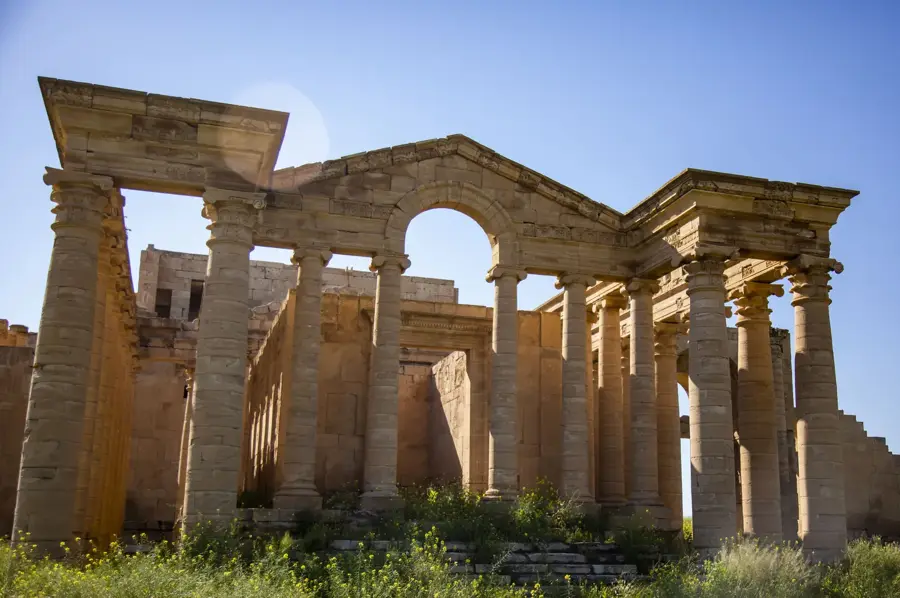
Nineveh was one of the most powerful cities of ancient Mesopotamia and served as the last capital of the Neo-Assyrian Empire. Located on the eastern bank of the Tigris River in modern-day Mosul, the city reached its greatest extent under Kings Sennacherib and Ashurbanipal in the 7th century BC. Spanning 750 hectares, it was briefly the largest city in the world, protected by a 12-kilometer-long city wall with 15 monumental gates. Nineveh is world-renowned for the Library of Ashurbanipal, which housed over 30,000 cuneiform tablets, including the Epic of Gilgamesh. The magnificent palaces were decorated with intricate stone reliefs depicting military victories and royal hunting scenes. The city fell in 612 BC following a long siege by an alliance of Medes and Babylonians, marking the definitive end of Assyrian dominance in the region.

Best time to visit & climate

The most pleasant time to visit is Apr, May, Oct.

JanFebMarAprMayJunJulAugSepOctNovDec
Avg °C681318253135353023148
Rain mm47425447193112213247

📋 Practical info

🚪
Visiting
The remnants of this once-great Assyrian capital are largely open-air archaeological areas that visitors can explore on foot. Due to urban encroachment and historical events, some specific excavated sections might be temporarily closed for preservation.
🕒
Typical hours
While the ancient walls and gates generally remain visible at any time, daytime is the only practical period for a comprehensive visit. Official opening hours are rarely standardized, so early morning or late afternoon exploration provides the best lighting.
📷
Photography
Capturing the sprawling layout of the empire's former capital is generally welcomed throughout the unrestricted zones. However, always exercise extreme caution and avoid photographing modern military installations or local security forces operating nearby.
⏱️
Time needed
Most visitors spend approximately one to two hours observing the surviving gates, massive ramparts, and scattered ruins. If you intend to closely inspect multiple areas of the site, allocating slightly more time is definitely advisable.
Combine with
Pairing your exploration here with a visit to Nimrud creates a highly educational journey through the ancient history of Mesopotamia. Local guides frequently arrange specialized day trips that logically connect these closely related historical centers.
🧭
Getting there
Situated extremely close to modern-day Mosul, the site is most safely accessed by arranging reliable transport through a vetted tour operator. Navigating the current urban landscape surrounding the ancient footprint often requires deep local knowledge.
💡
Insider tip
Engaging the services of an experienced archaeological guide will completely transform your visit by bringing the fragmented stones to life. They can efficiently explain the complex history of the empire and safely navigate the surrounding environment.

Geography

Coordinates
36.35920, 43.14920

Facts

  • In the 7th century BC, Nineveh was the largest city in the world, covering 750 hectares.
  • The outer city wall had a total length of approximately 12 kilometers.
  • King Sennacherib made Nineveh the official Assyrian capital around 700 BC.
  • Over 30,000 clay tablets were discovered in the ruins of the Library of Ashurbanipal.
  • The city was destroyed in 612 BC by a coalition of Medes and Babylonians.
  • The archaeological site today consists of two main mounds: Kuyunjik and Nabi Yunus.

Explore nearby

Notable places around
Route planner — Car & Motorhome

Where do you start? We build the route here, with stops and country notes along the way.

Vehicle
Only stops with (optional):

© OpenStreetMap contributors · OpenRouteService

Sights in the town Nineveh (9)

Nebi Yunus🏺 historical

Nebi Yunus is a significant archaeological site in the ancient city of Nineveh.

Nineveh🏺 historical

Nineveh was an important ancient city of the Assyrian empire, its ruins now providing valuable archaeological insights.

Hanging Gardens🏺 historical

The Hanging Gardens are among the fascinating ruins in the vicinity of Nineveh.

jaddo🏰 castle

Jaddo is an old castle situated in the historical region of Nineveh.

Abo yazan🏰 castle

Abo yazan is a historical castle structure located in the Nineveh area.

Library of Ashurbanipal🏛 museum

The Library of Ashurbanipal is a museum exhibiting artifacts from this renowned ancient collection in Nineveh.

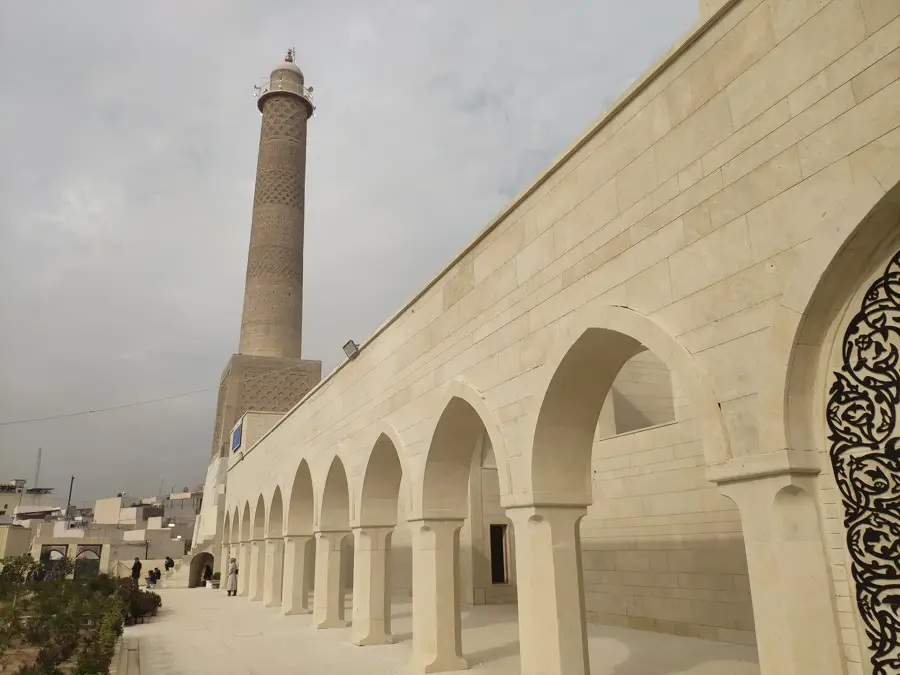
Al-Mahmoud Mosque⛪ religious

Al-Mahmoud Mosque is a local place of worship situated in Nineveh.

Mosque of God's beloved ones⛪ religious

Mosque of God's beloved ones is a religious site for prayer located in Nineveh.

Mosque of Mercy of God⛪ religious

Mosque of Mercy of God is an active place of worship serving the community in Nineveh.

Sights nearby

Frequently asked questions

Was Nineveh a capital?
Yes, it was the magnificent capital of the Neo-Assyrian Empire under Sennacherib.
What can still be seen today?
The massive city walls and gates (partially reconstructed) as well as palace ruins.
Where is Nineveh located?
Directly on the eastern bank of the Tigris, opposite the modern city of Mosul.
Was Ashurbanipal's library found here?
Yes, thousands of cuneiform tablets were discovered in the ruins.
Are there entrance fees?
A small fee is often charged for official excavation areas.
Nineveh: where is it located?
Nineveh is located in Iraq.
Nineveh: what is there to see?
Highlights include Nebi Yunus, Nineveh, Hanging Gardens.
Nineveh: when is the best time to visit?
The most pleasant time to visit is Apr, May, Oct.
Nineveh: why is it worth visiting?
Nineveh was one of the most powerful cities of ancient Mesopotamia and served as the last capital of the Neo-Assyrian Empire.
View on map → The Top 50 Attractions → OpenStreetMap →
Asia
Explore with Plizio Discover more places in Asia
More places in Iraq →

Nearby cities

History & landmarks
Nature
More places