Plizio Visual Lab

Nimrud
Plizio editorial teamData Sources
ruin
—°6
Nimrud (Iraq)

Weather…

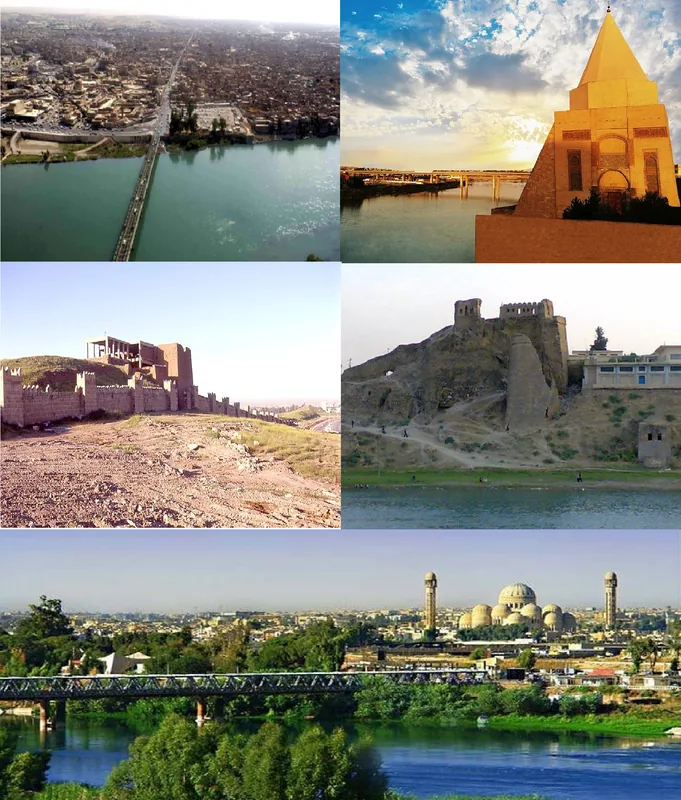
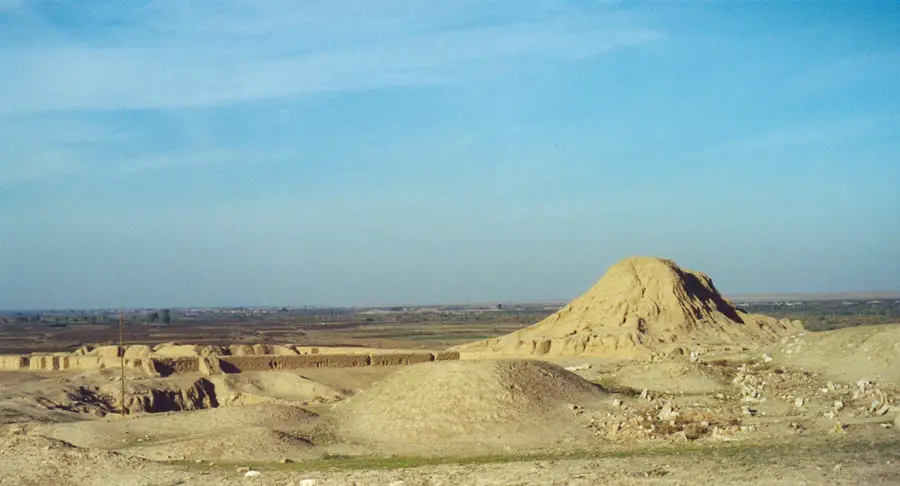
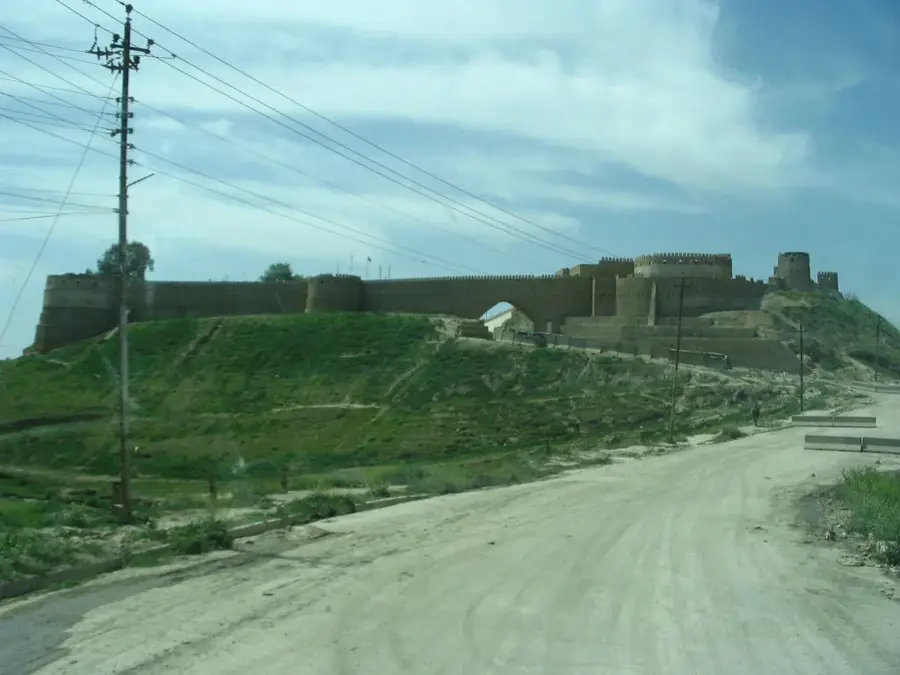
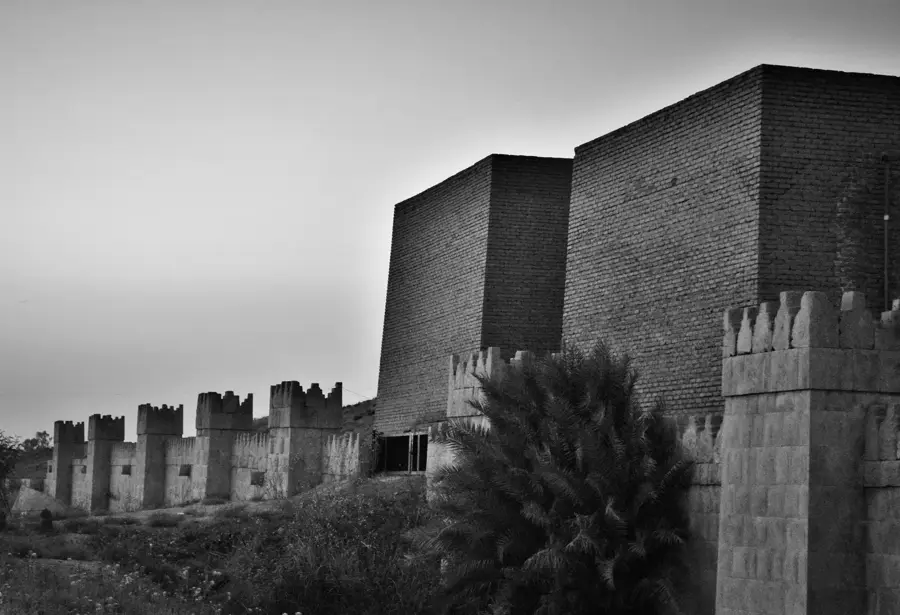
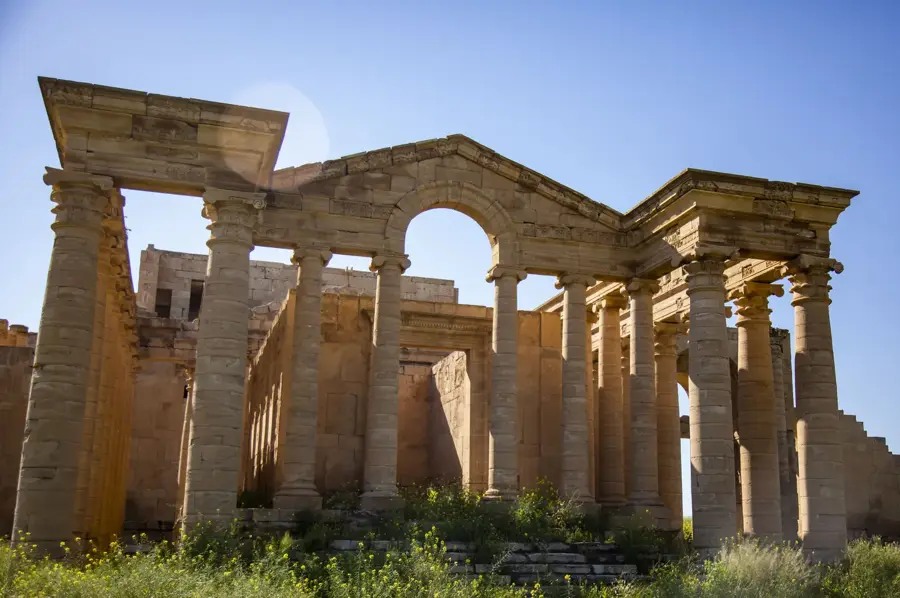
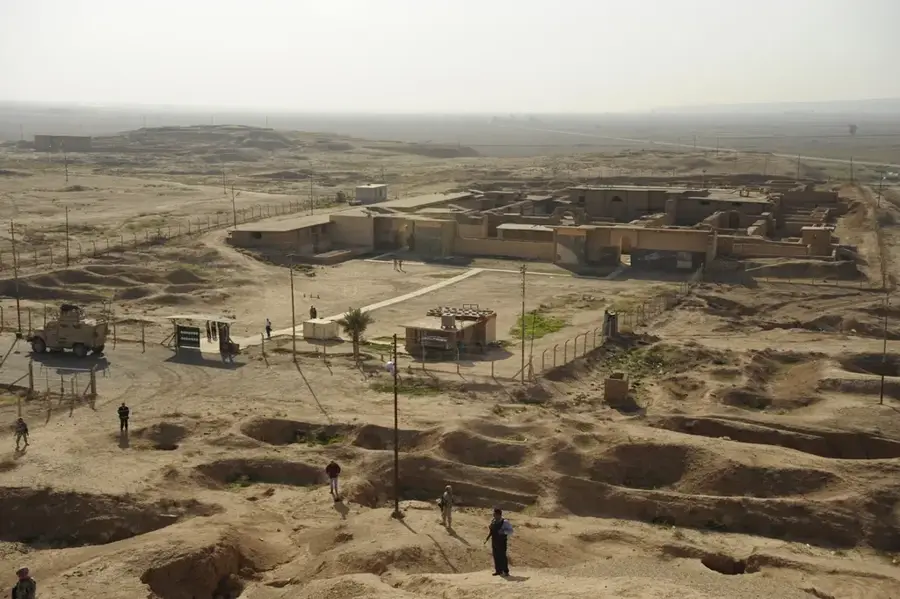
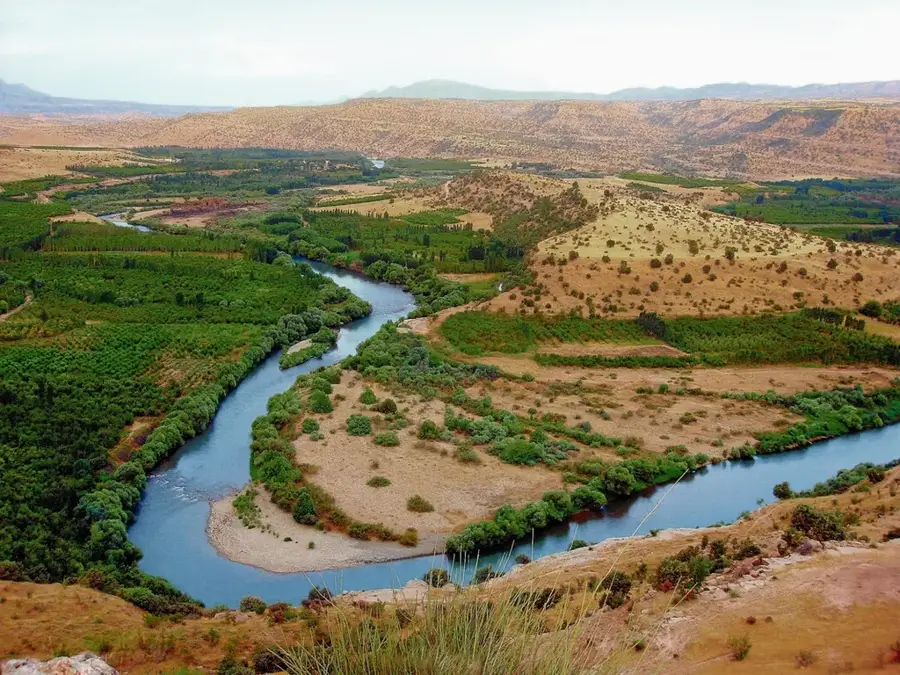
Nimrud, known in antiquity as Kalhu, was a major center of the Assyrian Empire located south of Mosul on the Tigris River. The city was founded in the 13th century BC but reached its peak under Ashurnasirpal II in the 9th century BC, who made it his capital. Outstanding architectural features included the Northwest Palace and monumental Lamassu sculptures, winged bulls with human heads that guarded the entrances. The palace walls were adorned with fine reliefs documenting religious rituals and military achievements. Archaeological treasures, such as the 'Treasure of Nimrud' containing gold and precious gems, were discovered here in the 20th century. Tragically, the site suffered irreparable damage in 2015 due to deliberate destruction by ISIS, representing a massive loss to global cultural heritage and ancient history.

Best time to visit & climate

The most pleasant time to visit is Apr, May, Oct.

JanFebMarAprMayJunJulAugSepOctNovDec
Avg °C791419253235353024149
Rain mm42375042162112183141

📋 Practical info

🚪
Visiting
The ancient Assyrian ruins can generally be explored outdoors, allowing visitors to walk among the remnants of the massive palaces and giant stone figures. Access may occasionally be restricted due to ongoing archaeological or restoration work.
🕒
Typical hours
There are typically no strictly enforced opening hours for the archaeological site, but daytime visits during daylight hours are strongly recommended. Security conditions and local regulations dictate when tourists are permitted to enter the area.
📷
Photography
Photography is usually permitted across the outdoor ruins, offering incredible opportunities to capture the vast scale of the ancient Assyrian architecture. Always ask your local guide before taking pictures of any security personnel or nearby checkpoints.
⏱️
Time needed
Exploring the extensive remains of this former capital usually requires about two to three hours of dedicated walking. Devoting enough time allows you to truly appreciate the historical magnitude of the monumental palace structures.
Combine with
A visit to these ruins is best combined with a broader tour of northern Iraq's historical sites, including nearby Nineveh. Engaging a knowledgeable local guide will help connect the fascinating history of these prominent Assyrian locations.
🧭
Getting there
Travelers typically reach the site by hiring a private vehicle with a driver from Mosul or Erbil, depending on the current security situation. Organizing transport through a registered tour company ensures you have the correct permits and an experienced guide.
💡
Insider tip
Because tourist infrastructure is virtually nonexistent at the ruins, it is essential to bring plenty of your own drinking water and sun protection. Wearing sturdy footwear is also crucial for safely navigating the uneven, debris-strewn ancient paths.

Geography

Coordinates
36.09830, 43.32830

Facts

  • Nimrud was founded in the 13th century BC by King Shalmaneser I.
  • The Northwest Palace of Ashurnasirpal II covered an area of nearly 24 hectares.
  • The monumental Lamassu statues often weighed over 30 tons each.
  • The 'Treasure of Nimrud,' containing 613 gold items, was discovered in 1988.
  • The city served as the capital of the Assyrian Empire until 706 BC.
  • In 2015, large portions of the palace complexes were deliberately destroyed by ISIS.

Explore nearby

Notable places around
Route planner — Car & Motorhome

Where do you start? We build the route here, with stops and country notes along the way.

Vehicle
Only stops with (optional):

© OpenStreetMap contributors · OpenRouteService

Sights in the town Nimrud (6)

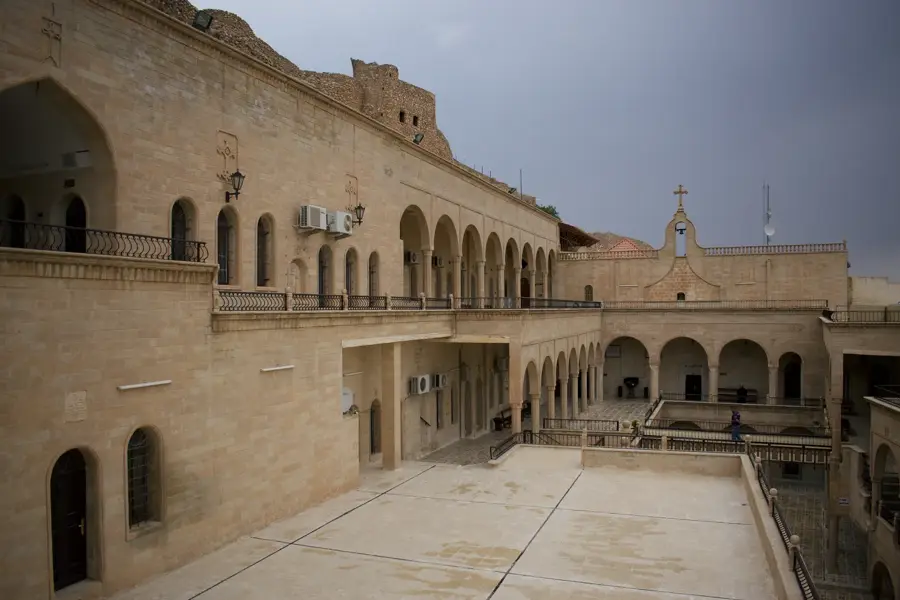
Mar Behnam Monastery⛪ religious

This 4th-century Syriac Orthodox monastery near Nimrud is renowned for its intricate stone carvings.

snedej📍 landmark

A local attraction situated in the historic Nimrud plains near the Tigris River.

Mashru Hasa al Mawsil Raqam Wahid📍 landmark

This windmill serves as a landmark for the irrigation projects near the Nimrud plains.

Fort Shalmaneser🏺 historical

These ancient ruins once served as a major military arsenal of the Assyrian Empire.

Northwest Palace (Palace of Ashur-Nasir-Pal II)🏺 historical

The primary residence of Ashurnasirpal II features monumental Assyrian stone reliefs.

Nimrud🏺 historical

The ancient Neo-Assyrian capital of Nimrud is famous for its prominent ziggurat mound.

Sights nearby

Frequently asked questions

What was Nimrud in ancient times?
It was a major Assyrian city, known as Kalhu.
What is the current state of the ruins?
The site was massively destroyed in 2015; reconstruction efforts are slowly beginning.
Where is Nimrud located?
About 30 kilometers south of Mosul in northern Iraq.
What are Lamassu figures?
Protective deities with a human head, bull body, and wings that guarded gates.
Was gold found there?
Yes, the 'Treasure of Nimrud' from the royal tombs is world-famous.
Nimrud: where is it located?
Nimrud is located in Iraq.
Nimrud: what is there to see?
Highlights include Mar Behnam Monastery, snedej, Mashru Hasa al Mawsil Raqam Wahid.
Nimrud: when is the best time to visit?
The most pleasant time to visit is Apr, May, Oct.
Nimrud: why is it worth visiting?
Nimrud, known in antiquity as Kalhu, was a major center of the Assyrian Empire located south of Mosul on the Tigris River.
View on map → The Top 50 Attractions → OpenStreetMap →
Asia
Explore with Plizio Discover more places in Asia
More places in Iraq →

Nearby cities

History & landmarks

Nature
More places