Plizio Visual Lab

Shanidar Cave
Plizio editorial teamData Sources
tourist-attraction
—°4
Shanidar Cave (Iraq)

Weather…

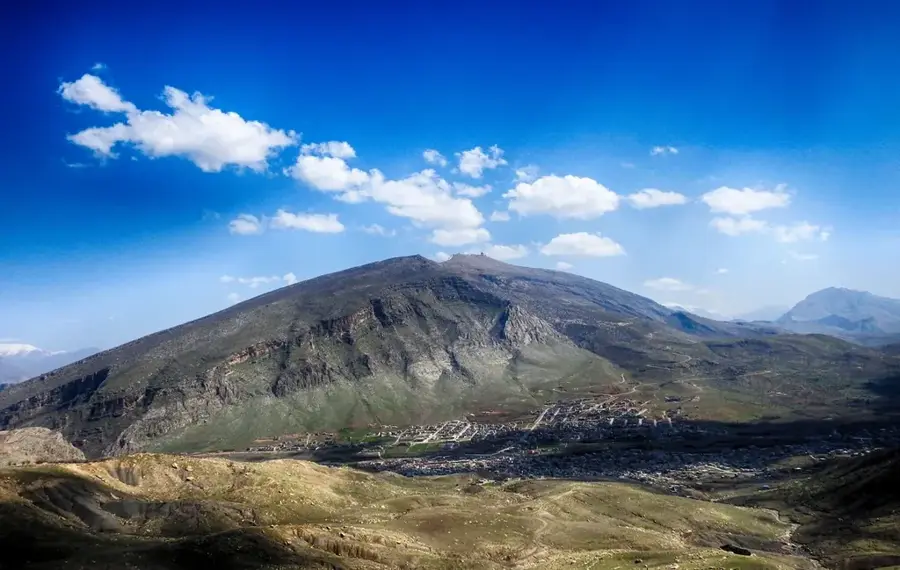
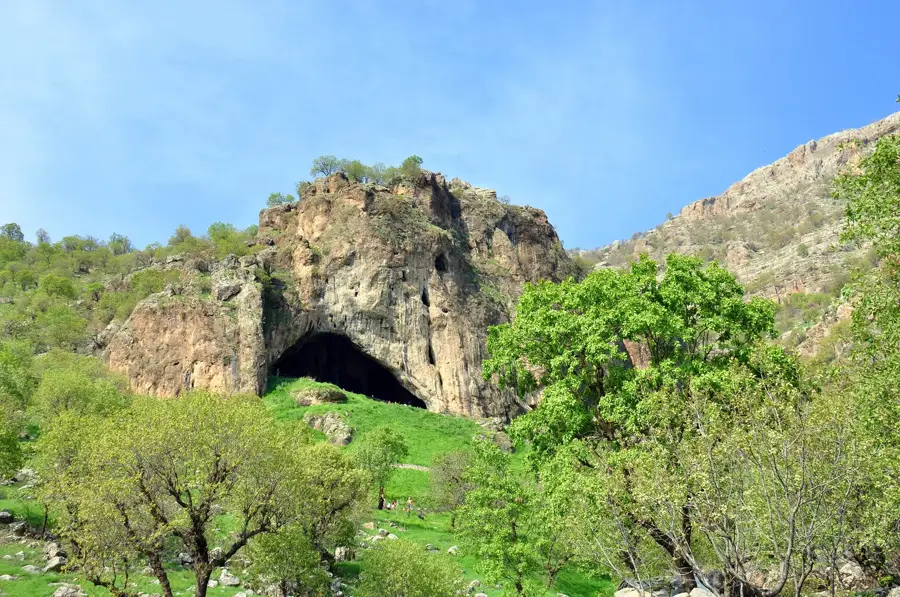
Shanidar Cave, located at an elevation of 745 meters in the Bradost Mountains, is a highly significant archaeological site in the Kurdistan Region of Iraq. American archaeologist Ralph Solecki conducted excavations between 1951 and 1960, uncovering the remains of ten Neanderthals inside the 18-meter-high and 53-meter-wide cave. The discovered fossils are dated between 35,000 and 65,000 years old. A major discovery was a skeleton surrounded by significant amounts of pollen, which researchers interpret as early evidence of intentional burial rituals. The remains of another individual showed signs of severe healed injuries, suggesting that the group cared for their disabled members. In 2014, a research team from Cambridge University initiated new excavations, discovering additional Neanderthal bones within the 8-meter-deep sediment layers.

Best time to visit & climate

The most pleasant time to visit is May, Sep, Oct.

JanFebMarAprMayJunJulAugSepOctNovDec
Avg °C2481319263030251894
Rain mm44406156318334304146

📋 Practical info

🚪
Visiting
The massive natural limestone caves can be comprehensively explored, revealing the remarkable archaeological excavation sites found inside to visitors. The uneven natural terrain requires good sturdy footwear and surefootedness when moving within the cave.
🕒
Typical hours
The cave is generally accessible to visitors during daylight hours, though there are typically no strict, fixed operating times like commercial attractions. It is best to plan your arrival for the morning or early afternoon to ensure plenty of natural light.
📷
Photography
Photographing the imposing cave entrance and the surrounding mountain landscape is very popular and completely unrestricted. Inside, however, the sparse lighting can make photography somewhat difficult, making a camera with good low-light performance advantageous.
⏱️
Time needed
Most visitors spend roughly one to two hours taking in the massive interior of the cave and climbing the steep steps up to the entrance. Those with a strong interest in Neanderthal history should allocate extra time to carefully read the informative plaques.
Combine with
An excursion to the cave combines excellently with a scenic drive through the dramatic mountainous region of Iraqi Kurdistan. Many tourists subsequently visit local mountain villages to deeply experience the region's authentic culture and warm hospitality.
🧭
Getting there
Access is primarily by car along winding, highly scenic mountain roads, followed by a fairly steep stair climb to reach the actual cave entrance. Hiring a reliable private driver or joining a guided tour is often the easiest and most practical option.
💡
Insider tip
It is recommended to wear comfortable, closed-toe shoes with good grip, as the stairs and the cave floor can be slippery and uneven. Do not forget to bring plenty of drinking water, especially if you are traveling during the much warmer summer months.

Geography

Coordinates
36.80000, 44.24030

Facts

  • The entrance to the cave is 53 meters wide, with an interior height reaching 18 meters.
  • Ralph Solecki conducted the first major excavations between 1951 and 1960.
  • Experts date the age of the excavated remains between 35,000 and 65,000 years.
  • The skeletons of 10 distinct Neanderthal individuals were identified in the cave sediment.
  • Archaeological layers have been excavated up to a depth of 8 meters from the cave floor.
  • Researchers from Cambridge University commenced new excavation work at the site in 2014.

Explore nearby

Notable places around

Route planner — Car & Motorhome

Where do you start? We build the route here, with stops and country notes along the way.

Vehicle
Only stops with (optional):

© OpenStreetMap contributors · OpenRouteService

Sights in the town Shanidar Cave (4)

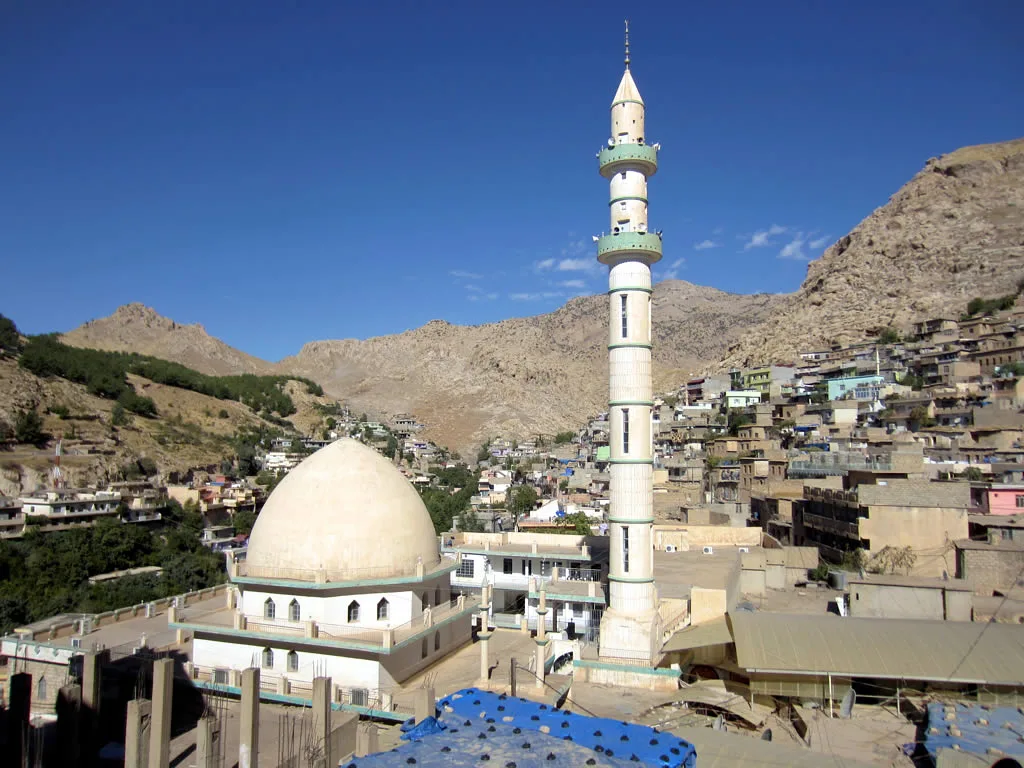
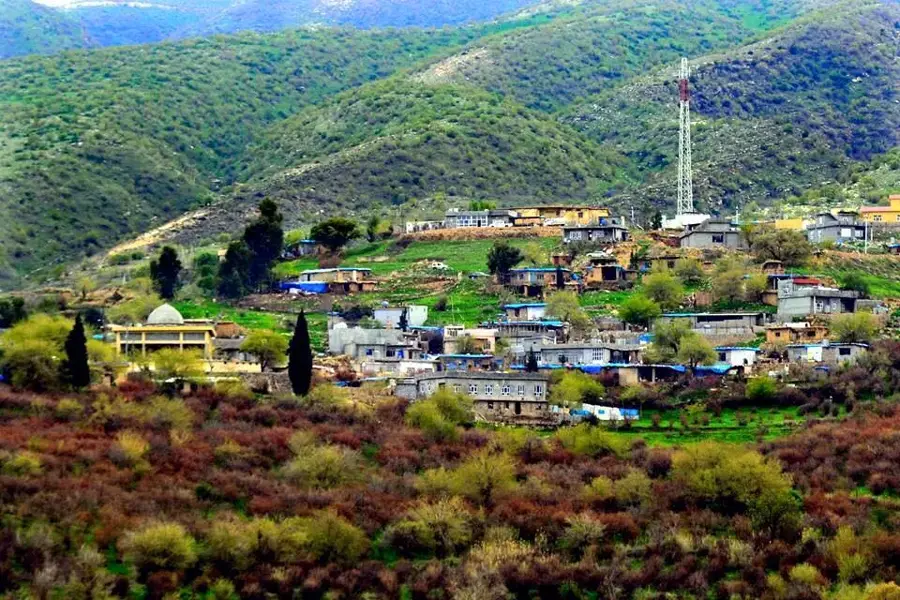
Ashkaftq village🌿 nature

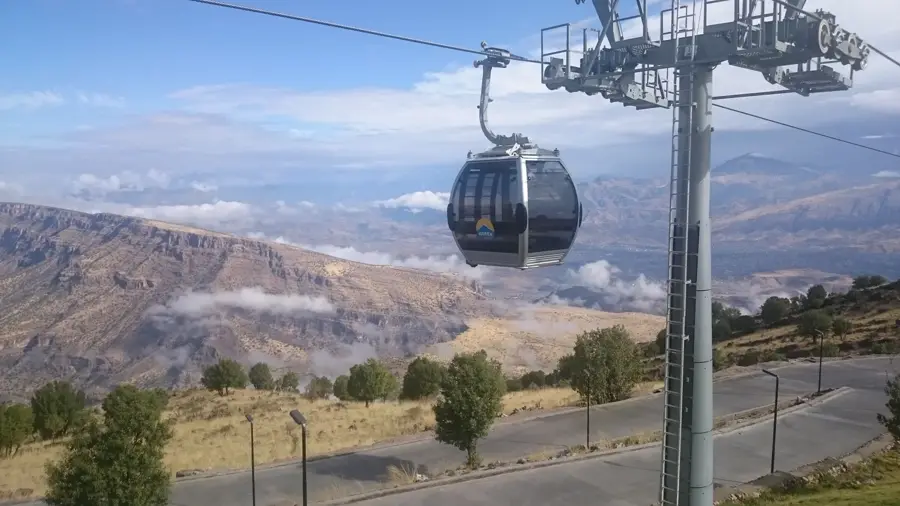
A scenic lookout providing broad views over Ashkaftq village.

Qalatok🌿 nature

A prominent mountain viewpoint located near the Shanidar cave.

Purasal🌿 nature

An elevated observation point overlooking the surrounding Shanidar valleys.

Shanadar cave📍 landmark

Famous Paleolithic cave where significant Neanderthal skeletons were discovered.

🆓

Sights nearby

Frequently asked questions

Why is the Shanidar Cave famous?
It is famous for the discovery of Neanderthal remains that suggested complex burial rituals.
Where is the cave located?
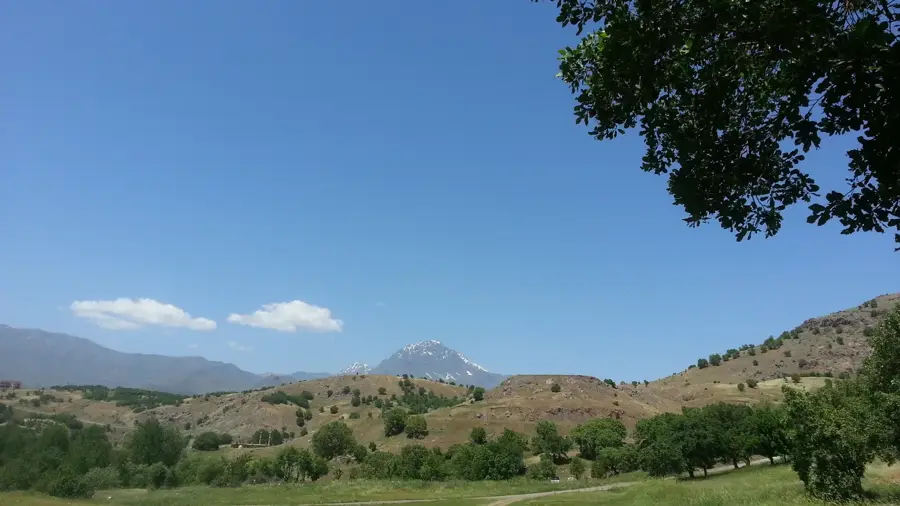
It is located in the Bradost Mountains within the Kurdistan Region of northern Iraq.
Is the climb to the cave difficult?
It is a relatively easy hike on a defined path, though proper walking shoes are recommended.
When is the best time to visit?
Spring and autumn are the best times to visit for pleasant temperatures and beautiful green scenery.
Is there an entrance fee for the cave?
A small parking or entrance fee is often charged at the base of the mountain access area.
Shanidar Cave: where is it located?
Shanidar Cave is located in Iraq.
Shanidar Cave: what is there to see?
Highlights include Ashkaftq village, Qalatok, Purasal.
Shanidar Cave: when is the best time to visit?
The most pleasant time to visit is May, Sep, Oct.
Shanidar Cave: why is it worth visiting?

Shanidar Cave, located at an elevation of 745 meters in the Bradost Mountains, is a highly significant archaeological site in the Kurdistan Region of Iraq.
View on map → The Top 50 Attractions → OpenStreetMap →
Asia
Explore with Plizio Discover more places in Asia
More places in Iraq →

Nearby cities

History & landmarks
More places