Plizio Visual Lab
Gorgan
ℹ️Practical info — Gorgan
▾
🌤 Weather — 5 days
📍 Nearby
Sights nearby
💡 Tips
- Explore the Naharkhoran Forest early in the morning to avoid the weekend crowds.
- Taxis are the easiest way to get around the city, negotiate the fare beforehand.
- Respect local dress codes, especially for women.
- Try to visit during spring or autumn as summers can be very humid.
🍽 Food
Chicken cooked with pomegranate paste: Try it at traditional restaurants near Naharkhoran.
Look for bakeries in the old bazaar area.
A refreshing yogurt drink available at almost any local eatery to accompany your meal.
🛍 Shopping · 🧘 Quiet spots
Great for local spices, textiles, and traditional crafts.
Look for Turkmen rugs and silk products in the city center.
A beautiful, densely forested area excellent for a quiet walk.
A peaceful mountain village just south of the city with a cooler climate.
Water temperature…
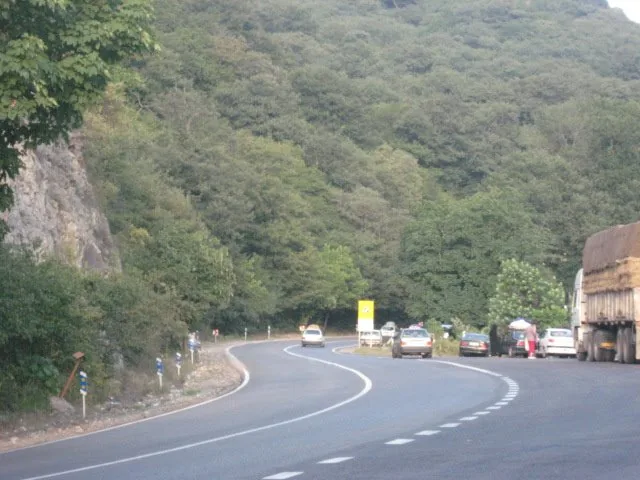
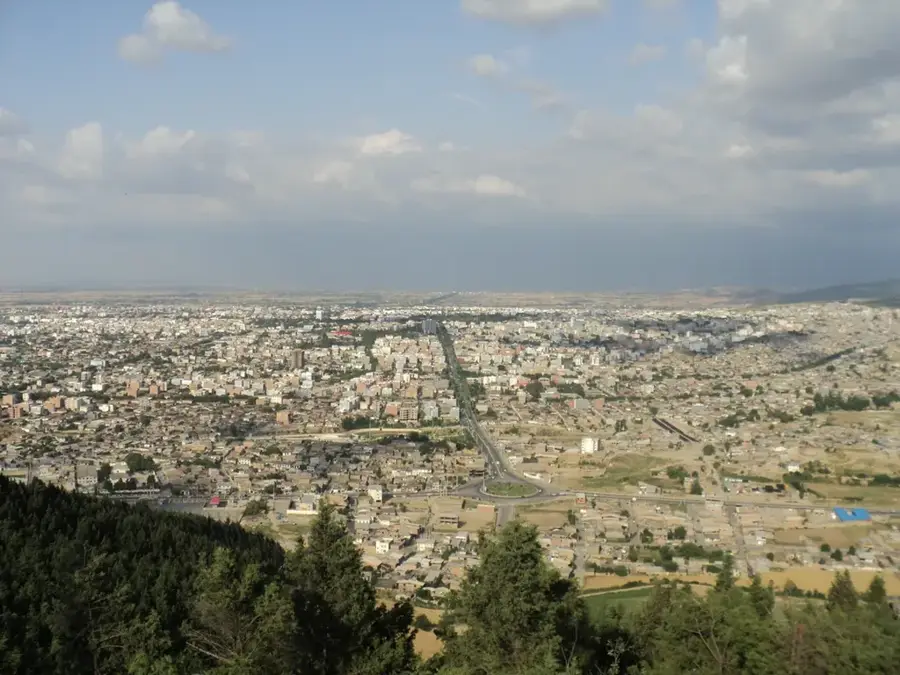
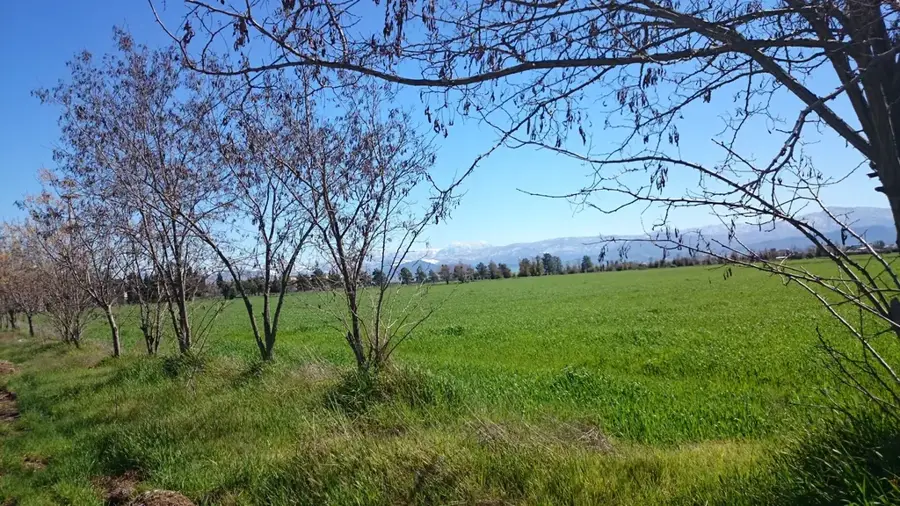
Gorgan, the capital of Golestan Province in northeastern Iran, is a city of remarkable contrast, where dense deciduous forests meet the vast Central Asian steppes. Known in antiquity as Hyrcania (Land of Wolves), the city has been a vital center of civilization for over two millennia. Situated on the northern slopes of the Alborz Mountains and just a short distance from the Caspian Sea, Gorgan enjoys a humid subtropical climate, making it one of Iran's most fertile and verdant regions. Historically referred to as Astrabad, the city’s old quarter features a unique style of architecture with steep tiled roofs and narrow alleys, reminiscent of the traditional Caspian coastal style. The region is home to the Great Wall of Gorgan, a colossal 195-kilometer defensive barrier built during the Sassanid era to fend off northern nomadic incursions, representing a masterpiece of ancient engineering. Nature is Gorgan’s greatest asset; the Naharkhoran Forest and the nearby Alangdareh Park offer remarkable seasonal colors and a cool retreat from the summer humidity. The city’s population is an ethnic tapestry including Persians, Turkmens, and Mazandaranis, contributing to a diverse culinary and cultural landscape. Gorgan is a powerhouse of Iranian agriculture, producing significant quantities of cotton, tobacco, and oilseeds. The city also serves as an important gateway to the Golestan National Park, Iran's oldest national park and a biodiversity hotspot. Modern Gorgan is a growing administrative and educational center, hosting several prominent universities. Visitors often travel to the high-altitude village of Ziarat, famous for its traditional lifestyle, ancient mosque, and waterfall. The local bazaar is a hub for the trade of Turkmen carpets and traditional jewelry. With its deep historical roots, lush green scenery, and strategic location on the ancient Silk Road, Gorgan remains one of Iran's most attractive and culturally rich cities.
- Location: Iran
- Top sights: Saray-e Bagheriha · Gorgan Museum · Gorgan Archaeology Museum
- Population: ~244.937 (2024)
Best time to visit & climate
The most pleasant time to visit is May, Sep, Oct.
| Jan | Feb | Mar | Apr | May | Jun | Jul | Aug | Sep | Oct | Nov | Dec | |
|---|---|---|---|---|---|---|---|---|---|---|---|---|
| Avg °C | 7 | 8 | 12 | 17 | 23 | 27 | 29 | 29 | 25 | 19 | 12 | 8 |
| Rain mm | 28 | 34 | 42 | 34 | 19 | 9 | 9 | 8 | 13 | 24 | 38 | 26 |
Geography
Facts
- The city’s old name, Astrabad, means 'City of Stars'.
- The Great Wall of Gorgan was built between 420s AD and 530s AD.
- Gorgan is a major center for the Iranian tobacco industry.
- The Alangdareh forest park is famous for its vibrant autumn foliage.
- The city has a diverse population, including a significant Turkmen minority.
- Gorgan's distance from Tehran is approximately 400 kilometers.
- The Jameh Mosque of Gorgan dates back to the Seljuk period.
- The city is a hub for scientific research in natural resources.
Explore nearby
Notable places around



Route planner — Car & Motorhome
Where do you start? We build the route here, with stops and country notes along the way.
© OpenStreetMap contributors · OpenRouteService
Sights in the town Gorgan (4)
Frequently asked questions
What is Gorgan known for?
What is Nahar Khoran forest?
What is the Great Wall of Gorgan?
What is the climate like in Gorgan?
What ethnic diversity is there in Gorgan?
Gorgan: where is it located?
Gorgan: what is there to see?
Gorgan: when is the best time to visit?
Gorgan: why is it worth visiting?