Plizio Visual Lab

Shillong Plateau
Plizio editorial teamData Sources
plateau
—°
Shillong Plateau (India)

Weather…

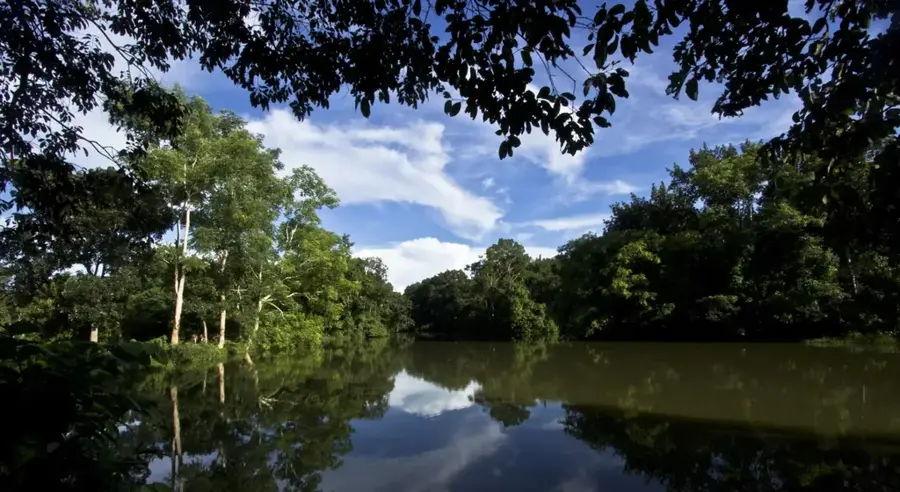
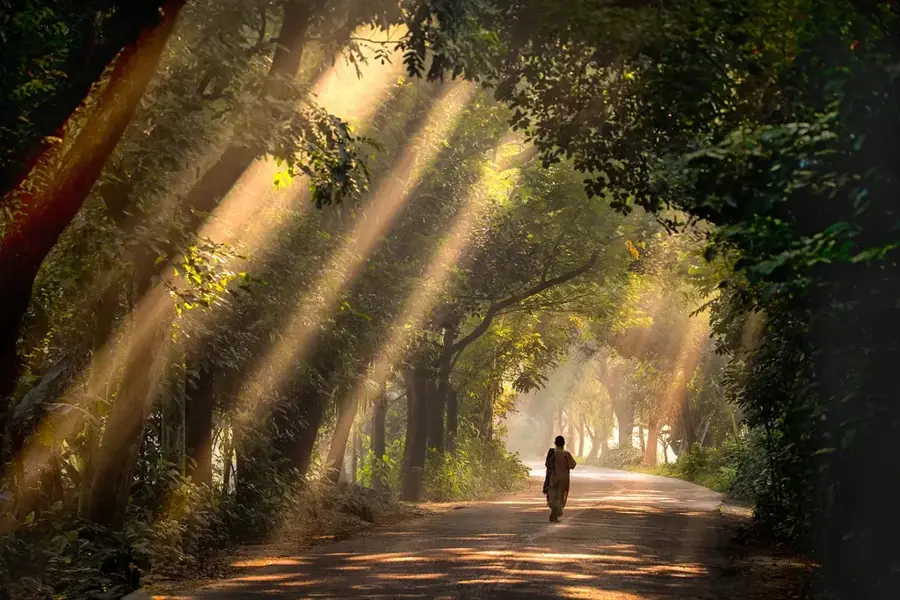
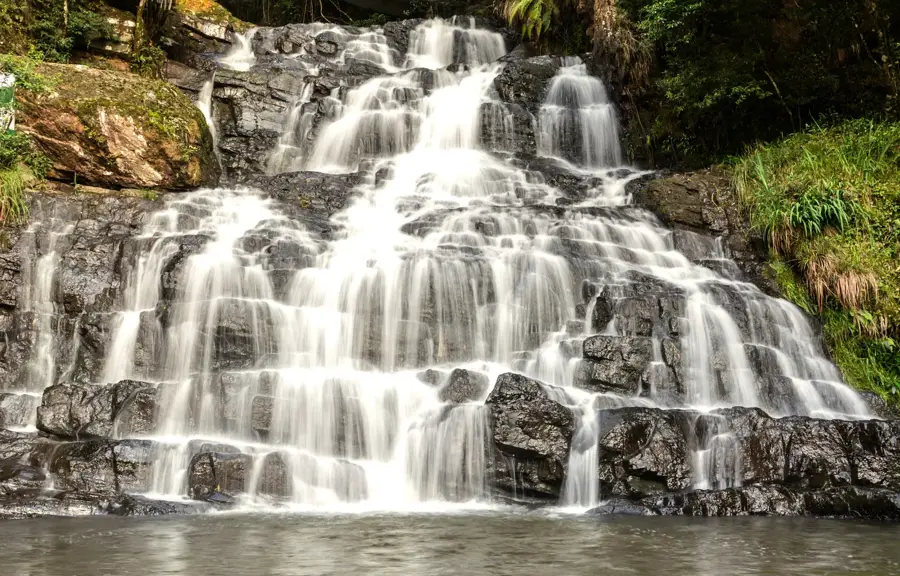
The Shillong Plateau is a prominent upland region in the northeastern state of Meghalaya, India, formed by tectonic uplift during the Tertiary period. Geologically, it is an isolated fragment of the Indian Shield, consisting primarily of ancient Precambrian gneisses and granites. The plateau maintains an average elevation of about 1,500 meters, with Shillong Peak serving as its highest point at 1,966 meters above sea level. The region is world-renowned for its extreme rainfall, with Mawsynram and Cherrapunji being among the wettest inhabited places on Earth. These climatic conditions have sculpted a landscape of lush evergreen forests, deep gorges, and spectacular waterfalls like the Nohkalikai Falls. Culturally, it is the ancestral home of the Khasi, Jaintia, and Garo tribes, who are famous for their unique bio-engineering feat of living root bridges. Today, the plateau remains a vital ecological zone and a major watershed for the plains of Assam and Bangladesh.

Best time to visit & climate

The most pleasant time to visit is Feb, Mar, Nov.

JanFebMarAprMayJunJulAugSepOctNovDec
Avg °C121418212223232323201713
Rain mm1029803154185765874483591991714

📋 Practical info

🧭
Getting there
The plateau is most commonly approached from Guwahati in the neighboring state of Assam, from where well-maintained mountain roads wind up to Shillong and Cherrapunji. Taxis and shared jeeps are the usual means of transportation to negotiate the steep switchbacks and reach the various isolated natural wonders of the region.
📅
Best season
The most pleasant time for exploration is typically between October and April, when the climate is cool and the enormous monsoon rainfall has significantly subsided. The monsoon from June to September brings extreme amounts of rain, making this region one of the wettest places on Earth and frequently rendering paths impassable.
⛰️
Terrain & paths
The landscape encompasses gently rolling hills, dense subtropical forests, and spectacularly plunging cliffs adorned with gigantic waterfalls. The trails to the famous living root bridges often require descending thousands of uneven stone steps deep into the river valleys, demanding solid physical stamina for the subsequent strenuous ascent.
🎒
What to bring
Reliable rain gear and waterproof footwear with extremely good traction are absolutely necessary, as the moss-covered stone steps are almost perpetually slippery. Lightweight, quick-drying clothing significantly helps manage the high humidity, and insect repellent should always be considered standard equipment deep in the valleys.
🅿️
Parking
In larger towns like Shillong, heavy traffic and limited parking spaces are common, making it highly advisable to rely on hotel parking. At more remote trailheads, such as those in Tyrna, there are small, managed parking areas where a nominal fee must usually be paid to the local village community for keeping vehicles secure.
⚠️
Safety
The extremely damp and mossy steps carry a high risk of slipping, making a very deliberate and cautious walking pace absolutely essential. During the peak monsoon season, sudden severe landslides and flash floods are common, which is why traveling into the remote, steep-sided river valleys should ideally be avoided entirely.
⏱️
Time needed
For sightseeing the primary highlights near Shillong, a standard day trip is usually sufficient to enjoy the panoramic viewpoints. However, to properly hike down to the panoramic living root bridges in the deep valleys near Cherrapunji and truly experience the diverse region, at least three to five days are strongly recommended.

Geography

Coordinates
25.50000, 91.50000

Facts

  • Shillong Peak is the highest point on the plateau at an elevation of 1,966 meters.
  • The plateau is divided into the Garo, Khasi, and Jaintia Hills regions.
  • Mawsynram receives over 11,800 mm of annual rainfall, the highest in the world.
  • Geologically, it is a detached part of the Deccan Plateau composed of ancient rocks.
  • The living root bridges found here can support the weight of 50 passengers at once.
  • The plateau acts as a natural barrier to the summer monsoon winds from the south.

Explore nearby

Notable places around

Route planner — Car & Motorhome

Where do you start? We build the route here, with stops and country notes along the way.

Vehicle
Only stops with (optional):

© OpenStreetMap contributors · OpenRouteService

Sights nearby

Frequently asked questions

Why is Shillong called 'Scotland of the East'?
Due to its rolling hills and climate that reminded British settlers of home.
What is the weather like on the plateau?
It is cool and very rainy; Cherrapunji is one of the wettest places on Earth.
What are 'living root bridges'?
Bridges handmade from the aerial roots of living rubber fig trees by local tribes.
What can you visit in Shillong?
Visit Ward's Lake, Shillong Peak, and Elephant Falls.
When should you visit the plateau?
March to June for mild weather; October to November for clear mountain views.
Shillong Plateau: where is it located?
Shillong Plateau is located in India.
Shillong Plateau: when is the best time to visit?
The most pleasant time to visit is Feb, Mar, Nov.
Shillong Plateau: why is it worth visiting?

The Shillong Plateau is a prominent upland region in the northeastern state of Meghalaya, India, formed by tectonic uplift during the Tertiary period.
View on map → The Top 50 Attractions → OpenStreetMap →
Asia
Explore with Plizio Discover more places in Asia
More places in India →

Nearby cities

History & landmarks

Nature
More places