Plizio Visual Lab
Nagytarcsa
ℹ️Practical info — Nagytarcsa
▾
🌤 Weather — 5 days
📍 Nearby
Sights nearby
💡 Tips
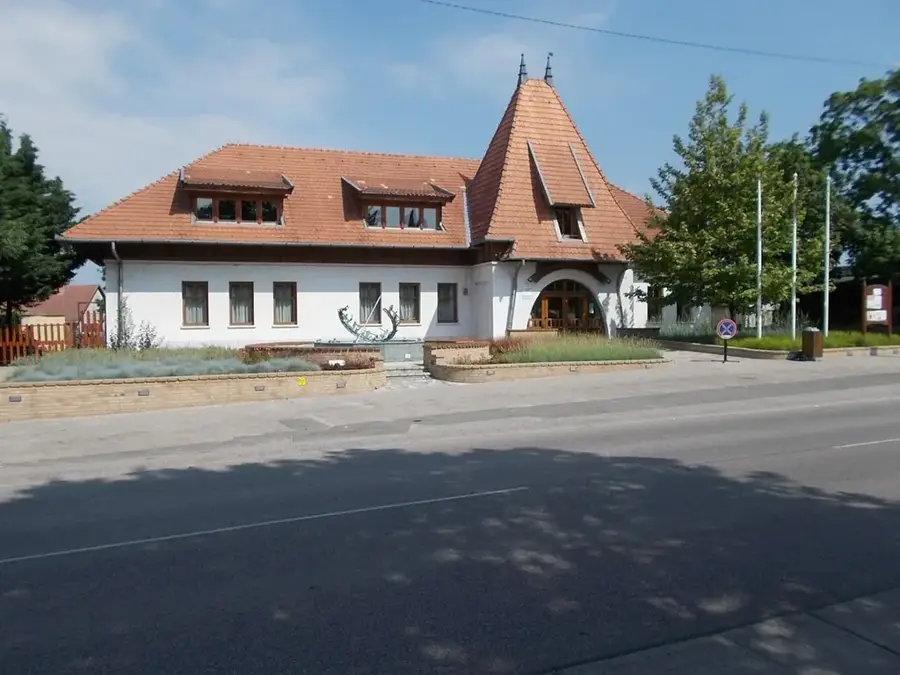
- Visit the local Falumúzeum (Village Museum) to learn about the area's Slovak heritage and costumes.
- The town has a quiet residential atmosphere; please respect the evening peace.
- Access is very easy via the M0 ring road, making it a quick stop if driving around Budapest.
- Watch out for local festivals celebrating traditional Slovak folk culture and gastronomy.
🍽 Food
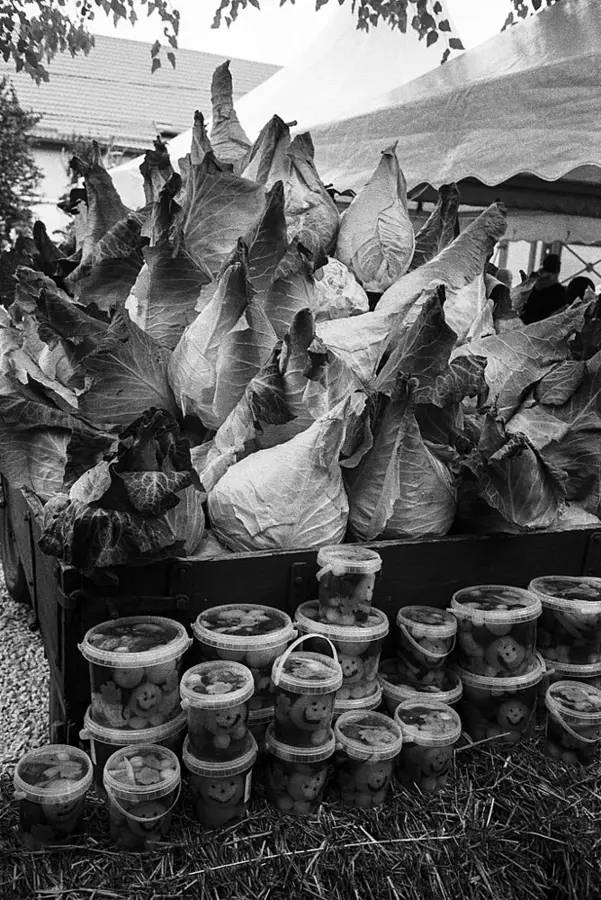
At local festivals, look for traditional foods made with sauerkraut.
Grab a freshly baked sweet or savory strudel from the local bakeries.
The small pubs and eateries offer simple but hearty Hungarian and regional meals.
🛍 Shopping · 🧘 Quiet spots
Small grocery stores provide daily essentials and sometimes local produce.
First-rate for picking up fresh bread and morning pastries.
A small, quiet spot to sit and relax after your visit.
The outskirts offer quiet dirt roads stretching towards the Gödöllő hills.
Water temperature…
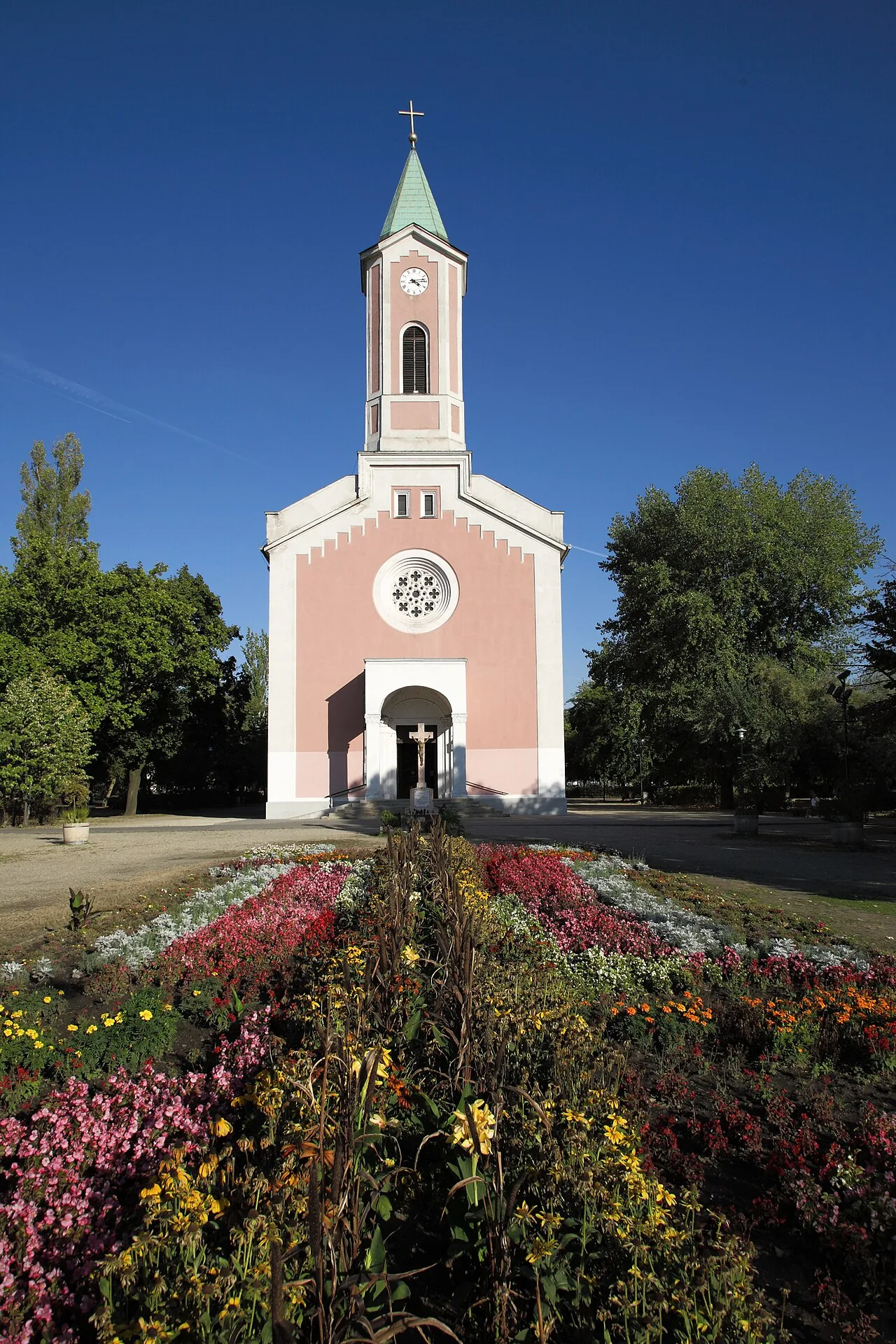
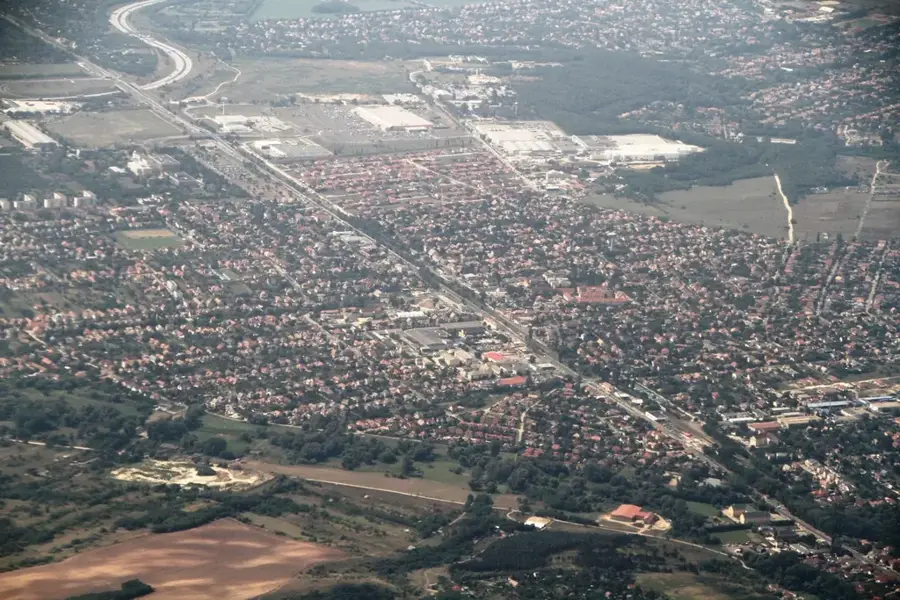
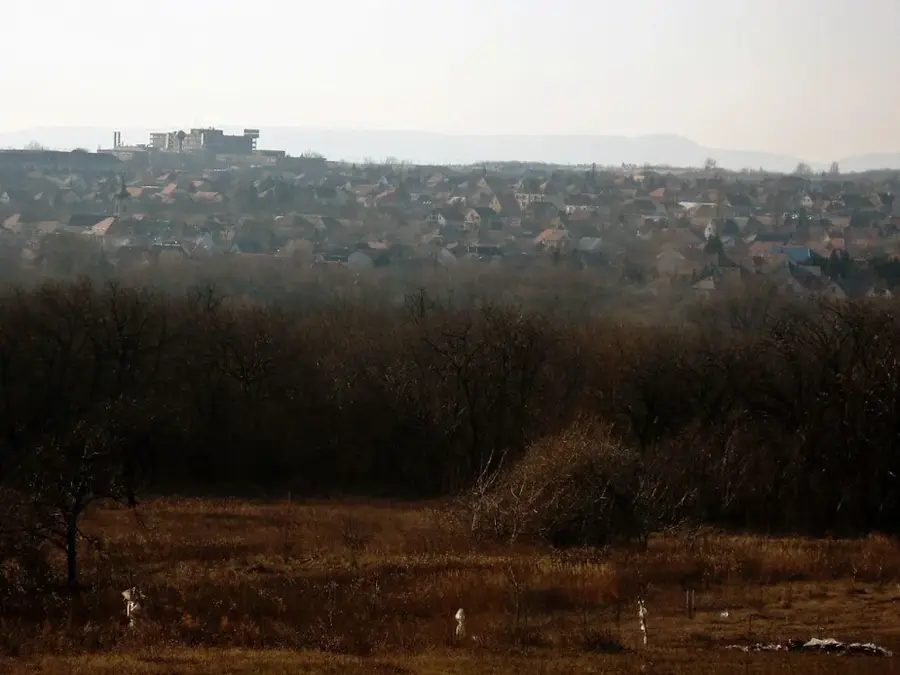
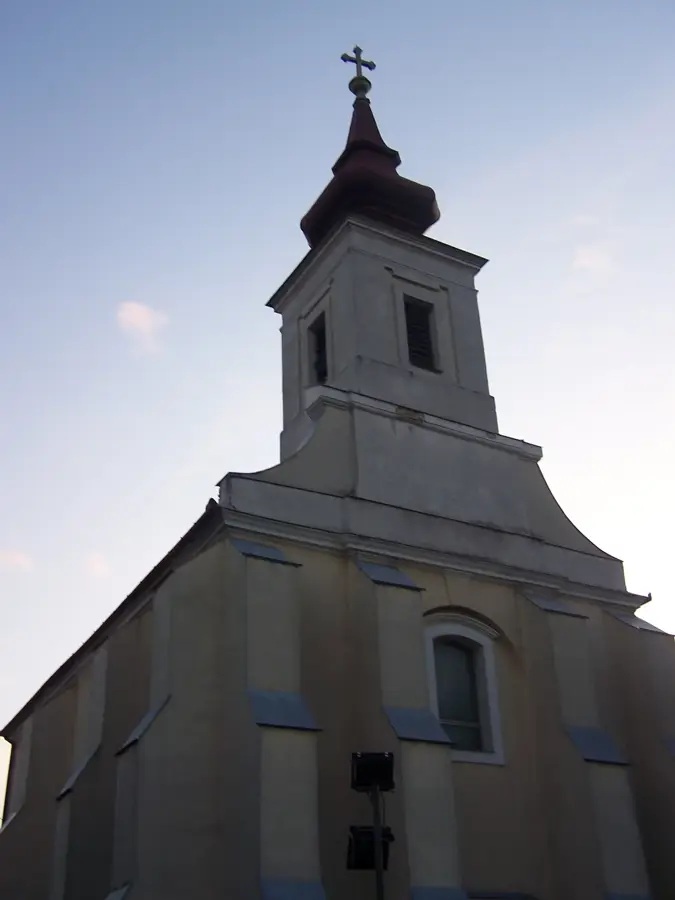
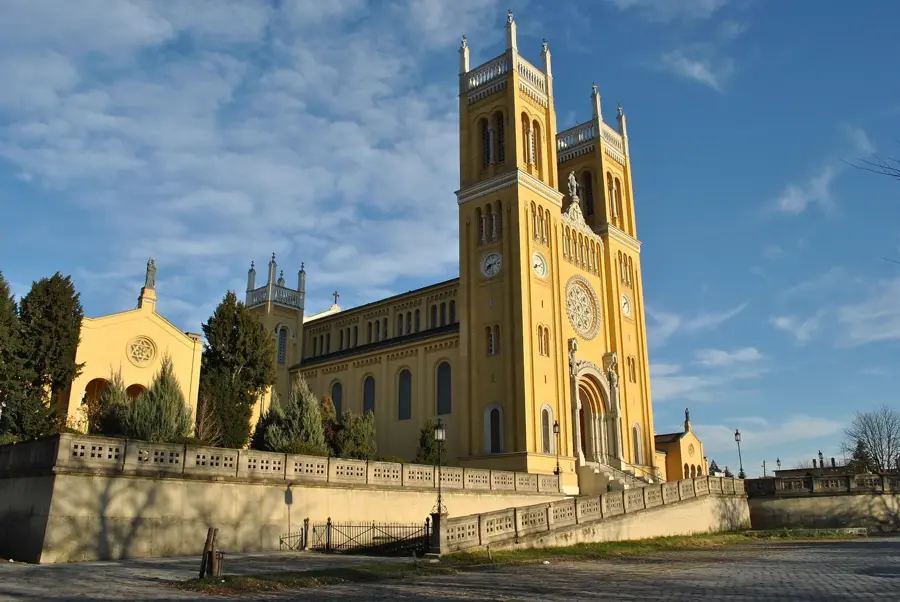
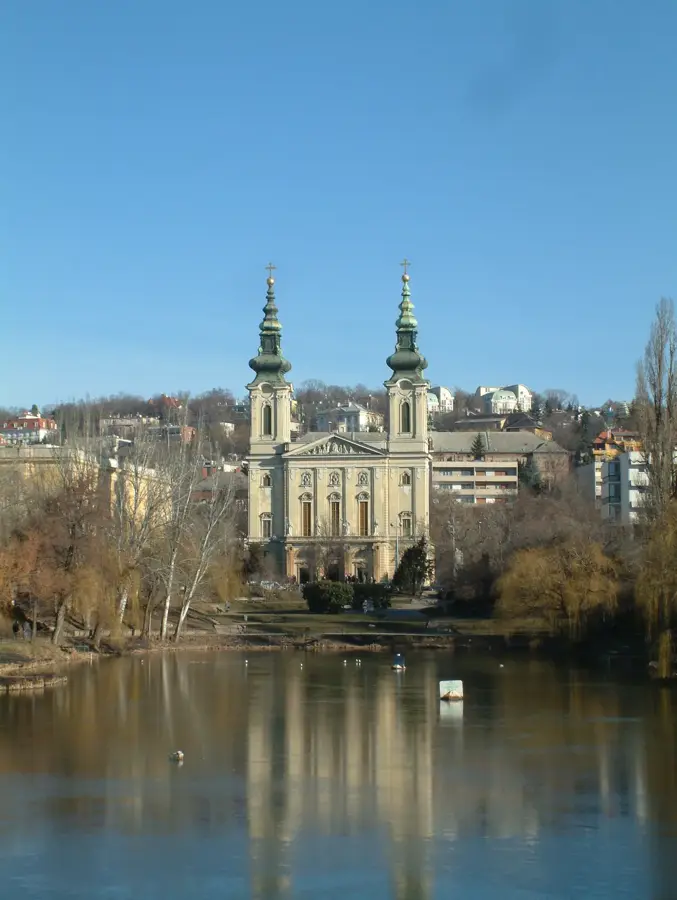
Nagytarcsa is a settlement located on the eastern edge of the Budapest metropolitan area in Pest County, renowned for its rich Slovak ethnic traditions. A defining moment in the village's history was the resettlement in the early 18th century, when Lutheran Slovak families repopulated the area, laying the cultural foundations of today's community. The local Village Museum (Falumúzeum) features a nationally acclaimed collection where visitors can discover the famous 'Tarcsa' folk costumes, intricately decorated headdresses, and authentic artifacts of peasant life. Situated in the valley of the Szilas Stream, the landscape is characterized by the rolling slopes of the Gödöllő Hills, while the proximity to the M0 motorway has enabled dynamic economic growth and the establishment of industrial parks. The Lutheran church serves not only as an architectural landmark but also as the main bastion of spiritual life and community cohesion, frequently hosting ethnic cultural events. In recent years, the village population has shifted significantly as young families move from the capital, creating new educational and cultural demands while long-standing residents continue to preserve traditional folk songs and dances. Nagytarcsa successfully blends a modern suburban lifestyle with the values of a tradition-preserving village, placing high importance on environmental protection and sustainable development.
- Location: Hungary
- Top sights: Nagytarcsa Village Museum · Millennium Memorial Park · Tarcsa Stream Valley
- Nearby: Kerepes (5 km)
- Population: ~6.704
Best time to visit & climate
The most pleasant time to visit is Jun–Aug.
| Jan | Feb | Mar | Apr | May | Jun | Jul | Aug | Sep | Oct | Nov | Dec | |
|---|---|---|---|---|---|---|---|---|---|---|---|---|
| Avg °C | -2 | 0 | 5 | 12 | 17 | 21 | 23 | 23 | 17 | 11 | 5 | 0 |
| Rain mm | 38 | 42 | 41 | 38 | 67 | 76 | 71 | 64 | 56 | 52 | 44 | 44 |
Geography
Facts
- Resettled in the 18th century
- Nationally famous Village Museum
- Center of Slovak ethnic culture
- Located on the Szilas Stream
- Known for unique folk costumes
- Proximity to the M0 motorway
Explore nearby
Notable places around
Route planner — Car & Motorhome
Where do you start? We build the route here, with stops and country notes along the way.
© OpenStreetMap contributors · OpenRouteService
Sights in the town Nagytarcsa (7)
Frequently asked questions
What does the Nagytarcsa village museum display?
How close is Nagytarcsa to Budapest?
Are there hiking trails nearby?
When is the local market held?
Are the Nagytarcsa folk costumes special?
Nagytarcsa: where is it located?
Nagytarcsa: what is there to see?
Nagytarcsa: when is the best time to visit?
Nagytarcsa: why is it worth visiting?

Nearby cities
History & landmarks
Nature
More places