Plizio Visual Lab
Queenstown
ℹ️Practical info — Queenstown
▾
🌤 Weather — 5 days
📍 Nearby
Sights nearby
💡 Tips
- Queenstown is a village with rich history on the Essequibo Coast, founded by emancipated slaves.
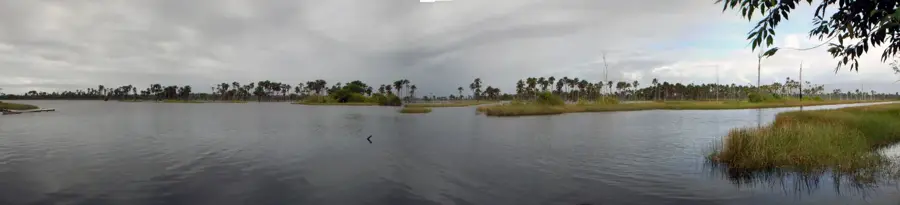
- Use it as a jumping-off point to visit the striking Capoey Lake, which is just a short drive inland.
- Embrace the slower pace; public transport (minibuses) might take a while to fill up.
- Visit the local monument commemorating the village's history if you want to learn about the area's roots.
🍽 Food
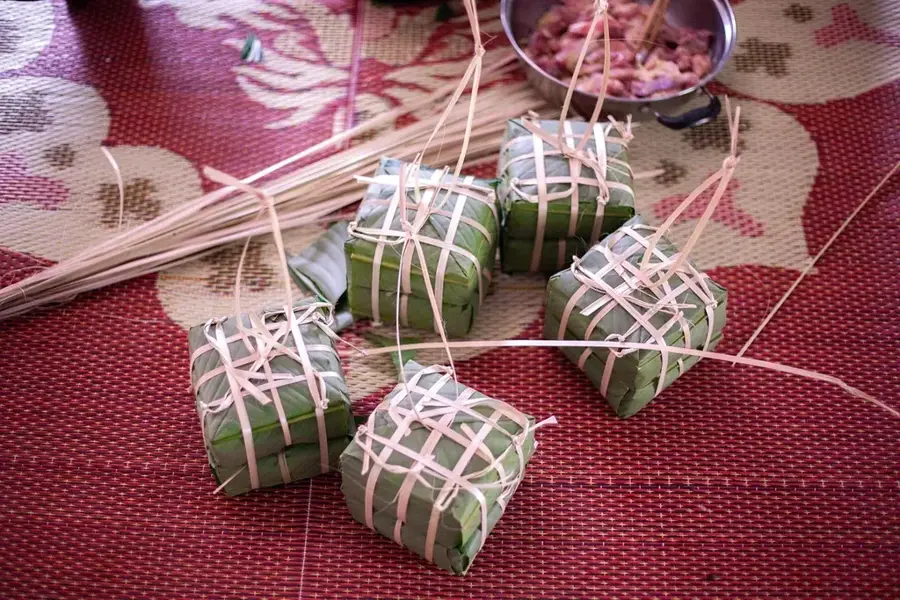
A traditional Amerindian and Guyanese dish you might find at local events or pre-ordered from cooks.
A classic street snack combo available at small roadside glass cases.
Refreshing cherry, passion fruit, or golden apple juices from local shops.
🛍 Shopping · 🧘 Quiet spots
Well-suited for grabbing basic refreshments and local snacks.
Occasionally local artisans sell woven items near the main road.
A beautiful, black-water lake nearby that is great for swimming and relaxing.
Lined with fruit trees and traditional wooden houses, excellent for a quiet walk.
Water temperature…
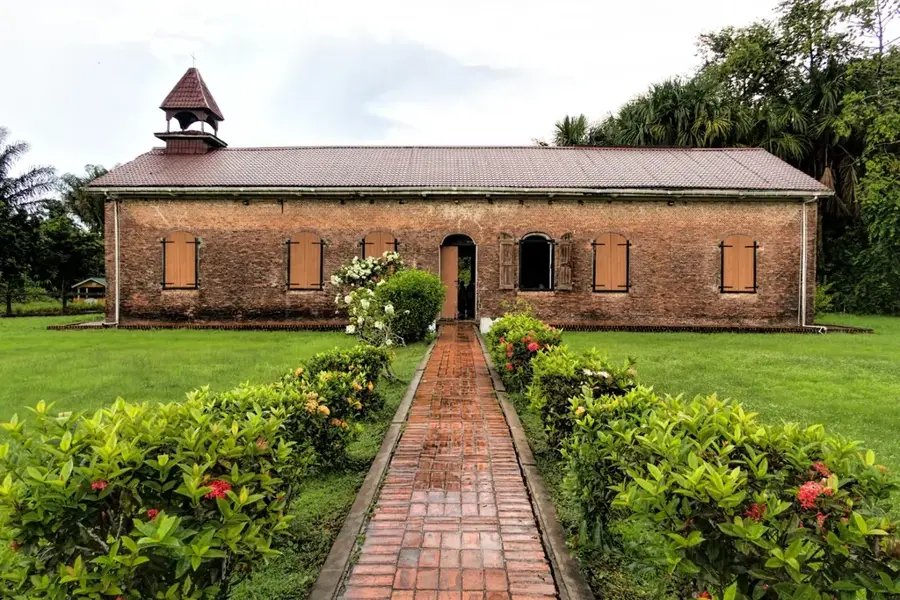
Queenstown is one of Guyana's most historically significant villages, located on the Essequibo Coast in the Pomeroon-Supenaam region. It is celebrated as one of the first 'Proprietary Villages' purchased by former slaves in 1840, shortly after the final abolition of slavery. The settlement has meticulously preserved its Afro-Guyanese heritage, which is evident in its local governance traditions and cultural landmarks. A prominent feature of the village is the St. Bartholomew’s Anglican Church, a unique octagonal timber structure built in 1842, which stands as a masterpiece of colonial-era architecture. Queenstown transitioned from a plantation economy to a self-sustaining community focused on agriculture, particularly rice and cash crops. The social fabric of the village is defined by a strong sense of community and pride in its history of emancipation and land ownership. Today, Queenstown remains a vital residential and cultural hub on the Essequibo Coast, serving as a testament to the resilience of the freed people and their descendants who established the village.
- Location: Guyana
- Nearby: Suddie (6 km)
Best time to visit & climate
The most pleasant time to visit is Feb, Mar, Sep.
| Jan | Feb | Mar | Apr | May | Jun | Jul | Aug | Sep | Oct | Nov | Dec | |
|---|---|---|---|---|---|---|---|---|---|---|---|---|
| Avg °C | 25 | 25 | 26 | 27 | 26 | 26 | 26 | 26 | 27 | 27 | 26 | 26 |
| Rain mm | 184 | 117 | 93 | 145 | 317 | 319 | 308 | 198 | 105 | 108 | 182 | 258 |
Geography
Facts
- Queenstown was purchased in 1840 for 2,000 pounds by 164 former slaves.
- St. Bartholomew’s Anglican Church is a designated national monument built in 1842.
- The village was formerly a coffee and sugar plantation named Dageraad.
- It is considered a pioneer of the village movement in the Essequibo district.
- The octagonal design of the local church is unique among Guyanese religious structures.
- Queenstown is located south of Anna Regina, making it easily accessible via the main road.
Explore nearby
Notable places around


Route planner — Car & Motorhome
Where do you start? We build the route here, with stops and country notes along the way.
© OpenStreetMap contributors · OpenRouteService
Sights in the town Queenstown (1)
Frequently asked questions
What makes Queenstown in Guyana special?
Who founded the village?
Are there famous buildings?
How far is it from Anna Regina?
What is the main source of income?
Queenstown: where is it located?
Queenstown: when is the best time to visit?
Queenstown: why is it worth visiting?

Nearby cities


History & landmarks
Nature
More places