Plizio Visual Lab
Dinguiraye
ℹ️Practical info — Dinguiraye
▾
🌤 Weather — 5 days
📍 Nearby
Sights nearby
💡 Tips
- As a major Islamic holy city, strict dress codes apply; women should cover their heads and wear long skirts or loose trousers, and men should wear long pants.
- The Great Mosque is the centerpiece, but non-Muslims may not be allowed inside; respectfully ask a local guide before attempting to enter.
- Access roads can be rough, especially in the rainy season (June to October), so travel in a sturdy 4x4 vehicle.
- Taking photos of people or religious sites without asking explicit permission is heavily frowned upon.
🍽 Food
Look for small local eateries offering this staple dish of rice cooked in a rich tomato, oil, and meat broth.
A traditional Guinean sauce made with eggplant and sometimes okra, often served over rice at lunchtime food stalls.
A very refreshing and spicy local drink made from fresh ginger, excellent for cooling down on a hot day.
🛍 Shopping · 🧘 Quiet spots
The area around the Great Mosque has small vendors selling prayer beads (tasbih) and religious texts.
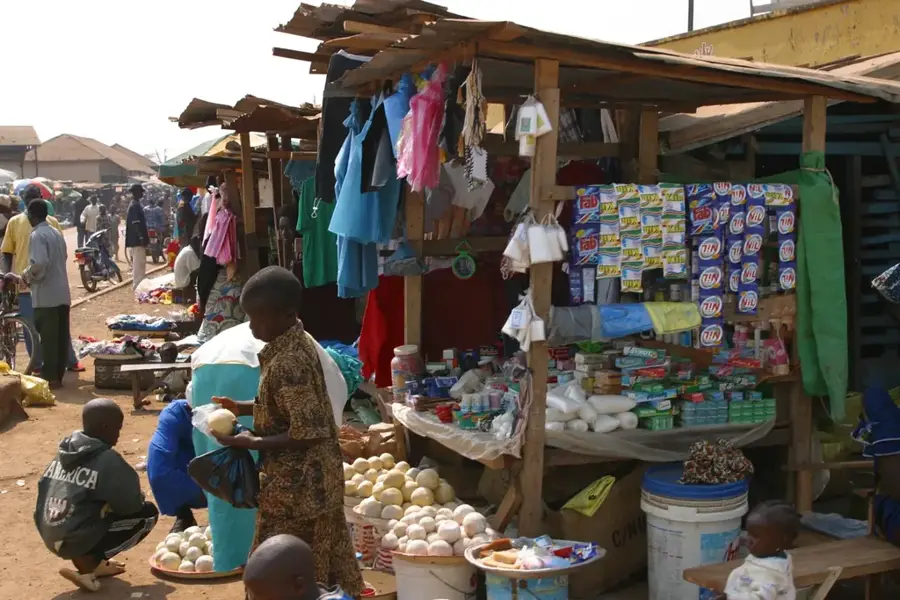
The weekly market is the best place to find brightly colored fabrics, agricultural goods, and simple household crafts.
While the main religious sites are busy, the wider historical compound area gives quiet spots for reflection.
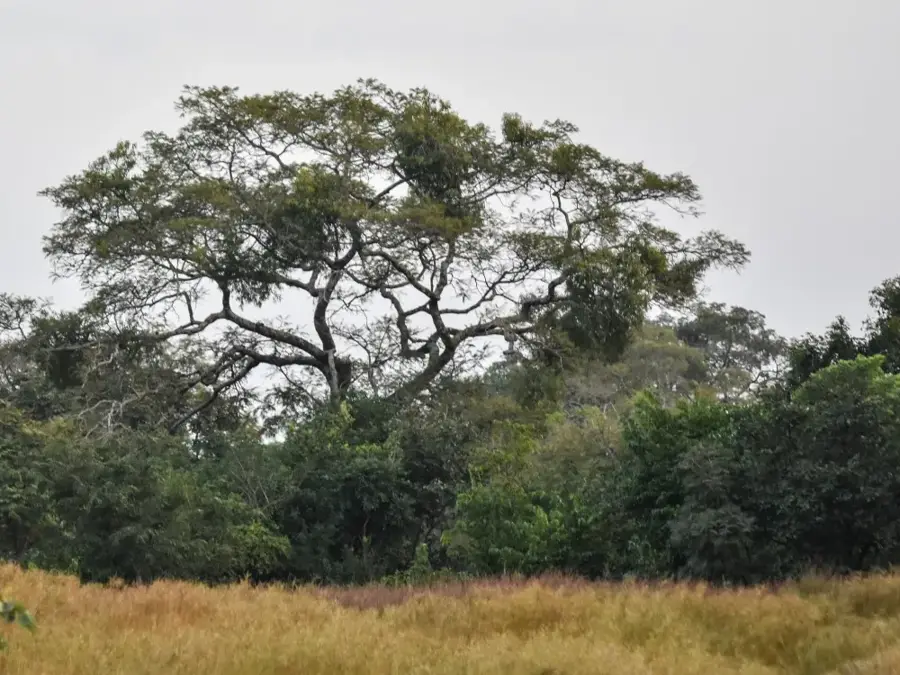
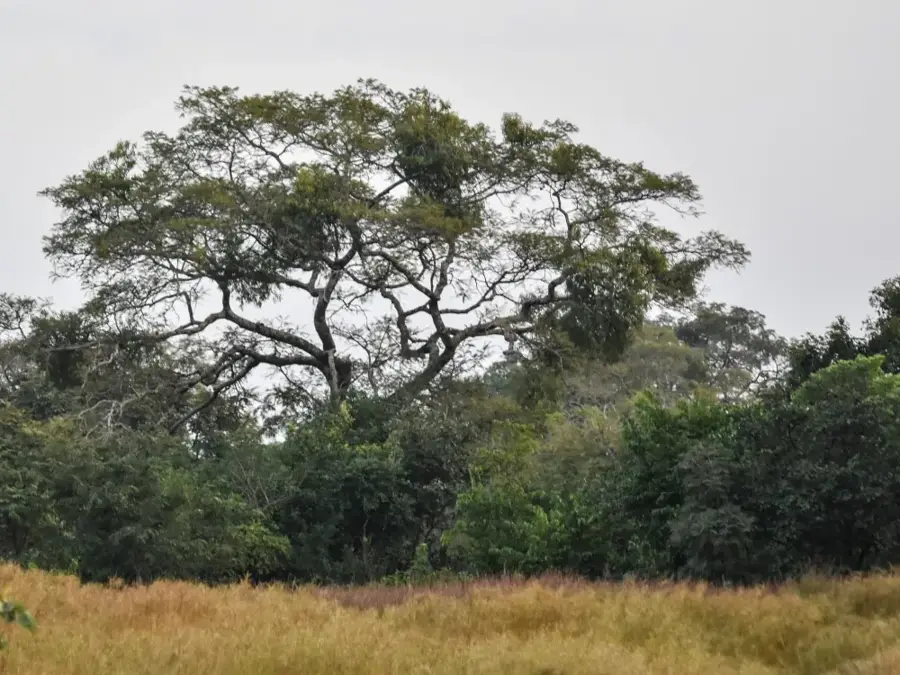
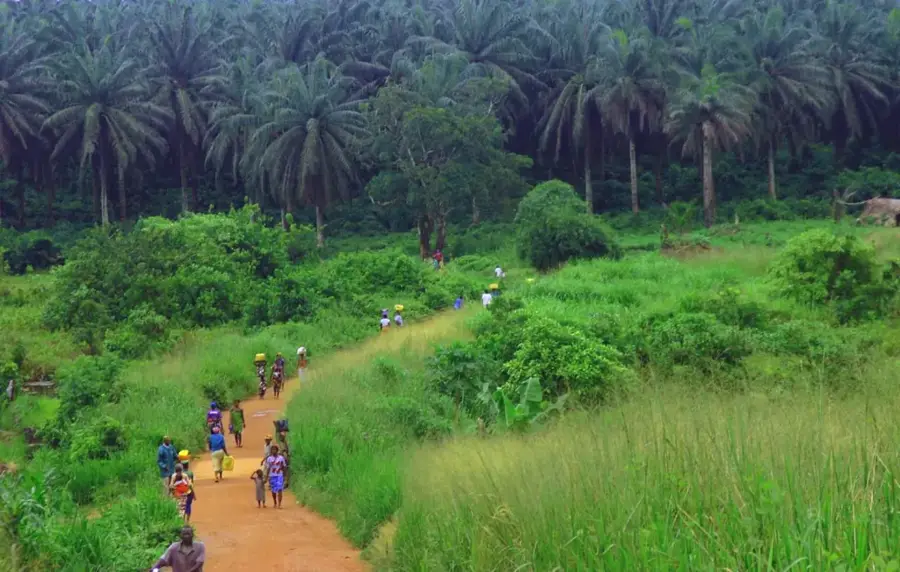
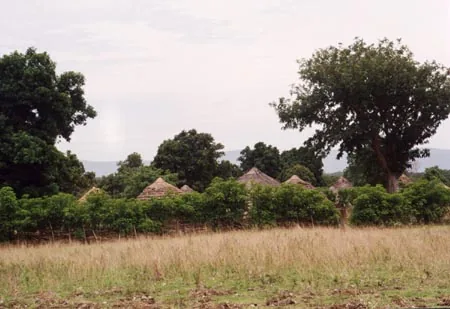
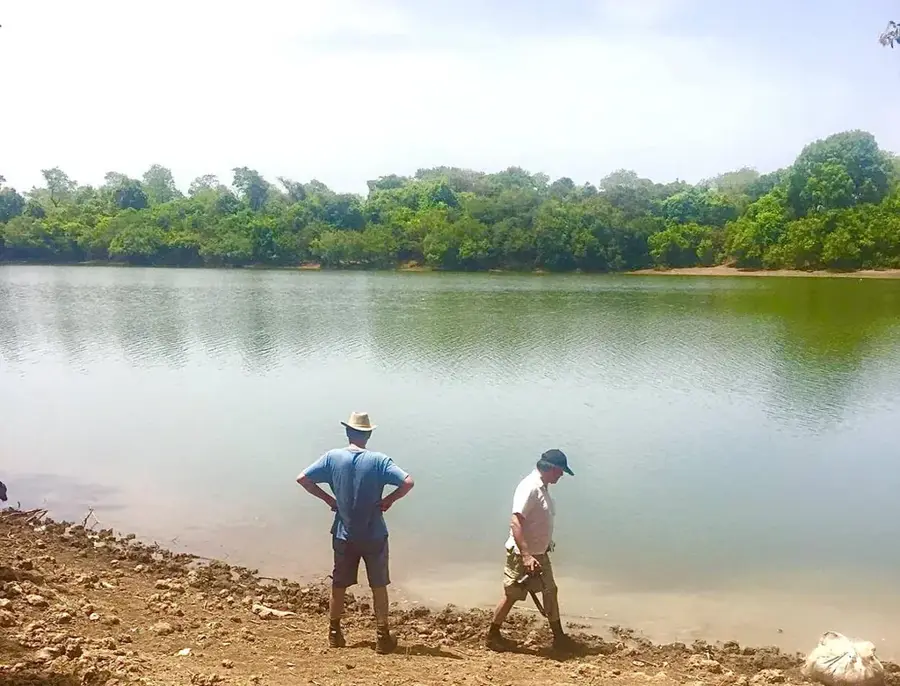
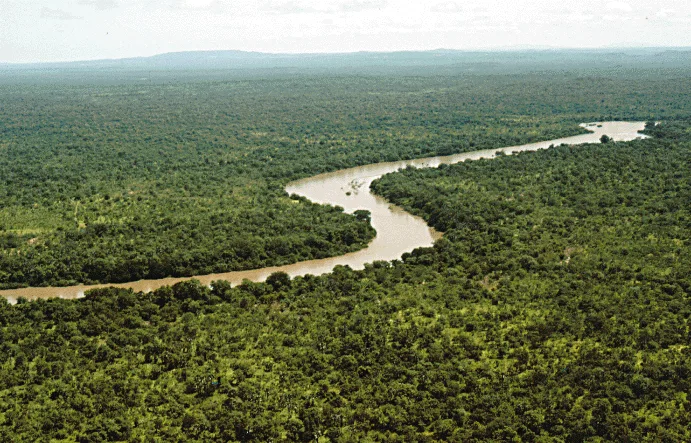
A short walk away from the town center reveals a peaceful, rolling savanna landscape dotted with traditional thatched houses.
Water temperature…
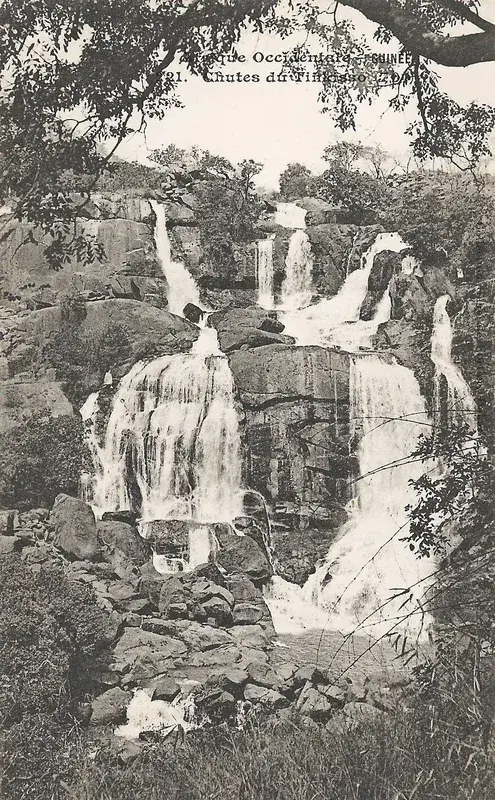
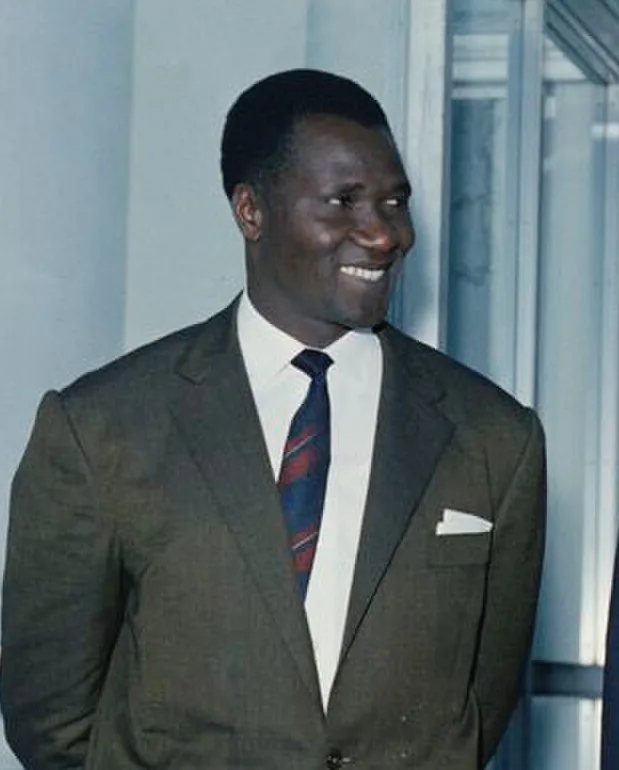
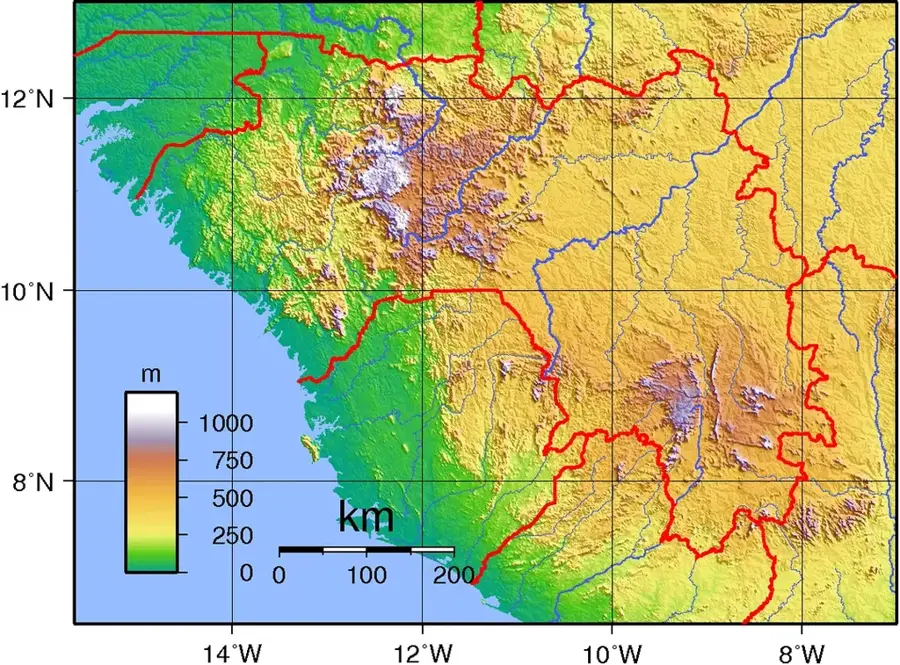
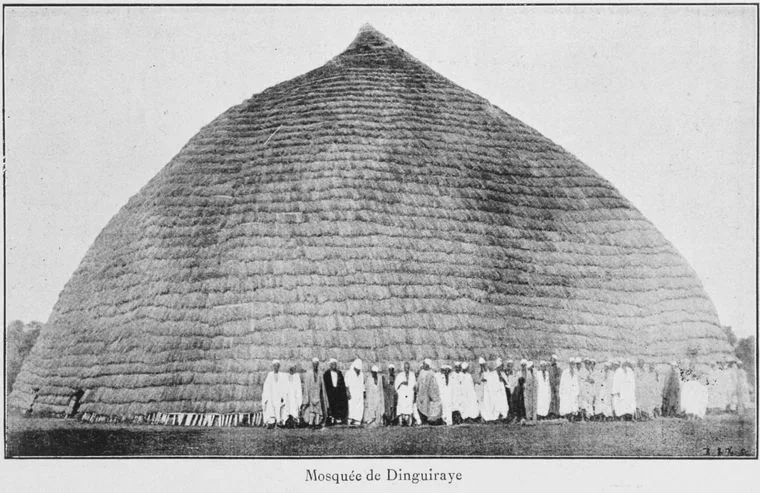
Dinguiraye is a town of immense historical and religious significance in northern Guinea, located on the fringes of the Fouta Djallon highlands. It was founded in the mid-19th century by the Sufi scholar and conqueror El Hadj Umar Tall, who established it as the initial capital of his Toucouleur Empire. The town's most iconic landmark is the Great Mosque of Dinguiraye, a massive, thatched-roof structure that stands as one of the most important religious sites in West Africa. To this day, the town remains a major center for Islamic pilgrimage and traditional scholarship. Geographically, Dinguiraye sits in a rugged transition zone characterized by a drier climate and savanna landscapes. Economically, the Dinguiraye Prefecture is a significant gold-producing region, with both industrial and artisanal mining activities driving the local economy alongside livestock herding and grain farming. The town's relative seclusion has helped preserve its unique architectural heritage and spiritual character, making it a living monument to the pre-colonial Islamic states of the region.
- Location: Guinea
- Nearby: Dalaba (68 km)
- Population: ~20.993 (2023)
Best time to visit & climate
The most pleasant time to visit is Jan, Nov, Dec.
| Jan | Feb | Mar | Apr | May | Jun | Jul | Aug | Sep | Oct | Nov | Dec | |
|---|---|---|---|---|---|---|---|---|---|---|---|---|
| Avg °C | 24 | 27 | 30 | 32 | 31 | 28 | 26 | 25 | 25 | 26 | 25 | 23 |
| Rain mm | 1 | 3 | 3 | 17 | 68 | 147 | 235 | 365 | 238 | 88 | 11 | 0 |
Geography
Facts
- Dinguiraye was founded around 1850 by the conqueror El Hadj Umar Tall.
- The Great Mosque is famous for its massive, distinctive conical thatched roof.
- The town served as the launchpad for the expansion of the Toucouleur Empire.
- It is a major center for both industrial and artisanal gold mining in Guinea.
- Dinguiraye remains a prominent site for Islamic education and pilgrimage.
- The town is located at the northern edge of the Fouta Djallon mountain range.
Explore nearby
Notable places around


Route planner — Car & Motorhome
Where do you start? We build the route here, with stops and country notes along the way.
© OpenStreetMap contributors · OpenRouteService
Sights in the town Dinguiraye (1)
Frequently asked questions
What is the most important sight in Dinguiraye?
Who was El Hadj Umar Tall?
Is the mosque open to visitors?
What is the atmosphere in the city like?
When should you visit Dinguiraye?
Dinguiraye: where is it located?
Dinguiraye: when is the best time to visit?
Dinguiraye: why is it worth visiting?

Nearby cities
Nature
More places