Plizio Visual Lab
Tilos
ℹ️Practical info — Tilos
▾
🌤 Weather — 5 days
📍 Nearby
Sights nearby
💡 Tips
- The island is entirely self-sufficient in energy using renewables and enforces a strict zero-waste policy; bring a reusable water bottle and bags.
- Birdwatchers should bring binoculars, as the island is a protected nature reserve home to many rare bird species.
- The local buses coordinate precisely with the ferry arrivals; you can rely on them to reach the main villages without needing a car.
- Avoid walking in the midday heat if visiting the abandoned village of Mikro Chorio, as there is little to no shade along the path.
🍽 Food
Try the slow-cooked free-range goat in red sauce, a local specialty, at family-run tavernas in Livadia or Megalo Chorio.
Find small bakeries serving these savory little cheese pies filled with fresh local cheese and wild herbs.
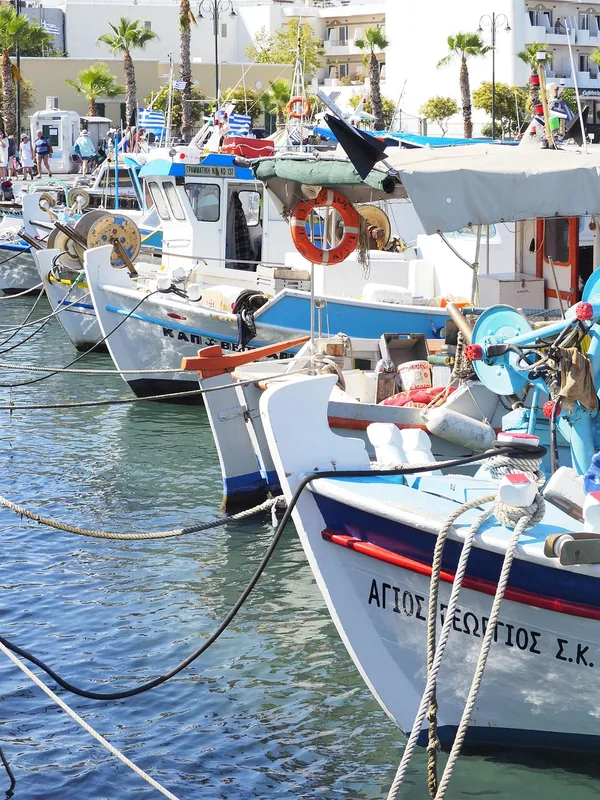
Look for seaside tavernas in Livadia serving fresh, unpretentious seafood caught by the few local fishing boats.
🛍 Shopping · 🧘 Quiet spots
Pick up pure, organic thyme honey and dried herbs collected from the pristine hillsides in Livadia shops.
A few local artisans still make traditional Greek textiles and ceramics, first-rate for supporting the local eco-economy.
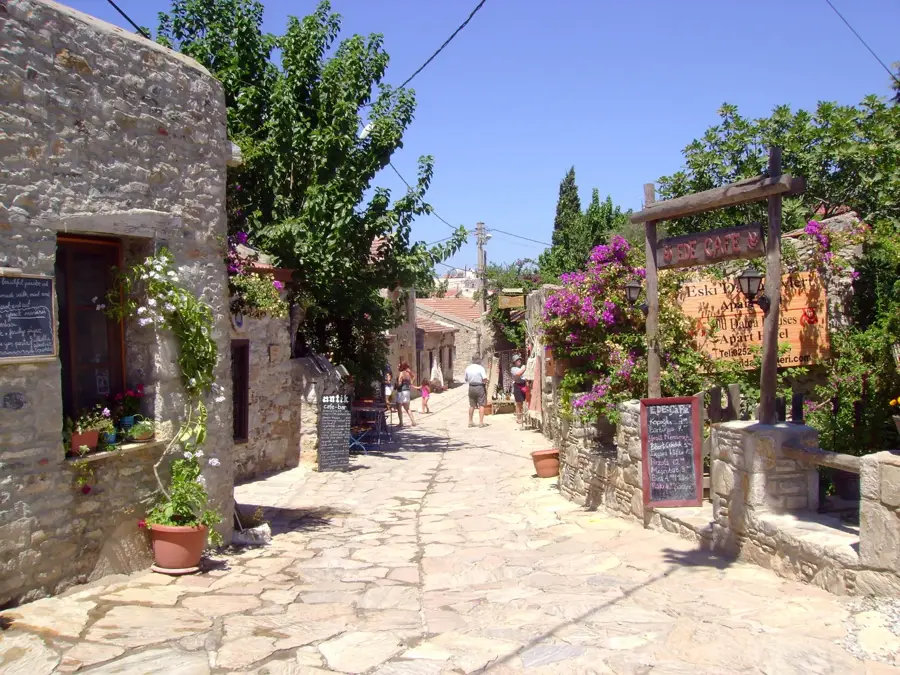
The abandoned village is incredibly peaceful; during summer, a small, low-lit bar operates inside, creating a magical atmosphere.
A long stretch of sand and pebbles bordered by tamarisks, offering plenty of calm spots away from organized sunbeds.
Water temperature…
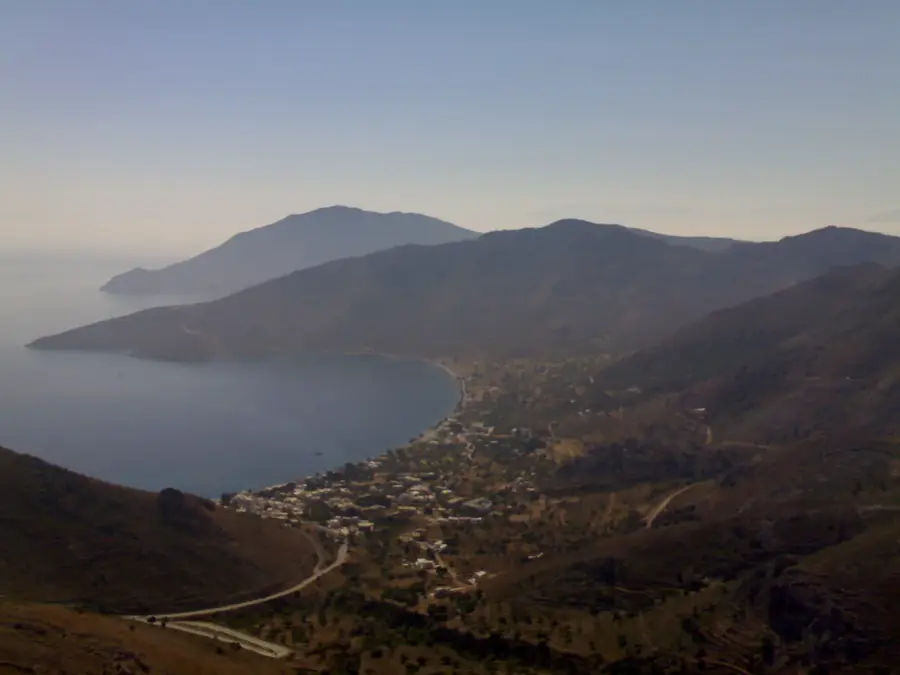
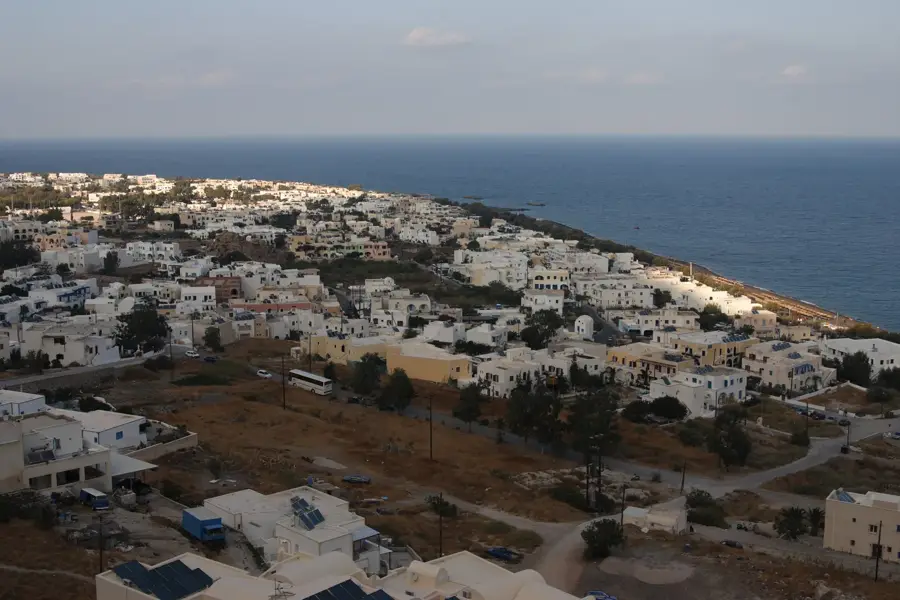
Tilos is Greece's first energy-self-sufficient island, generating its electricity entirely from wind and solar power. This ecological focus makes the island a haven for nature lovers and birdwatchers, as it is an important sanctuary for rare birds of prey. The main port, Livadia, welcomes visitors with a relaxed atmosphere and a long waterfront promenade. The main village, Megalo Chorio, is located inland below a fortress of the Knights of St. John and features traditional architecture. The island's paleontological history is unique: skeletons of dwarf elephants were found in the Charkadio Cave, which became extinct only about 4,000 years ago. A small museum in Megalo Chorio displays these spectacular finds. Another highlight is Mikro Chorio, a medieval village abandoned after World War II. At night, a bar operates there, atmospheric lighting the ruins and breathing life into the 'ghost village'. Tilos' beaches, such as Eristos, are spacious, often pebbly, and offer plenty of peace without commercial bustle. The island is well-suited for hiking on marked trails that lead through fragrant fields of herbs. The best time to visit is late spring for nature enthusiasts or summer for beachgoers. Tilos is regularly served by ferries from Rhodes or Kos, with the crossing taking between 1.5 and 3 hours depending on the vessel type.
- Location: Greece
- Top sights: Castle of Megalo Chorio · Kokkinokastro of Symi · Eristos
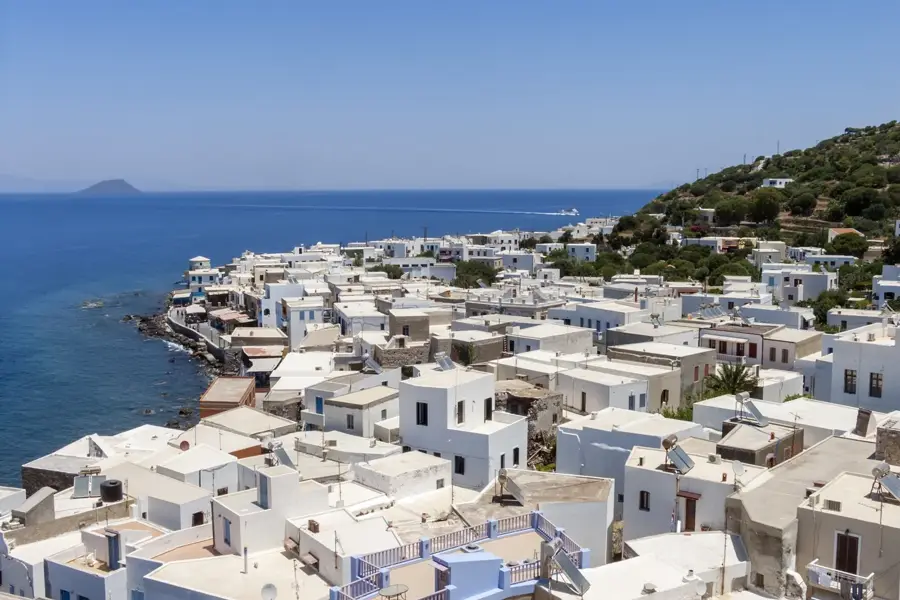
- Nearby: Nisyros (Mandraki) (22 km)
- Population: ~445 (2021)
Geography
Facts
- Greece's first energy-self-sufficient island
- Dwarf elephants lived here until 2000 BC
- Mikro Chorio is an abandoned 'ghost village'
- Important bird sanctuary (EU Natura 2000)
- Main port Livadia has a long pebble bay
- Over 100 bird species breed on the island
- Knights' fortress towers over Megalo Chorio
- No large hotel chains present
Explore nearby
Notable places around
Route planner — Car & Motorhome
Where do you start? We build the route here, with stops and country notes along the way.
© OpenStreetMap contributors · OpenRouteService
Sights in the town Tilos (14)
Frequently asked questions
What is the island of Tilos known for?
How to reach Tilos?
Is Tilos suitable for hikers?
Where can you swim in Tilos?
Are there museums in Tilos?
Tilos: where is it located?
Tilos: what is there to see?
Tilos: why is it worth visiting?

Nearby cities