Plizio Visual Lab
Guben
ℹ️Practical info — Guben
▾
🌤 Weather — 5 days
📍 Nearby
Sights nearby
💡 Tips
- Cross the bridge over the Neisse river to easily reach the Polish twin city of Gubin in just a few minutes.
- Visit the Plastinarium located in a former hat factory, a unique, albeit specific, anatomical exhibition.
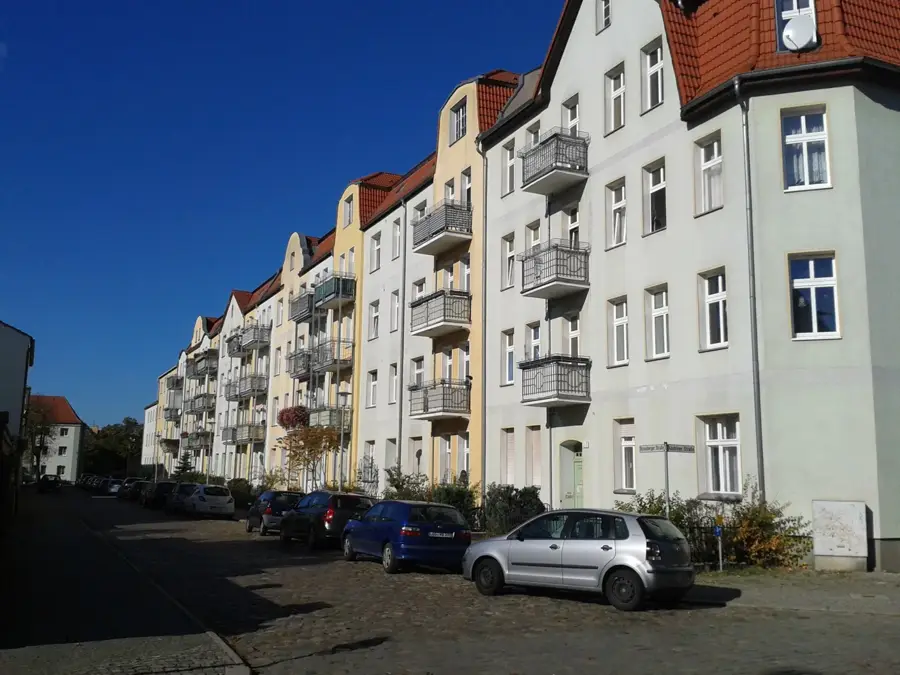
- Look out for the magnificent old villas scattered around the city, reflecting the rich history of the hat manufacturers.
- Use Guben as a great starting point for an extended cycling tour along the Oder-Neisse cycle path.
- Plan some time to explore the surrounding nature reserves, which are good for peaceful hikes.
🍽 Food
Try hearty stews and meat dishes in the traditional German inns.
Take a short walk across the border to Gubin to enjoy authentic Polish dumplings.
The area is known for its orchards, so be sure to taste the local apple juice.
🛍 Shopping · 🧘 Quiet spots
Cross the border to Gubin for local Polish markets and shops.
Look for souvenirs or specialty shops that commemorate the city's proud hat-making tradition.
An idyllic trail for a quiet bike ride or walk right along the riverbank.
Relax in the well-kept parks that connect the two twin cities.
Water temperature…
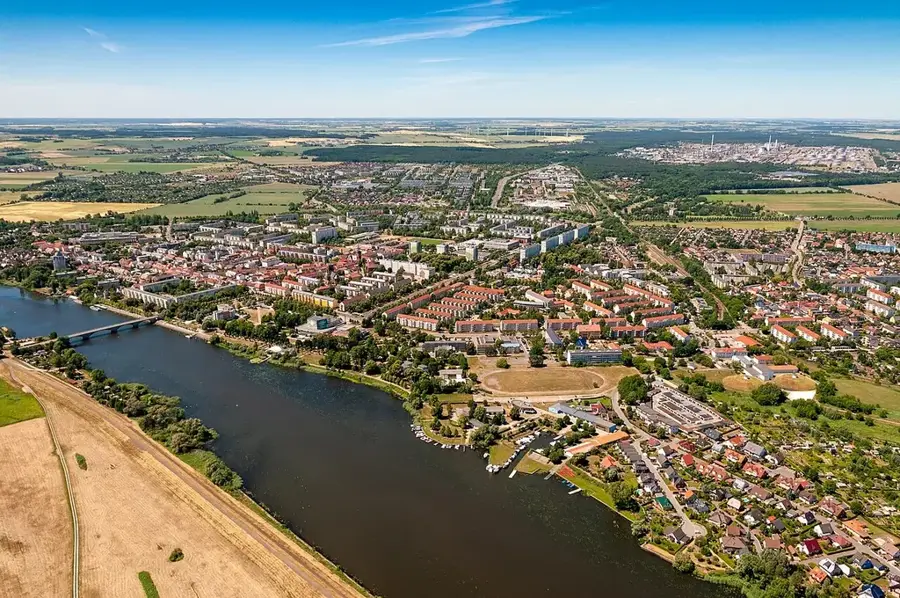
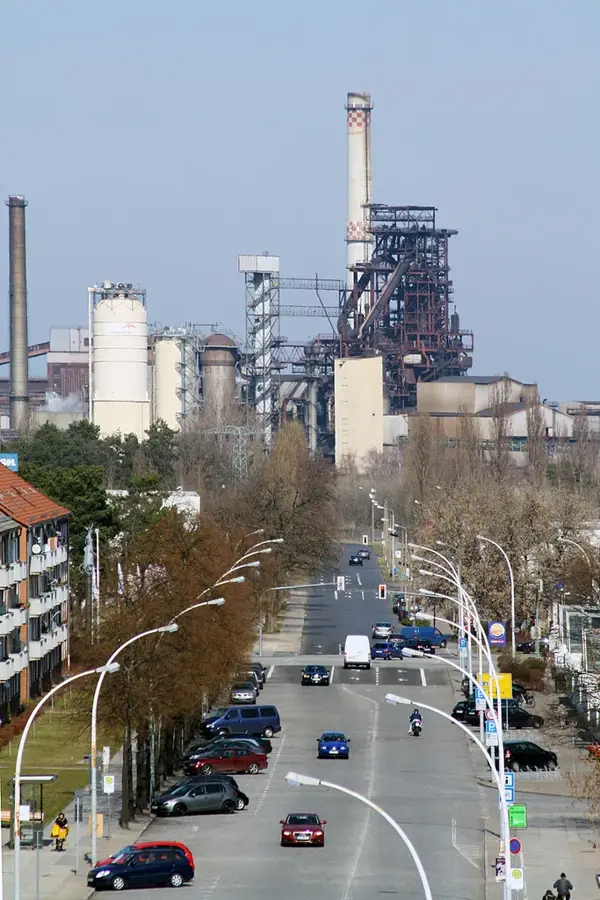
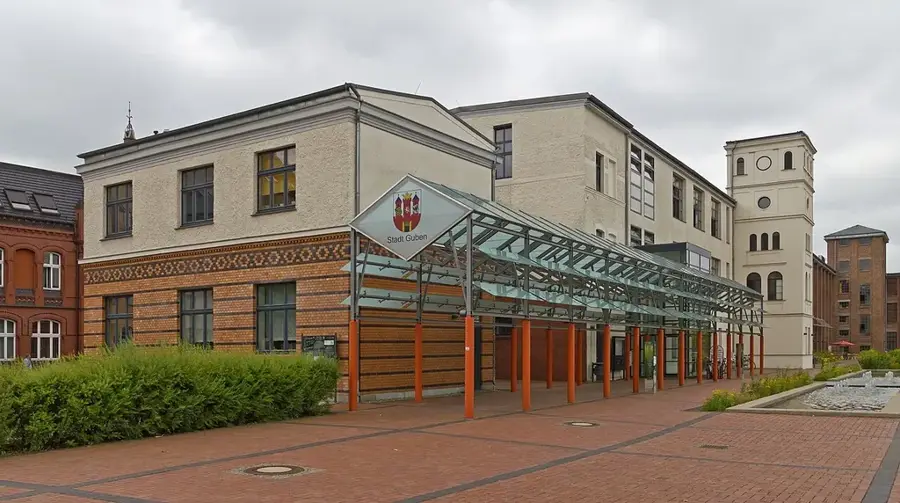
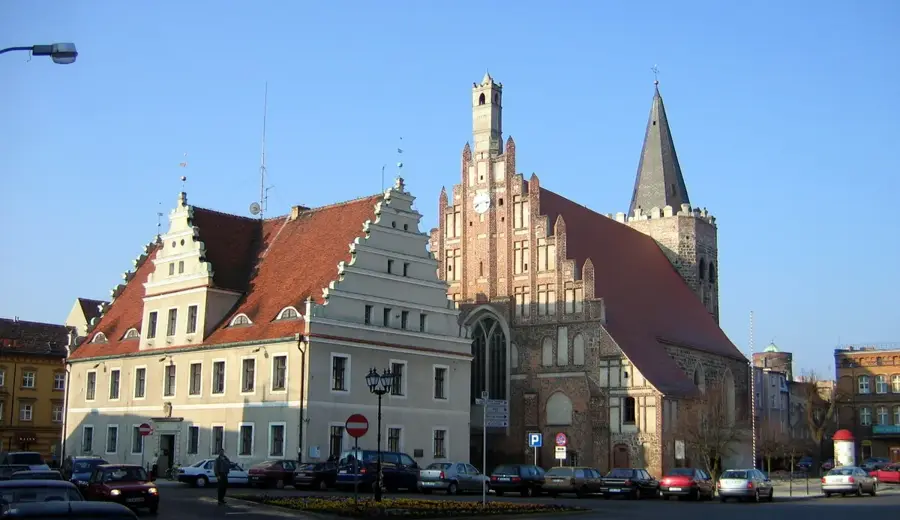
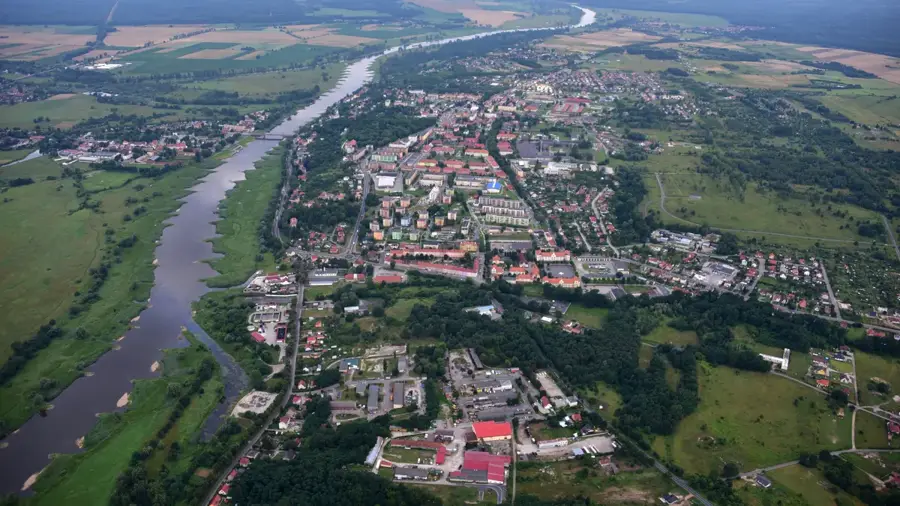
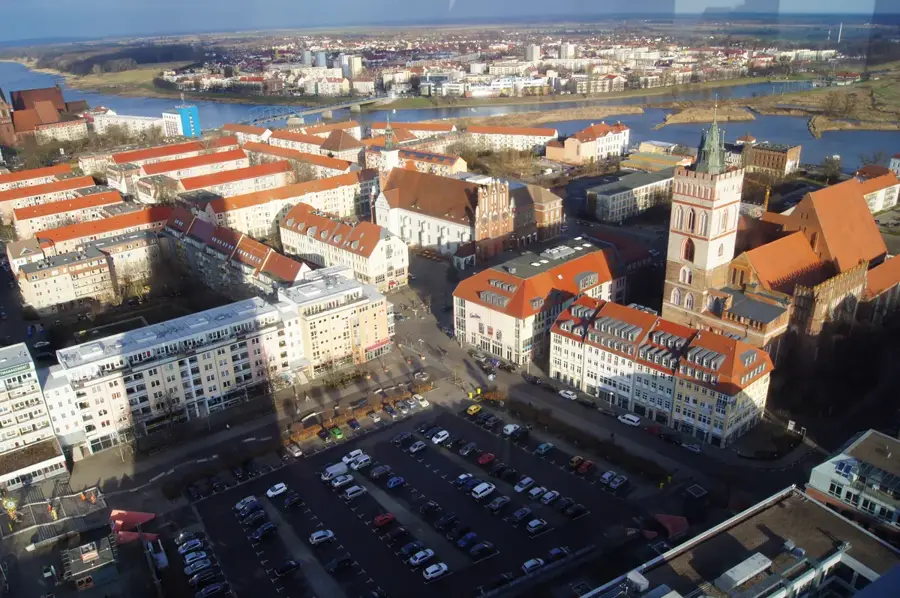
Guben is a significant urban center in Lower Lusatia with a complex history shaped by industrial growth and geopolitical changes. In the 19th century, it became world-famous as the 'City of Hatters,' producing millions of hats for export. The end of WWII brought a definitive split, as the Oder-Neisse line placed the historical city center in Poland (Gubin) and the western districts in Germany (Guben). During the GDR era, the city reinvented itself as a hub for synthetic fiber production. Since the fall of the Iron Curtain, Guben has transformed into a pioneer of cross-border cooperation within the Euroregion Spree-Neisse-Bober. Visitors can explore the legacy of industrial architecture, the modern developments in the city center, and the unique Plastinarium museum, all set within the pretty landscape of the Lusatian lake district.
- Location: Brandenburg, Germany
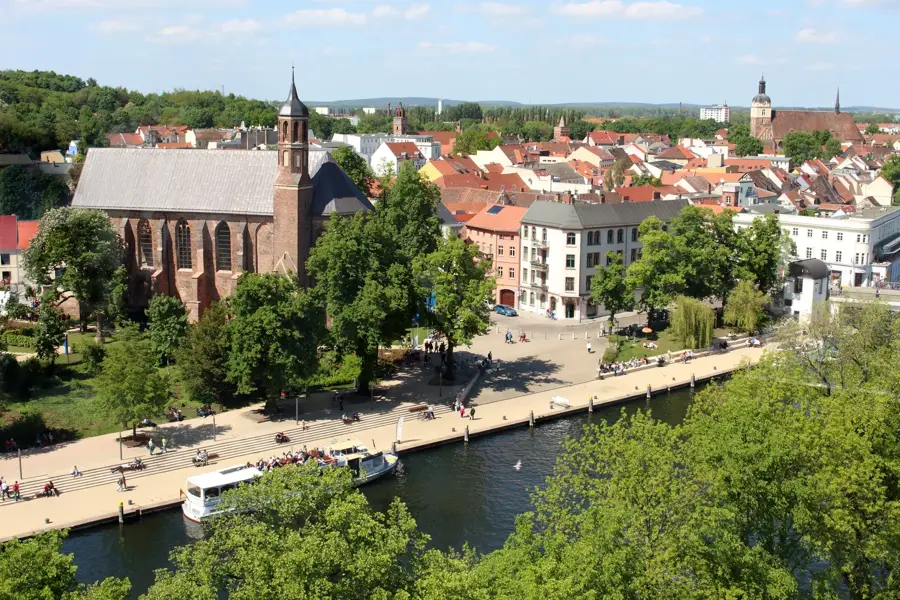
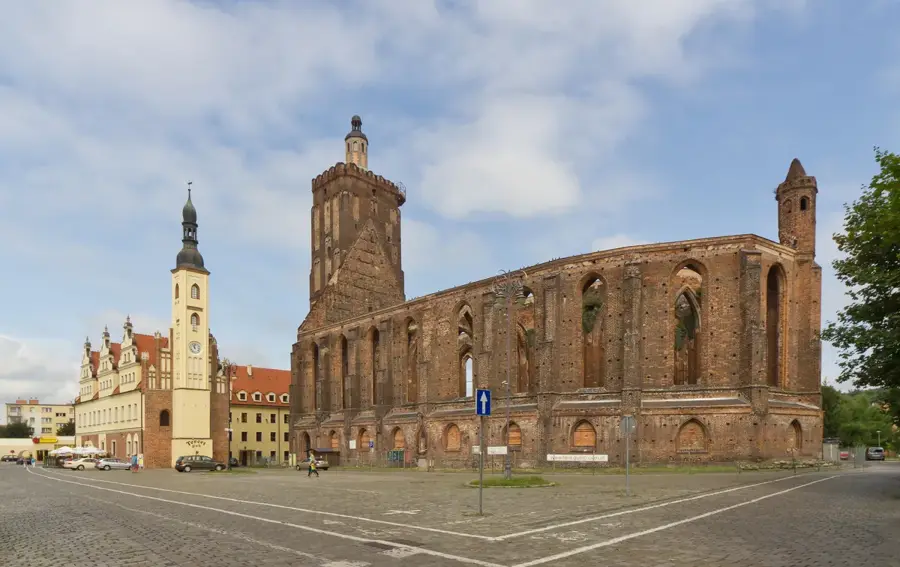
- Top sights: City and Industrial Museum · Monastery Church · Neisse Bridge
- Nearby: Eisenhüttenstadt (23 km)
- Population: ~16.210
Best time to visit & climate
The most pleasant time to visit is Jun–Aug.
| Jan | Feb | Mar | Apr | May | Jun | Jul | Aug | Sep | Oct | Nov | Dec | |
|---|---|---|---|---|---|---|---|---|---|---|---|---|
| Avg °C | -1 | 0 | 4 | 9 | 15 | 19 | 21 | 20 | 15 | 10 | 5 | 1 |
| Rain mm | 52 | 37 | 42 | 30 | 55 | 58 | 83 | 61 | 49 | 47 | 50 | 47 |
Geography
Facts
- Total area: 43.91 km².
- First documented mention in the year 1211.
- Around 1900, the hat industry produced approximately 10 million hats annually.
- Home to the world's first plastination center (Plastinarium).
- Current economic sectors: food industry and logistics.
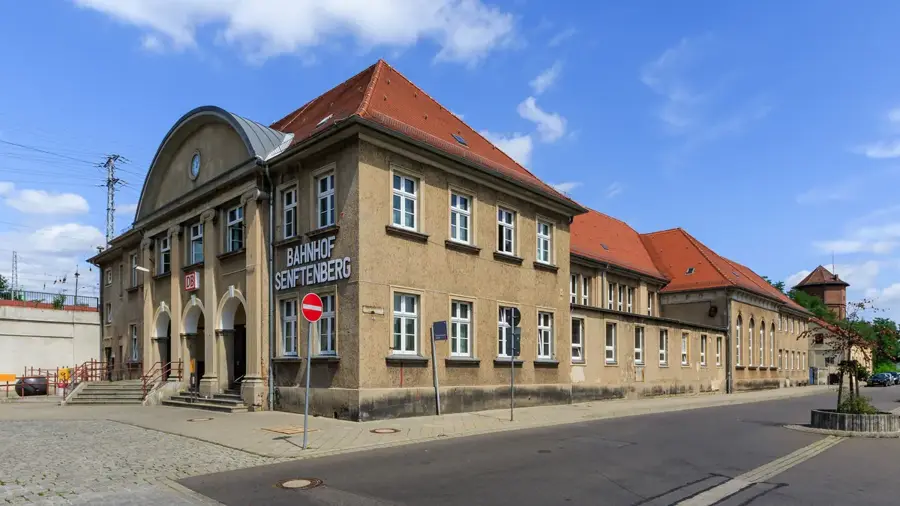
- Guben railway station is a key border crossing to Poland.
Explore nearby
Notable places around
Route planner — Car & Motorhome
Where do you start? We build the route here, with stops and country notes along the way.
© OpenStreetMap contributors · OpenRouteService
Sights in the town Guben (13)
Frequently asked questions
What is the Plastinarium in Guben?
Can you walk from Guben to Poland?
What is Guben historically known for?
What is the Guben Apple Blossom Festival?
Are there museums in Guben?
Guben: where is it located?
Guben: what is there to see?
Guben: when is the best time to visit?
Guben: why is it worth visiting?
Nearby cities