Plizio Visual Lab
Saint-Laurent-du-Maroni
ℹ️Practical info — Saint-Laurent-du-Maroni
▾
🌤 Weather — 5 days
📍 Nearby
Sights nearby
💡 Tips
- Arrive early in the day to visit the Camp de la Transportation before the midday tropical heat sets in.
- If you plan to take a boat across the river to Suriname, ensure you check visa requirements beforehand.
- Dress in light, breathable clothing as the humidity along the river is consistently high.
- Take a guided pirogue (canoe) tour to fully appreciate the river's history and surrounding nature.
🍽 Food
Try traditional dishes from the Maroon communities, often featuring cassava and fresh river fish, at local riverside eateries.
Look for food trucks and small stalls near the market serving accras (fritters) and stuffed breads.
A local river fish that is a delicacy; try it grilled or in a court-bouillon at a restaurant near the water.
🛍 Shopping · 🧘 Quiet spots
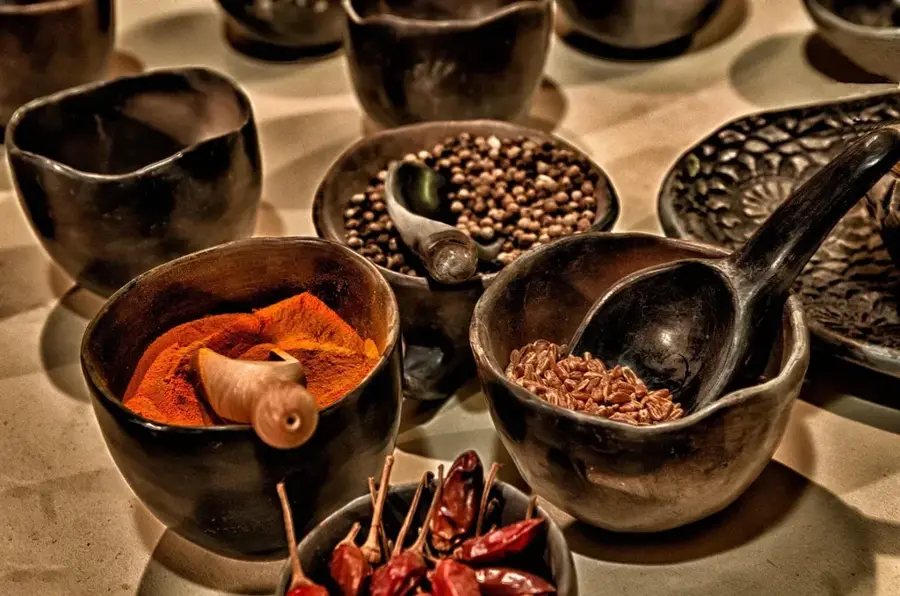
The local markets are a melting pot of cultures, handy for finding fresh produce, Hmong handicrafts, and spices.
Look for intricately carved wooden stools, paddles, and bowls made by the local Bushinengue artisans.
Walk along the riverbank in the late afternoon for a peaceful breeze and views of the pirogues crossing the water.
The old colonial hospital grounds offer a quiet, slightly melancholic atmosphere surrounded by historic architecture.
Water temperature…
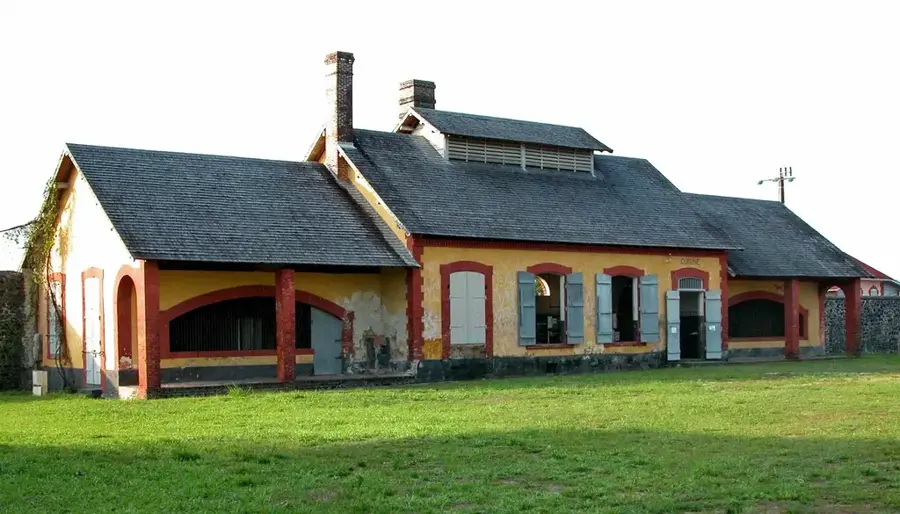
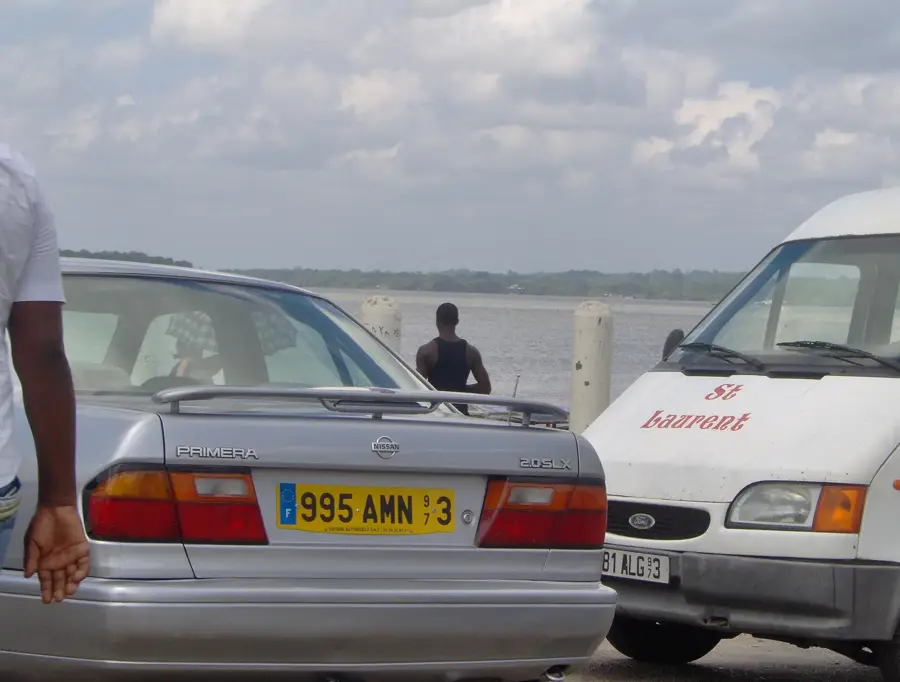
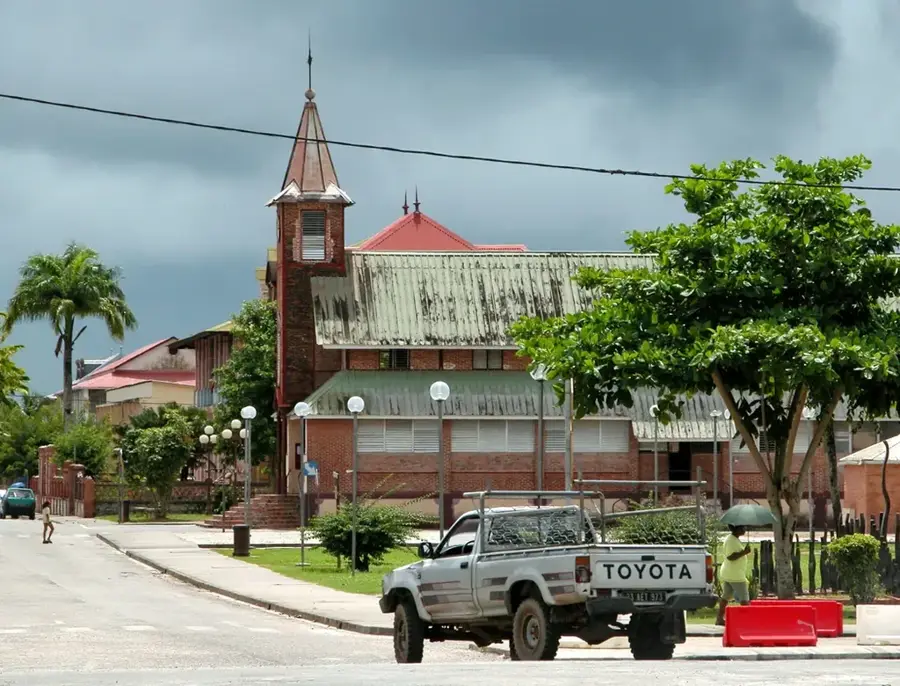
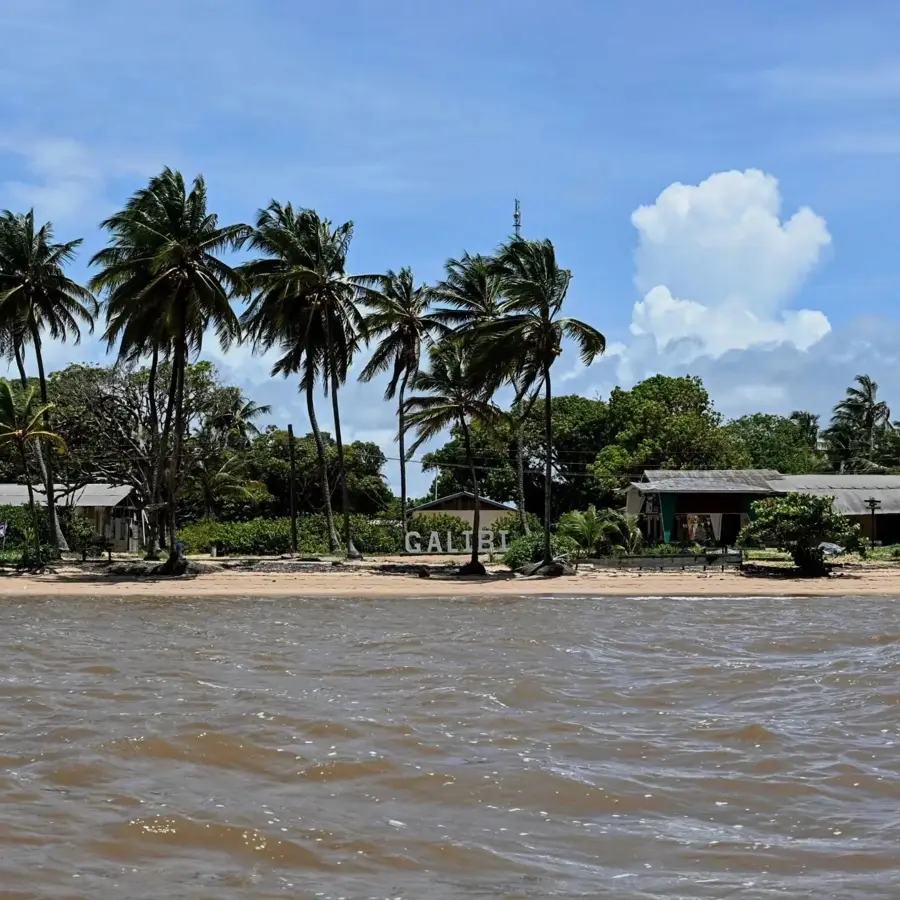
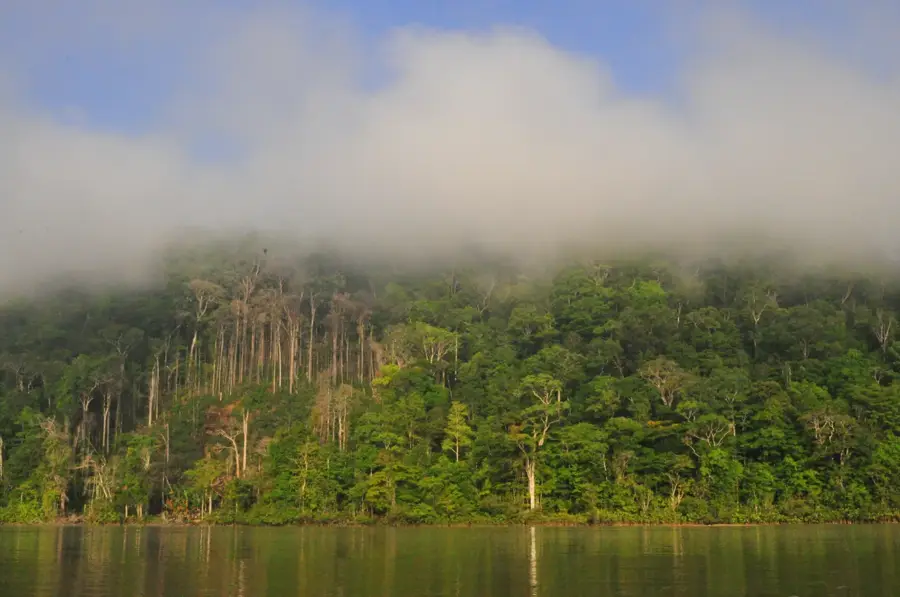
Saint-Laurent-du-Maroni is the second-largest city in French Guiana, located on the right bank of the Maroni River, which marks the international border with Suriname. The town was officially founded in 1858 as the administrative headquarters for the French penal colony system, with the 'Camp de la Transportation' serving as its grim centerpiece. Today, the municipality has evolved into a dynamic commercial hub characterized by its multi-ethnic population, including Bushinengue, Amerindians, and European settlers. Its architecture blends colonial brick buildings with modern Caribbean influences, reflecting the transformation from a prison town into an animated border city. Geographically, the area is surrounded by dense rainforests and the mighty Maroni river system, which acts as a primary artery for the transportation of timber and goods. Saint-Laurent is a vital gateway for cross-border exchange and serves as a cultural melting pot in the western part of the department. The city plays a central role in the regional economy, particularly in forestry and public services.
- Location: French Guiana
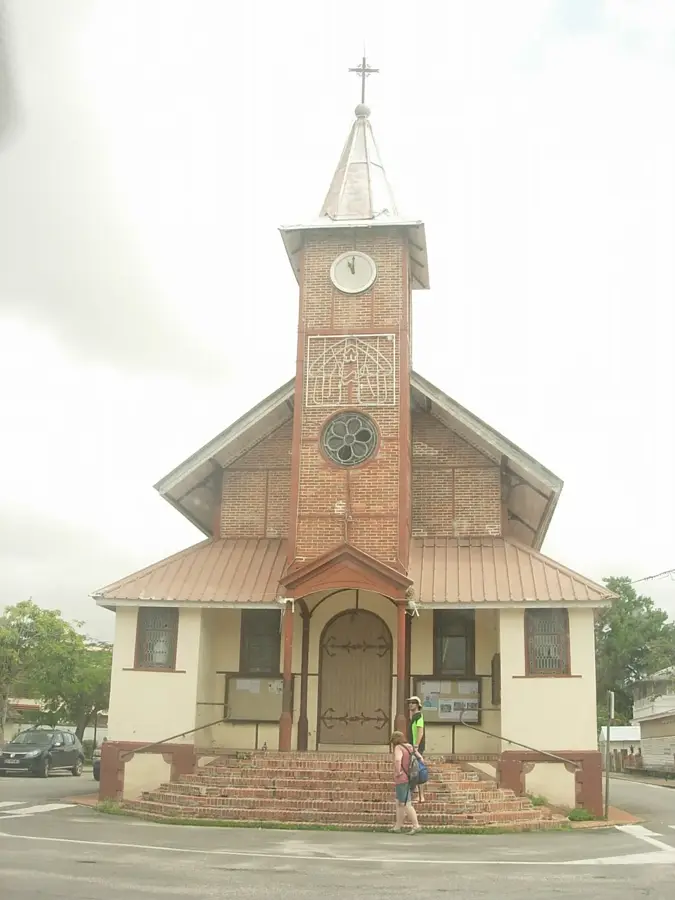
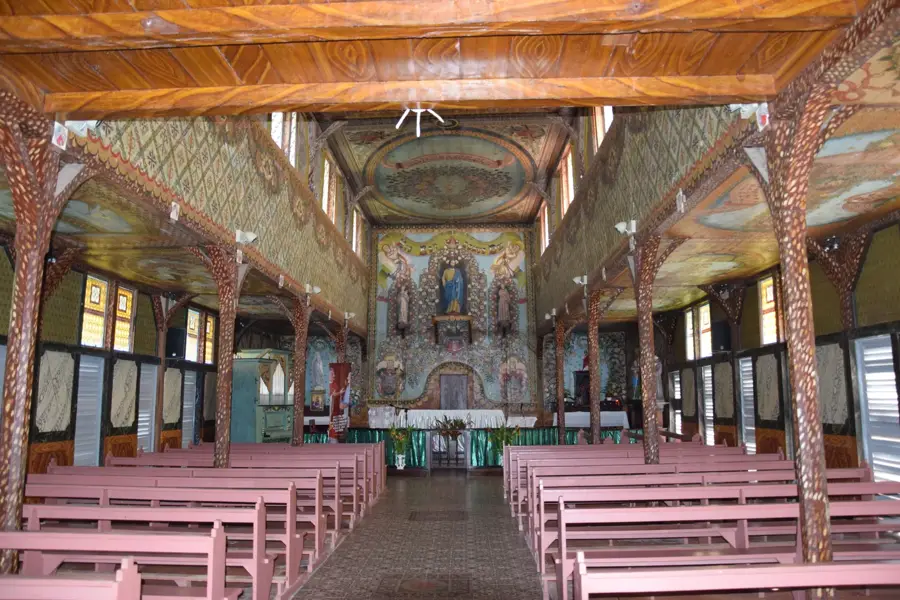
- Top sights: Débarcadère de la Glacière · Église du Bon-Pasteur · Marché aux poissons
- Nearby: Awala-Yalimapo (21 km)
- Population: ~24.287 (2018)
Best time to visit & climate
The most pleasant time to visit is Aug–Oct.
| Jan | Feb | Mar | Apr | May | Jun | Jul | Aug | Sep | Oct | Nov | Dec | |
|---|---|---|---|---|---|---|---|---|---|---|---|---|
| Avg °C | 25 | 25 | 26 | 26 | 26 | 26 | 26 | 26 | 27 | 28 | 27 | 26 |
| Rain mm | 210 | 182 | 166 | 275 | 383 | 292 | 198 | 113 | 57 | 64 | 104 | 216 |
Geography
Facts
- Founded on February 21, 1858, as a penal colony headquarters.
- Located approximately 250 kilometers west of the capital, Cayenne.
- The Camp de la Transportation was only closed permanently in 1946.
- The Maroni River is over one kilometer wide at this location.
- Key center for local rum production, including the Saint-Maurice distillery.
- Features one of the fastest-growing populations in all of France.
Explore nearby
Notable places around


Route planner — Car & Motorhome
Where do you start? We build the route here, with stops and country notes along the way.
© OpenStreetMap contributors · OpenRouteService
Sights in the town Saint-Laurent-du-Maroni (3)
Frequently asked questions
What is the most important historical site?
On which river is the city located?
Can you take a boat to Suriname?
What is the atmosphere in the city?
Are there guided jungle tours?
Saint-Laurent-du-Maroni: where is it located?
Saint-Laurent-du-Maroni: what is there to see?
Saint-Laurent-du-Maroni: when is the best time to visit?
Saint-Laurent-du-Maroni: why is it worth visiting?
Nearby cities
History & landmarks
Nature
More places