Plizio Visual Lab
Lake Petit-Saut

Weather…
Water temperature…
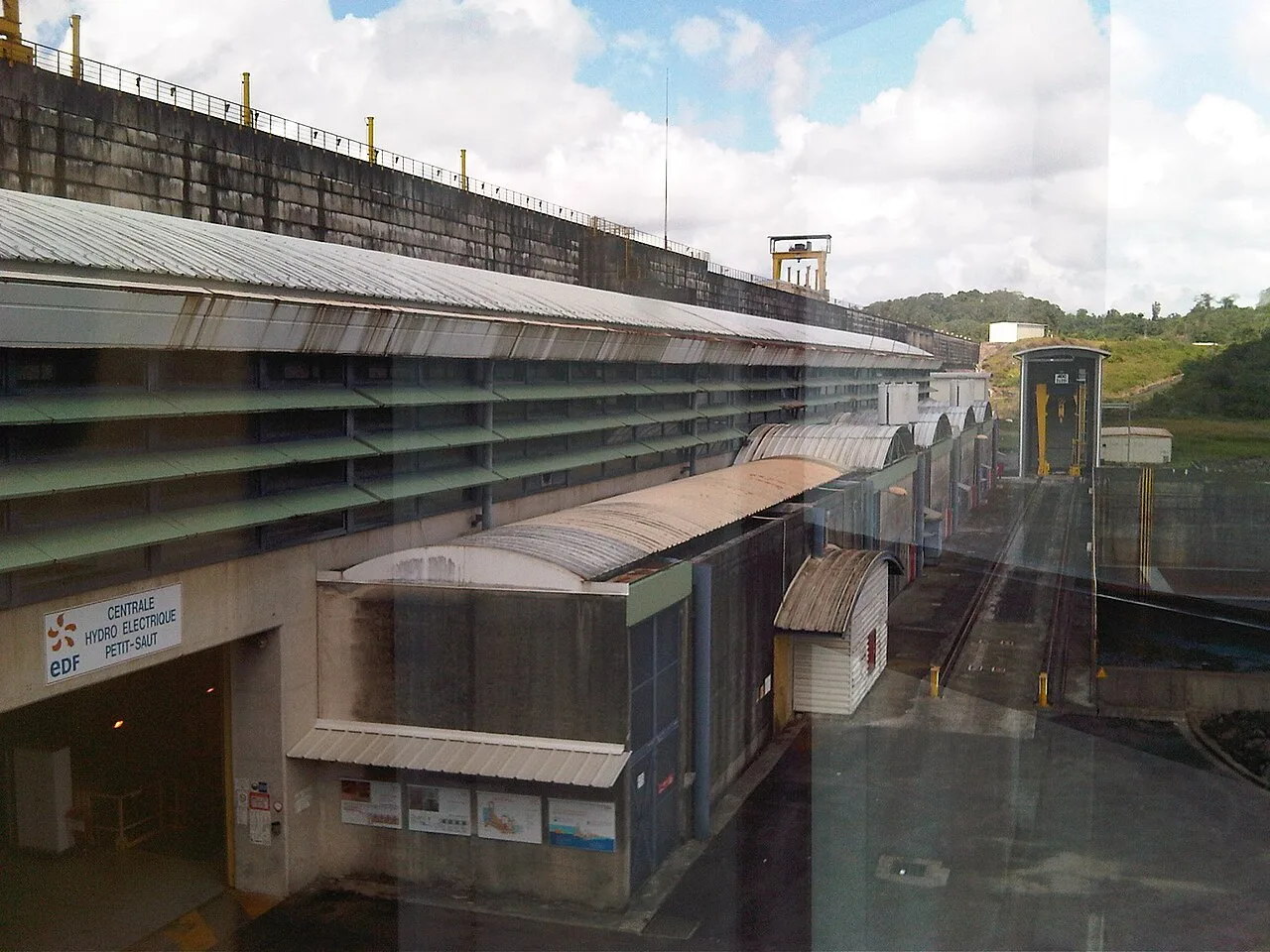
Lake Petit-Saut is the largest reservoir in France, created in 1994 by flooding a vast area of rainforest for the construction of a hydroelectric dam. Covering approximately 365 square kilometers in central French Guiana, it provides a significant portion of the electricity for the department and the Kourou Space Center. The lake's most striking feature is the thousands of skeletal tree trunks protruding from the water, creating a ghostly and surreal landscape. This flooded forest area has fostered a unique ecosystem that is now a vital habitat for caimans, rare fish species, and waterfowl. The construction of the dam was ecologically controversial, as it led to the release of mercury from the soil and the formation of methane gas. Today, the lake is a popular destination for anglers and researchers studying the impact of human intervention on tropical nature. Access is regulated to protect the delicate balance of the environment. Despite its artificial origin, Lake Petit-Saut has evolved into a fascinating natural space that highlights the complex relationship between energy demands and environmental conservation.
- Location: French Guiana
- Top sights: Montagne Marie-Hilaire · Montagne Saint-Jacques
Best time to visit & climate
The most pleasant time to visit is Aug–Oct.
| Jan | Feb | Mar | Apr | May | Jun | Jul | Aug | Sep | Oct | Nov | Dec | |
|---|---|---|---|---|---|---|---|---|---|---|---|---|
| Avg °C | 25 | 25 | 25 | 25 | 25 | 25 | 25 | 25 | 26 | 27 | 27 | 25 |
| Rain mm | 268 | 240 | 229 | 343 | 469 | 322 | 214 | 113 | 56 | 61 | 110 | 282 |
📋 Practical info
Geography
Facts
- The reservoir covers an area of approximately 36,500 hectares.
- The hydroelectric plant has an installed capacity of 114 MW.
- Thousands of hectares of primary forest were submerged during flooding.
- The lake is located on the Sinnamary River in the interior.
- It serves as a major research site for methane emissions from reservoirs.
- Navigation on the lake is extremely hazardous due to the submerged trees.
Explore nearby
Notable places around


Route planner — Car & Motorhome
Where do you start? We build the route here, with stops and country notes along the way.
© OpenStreetMap contributors · OpenRouteService
Sights in the town Lake Petit-Saut (2)
Sights nearby
Frequently asked questions
What is the Lac de Petit-Saut?
Why are there dead trees in the lake?
Can you go boating on the lake?
What animals live at the reservoir?
Is fishing allowed in the lake?
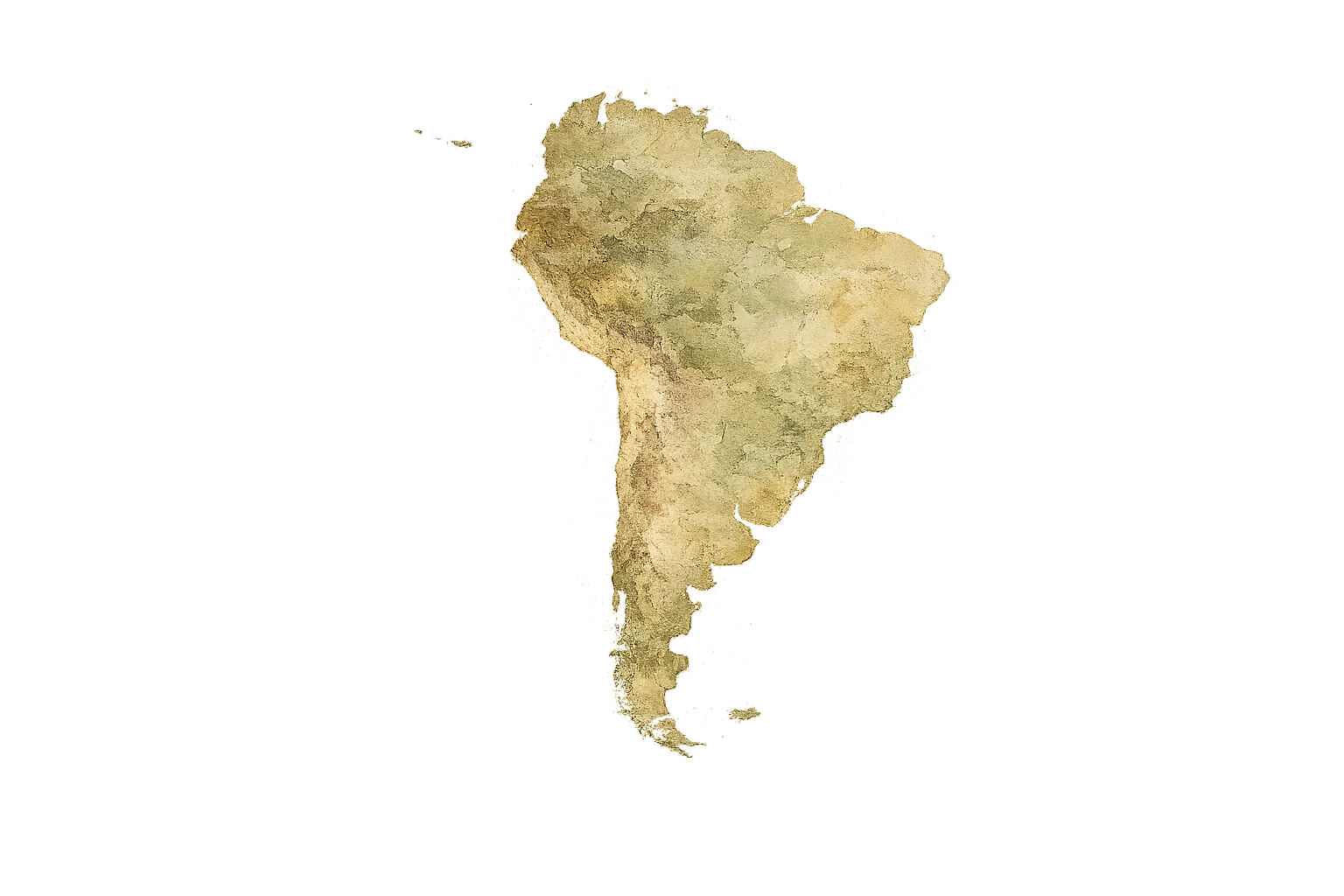
Lake Petit-Saut: where is it located?
Lake Petit-Saut: what is there to see?
Lake Petit-Saut: when is the best time to visit?
Lake Petit-Saut: why is it worth visiting?
Nearby cities

History & landmarks
More places