Plizio Visual Lab
Cayenne
ℹ️Practical info — Cayenne
▾
🌤 Weather — 5 days
📍 Nearby
Sights nearby
💡 Tips
- Visit the central market on Wednesday, Friday, or Saturday mornings for the most spirited atmosphere and freshest produce.
- French is the official language, so knowing a few basic phrases will greatly help in local shops.
- Bring insect repellent if you plan to walk around the squares or near the water in the evening.
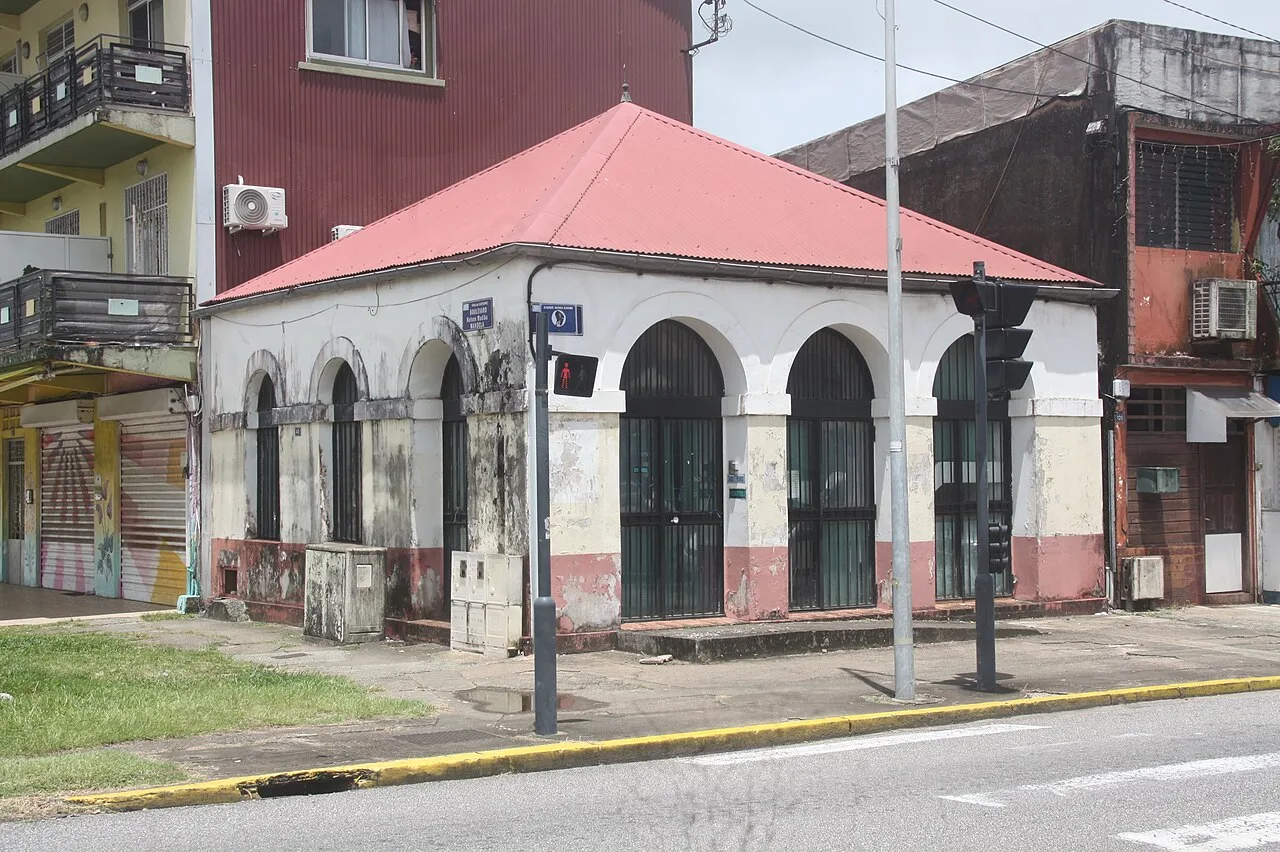
- The colonial city center is compact and best explored on foot to appreciate the colorful Creole houses.
🍽 Food
A rich, traditional Guianese stew made from palm fruit, often found in local Creole restaurants, especially around Easter.
Passion fruit juice is a staple; grab a cold cup from vendors at the central market.
Reflecting the region's diversity, these Javanese-inspired noodle and rice dishes are popular street food options.
🛍 Shopping · 🧘 Quiet spots
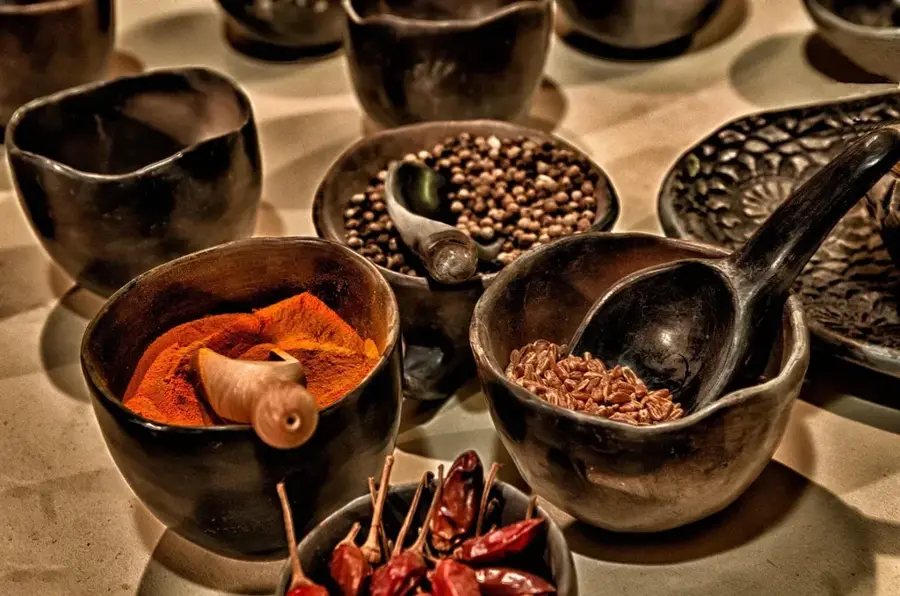
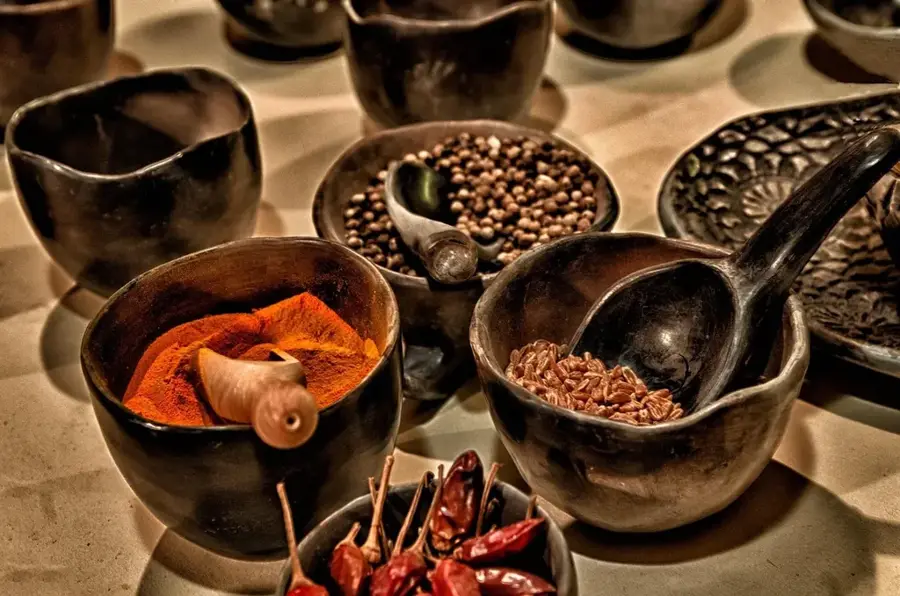
The bustling central market is the best place to buy local spices, tropical fruits, and artisanal rums.
The main commercial street, lined with shops selling clothes, souvenirs, and French imports.
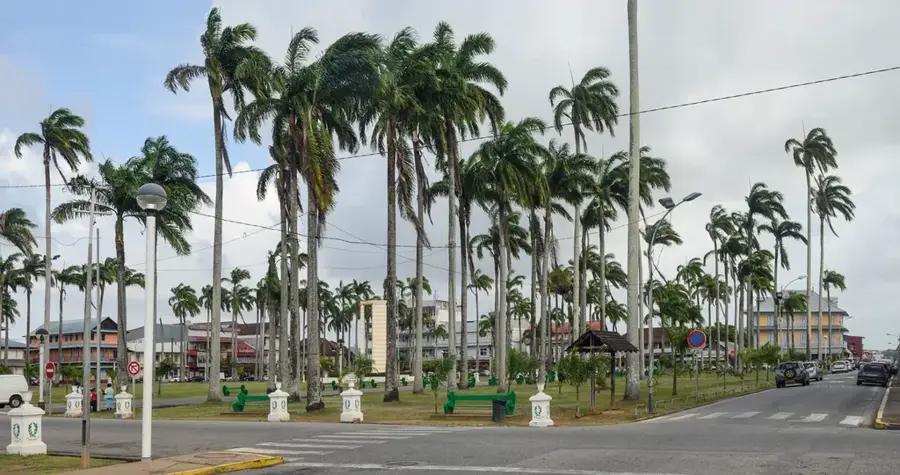
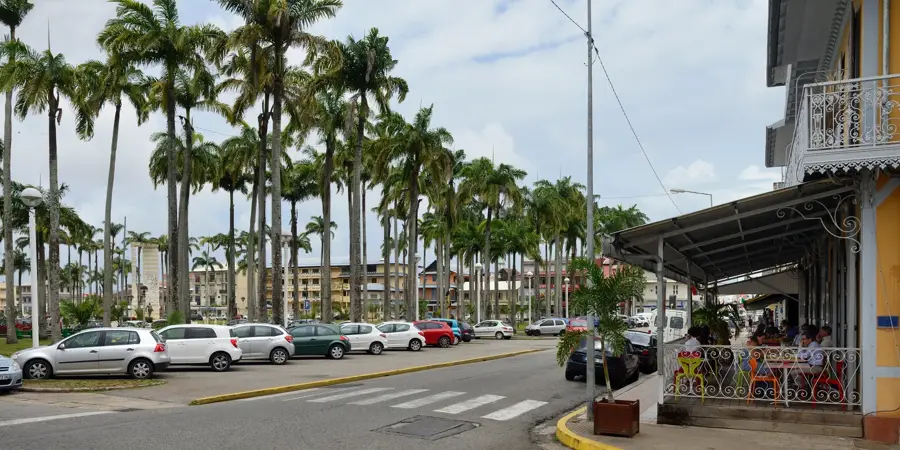
The main square is shaded by giant palm trees, offering a relaxing spot to rest and watch local life.
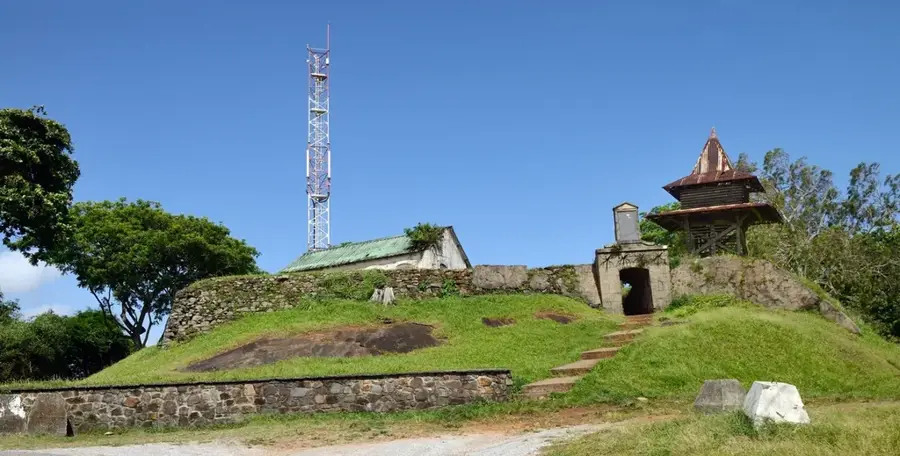
Climb up to the remnants of this 17th-century fort for a quiet, panoramic view over the city and river.
Water temperature…
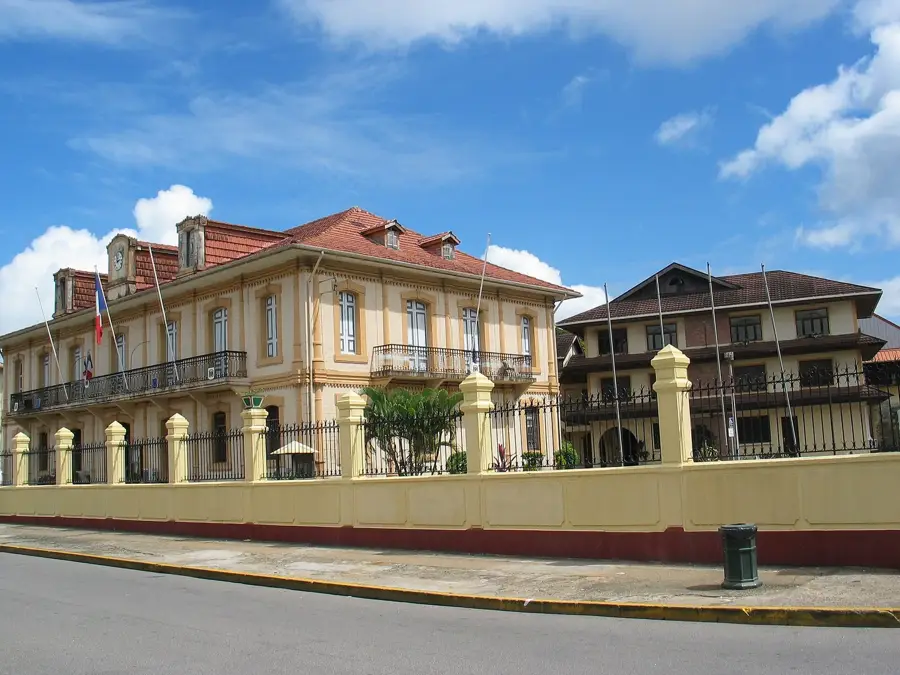
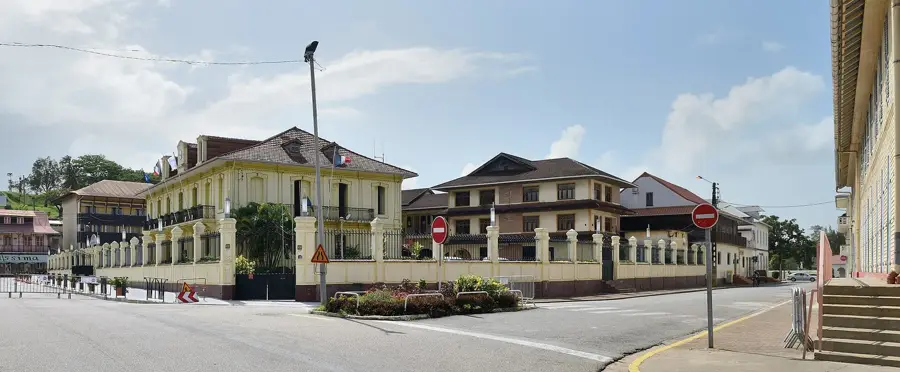
Cayenne, the capital of French Guiana, serves as the administrative, cultural, and economic heartbeat of this unique French overseas territory in South America. Situated on a peninsula at the mouth of the Cayenne River, the city overlooks the Atlantic Ocean and acts as the bridge between European standards and the Amazonian wilderness. Its origins date back to the mid-17th century, though it was briefly held by the Dutch before permanently becoming French in 1664. The city's layout is centered around the Place des Palmistes, a vast square famous for its towering royal palms and spirited social atmosphere. Cayenne's architecture is a delightful mix of 19th-century Creole wooden houses and contemporary French administrative buildings. As the capital, it is the primary seat of the prefecture and the regional council, making the public sector the largest employer. However, the city also thrives on maritime trade through the port of Dégrad-des-Cannes and a growing service industry linked to the Guiana Space Centre located nearby in Kourou. The population of Cayenne is remarkably cosmopolitan, comprising Creoles, mainland French, Chinese, Hmong, and Brazilians, creating a rich tapestry of languages and traditions. This multiculturalism is best experienced through the city's cuisine, which blends French culinary techniques with spicy Amazonian ingredients. The annual Carnival is a major cultural highlight, featuring the mysterious 'Touloulou' balls and elaborate street parades. Cayenne is also a center for higher education and environmental research, home to the University of French Guiana and the Institut Pasteur. Despite its remote location from Paris, Cayenne remains a modern city with high-speed internet, supermarkets, and European-style hospitals, yet it is surrounded by some of the most pristine tropical rainforests and biodiverse ecosystems on the planet.
- Location: French Guiana
- Top sights: Église Adventiste du Septième Jour - Mission de la Guyane · Église du Christianisme Céleste · Église Notre-Dame de Fatima
- Nearby: Kaw Marshes (32 km)
- Population: ~61.550 (2024)
Best time to visit & climate
The most pleasant time to visit is Aug–Oct.
| Jan | Feb | Mar | Apr | May | Jun | Jul | Aug | Sep | Oct | Nov | Dec | |
|---|---|---|---|---|---|---|---|---|---|---|---|---|
| Avg °C | 26 | 26 | 26 | 26 | 26 | 26 | 26 | 26 | 27 | 27 | 27 | 26 |
| Rain mm | 300 | 264 | 251 | 369 | 504 | 334 | 217 | 109 | 54 | 58 | 110 | 303 |
Geography
Facts
- Cayenne was founded on the site of an earlier Kalina Amerindian village.
- The city's motto is 'Fert aurum industria' (Work brings gold).
- The Place de Grenoble is the oldest square in the city, dating to the 17th century.
- Cayenne experiences its heaviest rainfall between the months of April and July.
- The city is a major center for the study of tropical infectious diseases.
- The Musée Départemental Alexandre-Franconie is the main historical museum.
- Cayenne's urban area accounts for nearly 50% of French Guiana's population.
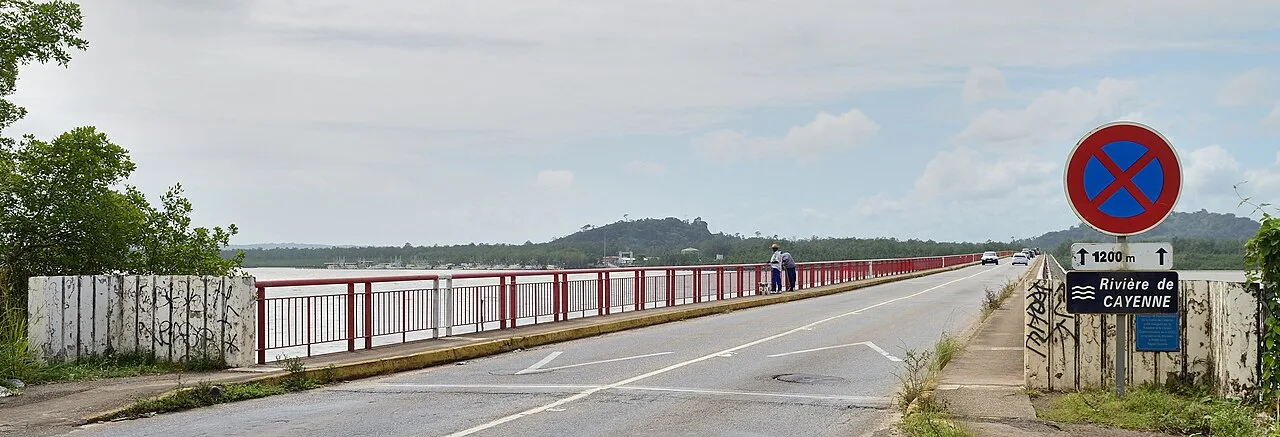
- The bridge over the Cayenne River (Pont sur la Cayenne) was opened in 2004.
Explore nearby
Notable places around


Route planner — Car & Motorhome
Where do you start? We build the route here, with stops and country notes along the way.
© OpenStreetMap contributors · OpenRouteService
Sights in the town Cayenne (10)
Église Eben-Ezer
Evangelical church in Cayenne, named after the biblical site Eben-Ezer.
Témoins de Jéhovah
Kingdom Hall of Jehovah's Witnesses in Cayenne.
Église Saint-Paul
Chapel in Cayenne, used by the Catholic community.
Bahai
Bahai community centre in Cayenne, a place for worship and gatherings.
Igreja Padroneira⛪ church
Portuguese-language church in Cayenne, part of Catholic tradition.
Mosquée
Mosque in Cayenne, prayer site for the Muslim community.
Frequently asked questions
What is the landmark of Cayenne?
Where to find the best local food?
Is Cayenne a safe city?
What to do at Place des Palmistes?
How to get to the city from the airport?
Cayenne: where is it located?
Cayenne: what is there to see?
Cayenne: when is the best time to visit?
Cayenne: why is it worth visiting?
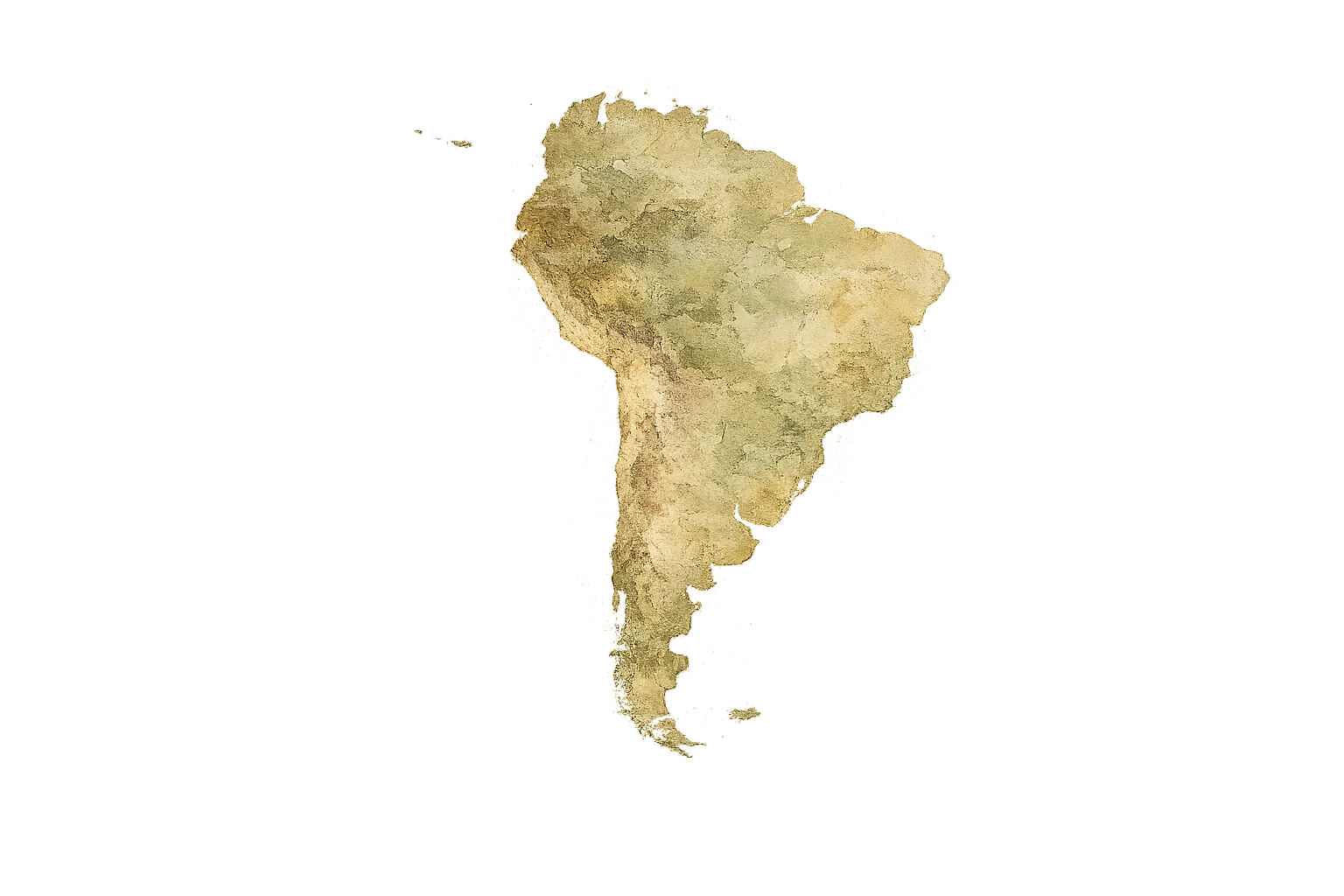
Nearby cities
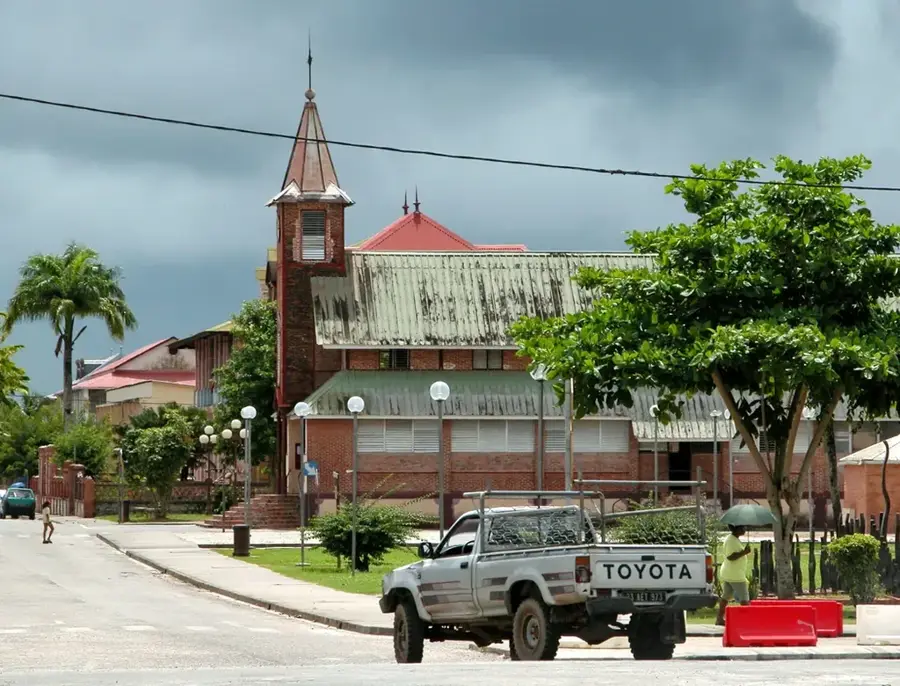
History & landmarks
More places