Plizio Visual Lab

Maroni River
Plizio editorial teamData Sources
River
—°2
Maroni River (French Guiana)

Weather…

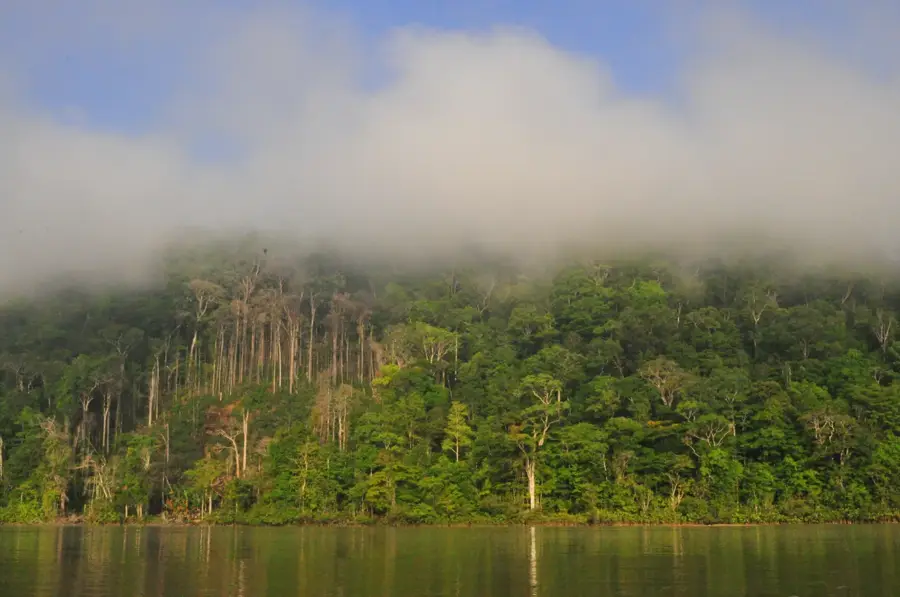
The Maroni River, stretching approximately 612 kilometers, is the most significant and voluminous waterway in French Guiana, forming the natural border with neighboring Suriname. It originates in the Tumuc-Humac Mountains in the south and flows northward through dense, pristine rainforest until it empties into the Atlantic Ocean near Saint-Laurent-du-Maroni. For the local population, especially the Bushinengue and Amerindian communities, the river is the primary transportation route, as many settlements are accessible only by pirogue. Navigating the Maroni is characterized by numerous rapids, known as 'Sauts,' which require great skill from the boatmen. The flora and fauna along its banks are exceptionally biodiverse, hosting countless species of birds, monkeys, and rare aquatic life. Historically, the river was a theater for the gold rush and remains a center for artisanal gold mining to this day. Despite challenges from illegal activities, the Maroni remains a symbol of Guiana's wilderness and cultural diversity. Preserving this vast ecosystem is of critical importance for the ecological balance of the entire region.

Best time to visit & climate

The most pleasant time to visit is Sep–Nov.

JanFebMarAprMayJunJulAugSepOctNovDec
Avg °C262627272727272728282727
Rain mm14611711020330625517694475285163

📋 Practical info

🧭
Getting there
Accessing the river usually involves departing from the town of Saint-Laurent-du-Maroni, which is well-connected by local coastal roads. Most exploration of the waterway is conducted by hiring traditional motorized pirogues with experienced local boatmen.
📅
Best season
The preferred time for river travel is during the drier periods from July to December when the water currents are somewhat more predictable. The heavy rainy season can cause dramatic swelling, making navigation through rapids significantly more challenging.
⛰️
Terrain & paths
The river acts as a vast moving highway surrounded by dense Amazonian rainforest on both the French Guiana and Suriname banks. Along the journey, travelers will encounter sandy riverbanks, small riverside villages, and sections of powerful rapids.
🎒
What to bring
Dry bags are absolutely essential to protect cameras and personal electronics from frequent splashing during boat rides. Bring strong insect repellent, a wide-brimmed hat, and lightweight clothing that has full sun and mosquito protection.
🅿️
Parking
Travelers usually park their vehicles securely at designated marina facilities or prominent hotels within Saint-Laurent-du-Maroni. Long-term parking should always be arranged formally to ensure the safety of the vehicle while traveling upriver.
⚠️
Safety
Sunburn and severe mosquito-borne illnesses pose the most immediate risks, so strict adherence to tropical medical advice is vital. Always trust your local boatman implicitly when navigating through dangerous hidden rocks and turbulent river rapids.
⏱️
Time needed
A simple introductory boat tour near the river mouth might take only a few hours of an afternoon. In contrast, deep expeditions to visit remote inland communities can last anywhere from three days to a full week.

Geography

Coordinates
5.75540, -53.97490

Facts

  • At 612 km, it is the longest river in French Guiana.
  • The river basin covers an area of approximately 68,000 square kilometers.
  • Major tributaries include the Tapanahoni and the Lawa rivers.
  • The mouth forms a vast estuary important for nesting sea turtles.
  • Infamous for dangerous rapids such as the Saut Hermina.
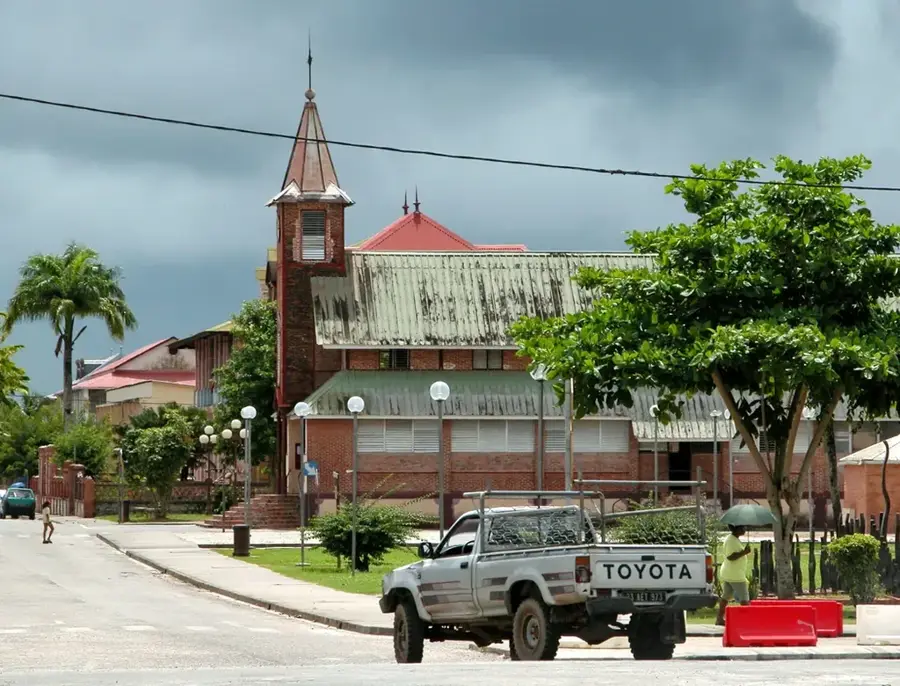
  • Serves as the vital artery for the town of Saint-Laurent-du-Maroni.

Explore nearby

Notable places around
Route planner — Car & Motorhome

Where do you start? We build the route here, with stops and country notes along the way.

Vehicle
Only stops with (optional):

© OpenStreetMap contributors · OpenRouteService

Sights in the town Maroni River (2)

Les Hattes🎡 recreation

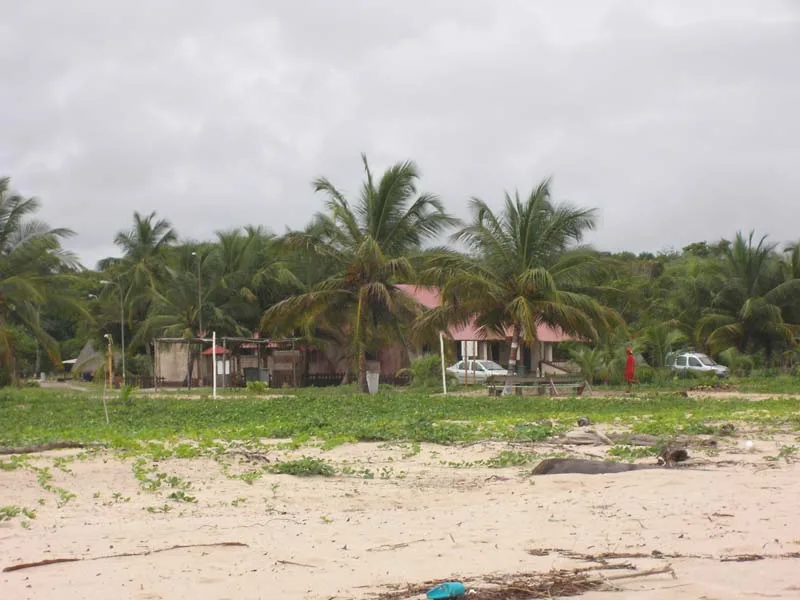
A vast sandy beach famous as a primary nesting ground for giant leatherback sea turtles.

Galibi Nature Reserve🌿 nature

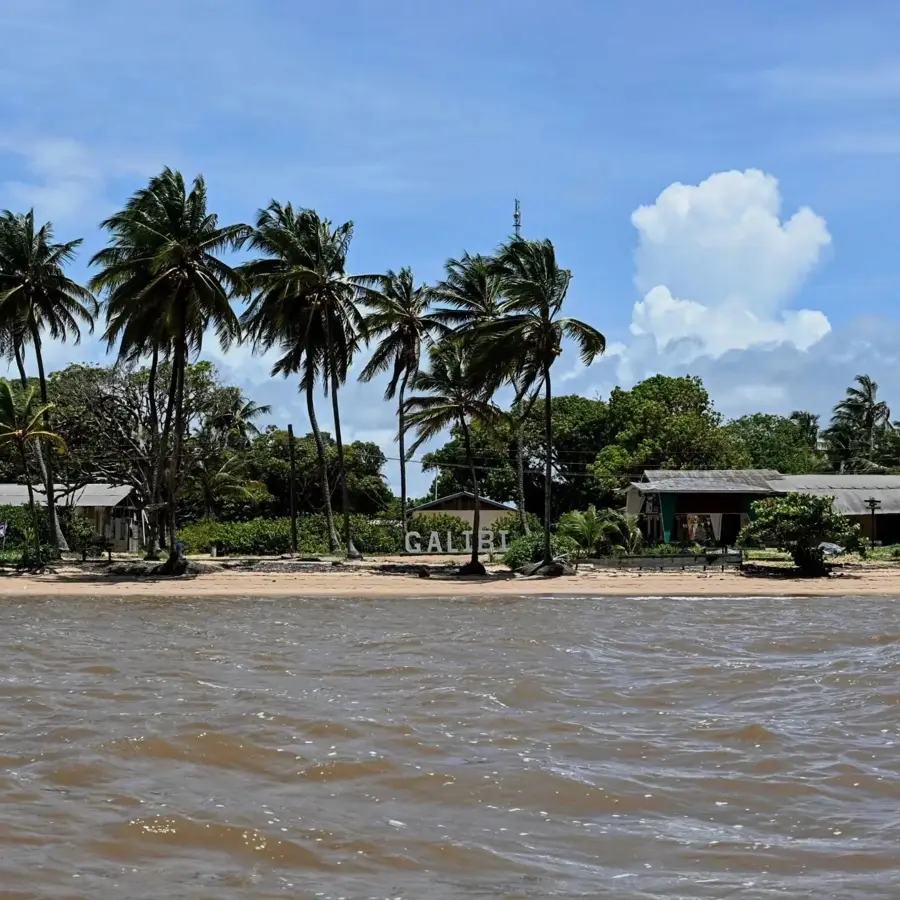
A protected coastal area at the mouth of the Maroni, vital for the conservation of nesting sea turtles.

Sights nearby

Frequently asked questions

How do you cross the Maroni River to Suriname?
Pirogues regularly run between Saint-Laurent-du-Maroni and Albina. A passport and possibly a visa are required.
What kind of tours are offered on the river?
Multi-day expeditions to Maroon and indigenous villages are available, including overnight stays in hammock camps.
Is it safe to swim in the Maroni River?
Only possible in designated spots. Currents can be strong, and you should watch out for boat traffic.
What can you see along the banks of the Maroni?
Dense rainforest, traditional wooden houses, and the bustling life in port towns like Saint-Laurent.
What wildlife is there by the river?
You can spot caimans, various monkey species, and numerous tropical birds like kingfishers and herons.
Maroni River: where is it located?
Maroni River is located in French Guiana.
Maroni River: what is there to see?
Highlights include Les Hattes, Galibi Nature Reserve.
Maroni River: when is the best time to visit?
The most pleasant time to visit is Sep, Nov.
Maroni River: why is it worth visiting?
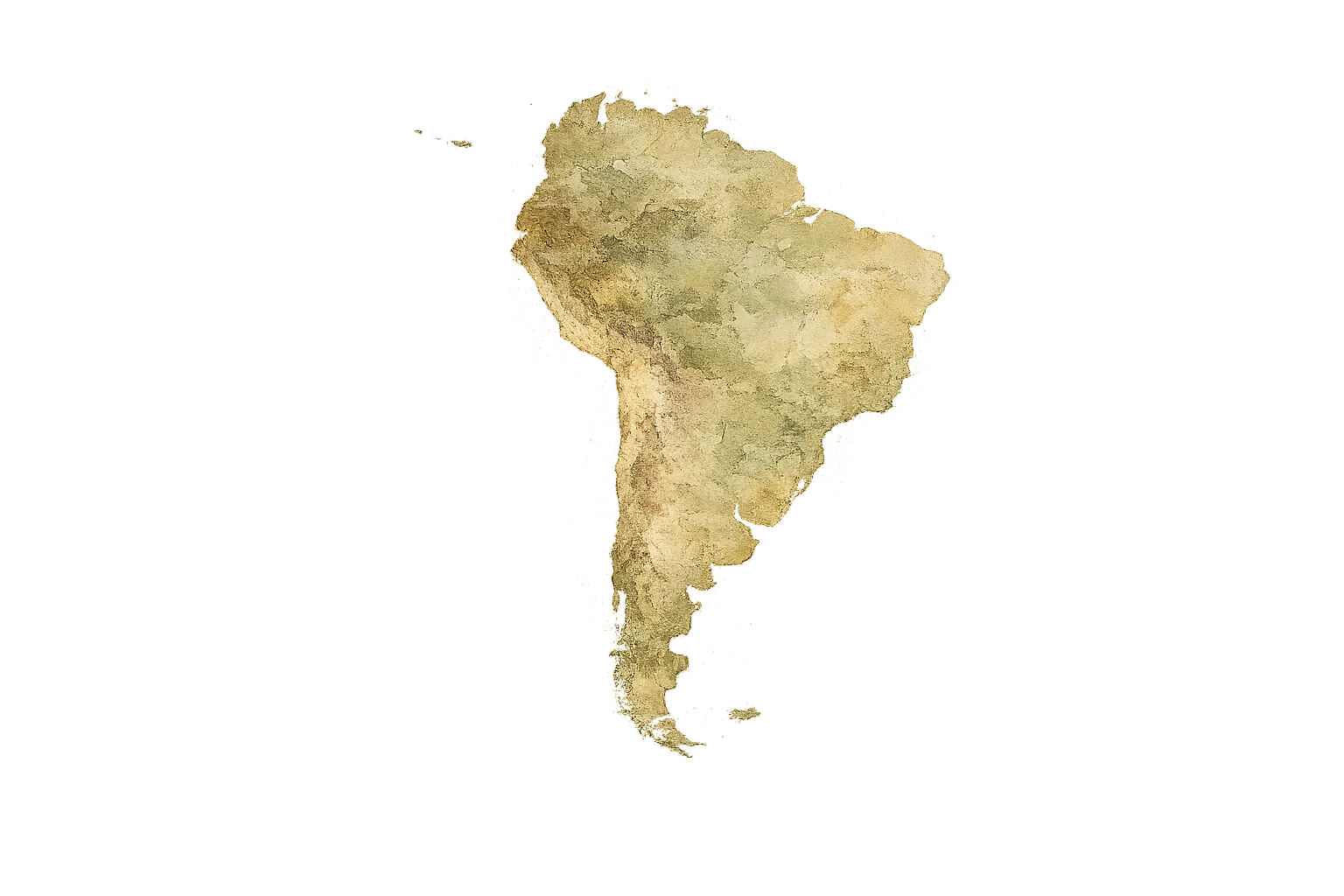
The Maroni River, stretching approximately 612 kilometers, is the most significant and voluminous waterway in French Guiana, forming the natural border with neighboring Suriname.
View on map → The Top 50 Attractions → OpenStreetMap →
South America
Explore with Plizio Discover more places in South America

Nearby cities

History & landmarks
Nature

More places