Plizio Visual Lab
Lucifer Massif
Weather…
Water temperature…
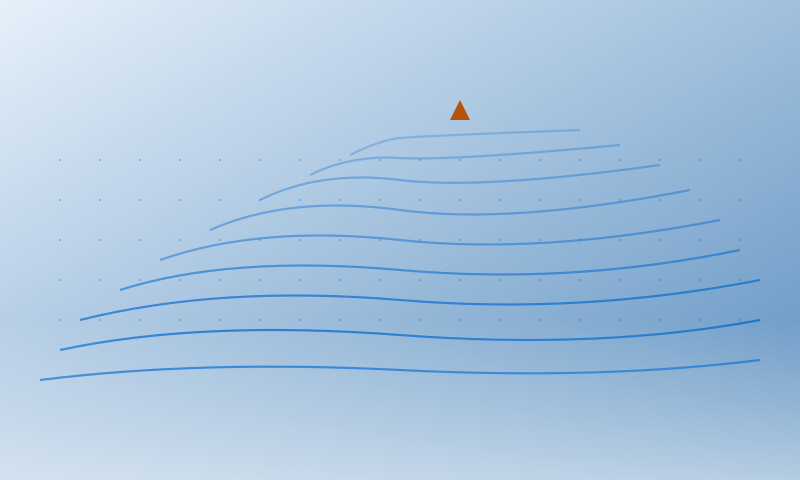
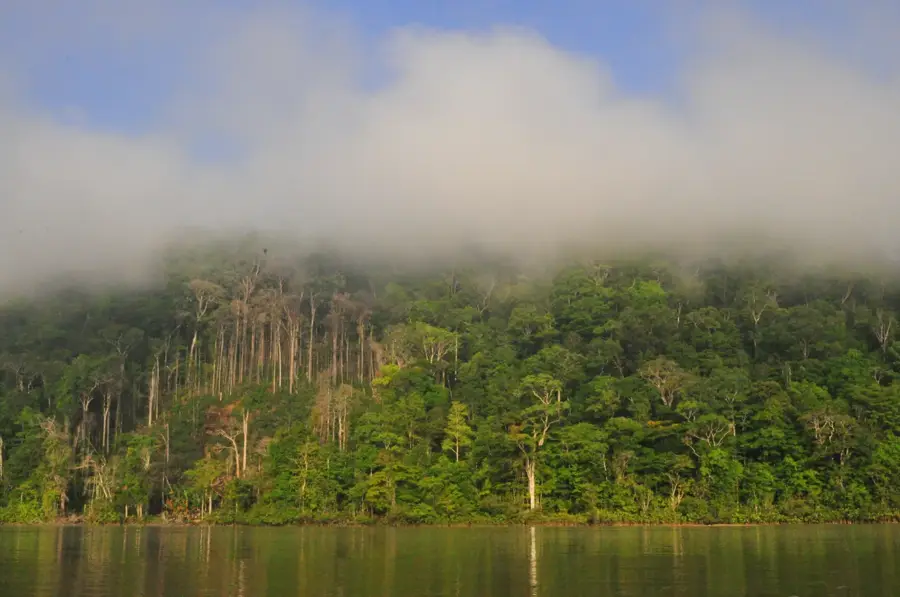
The Lucifer Massif is located in northwestern French Guiana, south of the town of Saint-Laurent-du-Maroni. Together with the neighboring Dékou-Dékou Massif, it forms a prominent topographical unit protected since 1995 as part of the Lucifer Dékou-Dékou Biological Reserve. The formation rises sharply from the surrounding plains and is characterized by steep slopes and an elevated upper plateau. Geologically, the massif is renowned for its gold-bearing quartz veins, which led to intensive mining activities in the adjacent valleys during the past century. Today, the focus is on conservation, as the area hosts primary rainforests and an exceptional diversity of flora and fauna, including endangered species such as the black spider monkey. The dense vegetation and topographical variety create various microclimates that foster a high degree of specialization in local wildlife. Additionally, the massif serves as a critical water catchment area, feeding numerous streams that are vital for the regional ecosystem's stability.
- Location: French Guiana
- Nearby: Saint-Laurent-du-Maroni (56 km)
Best time to visit & climate
The most pleasant time to visit is Aug–Oct.
| Jan | Feb | Mar | Apr | May | Jun | Jul | Aug | Sep | Oct | Nov | Dec | |
|---|---|---|---|---|---|---|---|---|---|---|---|---|
| Avg °C | 25 | 25 | 25 | 25 | 25 | 25 | 25 | 25 | 26 | 28 | 27 | 26 |
| Rain mm | 220 | 219 | 214 | 305 | 379 | 289 | 207 | 119 | 56 | 66 | 104 | 231 |
📋 Practical info
Geography
Facts
- The Lucifer Massif is integrated into a 64,000-hectare biological reserve.
- The highest point of the massif reaches approximately 500 meters above sea level.
- The area was officially protected in 1995 to curb illegal gold mining activities.
- It supports one of the most significant populations of the black spider monkey.
- The geological structure consists primarily of volcano-sedimentary rocks.
- Researchers have documented over 150 distinct tree species per hectare in this area.
Explore nearby
Notable places around


Route planner — Car & Motorhome
Where do you start? We build the route here, with stops and country notes along the way.
© OpenStreetMap contributors · OpenRouteService
Sights in the town Lucifer Massif (1)
Sights nearby
Frequently asked questions
Why is it called Massif Lucifer?
How difficult is the terrain?
What equipment do I need?
Is photography allowed there?
What is the biggest danger?
Lucifer Massif: where is it located?
Lucifer Massif: when is the best time to visit?
Lucifer Massif: why is it worth visiting?
Nearby cities

History & landmarks
Nature
More places