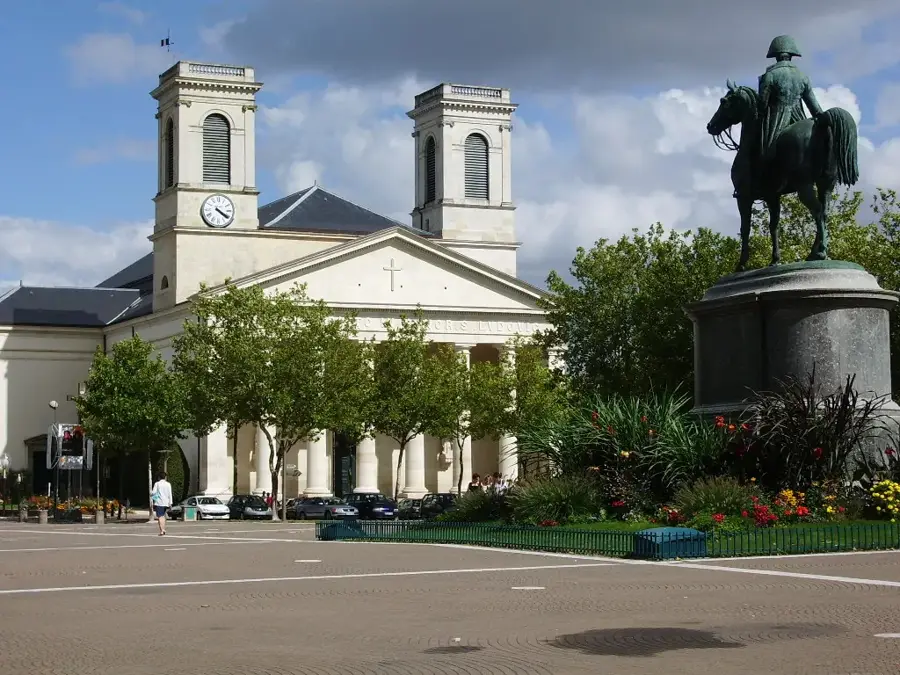
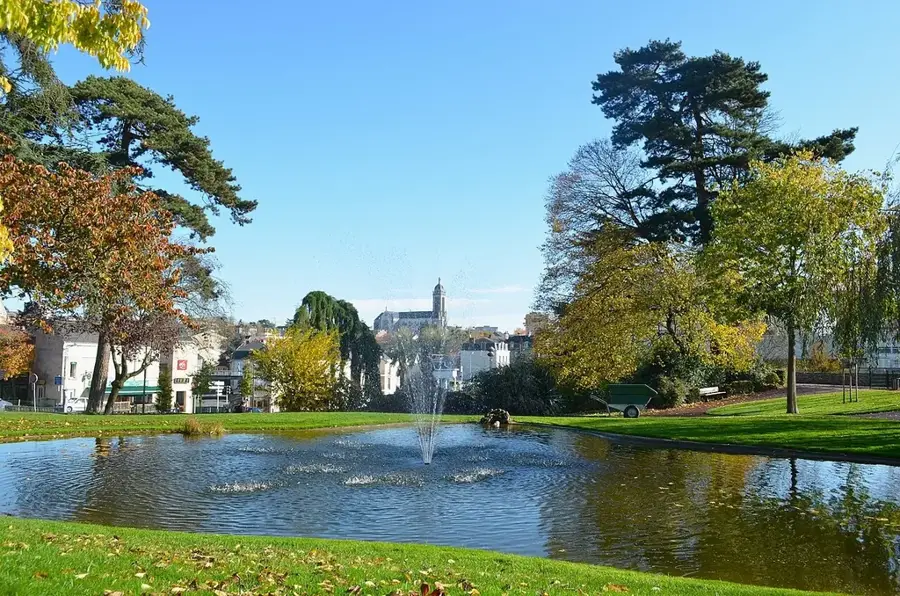
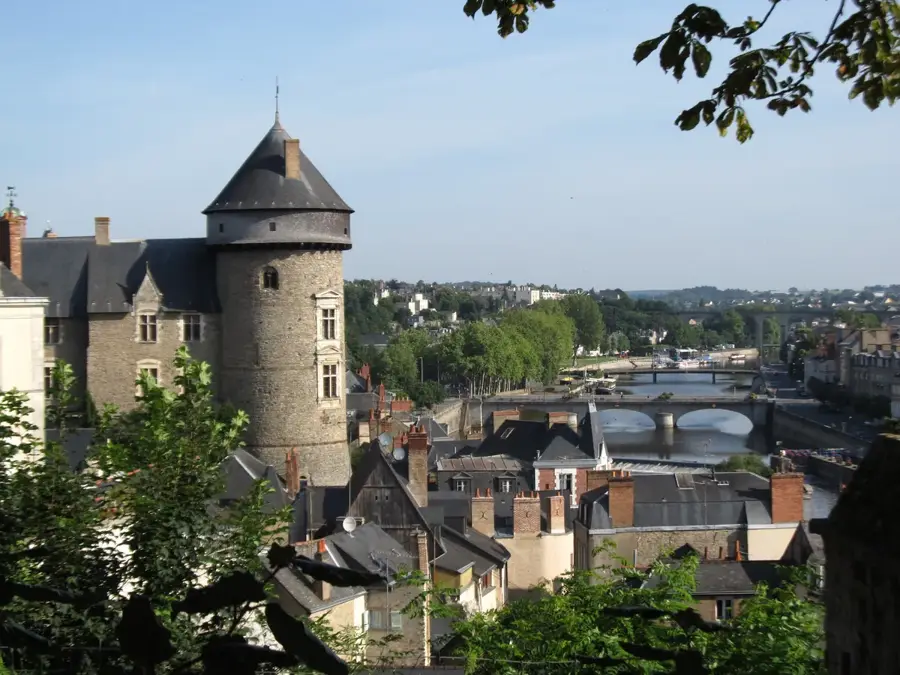
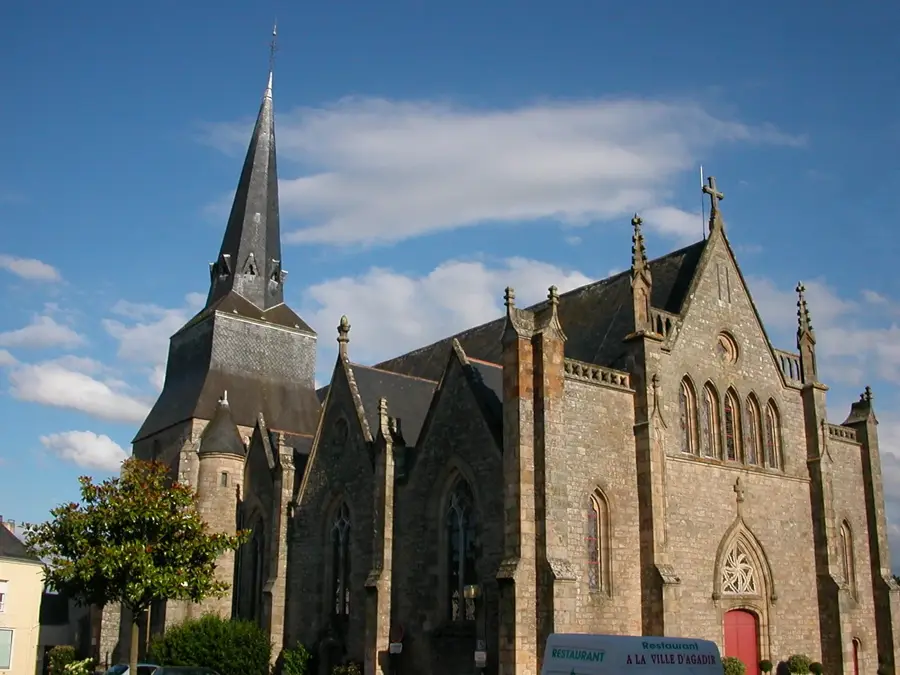
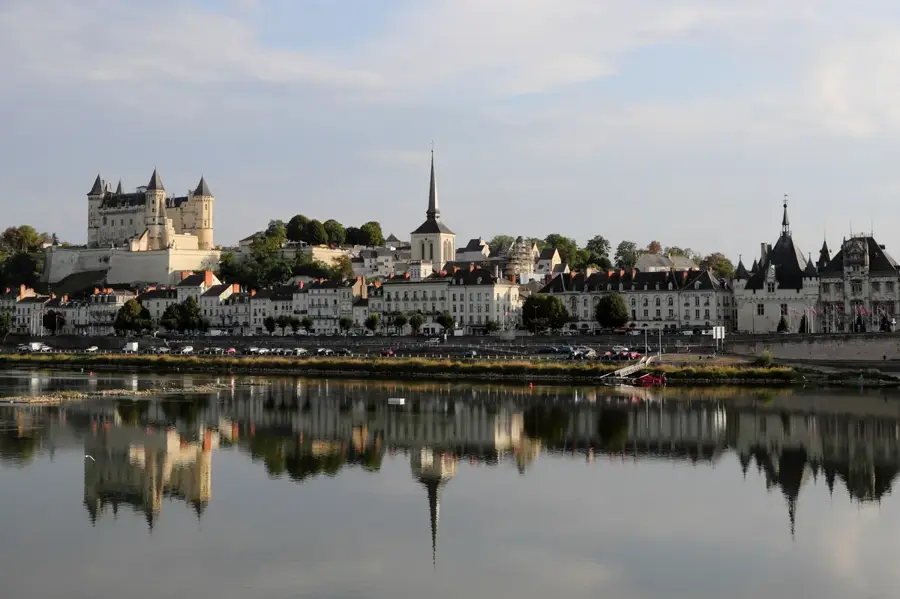
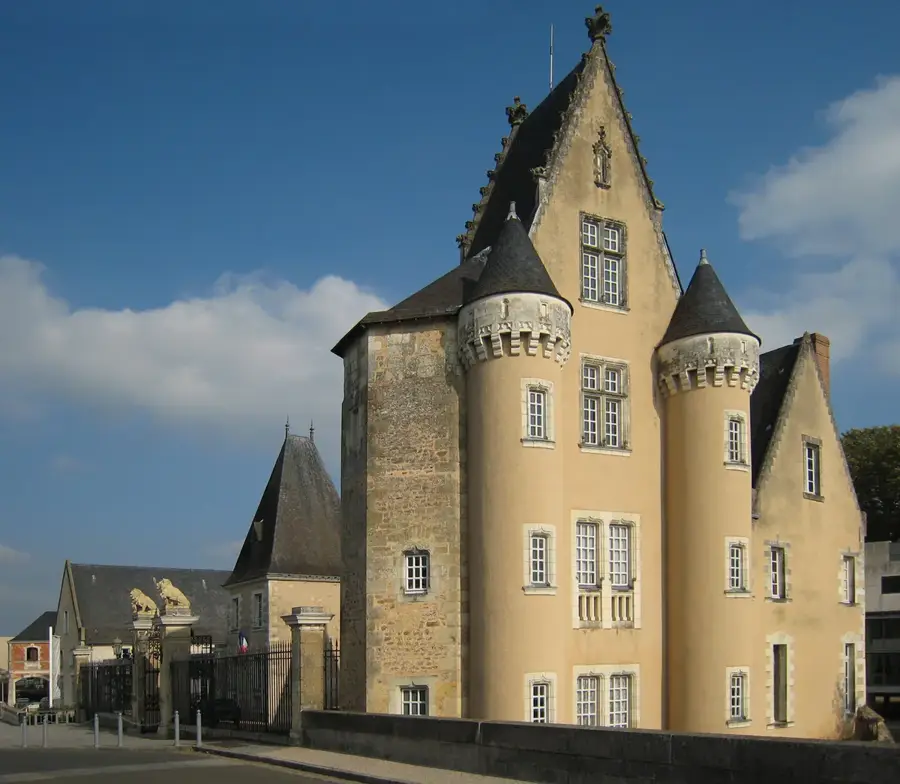
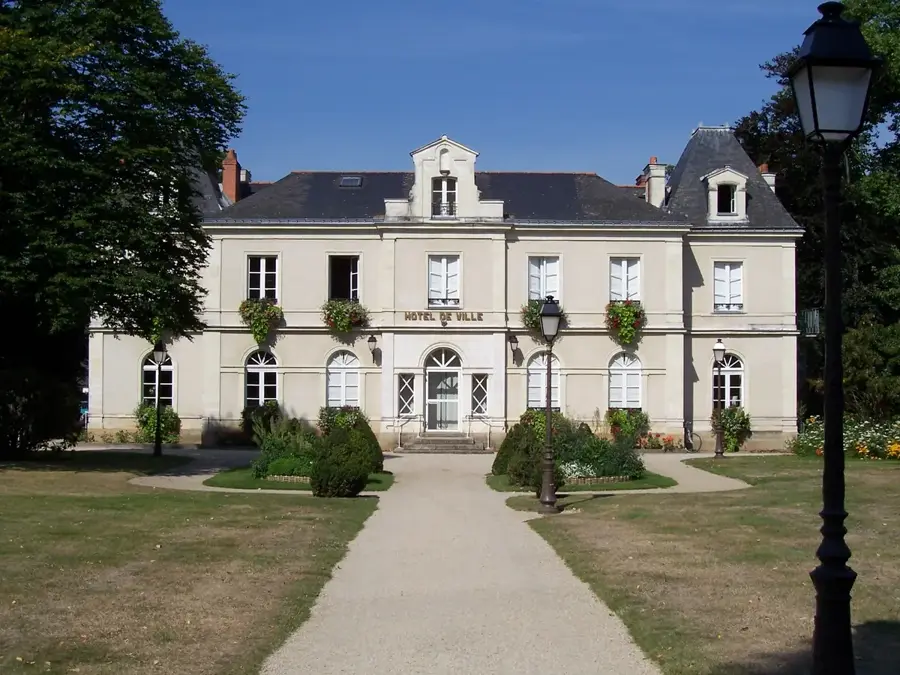
Chemillé is a scenic town in the Maine-et-Loire department, globally distinguished as a leading center for the cultivation of medicinal and aromatic plants. For decades, the fertile soils of the Anjou region around Chemillé have produced a vast variety of herbs used in pharmaceuticals, cosmetics, and gastronomy. This botanical heritage is showcased at the Camifolia botanical garden, which attracts visitors from all over Europe. Historically, the town was a significant site during the 18th-century Wars of the Vendée, leaving a complex legacy that is still reflected in local landmarks and museums. Today, as part of the Chemillé-en-Anjou municipality, it acts as a lively economic hub for western France, focusing on sustainable agriculture, food processing, and specialized machinery. The town successfully blends its rustic charm with modern amenities, hosting regular plant fairs and cultural festivals. Chemillé features a high quality of life, defined by its connection to the land and a strong sense of community pride in its unique green industry.
Location: Pays de la Loire, France
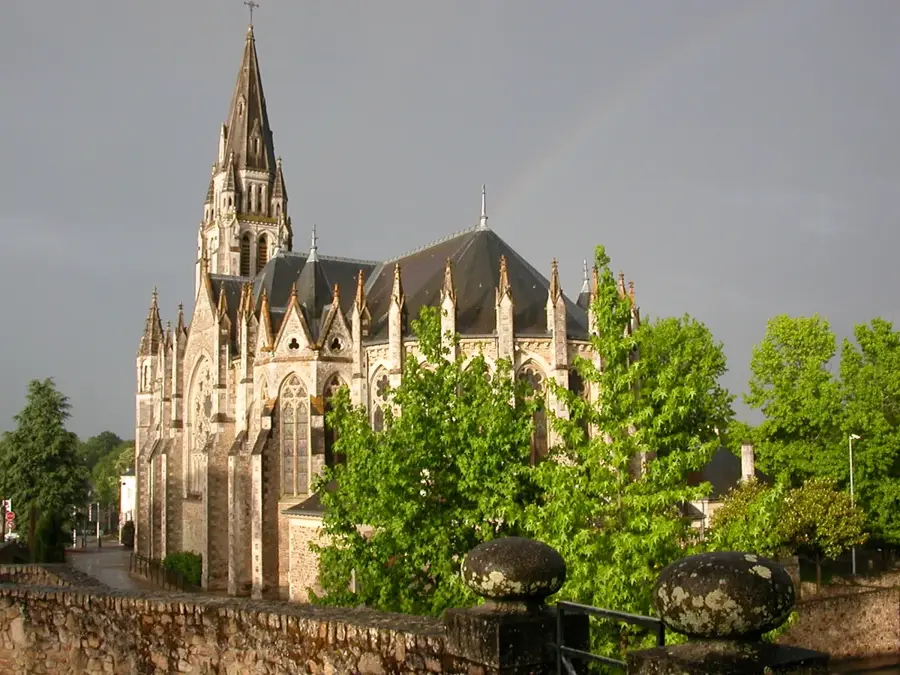
Top sights: Camifolia Garden · Notre-Dame la Neuve Church · Saint-Pierre Church
Pick weather + travel mode, get a concrete day plan.
09:00→17:203.5 km walk6 places0/6
Day budget: ≈ 22–30 €Entries 26€ · Transport 0€
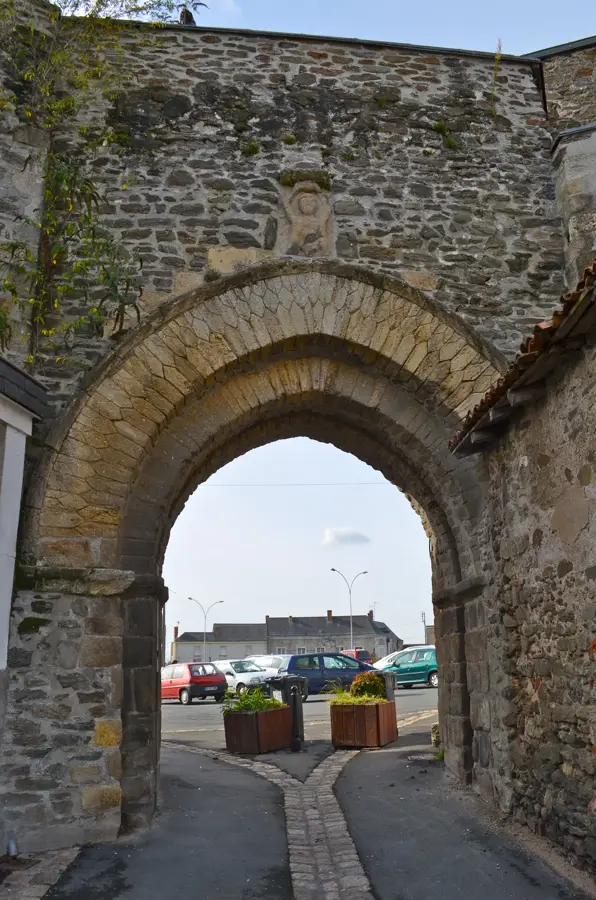
Start your day in the heart of Chemillé, exploring the magnificent church and the historical castle ruins that tell the story of a rich past.
Continue your walk to the Camifolia botanical garden, where you can relax among medicinal plants and fully enjoy the beauty of nature.
In the afternoon, discover the cultural site L'Arbre à Fil and admire the charming Saint-Pierre Church with its uniquely peaceful atmosphere.
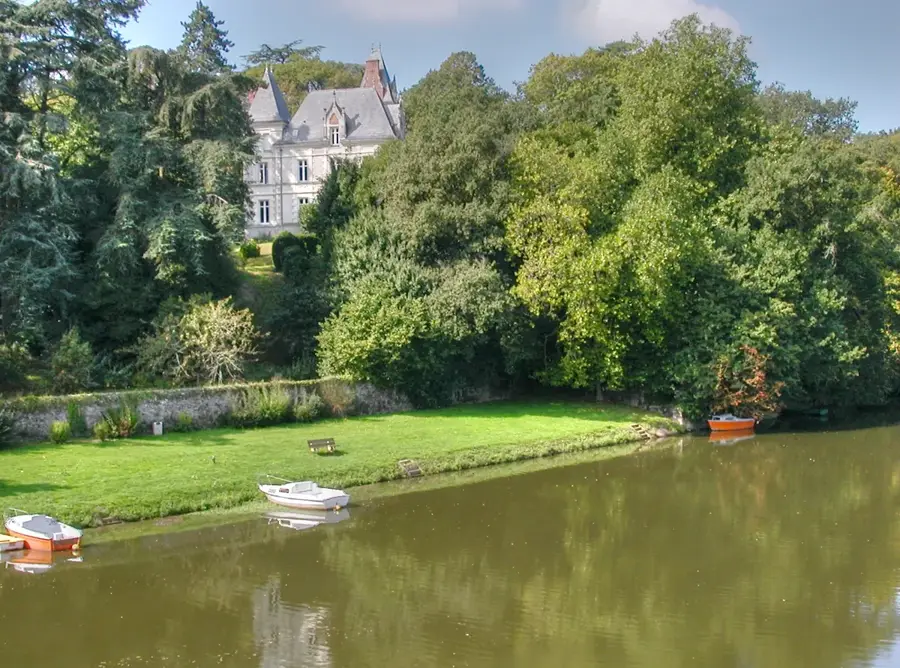
End the day comfortably at Le Val d'Hyrôme, stroll through the historic grounds, and enjoy the evening tranquility of the region.
← swipe for more places →
⛪
09:10 · 50'
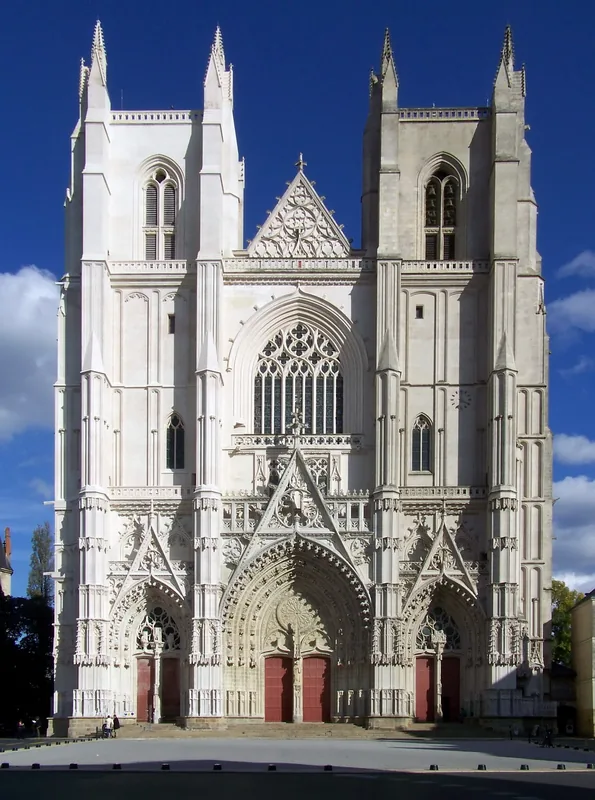
Notre-Dame la Neuve Church
Admire the impressive architecture of this historical church and arrive early in the morning to enjoy the best lighting.
Start your morning sheltered in the church as the rain drums against the windows. At noon, the garden pavilions provide cover, but the paths to the castle ruins can be slippery. In the afternoon, the cultural center is the perfect spot to escape the downpour and enjoy art in the dry. By evening, the Hyrôme valley looks mystical in the mist, but sturdy waterproof boots are essential.
← swipe for more places →
⛪
09:10 · 50'
Notre-Dame la Neuve Church
Take advantage of the peace inside the nave to escape the rain and admire the architectural details in total comfort.
The winter morning starts fresh at the church; dress warmly for the walk. At noon, a quiet chill hangs over the castle ruins, which look particularly imposing in the pale light. Since the sun sets around 17:00, you should visit the gardens early. Spend the late afternoon in the heated interiors of the cultural stops to stay cozy.
← swipe for more places →
⛪
09:10 · 50'
Notre-Dame la Neuve Church
The thick stone walls provide shelter from the winter wind; admire the nativity scene if you visit during the Christmas season.
Hop on your bike and explore the castle ruins as well as the Notre-Dame la Neuve Church in the bustling center of the town.
The ride takes you further to the beautiful Camifolia garden and the creative space L'Arbre à Fil, ideal places for an inspiring break.
Explore the Saint-Pierre Church and ride towards the majestic Le Val d'Hyrôme to delve deeper into the area's rich historical heritage.
In the evening, cycle to the secluded castles of L'Écho and Salbœuf, where you can experience the sunset against a spectacular backdrop.
← swipe for more places →
🏛️
09:10 · 80'
Chemillé Castle Ruins
Discover the remains of the ancient castle offering a deep look into the region's history, and wear comfortable walking shoes.
Cycling in the rain requires caution on the slippery streets of Chemillé. Start in the morning at the ruins, but brake early before turns. At noon, the local churches offer dry rest stops for cyclists. In the afternoon, the ride to the Hyrôme valley is refreshing in the rain, provided you have waterproof gear. Finish your tour before dark due to low visibility.
← swipe for more places →
🏛️
09:10 · 80'
Chemillé Castle Ruins
Park your bike safely at the base of the ruins; the wet cobblestones can be very slippery for cycling shoes.
Winter cycling in Chemillé offers clear views and fresh air. Start in the morning bundled up warmly at the ruins. At noon, the cold is noticeable in the gardens, so plan for short intervals. Since it gets dark from 17:00, check your bike lights. The tour best ends with a visit to the heated castles and churches in the urban area.
← swipe for more places →
🏛️
09:10 · 80'
Chemillé Castle Ruins
The cold morning air makes the view particularly far-reaching; wear a windproof jacket for the descent.
Your drive begins with the historical ruins and the impressive Notre-Dame la Neuve Church before heading into the rural greenery.
After a stroll in the Camifolia garden and a visit to L'Arbre à Fil, the car's flexibility offers a relaxed onward journey through the town.
Drive effortlessly to the Saint-Pierre Church and the Le Val d'Hyrôme castle, where you can experience the region's rich history firsthand.
Conclude your tour with visits to the castles L'Écho, Salbœuf, and finally Château de la Sorinière, ideal for a picturesque end to the day.
← swipe for more places →
🏛️
09:10 · 80'
Chemillé Castle Ruins
Discover the remains of the ancient castle offering a deep look into the region's history, and wear comfortable walking shoes.
By car, Chemillé is comfortable to explore even in heavy rain. Start your morning dry at the ruins, taking advantage of short distances between parking spots. At noon, you can visit the churches without worrying about getting soaked. The evening route to Château de la Sorinière is particularly atmospheric in the rain. Watch out for hydroplaning on the country roads.
← swipe for more places →
🏛️
09:10 · 80'
Chemillé Castle Ruins
A parking lot is located in the immediate vicinity; this allows you to quickly visit the ruins during short breaks in the rain.
In winter, the car provides the best protection against the biting cold in Chemillé. Start your morning comfortably at the ruins and enjoy the seat heating between stops. At noon, the gardens glow in winter silence while you can park conveniently in front. Since the sun sets at 17:00, the evening drive to the illuminated castles is particularly safe and warm.
← swipe for more places →
🏛️
09:10 · 80'
Chemillé Castle Ruins
The nearby parking lot allows for a quick visit without long exposure to the biting winter wind.
Why is Chemillé called the capital of medicinal plants?
The region has a centuries-old tradition of growing medicinal and aromatic plants, especially chamomile.
What can you see in the Camifolia Garden?
This botanical garden displays over 600 species of medicinal and toxic plants. It is open to visitors from May to October.
Are there historical buildings to visit?
The Romanesque Notre-Dame la Neuve church (12th c.) and the castle remains are significant local monuments.
When is the big Chemillé fair?
The 'Foire de Chemillé' takes place every September and is one of the largest agricultural fairs in the region.
What local product should I buy?
Buy dried herbal teas, essential oils, or products based on Roman chamomile directly from local producers.
Chemillé: where is it located?
Chemillé is located in Pays de la Loire, France.
Chemillé: what is there to see?
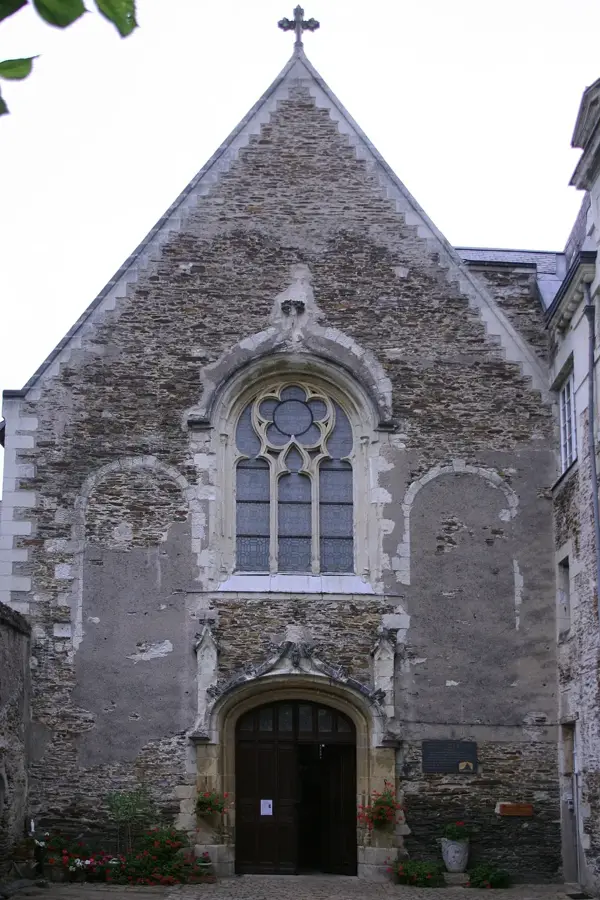
Highlights include Camifolia Garden, Notre-Dame la Neuve Church, Saint-Pierre Church.
Chemillé: when is the best time to visit?
The most pleasant time to visit is Jun, Aug.
Chemillé: why is it worth visiting?
Chemillé is a scenic town in the Maine-et-Loire department, globally distinguished as a leading center for the cultivation of medicinal and aromatic plants.