Le Voyage à Nantes
Summer art trail from July to early September linking the whole city with contemporary installations along a green line.
PlizioGo
Savor savory buckwheat galettes followed by sweet crêpes in a traditional crêperie in the medieval Bouffay quarter.
A soft, moist pound cake flavored with rum and almonds, available in most artisan bakeries across the city.
Pair locally farmed Atlantic oysters with a crisp, dry glass of local Muscadet wine at a brasserie.
Shop or window-shop in this striking 19th-century multi-level covered arcade filled with elegant boutiques.
Visit the city's oldest and largest covered market in the morning to buy local cheeses, fresh seafood, and pastries.
Take a peaceful stroll through this small artificial island transformed into a beautiful Japanese-style garden on the Erdre river.
Relax in this expansive botanical garden featuring whimsical plant sculptures, greenhouses, and quiet shaded benches.
Water temperature…
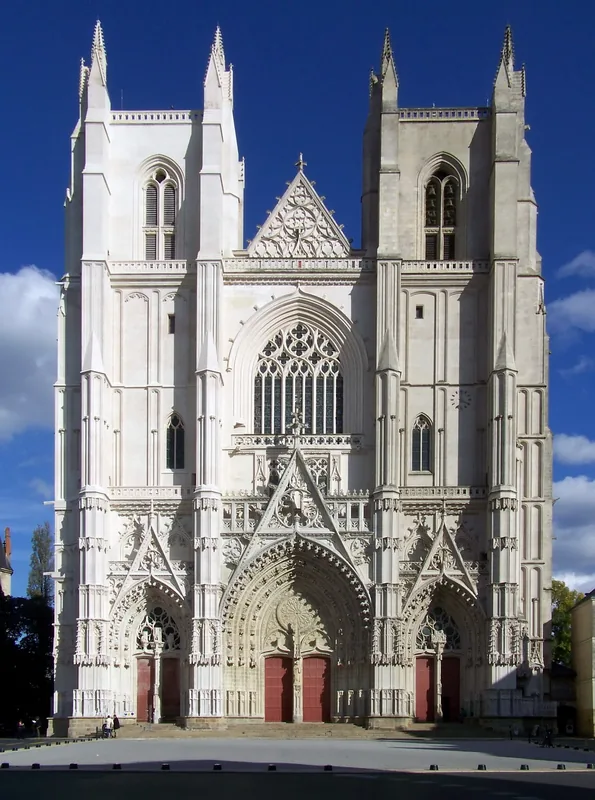
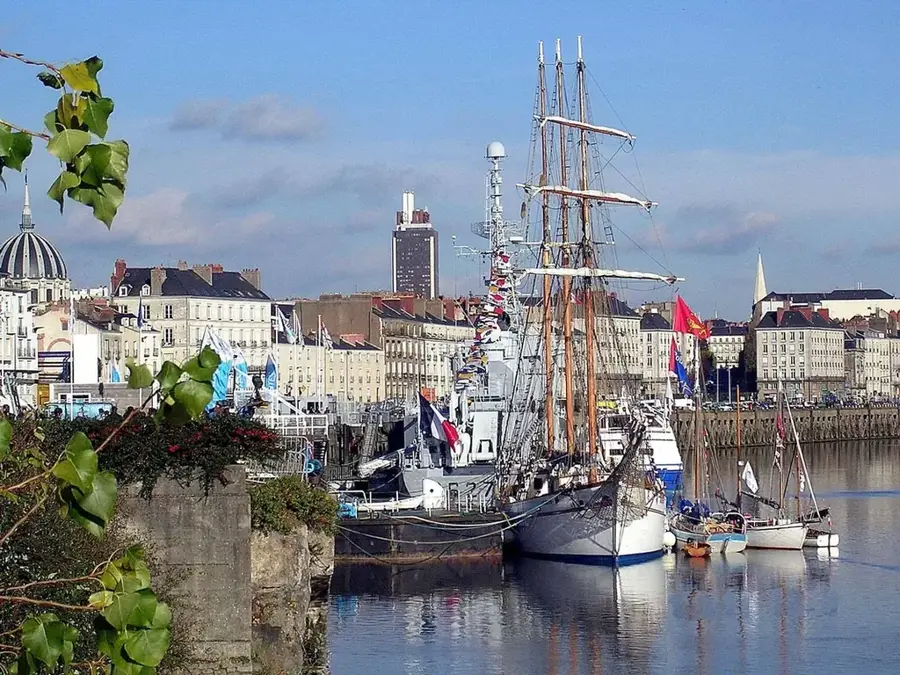
Nantes, located on the banks of the Loire River, served historically as the capital of Brittany and is now the administrative center of the Pays de la Loire region. The city is inextricably linked to the Edict of Nantes, signed in 1598 by King Henry IV, which granted significant religious freedom to the Huguenots. During the 18th century, Nantes rose to become one of France's primary ports, though its wealth was heavily derived from the transatlantic slave trade, a legacy the city now actively addresses through major memorials. The Castle of the Dukes of Brittany, a formidable fortress in the city center, bears witness to its royal past and Breton identity. Nantes is also celebrated as the birthplace of the visionary writer Jules Verne, whose imaginative spirit is kept alive in the "Machines de l'île," a spectacular mechanical art installation. Today, the city is a dynamic cultural hub and a model for sustainable urban development, earning the title of European Green Capital in 2013. Nantes hosted football matches at the Beaujoire Stadium during the Paris 2024 Olympics. The Machines of the Isle of Nantes attracted record visitors during the Olympic summer.
The most pleasant time to visit is Jun–Aug.
| Jan | Feb | Mar | Apr | May | Jun | Jul | Aug | Sep | Oct | Nov | Dec | |
|---|---|---|---|---|---|---|---|---|---|---|---|---|
| Avg °C | 5 | 5 | 8 | 11 | 14 | 17 | 19 | 19 | 16 | 13 | 9 | 6 |
| Rain mm | 84 | 65 | 69 | 54 | 65 | 52 | 52 | 52 | 45 | 83 | 88 | 92 |
See what it looks like near Nantes right now.
Nantes › South-west: Tour de Bretagne · 0 km · Open webcam on Windy · Webcams provided by Windy.com
Notable places around
Where do you start? We build the route here, with stops and country notes along the way.
© OpenStreetMap contributors · OpenRouteService
Your day starts in the lush Botanical Garden before admiring the Gothic cathedral. In the late morning, explore the historic Castle of Brittany. At lunchtime, dive into the medieval streets of Bouffay to enjoy local specialties, then stroll through the magnificent Passage Pommeraye. The afternoon belongs to the fantasy world of Jules Verne at the Machines de l'île. Marvel at the mechanical elephant and the marine worlds carousel. To finish, walk along the Loire to Quai des Antilles, where Buren's rings glow at sunset, blending modern art with a harbor atmosphere.
Morning: The Botanical Garden's historic greenhouses provide a tropical escape from the drizzle. The Cathedral offers a silent, dry sanctuary. Noon: The Castle museum is perfect for indoor exploration, followed by a cozy lunch in the Bouffay district. Afternoon: Passage Pommeraye is a magnificent covered arcade. The Machines gallery keeps you dry under its glass roof. Evening: Quai des Antilles features sheltered bars in converted warehouses with river views.
Morning: A crisp walk through the Botanical Garden, followed by warming up inside the Cathedral. Noon: Medieval history at the Castle and a hearty winter lunch in the Bouffay district. Afternoon: Festive lights in Passage Pommeraye and the indoor magic of the Machines gallery. Evening: With sunset around 17:15, enjoy the early twilight by the river with a hot drink at the Quai des Antilles.
Start relaxed on Versailles Island and then cycle to the Art Museum. At lunchtime, head across the bridges to the charming, colorful fishing village of Trentemoult. After lunch by the river, explore the modern art installations at Hangar à Bananes and end the day at the spectacular Machines de l'île.
Morning: A short ride to Versailles Island, where the Zen garden looks mystical in the drizzle. The Art Museum provides a long, dry break. Noon: Cycle to the Castle and explore the dry interior exhibits. Afternoon: Take the covered Navibus ferry across the river to Trentemoult. Evening: End at Hangar à Bananes, which offers sheltered bike racks and lively bars.
Morning: Crisp winter air on Versailles Island, followed by the cozy warmth of the Art Museum. Noon: A quick ride to the Castle and a hearty local lunch. Afternoon: Cycle along the Loire to Trentemoult while the winter sun is still up. Evening: See the festive lights at the Machines de l'Île before the evening frost sets in.
In the morning, explore the technical wonders of Nantes, followed by lunch in picturesque Trentemoult. In the afternoon, the drive takes you to the fascinating Clisson. Clisson surprises with its Tuscan-style architecture. On the way back, stop at the famous Muscadet vineyards before finishing the day back in Nantes.
Morning: Easy drive to the Machines de l'Île with nearby sheltered parking. Noon: Drive to Trentemoult for a scenic lunch by the river. Afternoon: A trip to the medieval town of Clisson, where the ruins look dramatic in the rain. Follow this with a Muscadet wine tasting. Evening: A comfortable return drive to Nantes through the rainy countryside.
Morning: Visit the Machines de l'Île without the long summer queues. Noon: Drive to Trentemoult for a cozy lunch, perhaps near a fireplace. Afternoon: Discover Clisson in the soft winter light and stop at a winery for a Muscadet tasting. Evening: Drive back to Nantes in time to see the city lights during twilight.
Nantes' botanical garden is ranked among the top four in France, known for its extensive camellia collection and playful plant sculptures.