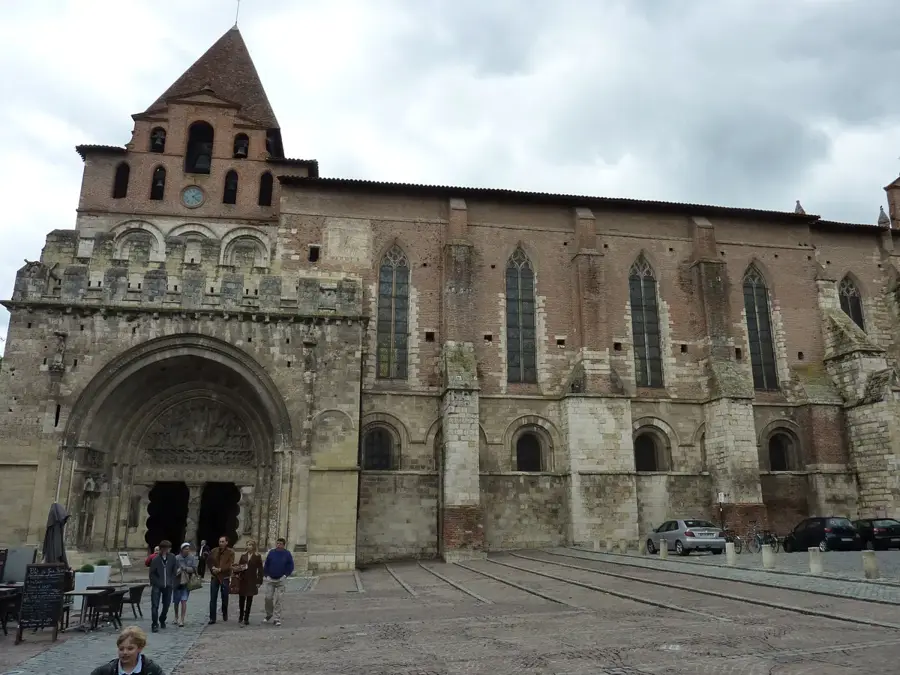
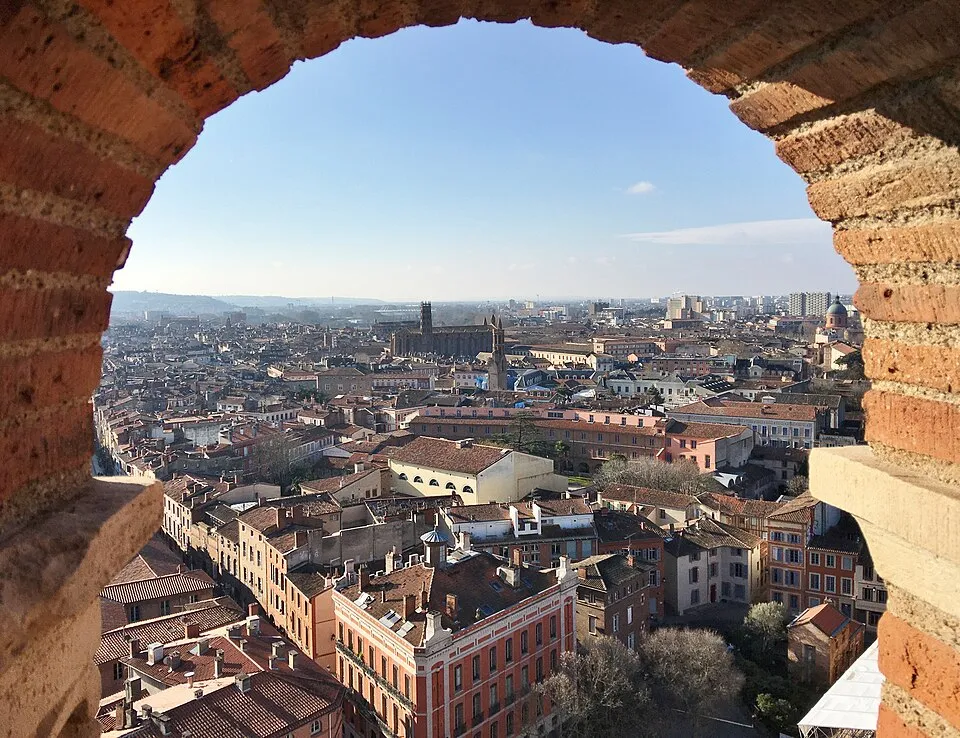
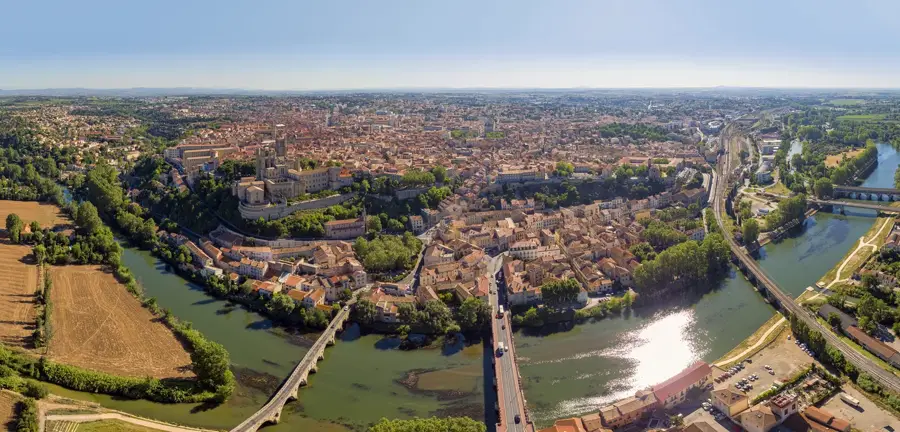
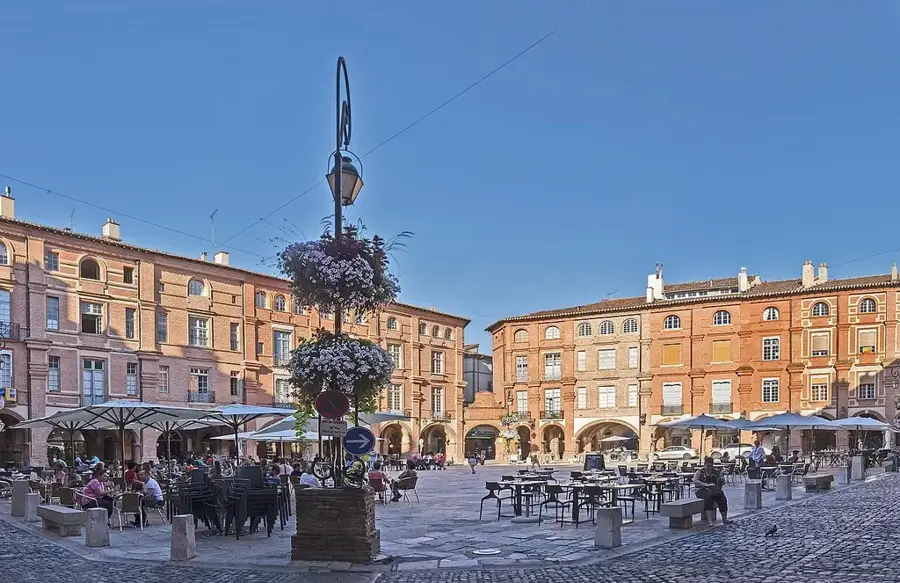
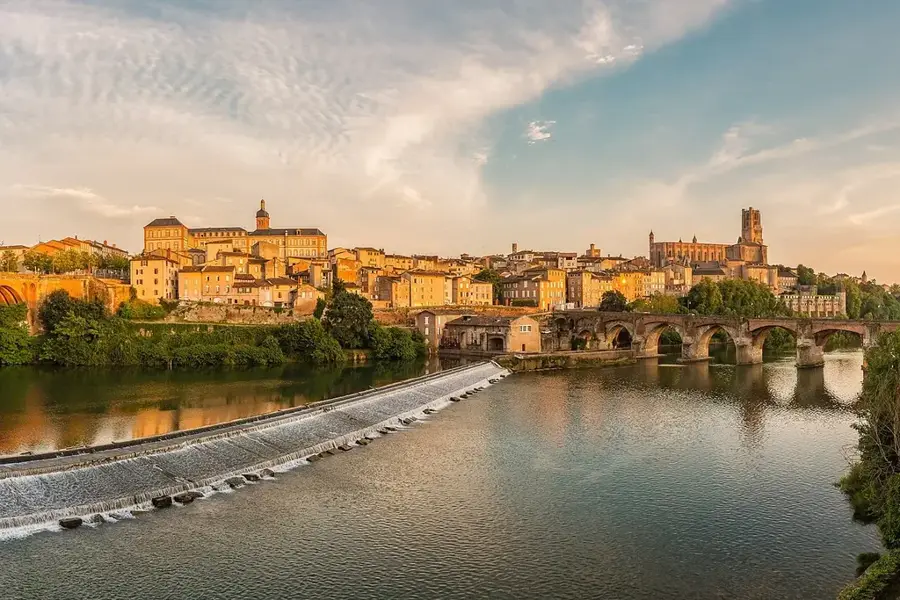
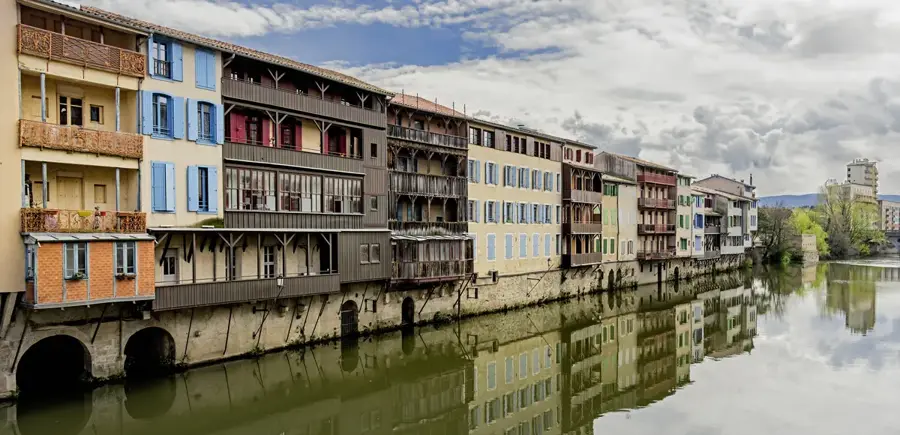
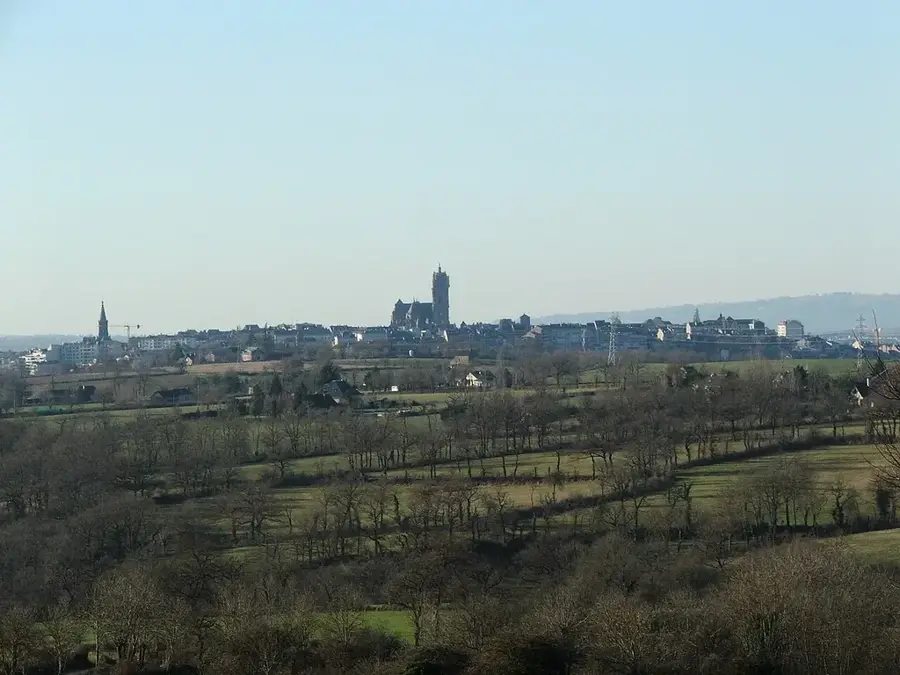
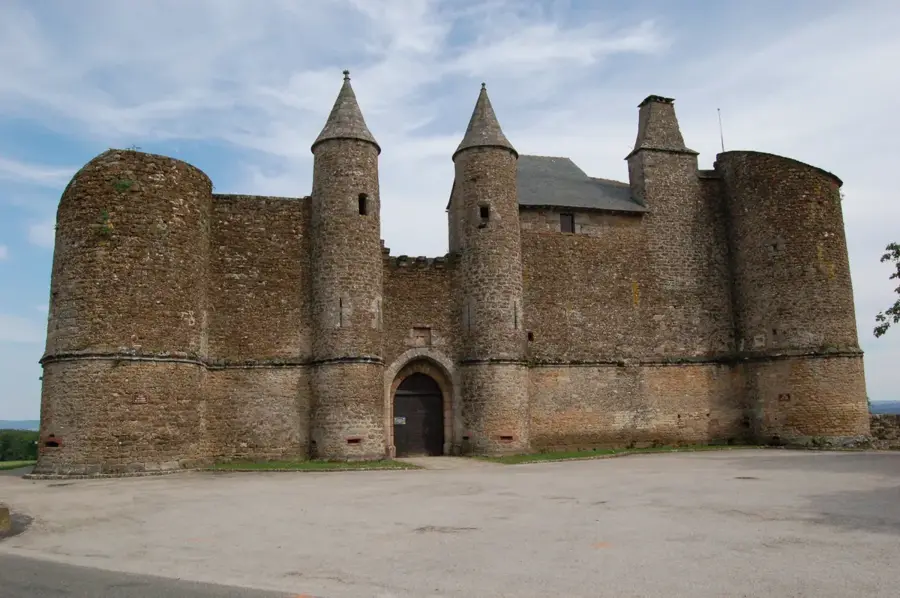
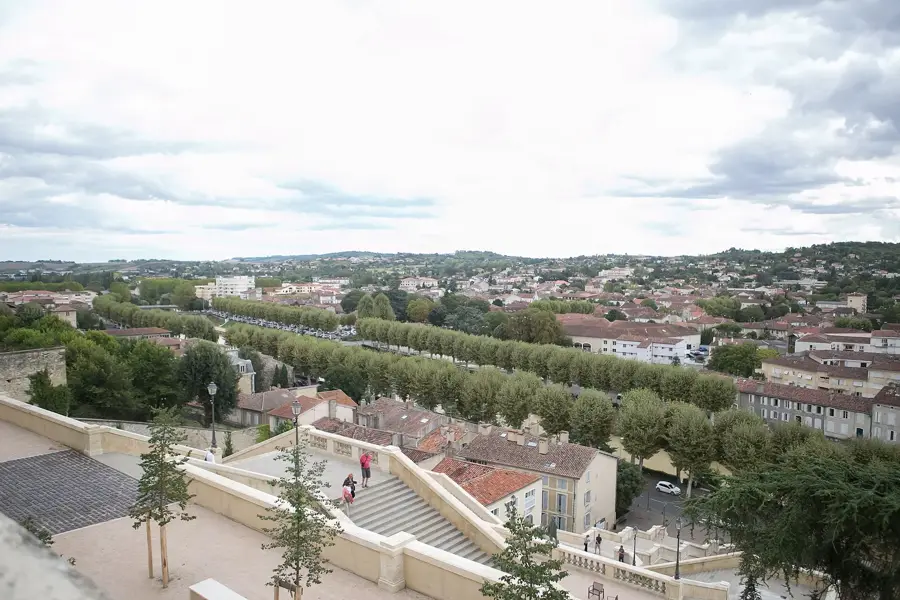
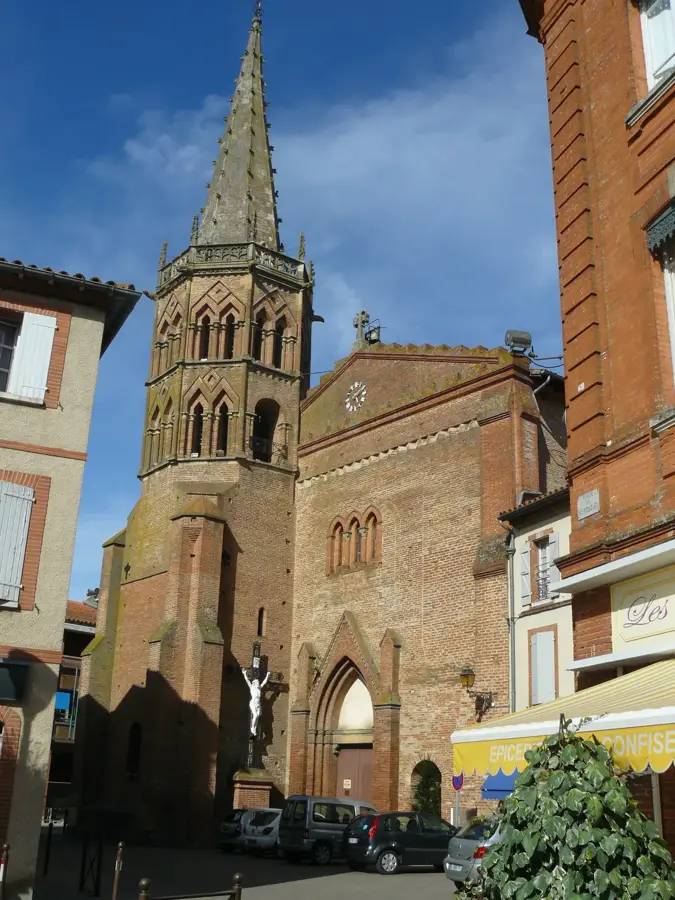
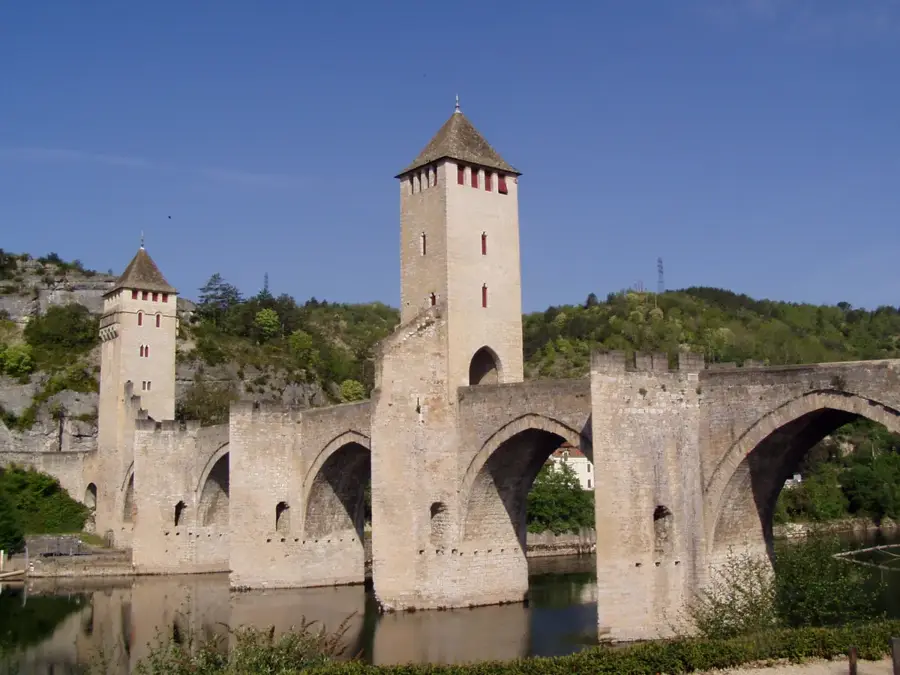
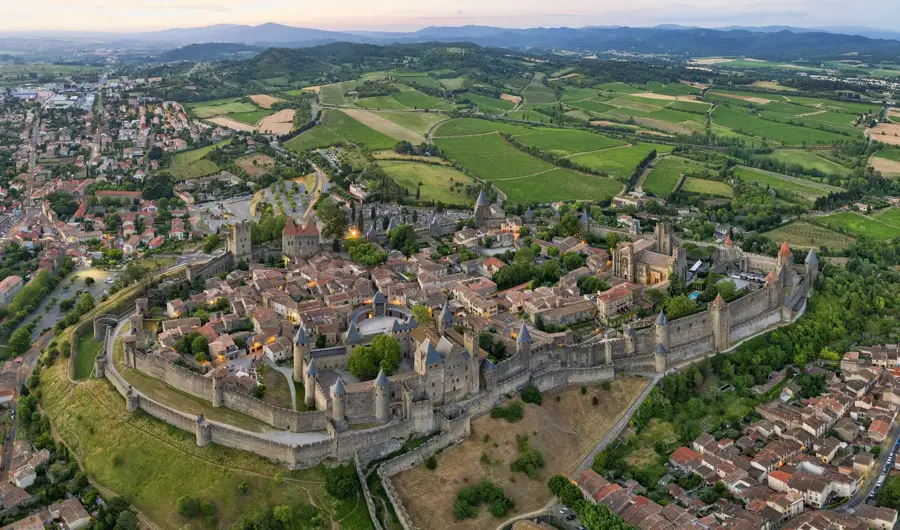
Moissac is located in the Tarn-et-Garonne department of Occitania and is globally renowned for its exceptional medieval heritage. The town's centerpiece is the Abbey of Saint-Pierre, whose cloister and monumental portal are considered masterpieces of Romanesque sculpture and are listed as UNESCO World Heritage sites. Geographically, Moissac thrives on its location at the banks of the Tarn river and the Garonne Canal, making it a focal point for river cruising and boating. The regional climate is good for viticulture, specifically the production of Chasselas grapes, which were the first fruit in France to receive a protected designation of origin (AOC). Moissac is a major milestone on the Way of Saint James (Via Podiensis), drawing thousands of pilgrims each year. The city blends spiritual history with a lively market culture, featuring pretty alleys and an impressive canal bridge that carries the waterway over the Tarn.
Pick weather + travel mode, get a concrete day plan.
09:00→16:002.3 km walk6 places0/6
Day budget: ≈ 16–22 €Entries 19€ · Transport 0€
Morning begins at the magnificent Saint-Pierre Abbey, setting a deeply historical tone for the day. You will then explore the adjacent Moissac Cloister, world-renowned for its intricate column capitals.
By midday, a short stroll brings you to the modest Chapelle de l'Hôpital. From there, you will continue to the Saint-Jacques Church, feeling the enduring spirit of the Camino de Santiago pilgrims.
In the afternoon, the route takes you towards the gite de l'ancien carmel, a testament to the town's welcoming nature. The walk is flat and highly accessible for all visitors.
Evening approaches as you reach the Fontaine des 24 Échellons. The quiet surroundings offer a perfect moment of reflection before you conclude your walking tour through Moissac's heritage.
← swipe for more places →
📍
09:10 · 45'
Saint-Pierre Abbey
Admire the magnificent Romanesque portal of this ancient abbey, a true masterpiece of medieval art, and visit early to avoid the afternoon crowds.
Stroll through one of the oldest and most beautifully preserved cloisters in the world, paying close attention to the uniquely carved capitals on the pillars.
Step into this quiet, modest chapel that once served local hospital patients, offering a serene atmosphere excellent for a brief moment of quiet reflection.
Explore this historic church dedicated to Saint James, an important stop for pilgrims on the Camino de Santiago, and notice its beautiful stained glass windows.
View the exterior of this former Carmelite convent now serving as a peaceful resting place for modern travelers and pilgrims passing through the historic town.
Climb the steps to reach this historic local fountain, which provided fresh water to residents for centuries, and wear comfortable shoes for the ascent.
Morning visit to the abbey, seek shelter in the cloister. Noon: short rainy walk to the chapels. Afternoon: check out the historic gite and the fountain, watch your step on wet stones. Evening: cozy up indoors as rain continues.
← swipe for more places →
📍
09:10 · 45'
Saint-Pierre Abbey
The magnificent portal is sheltered, allowing you to admire the intricate tympanum out of the rain, but keep a sturdy umbrella handy for crossing the open square.
The covered galleries offer well-suited refuge from the rain while you marvel at the carved capitals. Wear waterproof shoes to navigate the wet stone floors safely.
A completely dry, quiet sanctuary where you can escape the passing showers and appreciate the historical religious architecture in absolute peace away from the rain.
Step inside to dry off and view the beautiful interior. Be extremely careful when exiting, as the outdoor stone steps can become quite slippery when wet.
This historic stop provides a wonderful moment of respite from the rain, offering insight into the pilgrims' journey. Keep your rain jacket on for the next stop.
The steps leading down to the fountain get very slick in the rain, so tread carefully while exploring this unique water feature. Wear good gripping footwear.
Crisp winter morning starting at the abbey. Midday brings chilly walks between historic chapels, dress warmly. Afternoon visit to the fountain before dusk. Evening arrives early at 5 PM, perfect for a warm drink indoors.
← swipe for more places →
📍
09:10 · 45'
Saint-Pierre Abbey
Bundle up to admire the striking tympanum in the crisp morning air before stepping inside the unheated but awe-inspiring nave. A warm hat and scarf are essential.
The ancient stone galleries are beautiful but remarkably cold in winter; wear warm, insulated layers while examining the 76 famous sculpted Romanesque capitals.
A quiet refuge against the biting winter chill, allowing you to peacefully explore its historic religious significance. The stone walls trap the cold, so stay wrapped up.
The winter light filtering through the windows creates a serene atmosphere, though the unheated stone interior definitely requires wearing a thick, warm winter coat.
Discover the history of weary winter pilgrims here; the historic stone walls hold the cold incredibly well, so keep your gloves and scarf on during your visit.
Make sure to visit this historic fountain well before the early sunset around 5 PM, taking great care on the potentially frosty and icy stone steps leading down.
Start your biking adventure at the ancient ruins of Église Saint-Martin, away from the immediate town center. A quick ride then takes you to the peaceful gite de l'ancien carmel.
Midday is dedicated to Moissac's crown jewels: the breathtaking Saint-Pierre Abbey and its world-famous Cloister. Cycling between these central sights is quick and convenient.
Your afternoon pedal explores the religious heritage further, visiting the Saint-Jacques Church and the quaint Chapelle de l'Hôpital. The bike makes navigating the narrow streets effortless.
The day concludes with a scenic ride out to the Cacor Canal Bridge. Watching the sunset colors reflect off the canal waters provides a magical end to your cycling journey.
← swipe for more places →
🏛️
09:10 · 80'
Église Saint-Martin
Discover the ancient ruins of this venerable church, considered one of the oldest religious foundations in the region, and read the informative plaques on site.
View the exterior of this former Carmelite convent now serving as a peaceful resting place for modern travelers and pilgrims passing through the historic town.
Stroll through one of the oldest and most beautifully preserved cloisters in the world, paying close attention to the uniquely carved capitals on the pillars.
Explore this historic church dedicated to Saint James, an important stop for pilgrims on the Camino de Santiago, and notice its beautiful stained glass windows.
Step into this quiet, modest chapel that once served local hospital patients, offering a serene atmosphere well-suited for a brief moment of quiet reflection.
Marvel at this impressive brick aqueduct that carries the canal over the Tarn River, offering excellent photo opportunities from the adjacent pedestrian path.
Morning ride to Saint-Martin; use mudguards. Midday features sheltered abbey visits while bikes are parked. Afternoon ride to the canal bridge; caution on wet paths. Evening: dry off indoors after a wet cycling day.
← swipe for more places →
🏛️
09:10 · 80'
Église Saint-Martin
Park your bike and step inside to escape the morning showers; the ancient walls provide excellent shelter while you admire the historical Romanesque architecture.
A quick sheltered stop to learn about pilgrim history; keep your waterproof cycling gear on as you transition back outside for the next leg of the journey.
Leave your wet bike securely outside and marvel at the famous tympanum, which is thankfully well-sheltered from the falling rain by the impressive stone porch.
Walk the covered, dry galleries of this masterpiece, a great rainy-day activity while your bike rests. Be careful walking in cycling shoes on the wet stone.
A brief indoor escape from the downpour to admire the architecture before getting back on the wet saddle. The interior provides a dry, quiet moment of rest.
Enjoy the completely dry sanctuary of this small chapel, shaking off the rain and warming up slightly before embarking on your final cycling stretch to the bridge.
Cycling over the red brick bridge requires extreme caution on slippery wet surfaces; ensure you wear a highly visible waterproof jacket to block the damp crosswind.
Brisk winter cycling starts at Saint-Martin. Midday brings cold but clear rides to the abbey and cloister. Afternoon pedal to the canal bridge before the early sunset. Evening: warm up indoors after a chilly day on the bike.
← swipe for more places →
🏛️
09:10 · 80'
Église Saint-Martin
A chilly start to your ride; the bare winter trees offer an unobstructed, beautiful clear view of this historic church's architecture. Wear thermal cycling gloves.
Stop to briefly warm your hands and learn about the historic Camino pilgrims who braved these harsh winter routes centuries ago before continuing your ride.
The low winter sun beautifully highlights the intricate portal carvings; ensure you keep your thick cycling gloves on while admiring the freezing stone exterior.
The unheated stone cloisters are brisk in winter, but the total lack of tourist crowds makes viewing the intricate capitals even more magical. Keep your helmet off but beanie on.
Step off your bike to warm your frozen toes inside this historic church, enjoying the peaceful, hushed winter atmosphere away from the biting wind outside.
A quiet, enclosed historic stop offering a brief respite from the biting winter wind during your cycling tour before you tackle the final scenic canal bridge.
Make absolutely sure to cross this impressive brick structure well before dusk at 5 PM; the open water makes the winter breeze feel significantly colder while pedaling.
Your driving tour starts at the impressive Cacor Canal Bridge, where parking is easy. You can marvel at the engineering before heading into the historic heart of Moissac.
By midday, park near the town center to visit the Saint-Jacques Church, followed by the monumental Saint-Pierre Abbey and its magnificent Cloister, the highlights of the region.
In the afternoon, you will drive westward to discover the ancient ruins of Église Saint-Martin. The car allows you to effortlessly bridge the distances between these diverse historical periods.
End your day driving up towards the Fontaine des 24 Échellons. This slightly elevated spot provides a wonderful historical perspective as evening falls over the beautiful Tarn-et-Garonne landscape.
← swipe for more places →
🏛️
09:10 · 80'
Cacor Canal Bridge
Marvel at this impressive brick aqueduct that carries the canal over the Tarn River, offering excellent photo opportunities from the adjacent pedestrian path.
Explore this historic church dedicated to Saint James, an important stop for pilgrims on the Camino de Santiago, and notice its beautiful stained glass windows.
Stroll through one of the oldest and most beautifully preserved cloisters in the world, paying close attention to the uniquely carved capitals on the pillars.
Discover the ancient ruins of this venerable church, considered one of the oldest religious foundations in the region, and read the informative plaques on site.
Climb the steps to reach this historic local fountain, which provided fresh water to residents for centuries, and wear comfortable shoes for the ascent.
Morning drive to the canal bridge; use wipers. Midday parking near the abbey and cloister for sheltered visits. Afternoon drive to Saint-Martin and the fountain. Evening: comfortable dry ride back to your accommodation.
← swipe for more places →
🏛️
09:10 · 80'
Cacor Canal Bridge
Admire the magnificent brick arches directly from the warmth of your car, or use a sturdy umbrella if stepping out, as the exposed bridge gets very wet and windy.
Park safely nearby and dash inside to effectively avoid the pouring rain; the historic interior serves as a wonderfully cozy and dry retreat from the dreary weather.
The magnificent portal gracefully has shelter from the relentless downpour, letting you study the famous Romanesque carvings in complete comfort before returning to the car.
The covered walkways are the absolute great rainy-day destination, completely keeping you dry while you explore the exquisite columns. Leave your wet umbrellas at the entrance.
Drive carefully on the potentially slick wet country roads to reach this ancient site; the heavy stone interior provides a remarkably moody, perfectly sheltered experience.
Park extremely close by and watch your step very carefully on the slick, rain-washed stone steps leading down to this historic water source to avoid any unwanted slips.
Morning drive to the frosty canal bridge. Midday features the chilly but beautiful abbey and cloister. Afternoon visits wrap up early to avoid driving in the dark after 5 PM. Evening: heater on, enjoying the winter scenery.
← swipe for more places →
🏛️
09:10 · 80'
Cacor Canal Bridge
The striking white frost on the historic red bricks is exceptionally beautiful in the crisp morning light; keep the car heater running for when you get back inside.
A quick, brisk hop from the comfortably warm car into the chilly, unheated church reveals incredibly peaceful and dramatic winter lighting shining through the historic windows.
The crisp winter air makes the intricate details of the South Portal stand out sharply; ensure you wear a thick coat for the short, freezing walk from the nearby parking area.
The open stone galleries are notoriously freezing in winter, so absolutely bundle up tightly in your winter gear to thoroughly admire the 76 unique Romanesque capitals.
Drive to this ancient, secluded site as the cold afternoon rapidly cools down; the surrounding bare winter trees add a stark, beautifully haunting winter vibe to the ruins.
Plan strictly to visit this specific spot well before the early sunset arrives around 5 PM, taking extra special care on the potentially icy historic steps back to your car.