Conference "Love and Writing"
Writer Grégoire Delacourt explores the connection between love and literature in an exceptional conversation at the Grand Hôtel.
Plizio Visual Lab
A specialty made of ox tongue and foie gras; try it in the local brasseries.
These sweet biscuits originally hail from here; a first-rate treat from local bakeries.
The region is famous for beers like "Ch'ti"; sample them in the bars around the main square.
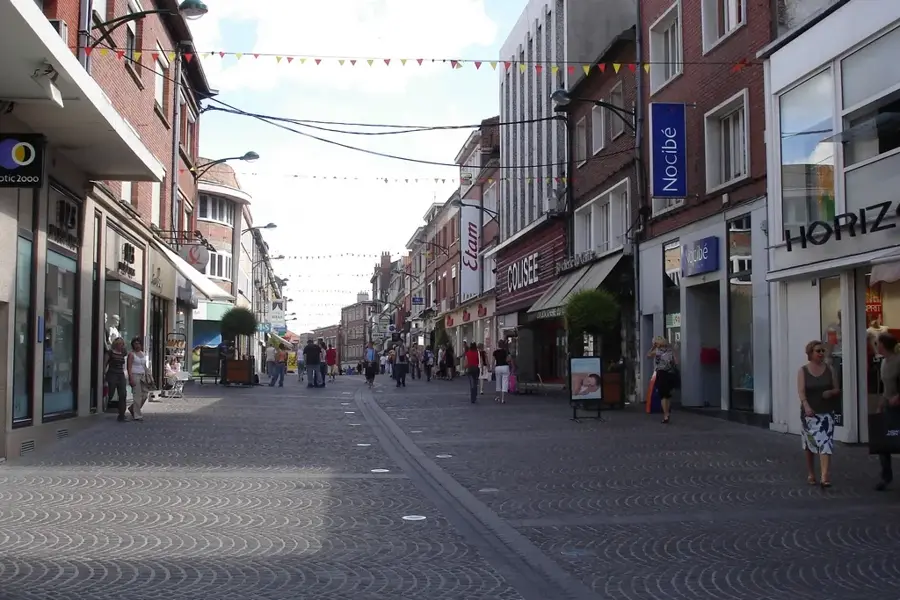
A modern center in the heart of the city with a wide selection of shops.
Visit the weekly markets for fresh products from the Nord-Pas-de-Calais region.
A beautiful 19th-century landscaped park, good for a walk by the ponds.
A large lake on the outskirts, well-suited for quiet moments in nature.
Water temperature…
Writer Grégoire Delacourt explores the connection between love and literature in an exceptional conversation at the Grand Hôtel.
The grand carnival returns to Valenciennes! Music, colors, and parades await for a spectacular end to the summer season.
A 3km community walk in Valenciennes on October 6, 2026. Get a digital diploma and expert tips for staying active every day.
Mentissa, revealed by The Voice, performs in Valenciennes on November 4, 2026. Discover her highly anticipated debut album and powerful vocals.
Comedian Thomas Marty returns to the stage with his brand-new show. Enjoy a night of hilarious and relatable anecdotes about everyday life.
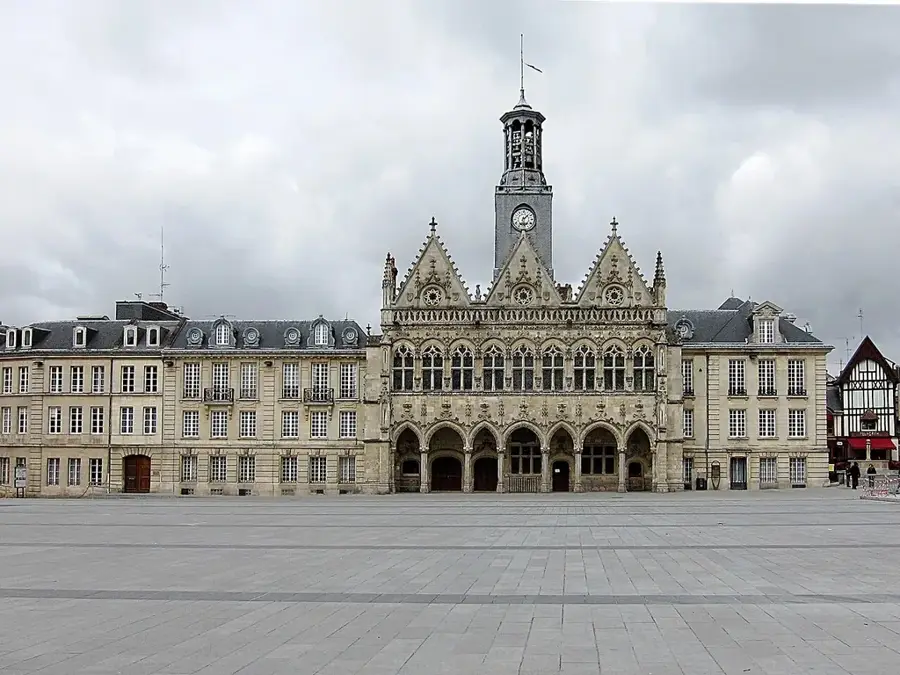
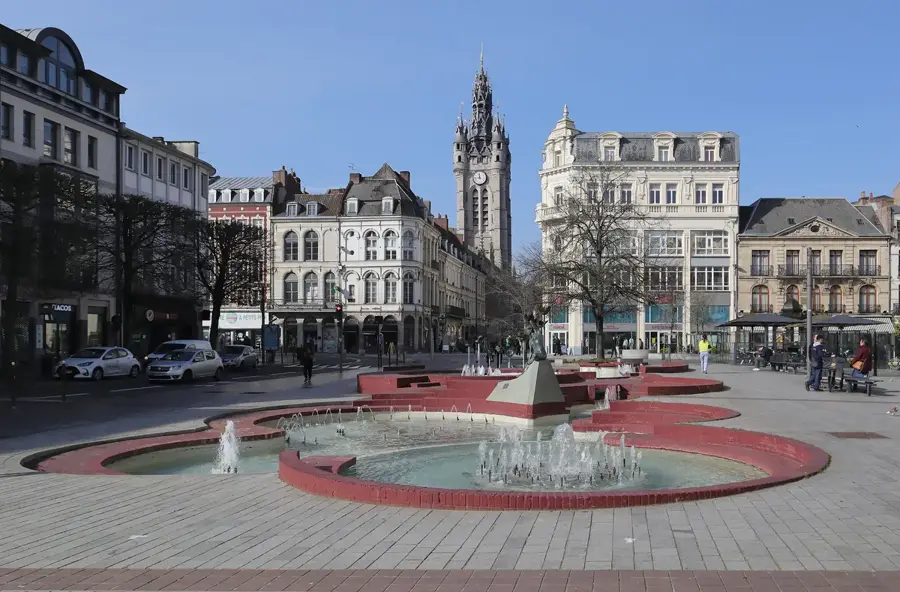
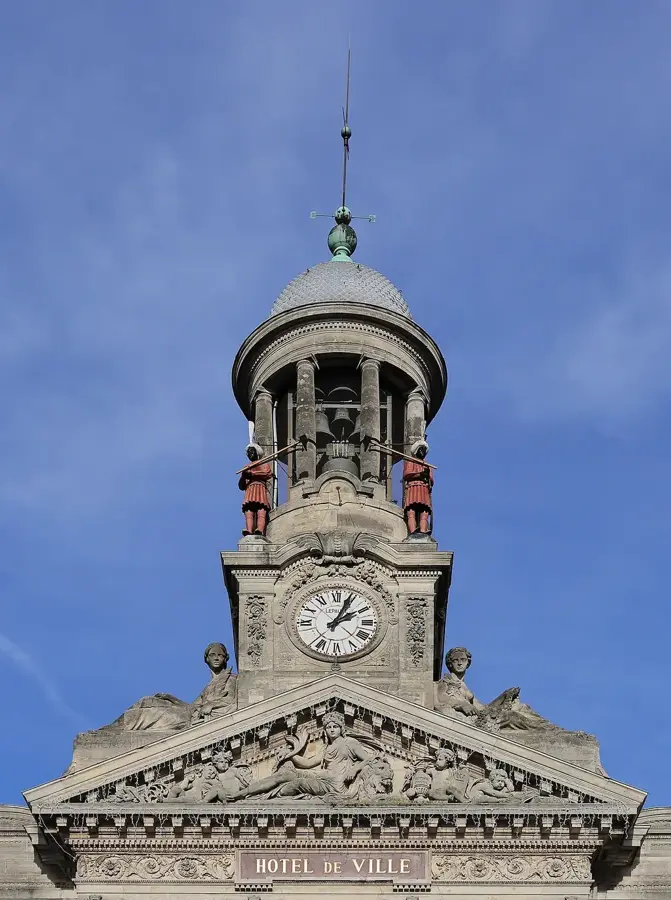
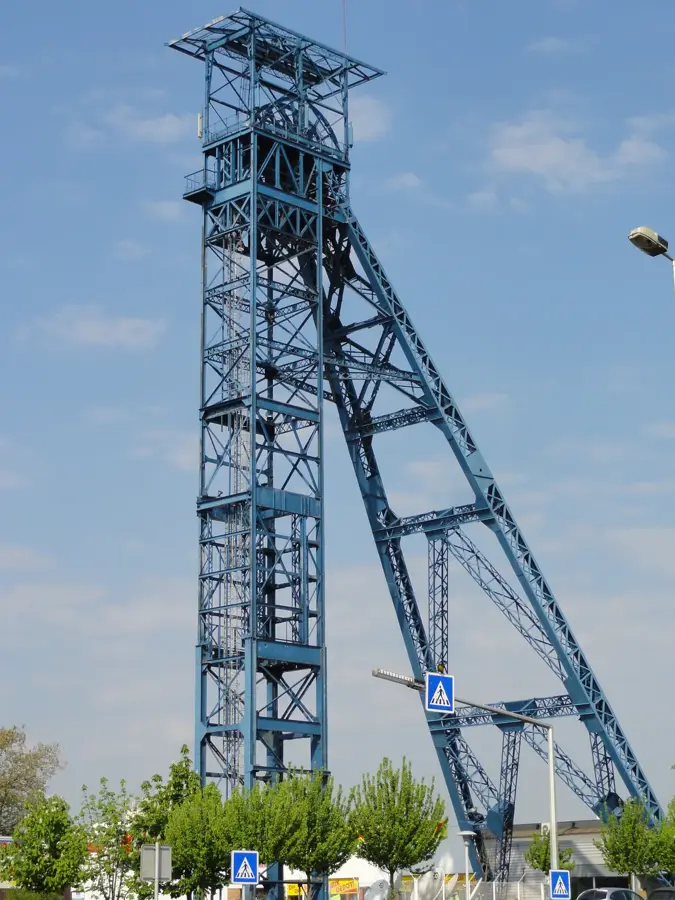
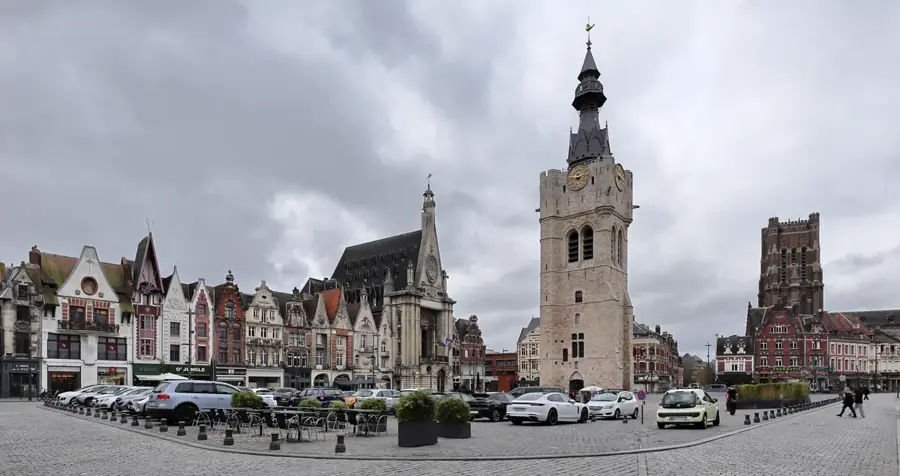
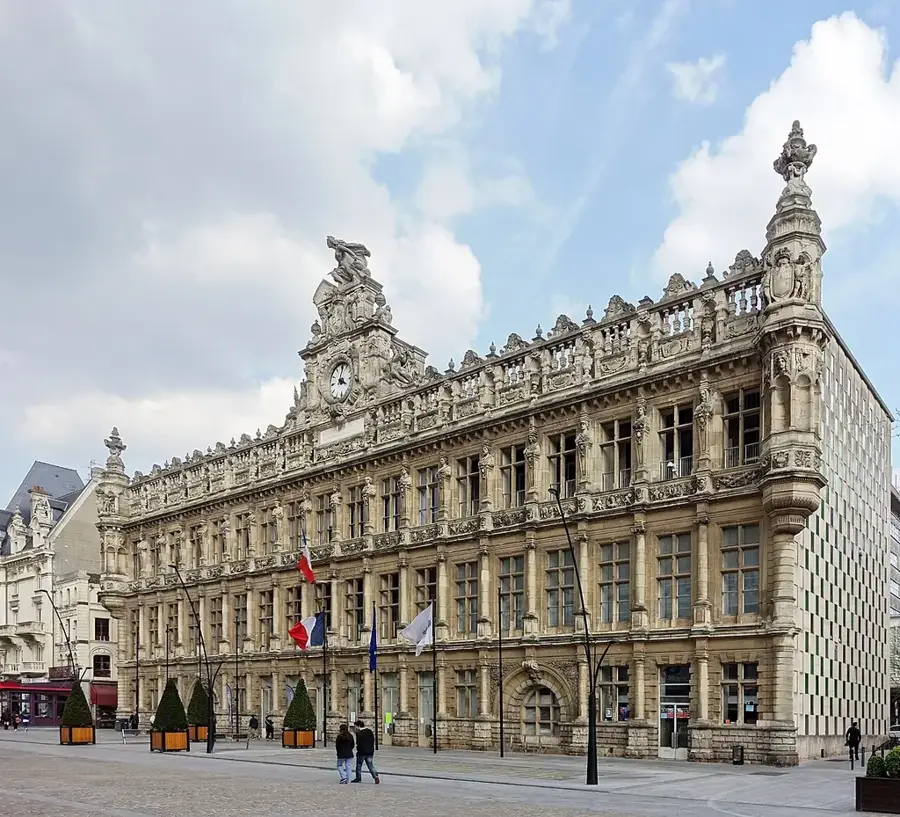
Valenciennes is located on the Escaut River and has earned the nickname "Athens of the North" due to its profound artistic and cultural heritage. The city has a long-standing history as a center for textile production, specifically for the world-renowned Valenciennes lace, which was highly sought after by European nobility in the 17th and 18th centuries. The Museum of Fine Arts houses an exceptional collection of Flemish paintings, including works by Peter Paul Rubens, and sculptures by Jean-Baptiste Carpeaux, a famous native of the city. Despite enduring severe damage during both World Wars, Valenciennes has preserved architectural landmarks such as the Jesuit College and the Basilica of Notre-Dame-du-Cordon. In the 19th century, the city became a central hub for the French coal mining and steel industries, which fundamentally shaped its economic development. Today, Valenciennes has successfully transitioned into a center for the automotive industry and digital media, bolstered by a lively university. The launch of a modern tramway system in 2006 stands as a key symbol of the city's 21st-century urban renewal.
The most pleasant time to visit is Jun–Aug.
| Jan | Feb | Mar | Apr | May | Jun | Jul | Aug | Sep | Oct | Nov | Dec | |
|---|---|---|---|---|---|---|---|---|---|---|---|---|
| Avg °C | 3 | 3 | 6 | 10 | 13 | 16 | 18 | 18 | 15 | 11 | 7 | 3 |
| Rain mm | 66 | 59 | 56 | 41 | 59 | 63 | 70 | 76 | 53 | 63 | 70 | 76 |
See what it looks like near Valenciennes right now.
Valenciennes › South: Place d'Armes · 0.2 km · Open webcam on Windy · Webcams provided by Windy.com
Notable places around
Where do you start? We build the route here, with stops and country notes along the way.
© OpenStreetMap contributors · OpenRouteService
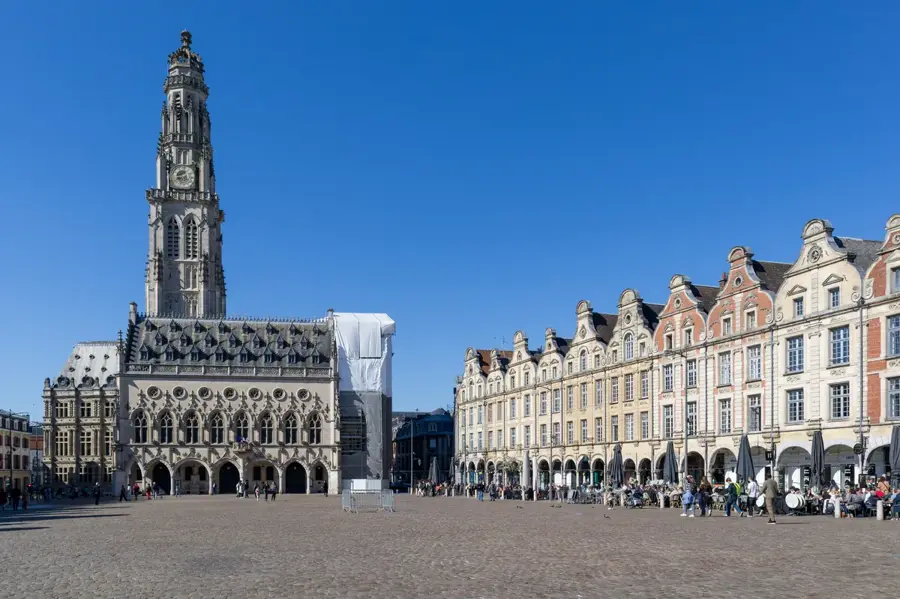
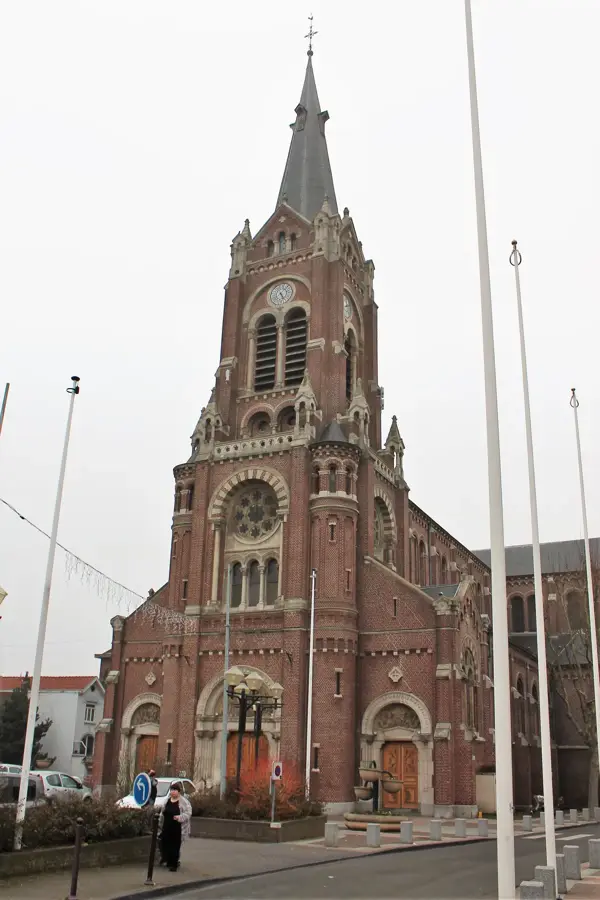
Your day begins at the majestic Place d'Armes, the social heart of the city. After a look at the historical Maison Espagnole, immerse yourself in the sacred silence of Saint-Géry Church. The afternoon is dedicated to art at the world-renowned Fine Arts Museum, followed by a relaxing stroll through Parc de la Rhonelle. The day concludes at the imposing Basilica, a testament to deep local traditions.
By bike, you can explore Valenciennes more extensively. From the center, head to the modern Le Phénix and then south to the Basilica. After the art experience at the museum, Parc de la Rhonelle offers a green lung before cycling past the Watteau Monument and ending the tour relaxed on the banks of the Scheldt (Escaut).
This car tour uses clusters to avoid stress. First park in the center for Place d'Armes and Maison Espagnole. Then drive to the art cluster at the Fine Arts Museum, from where you can easily walk to Rhonelle Park. In the afternoon, visit the cultural pole at Le Phénix and end the day at the monumental Basilica.