Cambrai Christmas Market
Annual December Christmas market in the centre of Cambrai with wooden chalets of local artisans and producers, food stalls and a visit from Santa Claus. Concerts and children's workshops accompany the programme.
Plizio Visual Lab
Famous local mint sweets, available at traditional confectioneries like Maison Afchain.
A traditional sausage made with veal, best enjoyed in traditional brasseries around Place d'Armes.
A fresh cow's milk cheese flavoured with tarragon and parsley, found at the covered market.
Visit on Wednesday and Saturday mornings for fresh regional produce and lively atmosphere.
Head to the city center to buy authentic Bêtises de Cambrai directly from the makers.
A classic French public garden with statues and bandstands, first-rate for a relaxing afternoon stroll.
Walk or cycle along the canal banks for a peaceful retreat away from the city traffic.
Water temperature…
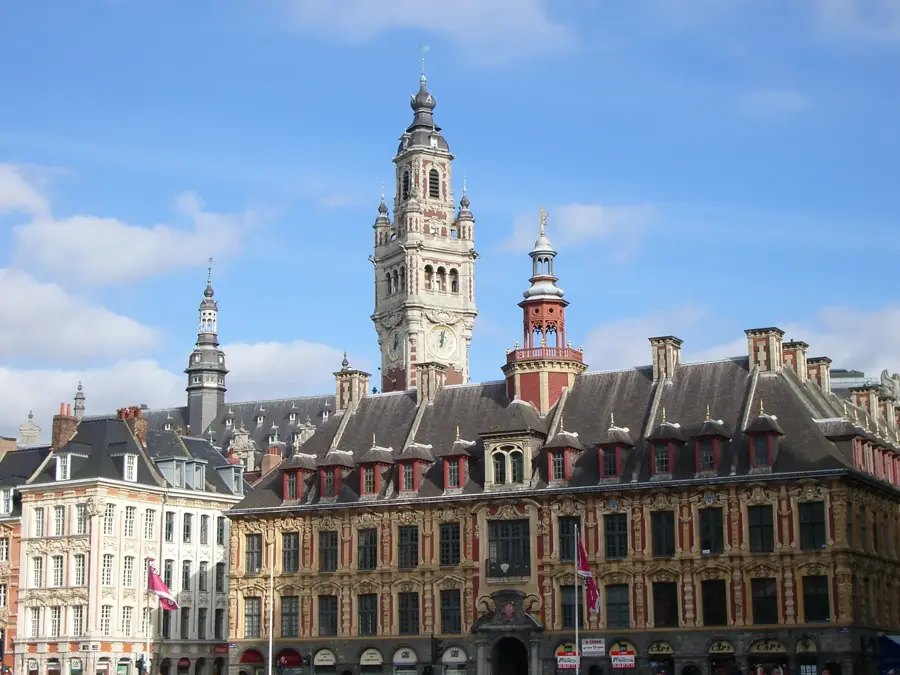
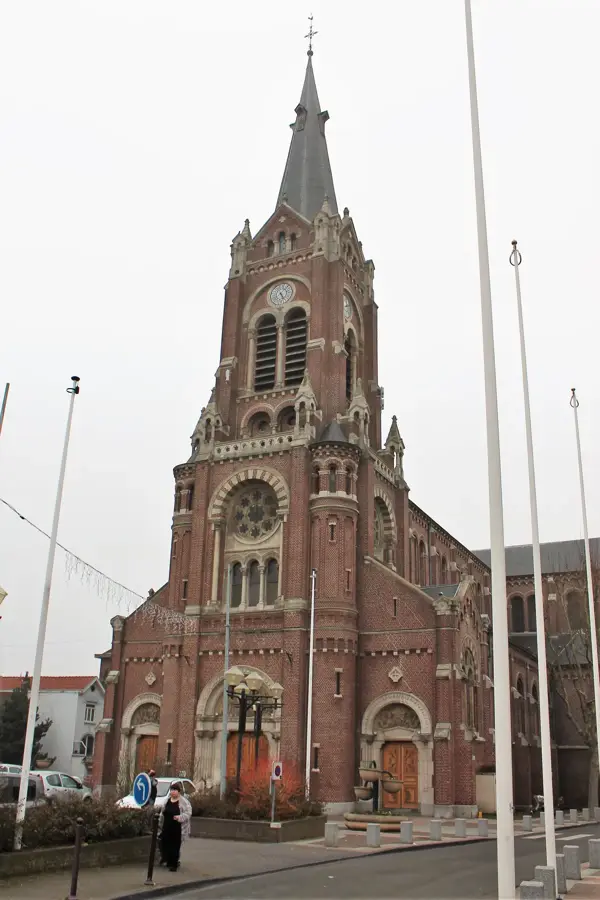
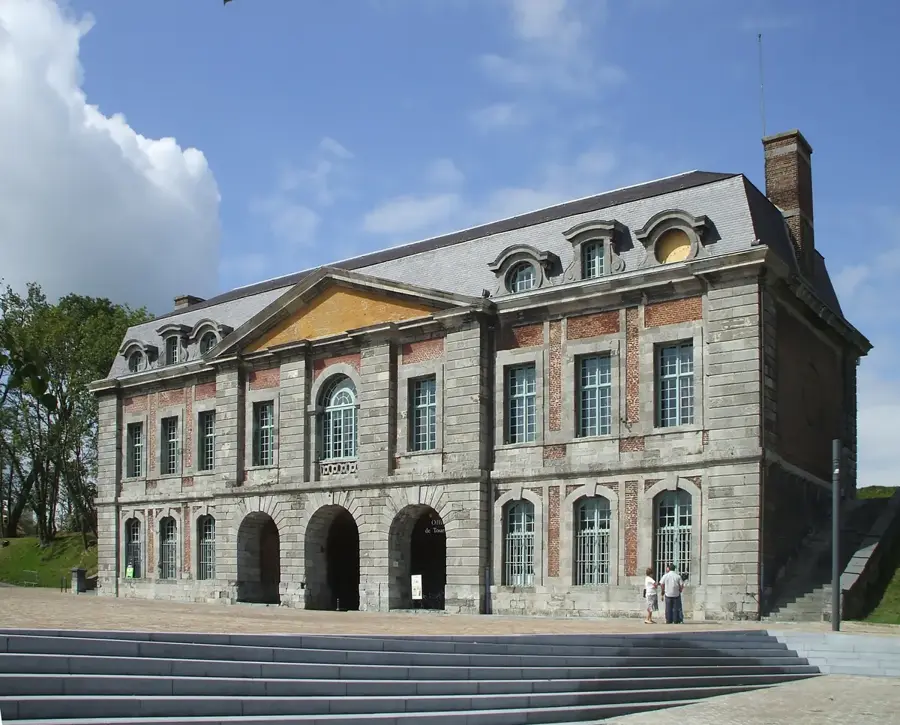
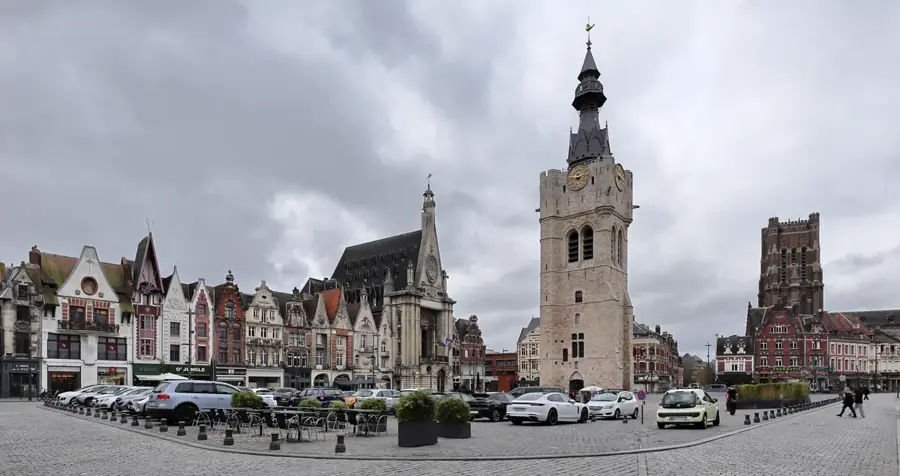
Cambrai is a historic city in northern France that served for centuries as a preeminent religious and political center within the region. The city is internationally renowned for its Bêtises de Cambrai, a traditional mint-flavored sweet whose invention is attributed to a 19th-century mistake. Architecturally, Cambrai features the impressive Notre-Dame Cathedral, which contains the tomb of the famous Archbishop Fénelon, and well-preserved medieval gates like the Porte de Paris. During the First World War in 1917, the area surrounding Cambrai was the site of the first large-scale tank battle in history, fundamentally changing modern military warfare. Despite significant wartime damage, the city has maintained its pleasant center and its distinctive belfry, which is recognized as a UNESCO World Heritage site. Cambrai was once the seat of a powerful bishopric whose influence extended far beyond the local borders. Today, the city operates as a key agricultural and logistical hub within the Hauts-de-France region. This blend of medieval heritage, military significance, and culinary tradition defines Cambrai's unique cultural identity.
The most pleasant time to visit is Jun–Aug.
| Jan | Feb | Mar | Apr | May | Jun | Jul | Aug | Sep | Oct | Nov | Dec | |
|---|---|---|---|---|---|---|---|---|---|---|---|---|
| Avg °C | 3 | 3 | 6 | 10 | 13 | 16 | 18 | 18 | 15 | 11 | 7 | 3 |
| Rain mm | 61 | 57 | 57 | 42 | 64 | 63 | 65 | 74 | 50 | 64 | 69 | 76 |
Notable places around
Where do you start? We build the route here, with stops and country notes along the way.
© OpenStreetMap contributors · OpenRouteService
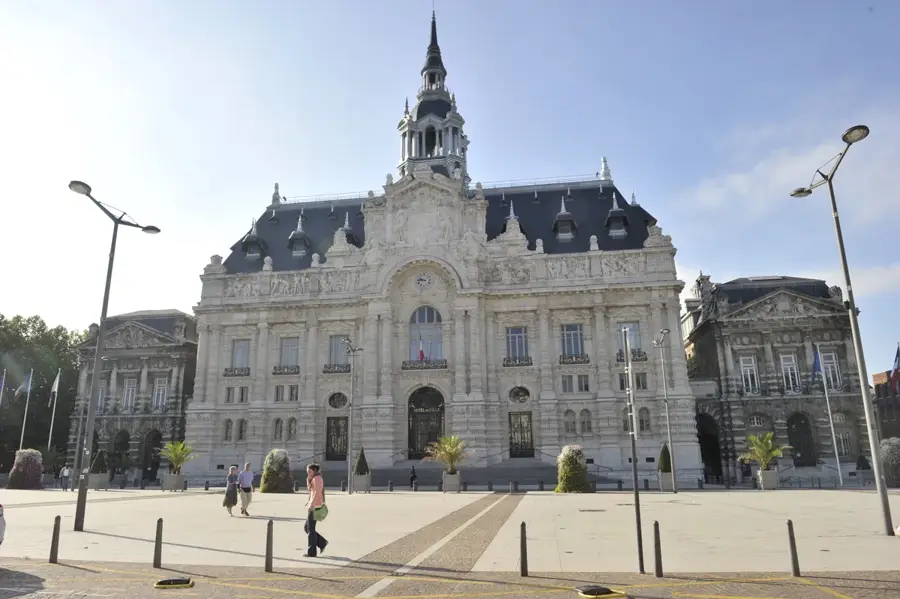
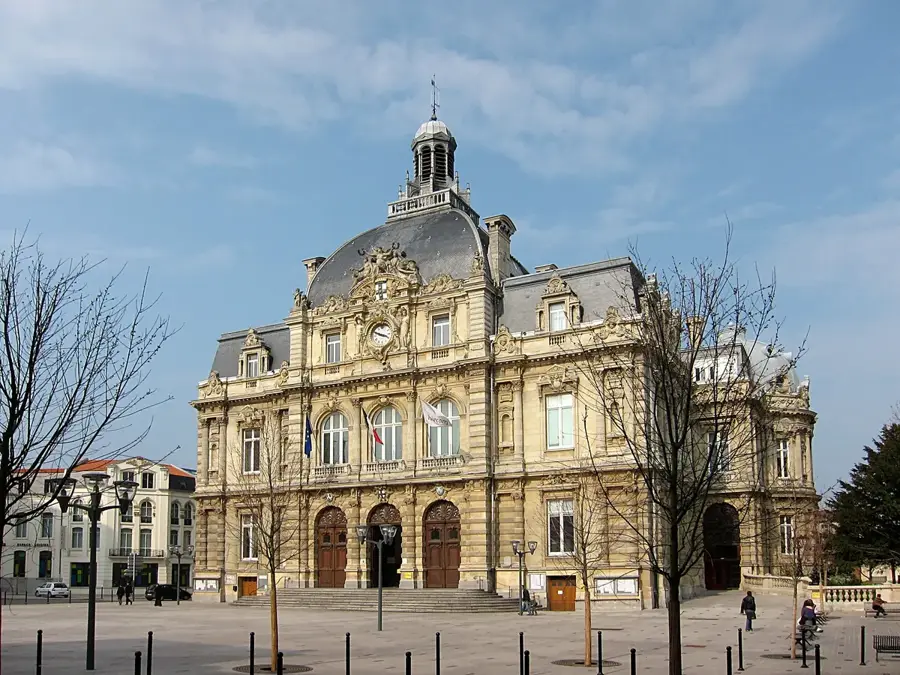
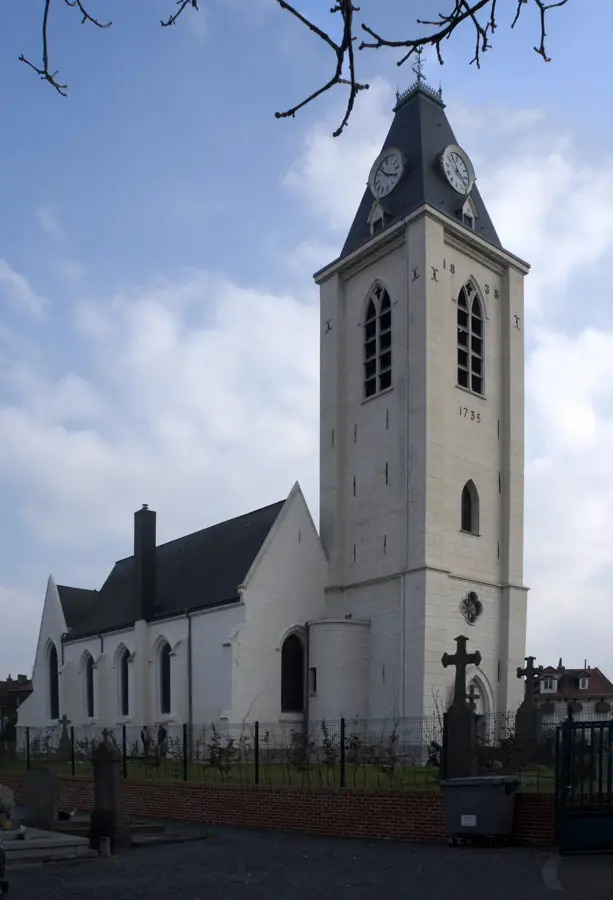
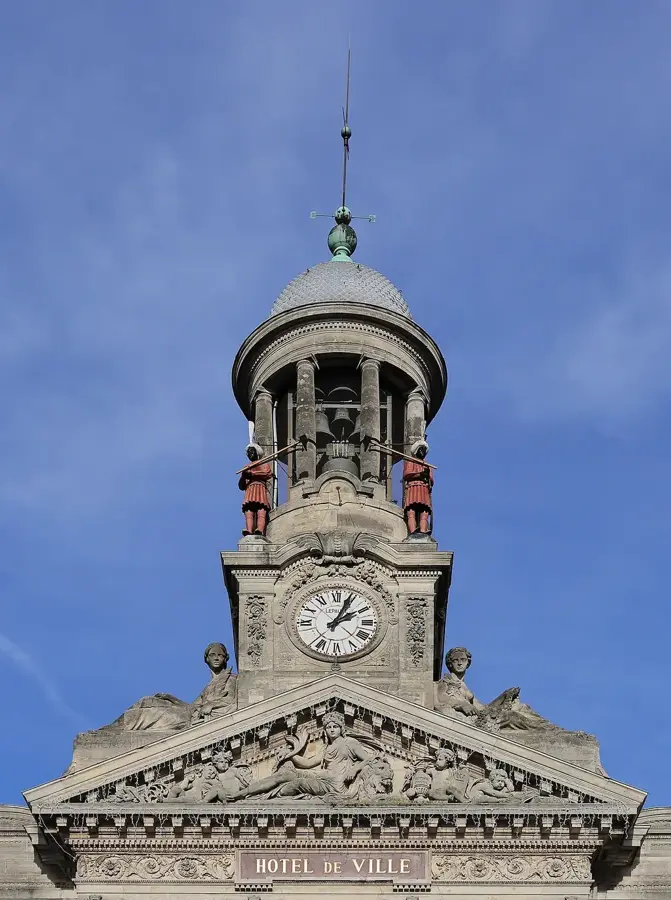
Start your day in the historic heart of Cambrai at Place Aristide Briand, where the grand town hall sets the scene. A short walk leads you to the UNESCO-listed Beffroi, a symbol of civic pride. Spend your morning immersed in art at the Musée de Cambrai, located in a stunning town mansion. In the afternoon, explore the religious heritage of Notre-Dame Cathedral before walking to the monumental Porte de Paris city gate. Take a relaxing break in the Jardin Public, a peaceful haven featuring diverse garden styles. End your visit at Saint-Géry Church, home to a genuine masterpiece by Rubens. A perfect day blending regional history with Flemish artistic brilliance.
Explore Cambrai on two wheels! Start at the central square and cycle to the Beffroi. The tour continues north to Château de Selles and Saint-Géry Church. Enjoy the ride through the expansive Jardin Public, which is perfect for cyclists. Return to the city center via Porte de Paris, visit the cathedral, and finish the day at the art museum. The bike allows you to effortlessly reach even the more distant fortification remains.
By car, you can perfectly connect Cambrai's various historic districts. Utilize three main clusters: start in the center (Town Hall and Beffroi), then move south to the cathedral and Porte de Paris. After a break at Jardin Public, drive to the northern fortification cluster with Château de Selles and Saint-Géry Church. This strategy saves your legs and allows for a comprehensive tour of the entire city history, from medieval gates to magnificent mansions.