1001 Nights Aperitif-Visit at Louvre-Lens
Enjoy an exceptional guided tour of the exhibition Beyond the Thousand and One Nights.
Plizio Visual Lab
Enjoy this hearty beef and beer stew at a traditional estaminet (Flemish tavern) in the city center.
Grab an authentic cone of double-fried local fries (frites) from a traditional chip stand near the stadium.
Try this rich, cheese-heavy dish served over bread and ham, a regional favorite you can find in most local brasseries.
Pick up some local craft beers or traditional Ch'ti ales from specialized bottle shops in the main commercial streets.
Visit a downtown patisserie to buy a 'Coquille', a traditional regional sweet bread available especially during the winter holidays.
Relax in this extensively landscaped park surrounding the museum, which beautifully integrates the industrial past with modern greenery.
Just a short drive away, this park built on a former mining site has peaceful lakes and wooded trails.
Water temperature…
Enjoy an exceptional guided tour of the exhibition Beyond the Thousand and One Nights.
Explore urban artworks as part of the unique World Heritage discovery tours.
A special concert evening organized in partnership with L’Aéronef.
The Hospitality Academy opens its kitchen workshop to share the flavors of Polish culinary traditions.
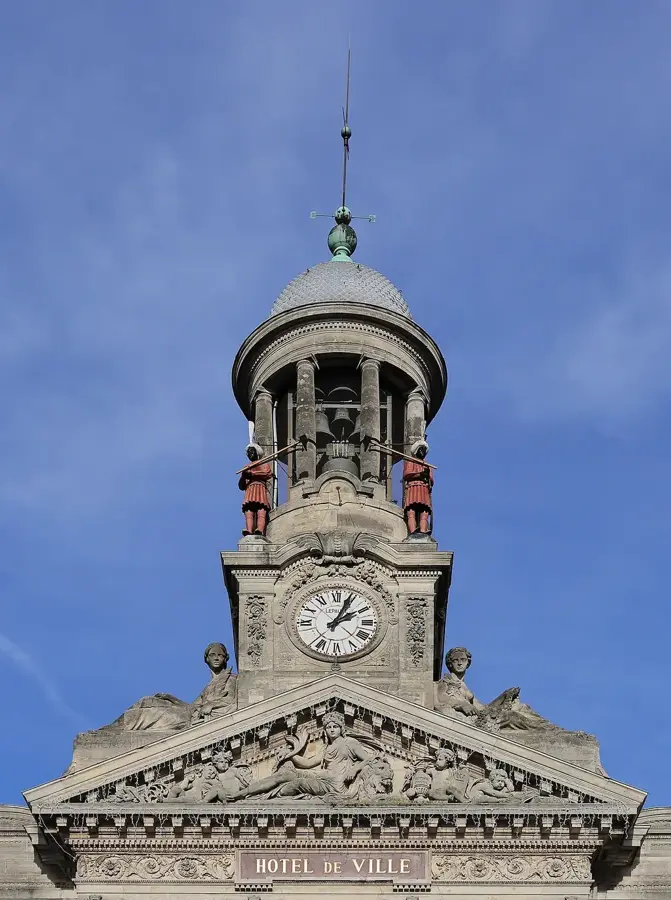
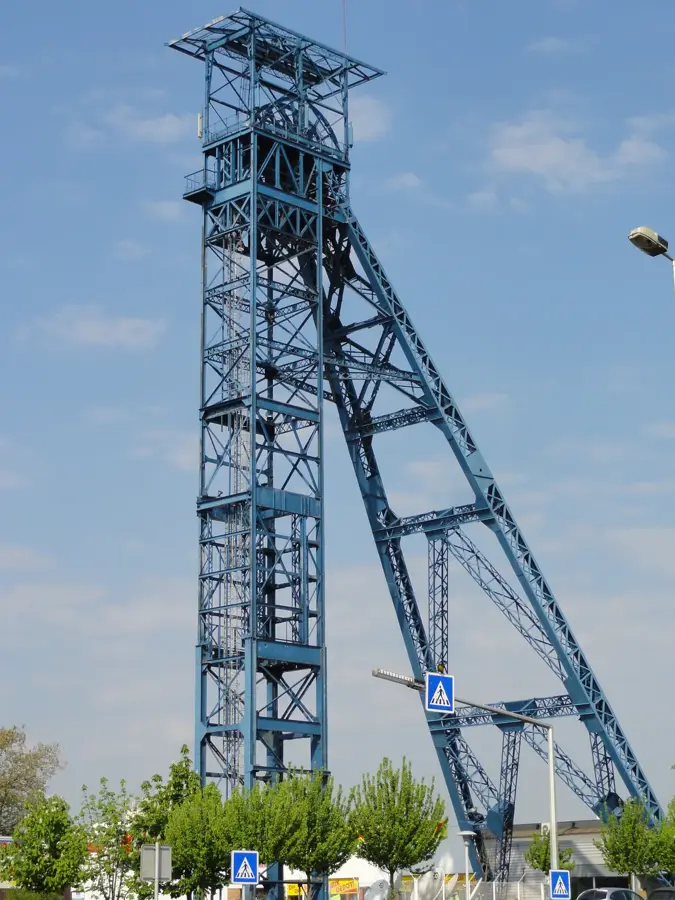
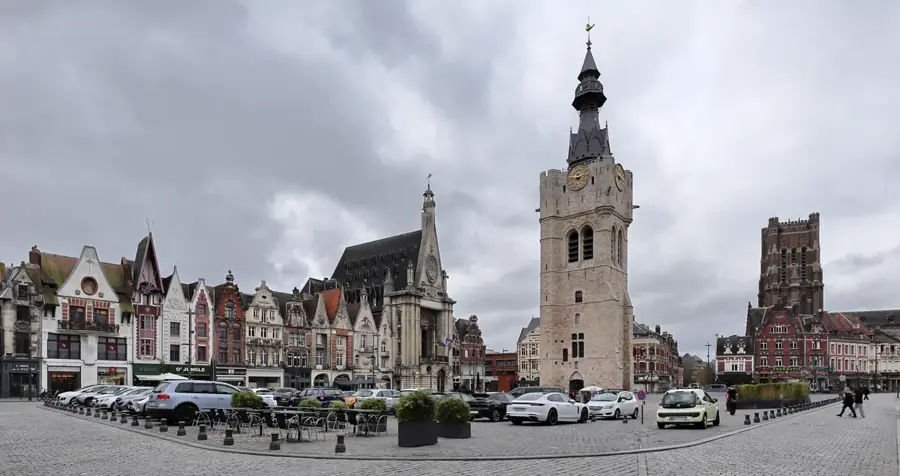
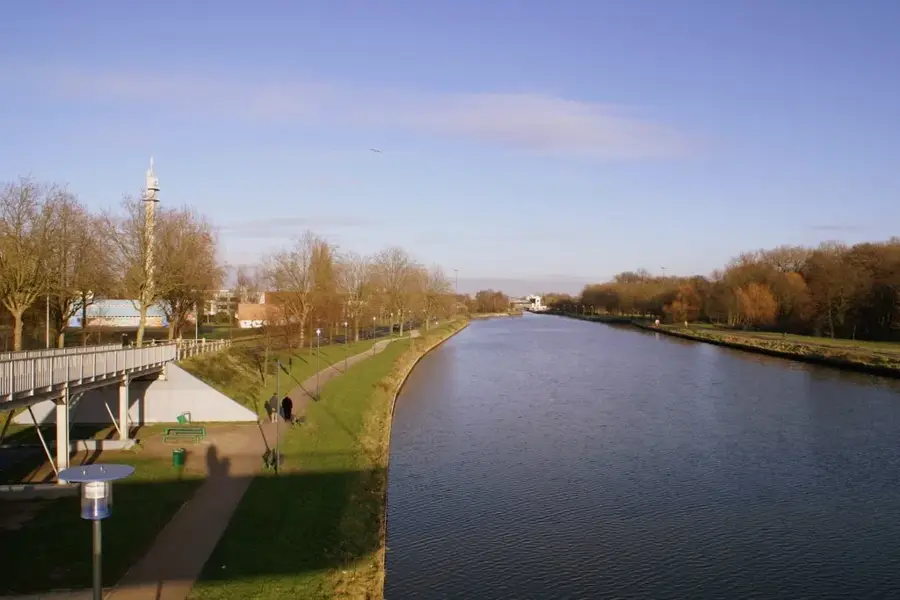
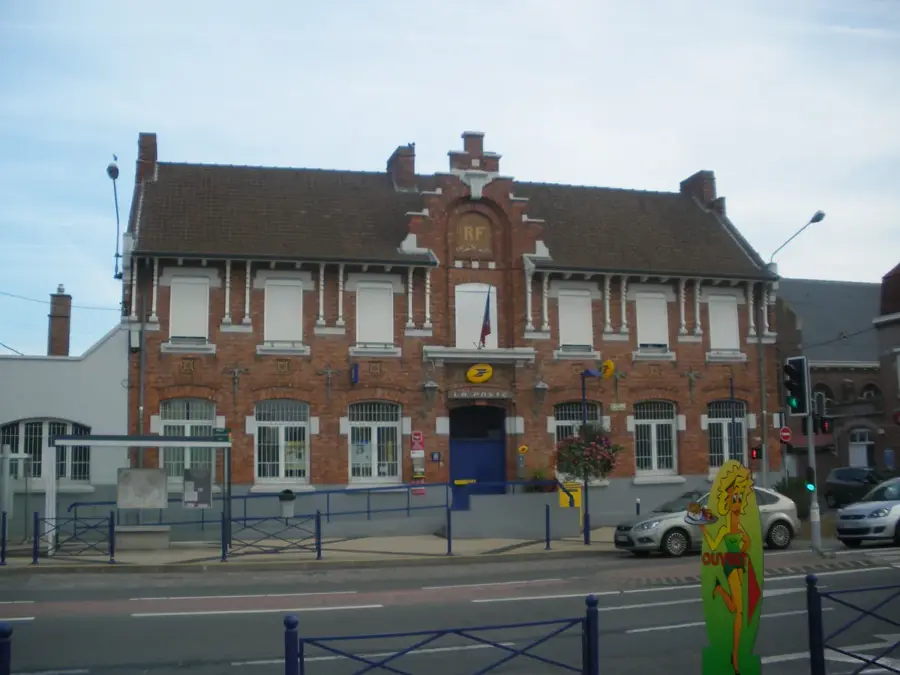
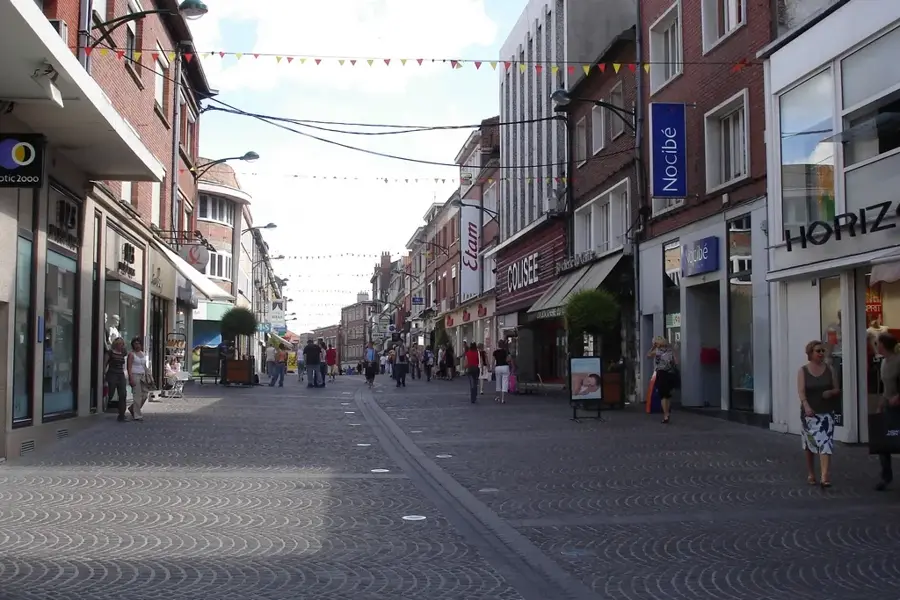
Lens is a city deeply rooted in the coal-mining history of northern France, with its development shaped for over a century by the extraction of fossil fuels. Following the decline of heavy industry, the city underwent a remarkable structural transformation, highlighted by the opening of the Louvre-Lens museum in 2012. Built on the site of a former coal mine, this museum displays masterpieces from the Parisian collection in its memorable "Gallery of Time," symbolizing the cultural revival of the region. The mining landscape surrounding Lens, including monumental slag heaps and traditional miners' cottages, is now recognized as a UNESCO World Heritage site. The city is also famous for its football club, RC Lens, and the Bollaert-Delelis stadium, which has a seating capacity nearly equal to the city's entire population. During the First World War, Lens was almost completely destroyed, leading to its reconstruction in the distinctive Art Deco style of the 1920s. Today, Lens stands as a modern urban center that honors its industrial past while successfully pivoting toward tourism and services.
The most pleasant time to visit is Jun–Aug.
| Jan | Feb | Mar | Apr | May | Jun | Jul | Aug | Sep | Oct | Nov | Dec | |
|---|---|---|---|---|---|---|---|---|---|---|---|---|
| Avg °C | 3 | 4 | 6 | 10 | 13 | 16 | 18 | 18 | 15 | 11 | 7 | 4 |
| Rain mm | 60 | 55 | 53 | 41 | 59 | 61 | 68 | 73 | 52 | 65 | 71 | 74 |
Notable places around
Where do you start? We build the route here, with stops and country notes along the way.
© OpenStreetMap contributors · OpenRouteService
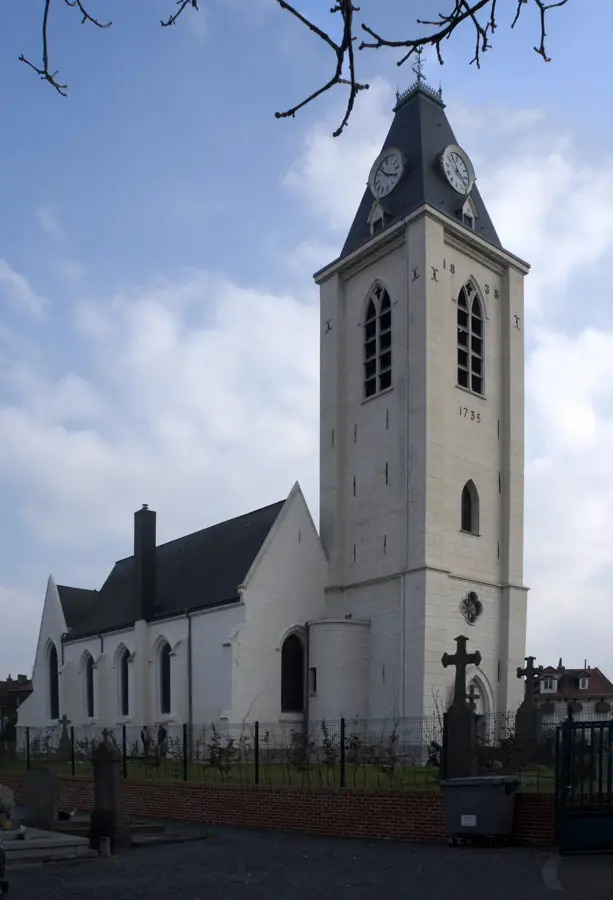
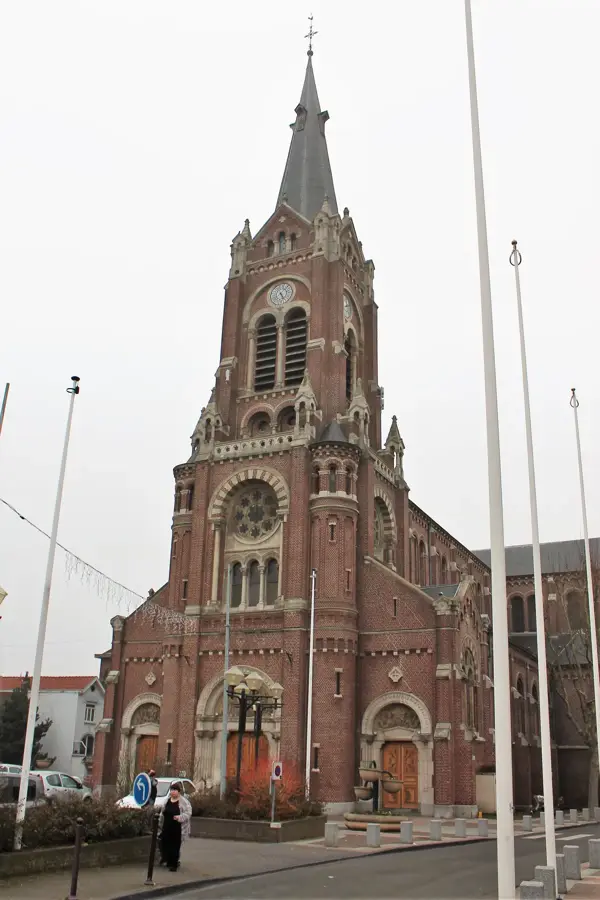
Discover the heart of Lens on foot. We start at the central Place Jean Jaurès before visiting the historic Saint-Léger church. The railway station impresses with its unique architecture. We spend the morning in the impressive gallery of the Louvre-Lens. Finally, we look at the legendary Bollaert stadium, the symbol of the city's identity.
By bike, we explore the mining history of Lens. We start at the station, passing the stadium to the Louvre-Lens. The highlight is Base 11/19 with its giant slag heaps, which offer a great view. The tour ends comfortably in the city center on Place Jean Jaurès.
This car tour combines Lens city center with the most important industrial highlights. After a visit to the Art Deco center, we drive to the Louvre-Lens and the famous Bollaert stadium. We spend the afternoon at Base 11/19, where the highest slag heaps in Europe offer a wide view over the region.