Plizio Visual Lab
Champagne Region
Weather…
Water temperature…
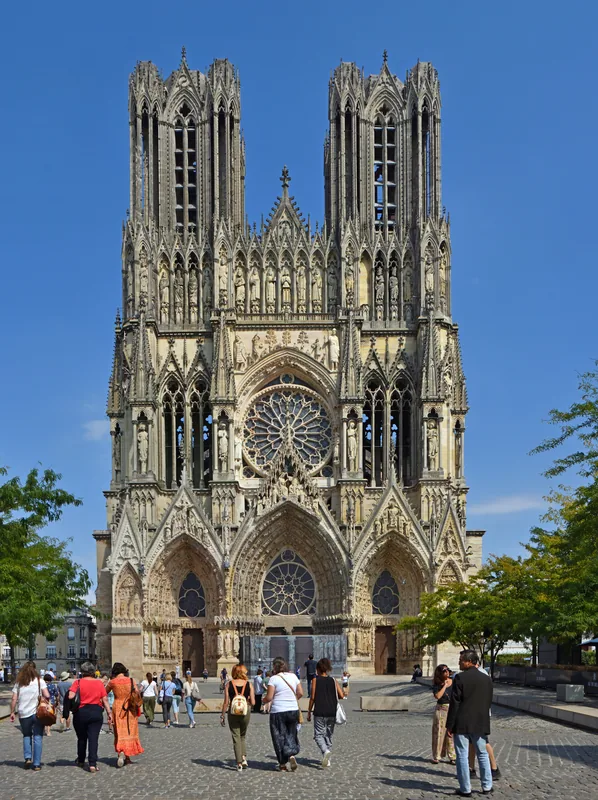
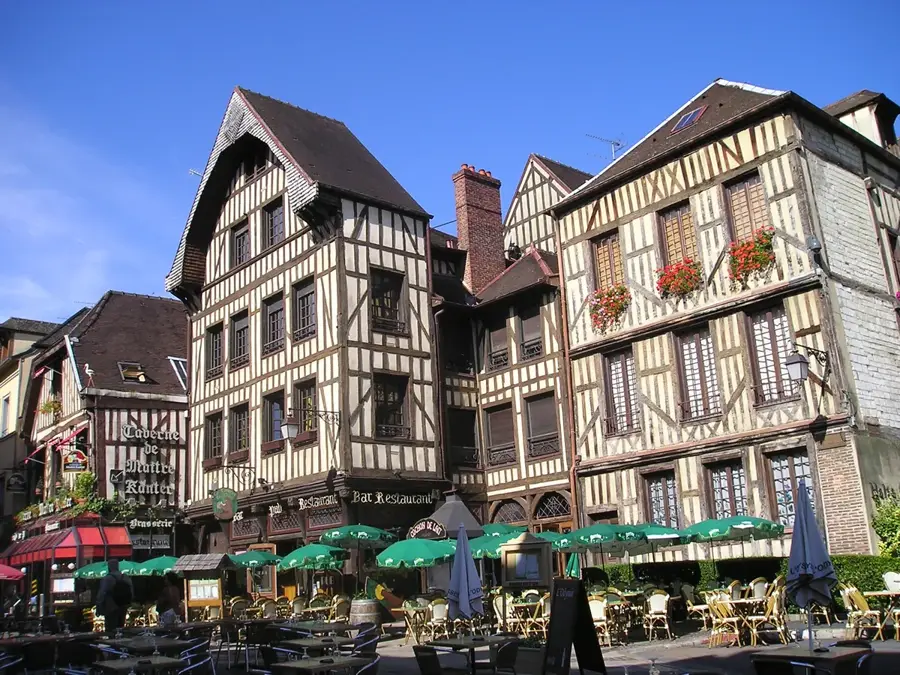
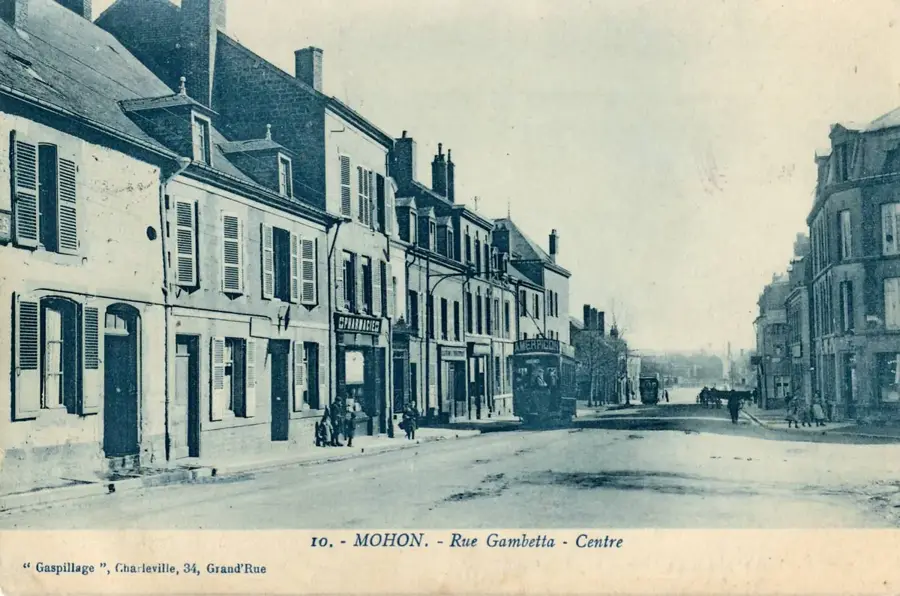
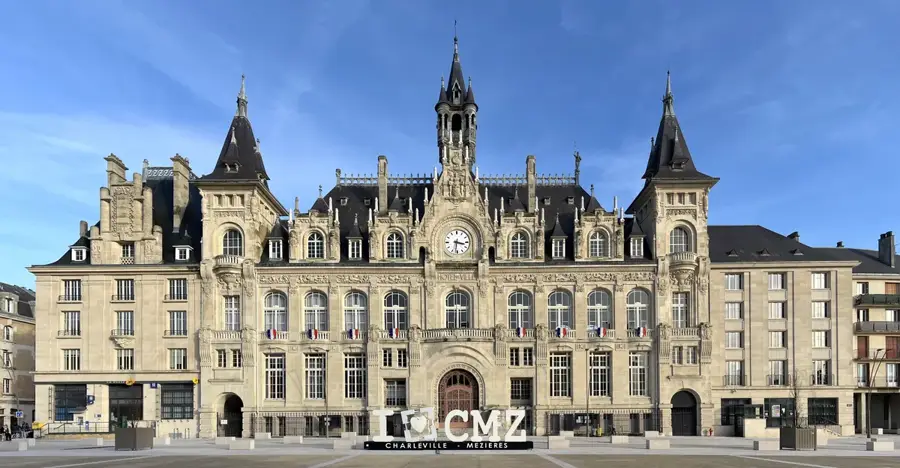
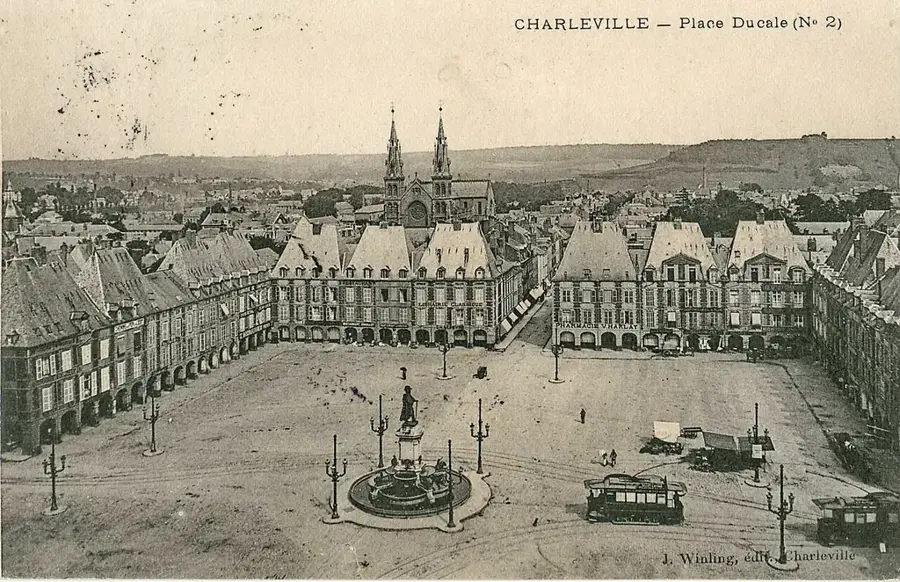
Champagne is a historic province in northeastern France, globally renowned for the production of the sparkling wine that bears its name. The region encompasses the departments of Marne, Aube, Haute-Marne, and Ardennes, with the cities of Reims and Épernay serving as its primary economic hubs. Geologically, the area is characterized by its thick chalk and limestone soils, which provide excellent drainage and temperature regulation for the vineyards. While viticulture in the area dates back to Roman times, the specific Méthode Champenoise was perfected in the 17th century by monks such as Dom Pérignon. In 1936, the region was granted Appellation d'Origine Contrôlée (AOC) status, ensuring that only sparkling wines produced here can legally use the name Champagne. UNESCO recognized the vineyards, houses, and cellars of Champagne as a World Heritage site in 2015, highlighting their unique cultural landscape and industrial significance to French heritage.
- Location: Grand Est, France
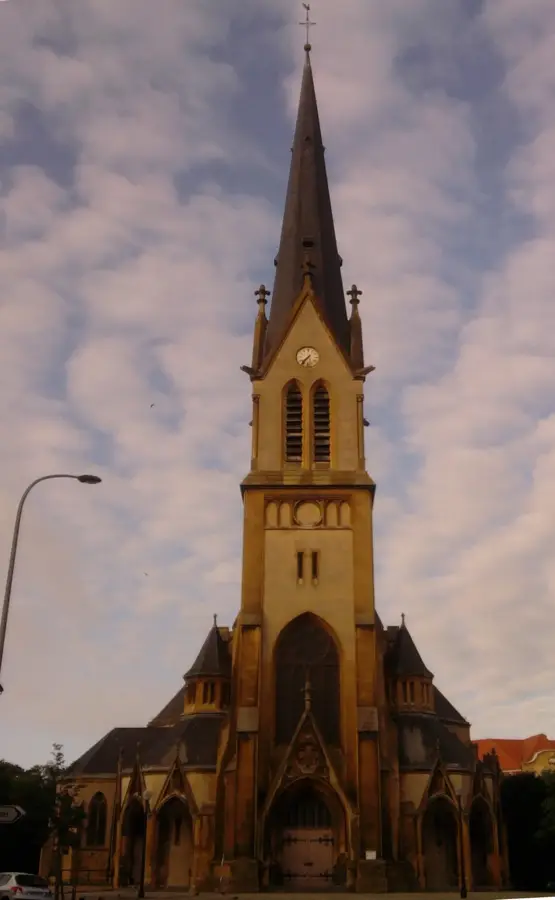
- Top sights: Église Saint-Memmie · Monument juin 1940 · Borne voie romaine par NIII
- Nearby: Witry-lès-Reims (21 km)
Best time to visit & climate
The most pleasant time to visit is Jun–Aug.
| Jan | Feb | Mar | Apr | May | Jun | Jul | Aug | Sep | Oct | Nov | Dec | |
|---|---|---|---|---|---|---|---|---|---|---|---|---|
| Avg °C | 2 | 3 | 6 | 10 | 14 | 17 | 20 | 19 | 15 | 11 | 6 | 3 |
| Rain mm | 64 | 57 | 59 | 46 | 71 | 63 | 64 | 67 | 51 | 65 | 64 | 76 |
📋 Practical info
Geography
Facts
- The Champagne AOC covers approximately 34,000 hectares of vineyards.
- Over 15,000 growers produce millions of bottles of champagne annually.
- Chalky soil acts as a natural heat and water regulator for the vines.
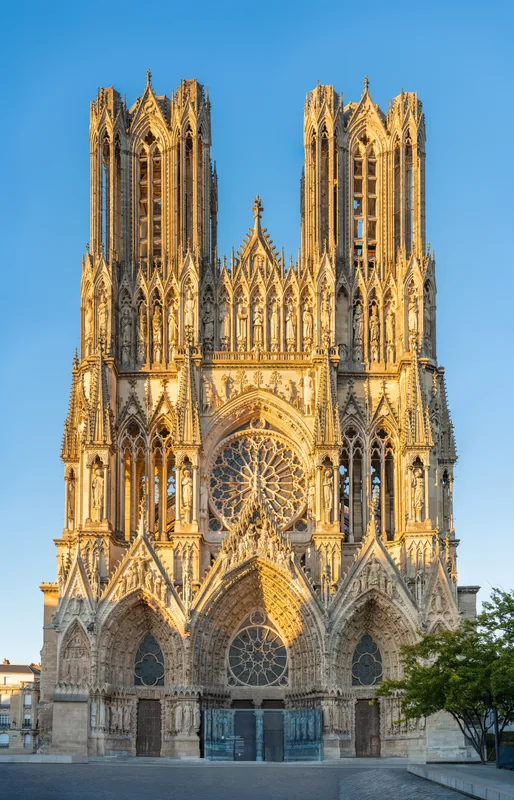
- Reims was the traditional site for the coronation of French kings.
- The underground cellars in Épernay extend for more than 100 kilometers.
- Champagne was among the first regions to receive AOC status in 1936.
Explore nearby
Notable places around
Route planner — Car & Motorhome
Where do you start? We build the route here, with stops and country notes along the way.
© OpenStreetMap contributors · OpenRouteService
Sights in the town Champagne Region (3)
Sights nearby
Frequently asked questions
Which cities should I visit?
How expensive is a Champagne tasting?
Can I visit the underground chalk cellars?
Is there a dress code for cellar visits?
Do I need to book tours in advance?
Champagne Region: where is it located?
Champagne Region: what is there to see?
Champagne Region: when is the best time to visit?
Champagne Region: why is it worth visiting?

Nearby cities