Plizio Visual Lab
Sof Omar
Weather…
Water temperature…
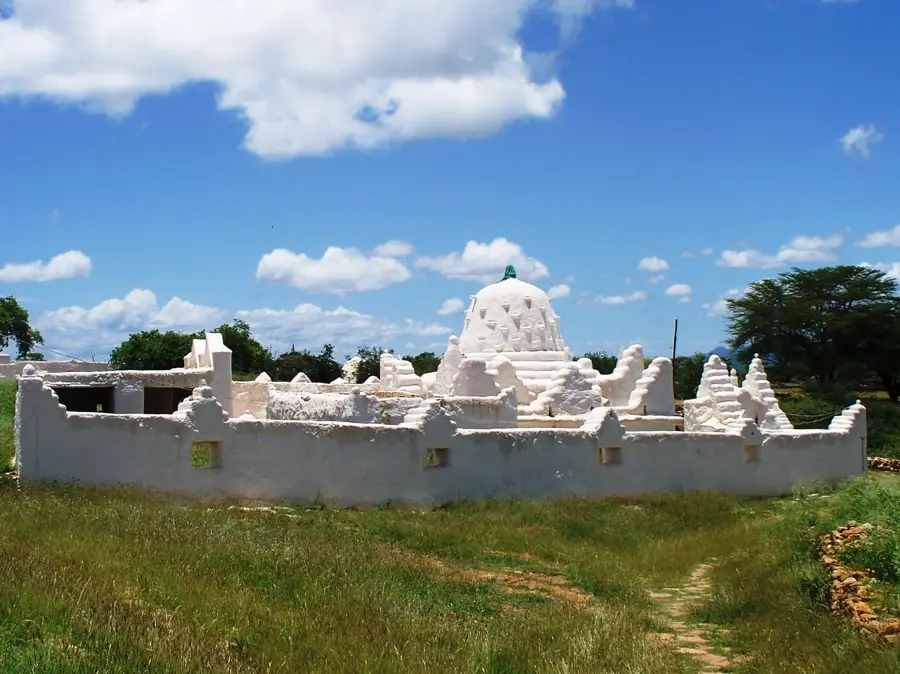
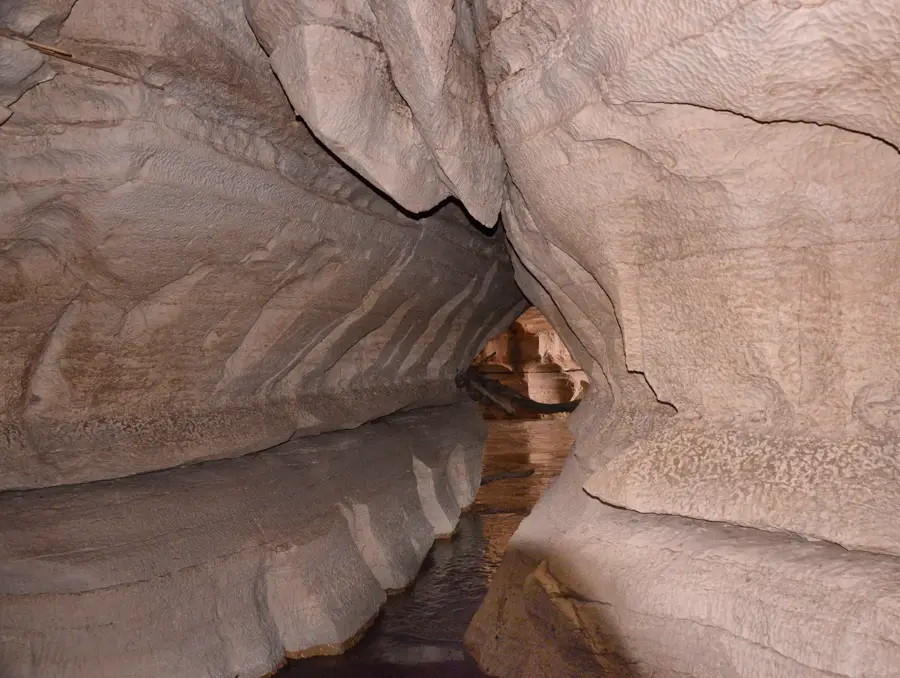
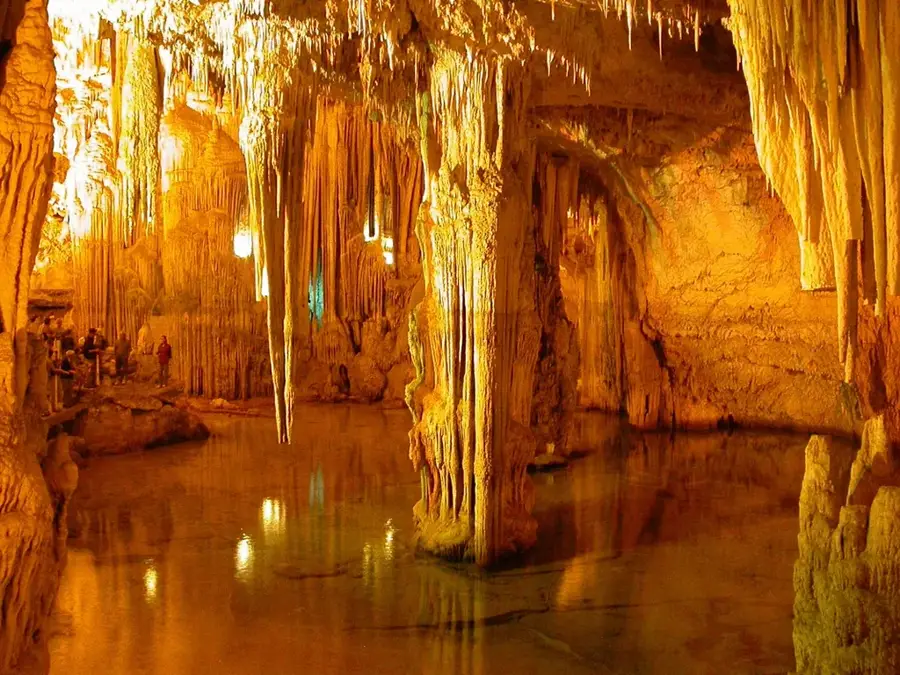
Hidden within the remote Bale region, the Sof Omar Cave is an extraordinary natural wonder and an important Islamic pilgrimage site. Visitors are drawn to explore this vast subterranean network, which stretches for over 15 kilometers, making it the longest cave system in Ethiopia. The most spectacular feature is the "Chamber of Columns," where colossal limestone pillars tower over the Weyib River, which carved the caverns over millions of years. The caves hold deep religious significance, named after Sheikh Sof Omar, a 12th-century holy man who used them as a mosque. During certain times of the year, thousands of pilgrims descend on the site. Exploring the caves involves walking through massive, echoed chambers and occasionally crossing shallow parts of the underground river. Wildlife here includes numerous bat colonies and unique blind cave fish. Local food options are very limited, so bringing a packed lunch is advisable. Getting to Sof Omar is an adventurous journey. It is located about 120 kilometers east of Goba in the Bale Mountains. A 4x4 vehicle is highly recommended due to the rough, unpaved roads leading to the site. The best time to visit is during the dry season, from November to March, as the underground river can flood and block access to the caves during the rainy season.
- Location: Ethiopia
- Top sights: Cave Entrance · Sof Omar Caves · Résurgence Holuca (Sof Omar Caves)
- Nearby: Ginir (26 km)
📋 Practical info
Geography
Facts
- It is the longest cave system in Ethiopia, spanning over 15 km.
- The caves were carved by the underground Weyib River.
- It is named after the 12th-century Sheikh Sof Omar.
- The cave is an important pilgrimage site for Ethiopian Muslims.
- The "Chamber of Columns" is the most famous section of the cave.
- Unique wildlife, including blind cave fish, live in the underground waters.
- There are more than 40 different entrances to the cave system.
- The site is located in the remote Bale Zone of Oromia.
Explore nearby
Notable places around
Route planner — Car & Motorhome
Where do you start? We build the route here, with stops and country notes along the way.
© OpenStreetMap contributors · OpenRouteService
Sights in the town Sof Omar (3)
Sights nearby
Frequently asked questions
Sof Omar: where is it located?
Sof Omar: what is there to see?
Sof Omar: why is it worth visiting?

Nearby cities


History & landmarks
Nature
More places