Plizio Visual Lab
Harenna Forest
Weather…
Water temperature…
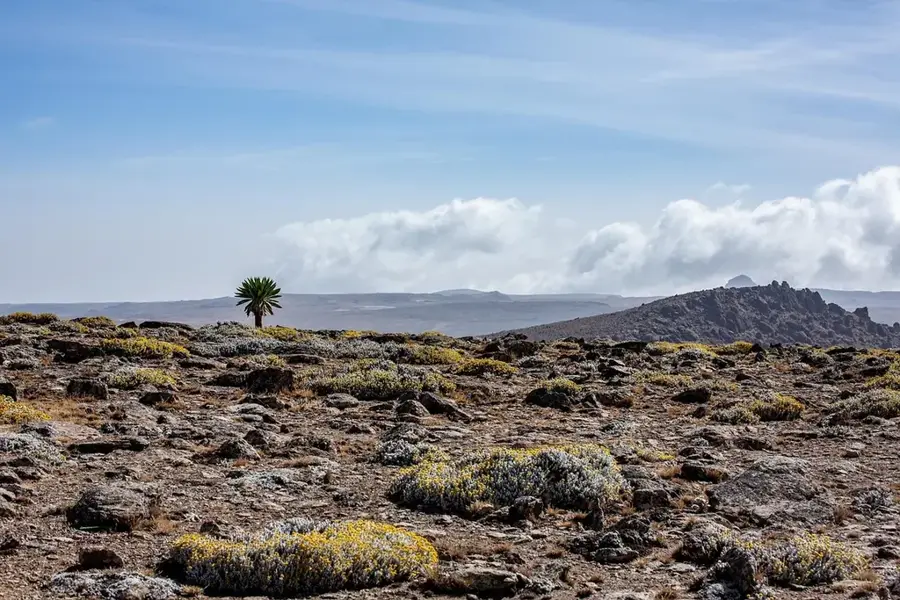
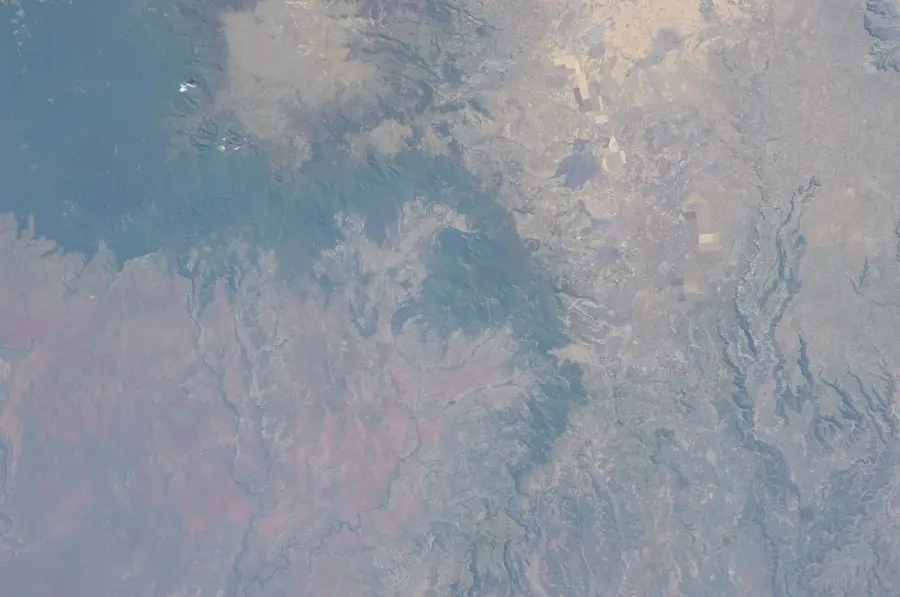
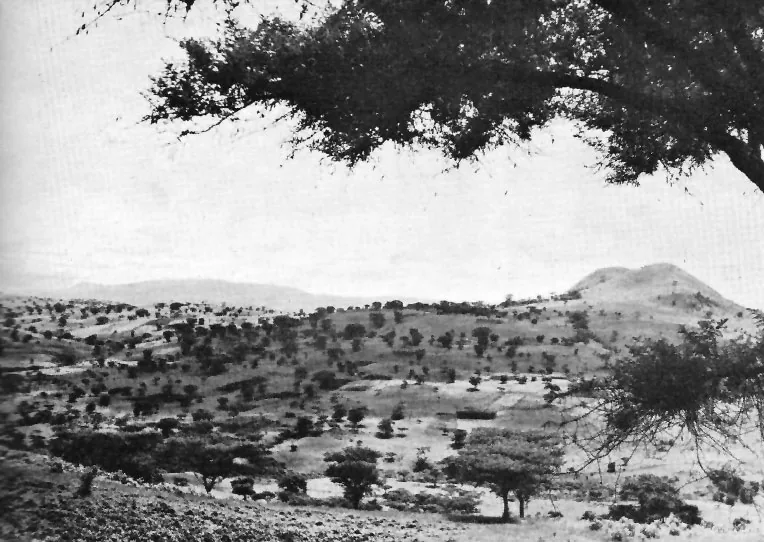
The Harenna Forest is one of the largest remaining natural forests in Ethiopia, stretching across the southern slopes of the Bale Massif within the Bale Mountains National Park. It is renowned for its impressive vertical zonation, ranging from moist Afromontane forests at lower elevations to alpine moorlands in the peak regions. The forest is home to an extraordinary diversity of flora and fauna, including rare species such as the Bale monkey and the giant forest hog. The area is particularly significant as a place of origin for wild Arabica coffee and for the traditional harvesting of forest honey by local communities. The dense vegetation is often shrouded in mist, lending the forest a mystical atmosphere and playing a crucial role in regulating the region's moisture levels. Geologically, the area is characterized by volcanic soils that support lush growth and serve as a vital water catchment for Ethiopia's lower-lying regions. Today, the forest is under strict protection to halt progressive deforestation and preserve its unique biodiversity for future generations.
- Location: Ethiopia
- Nearby: Dinsho (42 km)
Best time to visit & climate
The most pleasant time to visit is Jan, Feb, Dec.
| Jan | Feb | Mar | Apr | May | Jun | Jul | Aug | Sep | Oct | Nov | Dec | |
|---|---|---|---|---|---|---|---|---|---|---|---|---|
| Avg °C | 17 | 18 | 19 | 18 | 18 | 17 | 16 | 16 | 17 | 17 | 16 | 16 |
| Rain mm | 20 | 36 | 96 | 276 | 228 | 102 | 92 | 135 | 145 | 171 | 99 | 36 |
📋 Practical info
Geography
Facts
- It is the second-largest continuous forest in Ethiopia.
- The forest spans an altitudinal range of over 2,000 meters.
- Wild Arabica coffee grows here in its natural environment.
- The area is a key habitat for the endemic Bale monkey.
- Annual rainfall can reach up to 1,500 mm.
- Traditional beekeeping is the primary livelihood for local residents.
Explore nearby
Notable places around


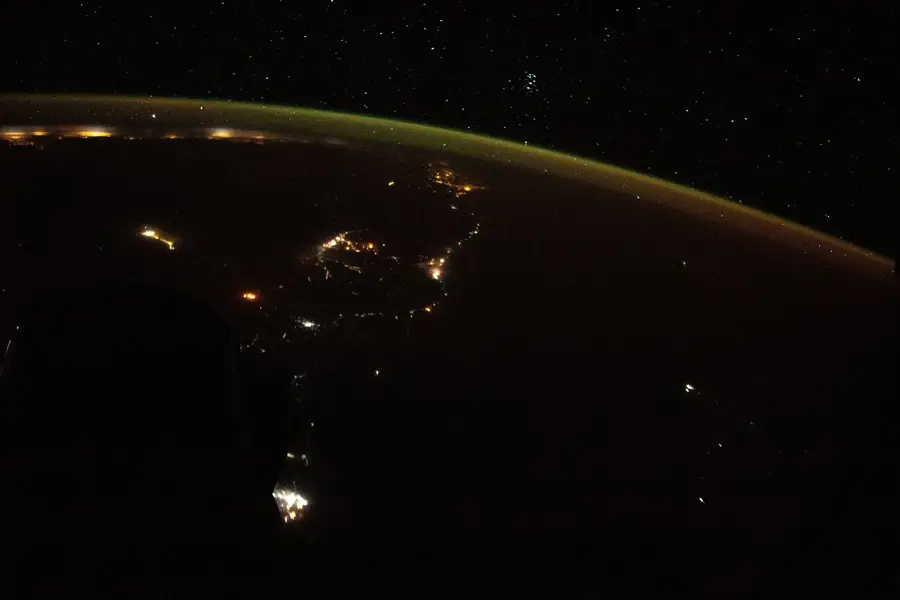

Route planner — Car & Motorhome
Where do you start? We build the route here, with stops and country notes along the way.
© OpenStreetMap contributors · OpenRouteService
Sights nearby
Frequently asked questions
What is the Harenna Forest famous for?
What rare animals live in the Harenna Forest?
Can you stay overnight in the Harenna Forest?
Is the climate in the forest very humid?
Is it allowed to pick wild coffee in the forest?
Harenna Forest: where is it located?
Harenna Forest: when is the best time to visit?
Harenna Forest: why is it worth visiting?

Nearby cities


History & landmarks
Nature

More places