Plizio Visual Lab

Mount Dino

Plizio editorial teamData Sources
Mountain
—°
Mount Dino (Ethiopia)

Weather…

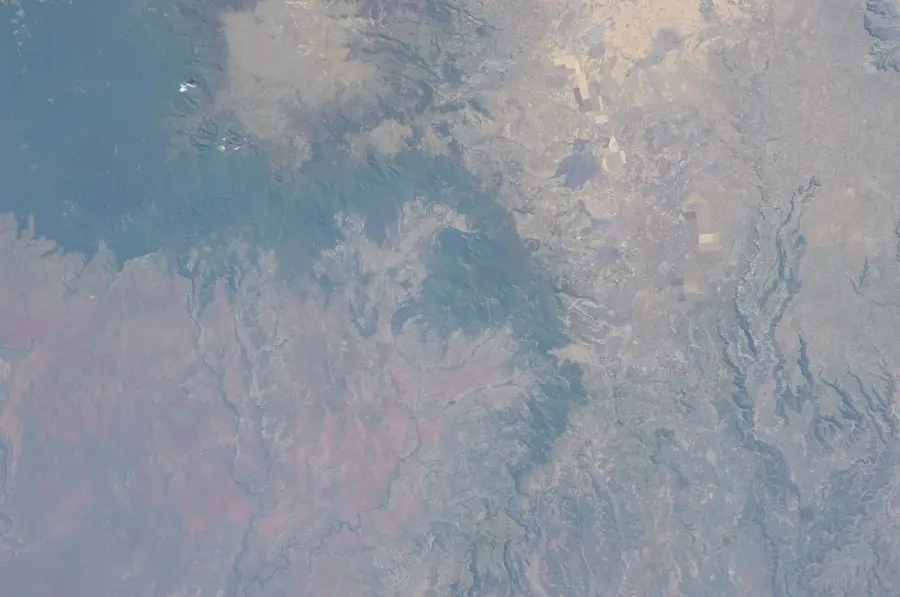
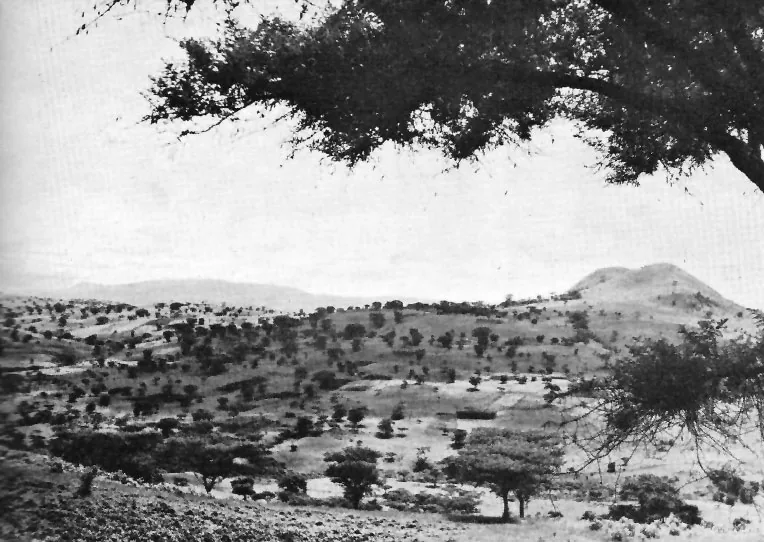
Mount Dino is a lesser-known but geographically significant peak in the Ethiopian highlands, part of the Bale-Arsi massif. Rising to an elevation of approximately 4,000 meters, it protrudes into the Afro-alpine zone and is characterized by a barren, rocky landscape dominated by lichens and mosses. Located in southeastern Ethiopia, it forms a natural border between different administrative units of the Oromia Region. Geologically, the mountain consists of ancient lava flows shaped by glacial activities during the last ice age, reflected in the U-shaped valleys and cirques on its flanks. The region is marked by extreme cold and strong winds, allowing only specialized animal species such as the Ethiopian wolf to live here permanently. Despite its remoteness, the mountain is an important destination for researchers studying climate change and its impact on alpine ecosystems. The surrounding areas are used by nomadic herders who drive their livestock to the high-altitude pastures during the rainy season. Mount Dino has a raw beauty that is symbolic of the untamed wilderness of the Ethiopian high mountains.

Best time to visit & climate

The most pleasant time to visit is Jan–Mar.

JanFebMarAprMayJunJulAugSepOctNovDec
Avg °C192122212222212020201918
Rain mm112156104745614015499483922

📋 Practical info

🧭
Getting there
Reaching the eastern highlands very often requires traversing highly unpaved roads and hiring a reliable local vehicle. Guided, well-organized excursions from the nearest sizable town are undeniably the most practical way to effectively reach the mountain base.
📅
Best season
The distinctly dry season, typically occurring between October and March, absolutely provides the most favorable conditions for safe highland trekking. During this time, the dirt roads are much more passable and the weather is reliably clear and sunny.
⛰️
Terrain & paths
The imposing peak features tremendously rugged inclines, massive rocky outcrops, and completely sparse high-altitude vegetation. Successfully navigating this difficult environment strongly demands excellent physical conditioning and extensive experience with uneven trails.
🎒
What to bring
Exceptionally high-quality trekking boots with extremely solid ankle support are an absolute, non-negotiable necessity on the rocky slopes. Heavily layered clothing is strongly recommended to easily handle significant temperature fluctuations, alongside a comprehensive first aid kit.
🅿️
Parking
The remote base villages generally offer fairly rudimentary areas to comfortably leave a vehicle safely, very often for a moderately small fee. It is entirely sensible to proactively coordinate parking through a hired local guide or a recognized accommodation provider.
⚠️
Safety
The surprisingly high altitude can severely affect even extremely fit, experienced hikers, so proper, gradual acclimatization is absolutely essential before attempting the peak. Always be deeply mindful of dangerously loose rocks on steep sections and rapidly changing weather patterns.
⏱️
Time needed
Successfully scaling the prominent peak usually requires at least one completely full day of effort from the genuinely nearest easily accessible settlement. Highly experienced trekkers may brilliantly integrate this demanding ascent into a considerably longer, multi-day exploration of the surrounding highlands.

Geography

Coordinates
8.50000, 40.10000

Facts

  • The peak elevation reaches approximately 4,000 meters.
  • Part of the Arsi Mountains in the southeastern highlands.
  • The relief shows clear traces of Pleistocene glaciation.
  • Habitat for the endangered Ethiopian wolf.
  • Temperatures can drop well below freezing at night.
  • Geologically, basalts and trachytes dominate the massif.

Explore nearby

Notable places around

Route planner — Car & Motorhome

Where do you start? We build the route here, with stops and country notes along the way.

Vehicle
Only stops with (optional):

© OpenStreetMap contributors · OpenRouteService

Sights nearby

Frequently asked questions

Can you see monkeys on Mount Dino?
Yes, Colobus monkeys are often spotted on the forested slopes.
What is the terrain like underfoot?
Volcanic rock and loose soil; the ground becomes very slippery when it rains.
Is Mount Dino safe for solo hikers?
It is better to hike in groups to avoid orientation problems.
Are there caves on Mount Dino?
There are some small rock overhangs used by shepherds for shelter.
What height does Mount Dino reach?
It reaches a height of about 3,200 meters.
Mount Dino: where is it located?
Mount Dino is located in Ethiopia.
Mount Dino: when is the best time to visit?
The most pleasant time to visit is Jan, Mar.
Mount Dino: why is it worth visiting?
Mount Dino is a lesser-known but geographically significant peak in the Ethiopian highlands, part of the Bale-Arsi massif.
View on map → The Top 50 Attractions → OpenStreetMap →
Africa
Explore with Plizio Discover more places in Africa
More places in Ethiopia →

Nearby cities

History & landmarks
Nature

More places