Plizio Visual Lab

Harar Jugol Walls
Plizio editorial teamData Sources
Landmark
—°5
Harar Jugol Walls (Ethiopia)

Weather…

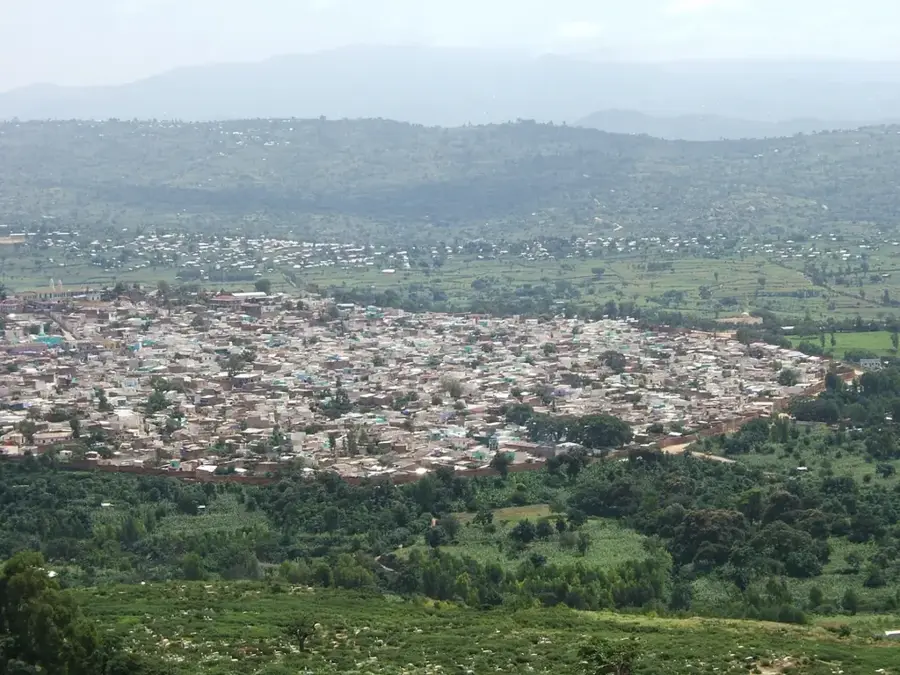
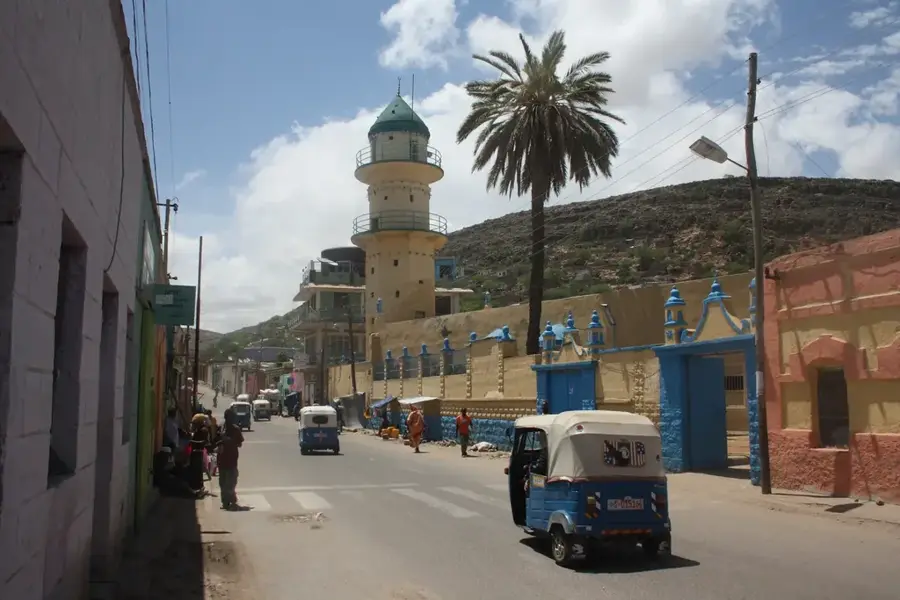
The walls of Harar, known as Jugol, encircle the historic heart of what is often considered the fourth holiest city of Islam. This formidable fortification was constructed between the 13th and 16th centuries to safeguard the city against external invasions. Within the confines of the walls lies a dense labyrinth of narrow alleys containing over 80 mosques and unique traditional Harari houses. The perimeter of the wall extends for roughly 3.5 kilometers and features five original historic gates, each corresponding to a specific trade route or symbolic entrance. Harar was a major commercial hub for centuries, linking Ethiopia with the Red Sea and the Gulf of Aden through its caravan routes. In 2006, Harar Jugol was inscribed as a UNESCO World Heritage site for its exceptional preservation of Islamic urban planning and cultural heritage. The walls remain a living monument, defining the character of a city that has successfully maintained its ancient traditions into the modern era.

Best time to visit & climate

The most pleasant time to visit is Jan, Feb, Oct.

JanFebMarAprMayJunJulAugSepOctNovDec
Avg °C192123232323212121211919
Rain mm613461148551116146113372211

📋 Practical info

🚪
Visiting
The historic fortified walls of Harar Jugol date back to the 16th century and surround the entire old town. You can explore the walls on foot, enter through several gates, and enjoy views of the surrounding landscape.
🕒
Typical hours
The walls are accessible at any time as they are public and require no ticket. However, it is best to walk them during the day to see the details of the fortification and the gates.
📷
Photography
Photography is unrestricted along the walls, and the various gates offer good subjects. For a panoramic view of the city, climb onto one of the towers or find a high point along the wall.
⏱️
Time needed
A walk along a section of the walls takes about 30 to 45 minutes, depending on how much you want to see. If you intend to circle the entire wall and view all the gates, allow up to two hours.
Combine with
The walls enclose historic Harar Jugol, which you can explore simultaneously. Combine the wall walk with visits to the traditional houses and colorful markets in the old city.
💡
Insider tip
Wear comfortable shoes and sun protection as the wall paths are partly unshaded. Go early in the morning or late afternoon to avoid midday heat and get the best light for photos.

Geography

Coordinates
9.31000, 42.13800

Facts

  • The fortified area covers a compact territory of about 48 hectares.
  • There are 82 mosques located within the 3.5-kilometer perimeter.
  • Emir Nur ibn Mujahid is credited with reinforcing the walls in the 1560s.
  • Harar was inscribed on the UNESCO World Heritage list in 2006.
  • The five historic gates served as tax collection points for trade caravans.
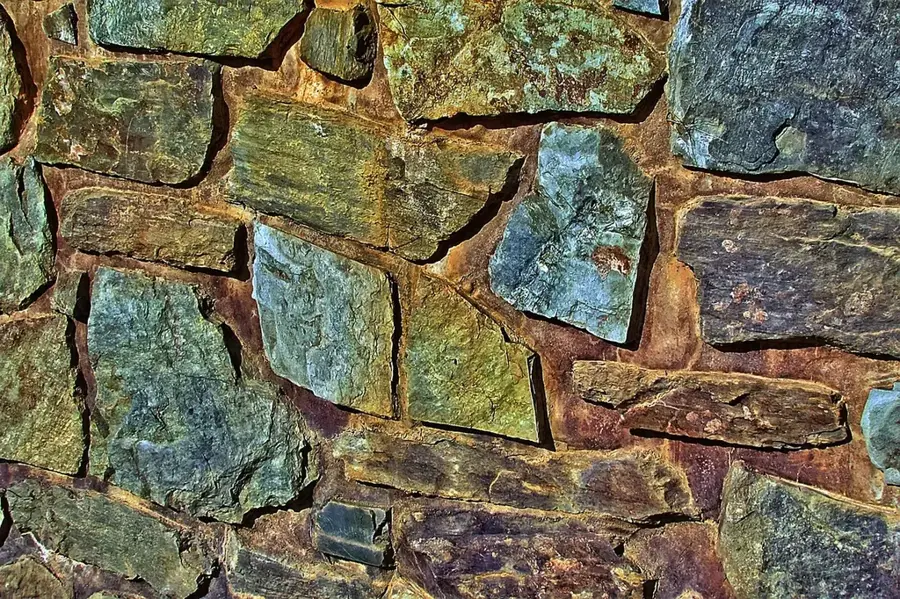
  • The walls were built using local stone and mud mortar for durability.

Explore nearby

Notable places around
Route planner — Car & Motorhome

Where do you start? We build the route here, with stops and country notes along the way.

Vehicle
Only stops with (optional):

© OpenStreetMap contributors · OpenRouteService

Sights in the town Harar Jugol Walls (5)

Hyena Feeding Spot📍 landmark

At this dusty site just outside Harar's ancient walls, local "hyena men" continue the generations-old tradition of hand-feeding wild spotted hyenas.

Thume Kumbi📍 landmark

Thume Kumbi is an intriguing historic site integrated into the dense, ancient urban fabric of Harar Jugol.

Harari Community Museum🏛 museum

Situated within the walled city, this museum preserves intricate traditional Harari clothing, old Qurans, and indigenous crafts.

🕒 Mo-Sa 08:00-18:00

Abida Mosque Drum Place📍 landmark

This unique courtyard space at the Abida Mosque is traditionally used for rhythmic drumming during religious ceremonies in Harar.

Harar cultural museum🏛 museum

This cultural institution is dedicated to safeguarding the unique architectural heritage and bustling ethnic traditions of the Harari people.

Sights nearby

Frequently asked questions

How old is the city wall of Harar?
The wall, also known as Jugol, was built between the 13th and 16th centuries.
How many gates does the wall have?
There are five main historical gates that provide access to the old fortified city.
Are you allowed to walk on the wall?
In some places, it is possible to climb the wall and enjoy the view.
Is Harar Jugol a World Heritage site?
Yes, it was recognized by UNESCO in 2006 for its unique Islamic culture.
When is the best time for a walk along the wall?
Late afternoon, when it gets cooler and the markets around the gates are lively.
Harar Jugol Walls: where is it located?
Harar Jugol Walls is located in Ethiopia.
Harar Jugol Walls: what is there to see?
Highlights include Hyena Feeding Spot, Thume Kumbi, Harari Community Museum.
Harar Jugol Walls: when is the best time to visit?
The most pleasant time to visit is Jan, Feb, Oct.
Harar Jugol Walls: why is it worth visiting?

The walls of Harar, known as Jugol, encircle the historic heart of what is often considered the fourth holiest city of Islam.
View on map → The Top 50 Attractions → OpenStreetMap →
Africa
Explore with Plizio Discover more places in Africa
More places in Ethiopia →

Nearby cities

History & landmarks

Nature

More places