Plizio Visual Lab
Abercorn
ℹ️Practical info — Abercorn
▾
🌤 Weather — 5 days
📍 Nearby
Sights nearby
💡 Tips
- Rent a 4x4 vehicle if you plan to explore the surrounding rural areas, as dirt roads can be rough.
- Fuel stations are sparse; always top up your tank when you have the chance.
- When visiting nearby traditional communities, it is respectful to seek out the local chief or headman first.
- Pack all essential supplies and water, as shopping options are very limited.
🍽 Food
A thick porridge often served with meat or vegetable stew at local roadside eateries.
Barbecued meat is very popular; look for local vendors grilling by the roadside.
🛍 Shopping · 🧘 Quiet spots
Buy fresh fruits and vegetables directly from local farmers along the main routes.
Occasionally, local artisans sell woven baskets and wood carvings directly from their homesteads.
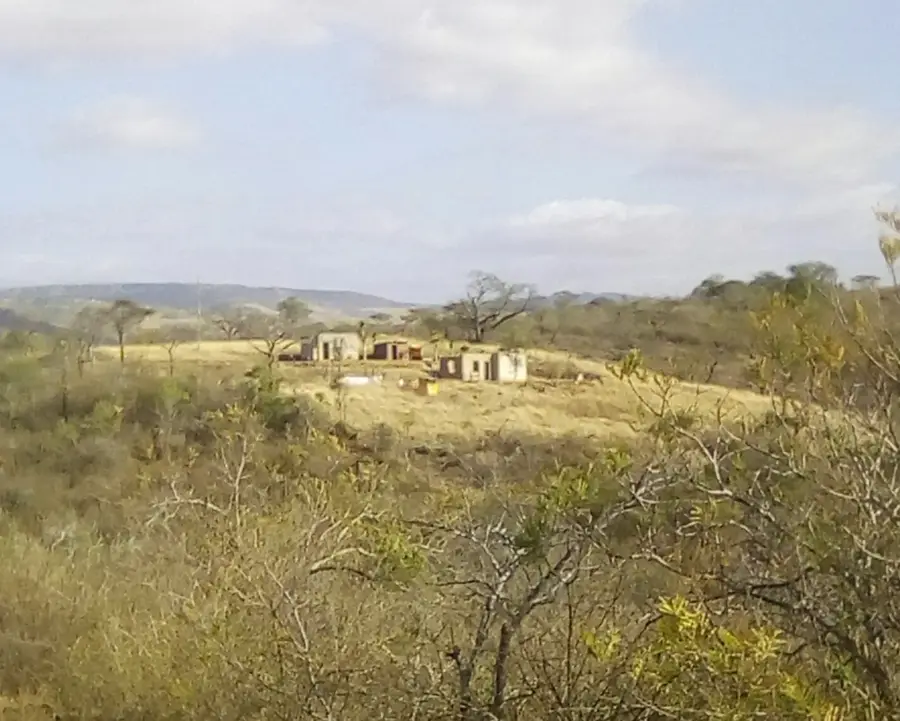
The rolling hills surrounding the settlement offer plenty of off-the-beaten-path hiking opportunities.
Enjoy a quiet walk along the footpaths connecting rural homesteads, taking in the serene landscape.
Water temperature…
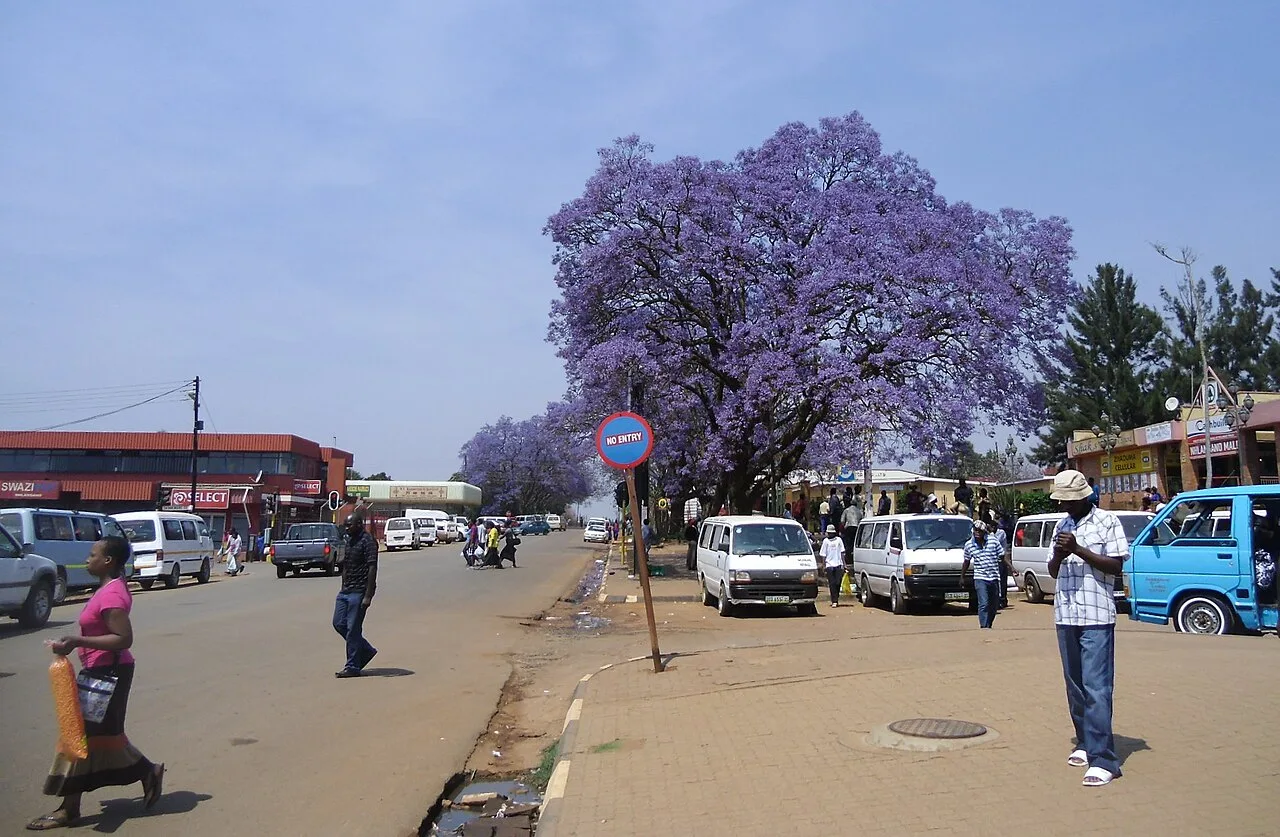
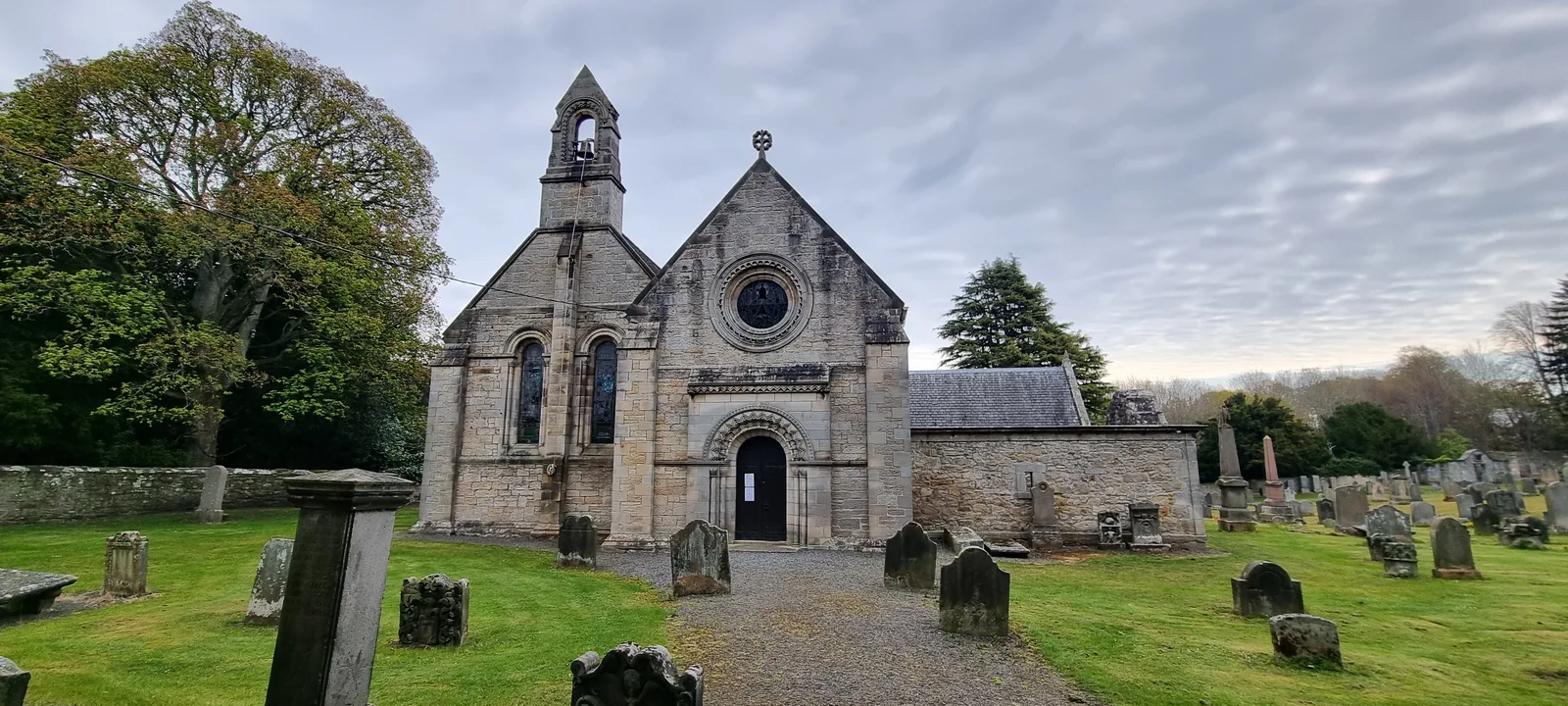
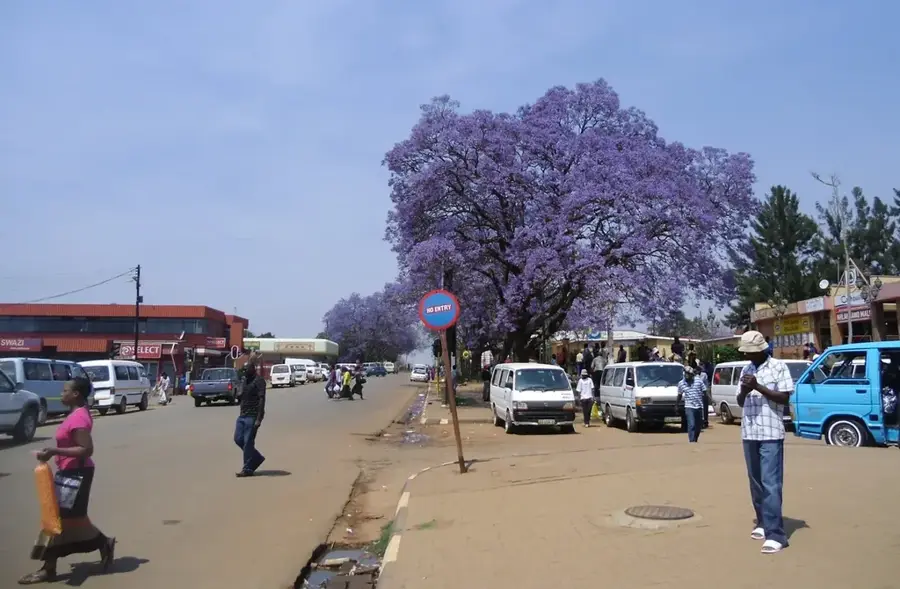
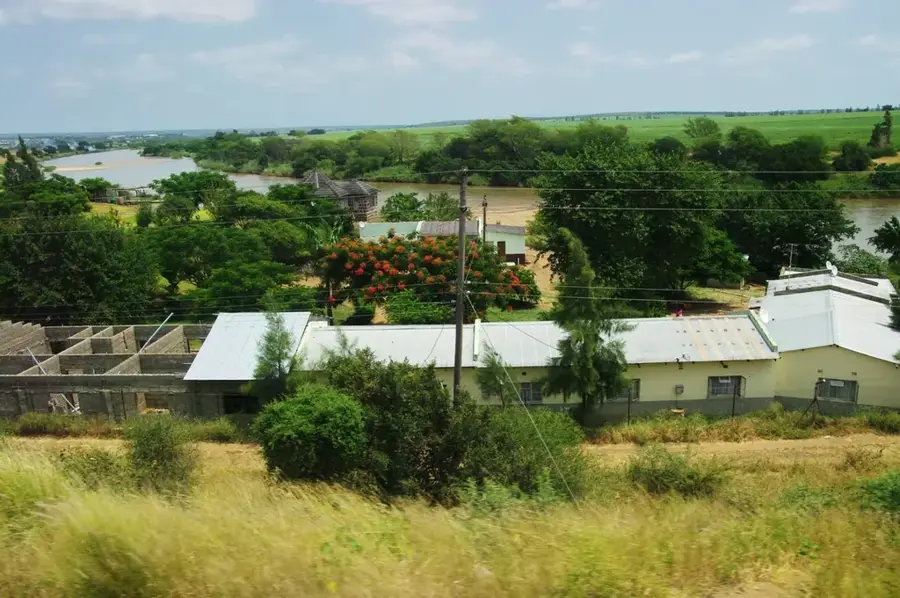
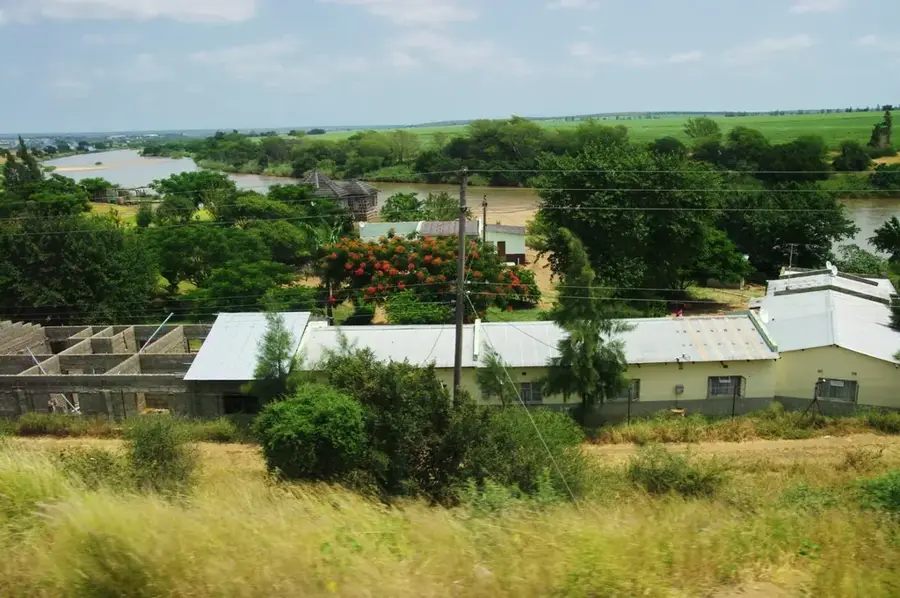
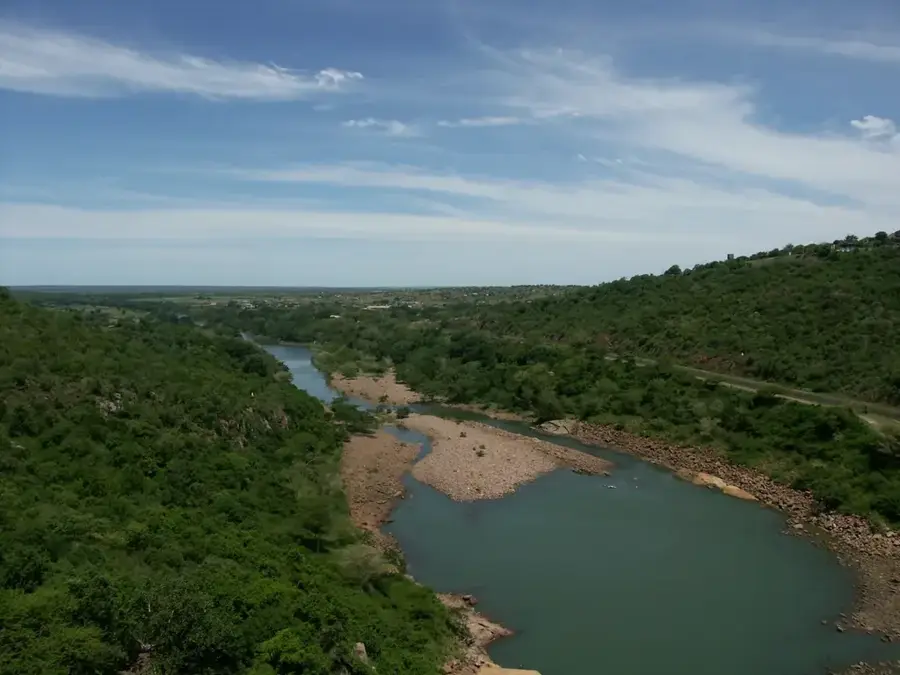
Abercorn is a small but historically significant settlement in the Shiselweni District whose name comes from the Scottish Duke of Abercorn, who in the late 19th century played an important role in southern African mineral and land development. The area was settled in the late 19th century by Scottish and English colonists who mainly raised sheep and farmed crops. This history is still reflected today in a few old buildings, a historic church and traditional family graves. Economically modern life in Abercorn rests on subsistence agriculture, maize, beans, sweet potatoes and small vegetable plots are the main products. Sheep and goat herding also play an important role, alongside small-scale forestry. Climatically Abercorn sits at about 1,000 meters elevation and enjoys cool winters and mild summers with adequate rainfall. The surrounding hills and small streams make the area a quiet rural refuge. Socio-culturally Abercorn is an interesting place where Swazi traditions coexist with surviving colonial traces. Young people often move to the bigger cities, but the community preserves its social cohesion through festivals, church feasts and shared harvesting work.
- Location: Eswatini
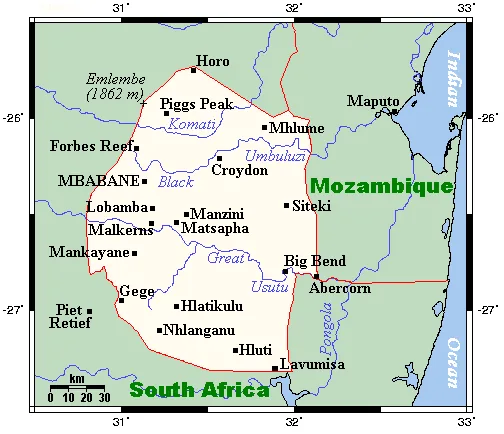
- Nearby: Mankayane (11 km)
Best time to visit & climate
The most pleasant time to visit is Apr, Sep, Oct.
| Jan | Feb | Mar | Apr | May | Jun | Jul | Aug | Sep | Oct | Nov | Dec | |
|---|---|---|---|---|---|---|---|---|---|---|---|---|
| Avg °C | 23 | 23 | 22 | 19 | 17 | 15 | 14 | 17 | 20 | 21 | 22 | 23 |
| Rain mm | 137 | 96 | 86 | 53 | 16 | 10 | 12 | 13 | 29 | 59 | 104 | 122 |
Geography
Facts
- Located in the Shiselweni District in southern Eswatini.
- Named after the Scottish Duke of Abercorn.
- Situated at an elevation of 1,000 meters above sea level.
- Traditional center for sheep and goat farming.
- Home to a historic mission church from the colonial era.
- Economy is based on the cultivation of maize and beans.
Explore nearby
Notable places around






Route planner — Car & Motorhome
Where do you start? We build the route here, with stops and country notes along the way.
© OpenStreetMap contributors · OpenRouteService
Frequently asked questions
What characterizes Abercorn?
Are there museums there?
Can you find accommodation in Abercorn?
Is the area around Abercorn safe?
What is the best season?
Abercorn: where is it located?
Abercorn: when is the best time to visit?
Abercorn: why is it worth visiting?

Nearby cities
Nature
More places