Plizio Visual Lab
Mahlalini
ℹ️Practical info — Mahlalini
▾
🌤 Weather — 5 days
📍 Nearby
Sights nearby
💡 Tips
- Respect the traditional lifestyle; always ask for permission before photographing people or homesteads.
- Visit local craft centers in the Shiselweni District for authentic souvenirs.
- Be prepared for cooler temperatures, as Mahlalini is located in a hilly region.
- Use a 4x4 vehicle if you plan to explore the more remote paths in the surrounding area.
- Learn a few words of SiSwati, like 'Sawubona' (Hello), to show respect to the community.
🍽 Food
A fermented sour maize porridge, typical of rural Eswatini.
Locally raised chicken, usually slow-cooked and very flavorful.
Wild greens gathered during the rainy season and served as a traditional side dish.
🛍 Shopping · 🧘 Quiet spots
Small shops offering basic supplies and a glimpse into local daily life.
Look for local women selling hand-woven grass mats (Ecansis).
Long walks over the green hills offer absolute peace and quiet.
Wander along the ancient footpaths connecting the various homesteads.
Water temperature…
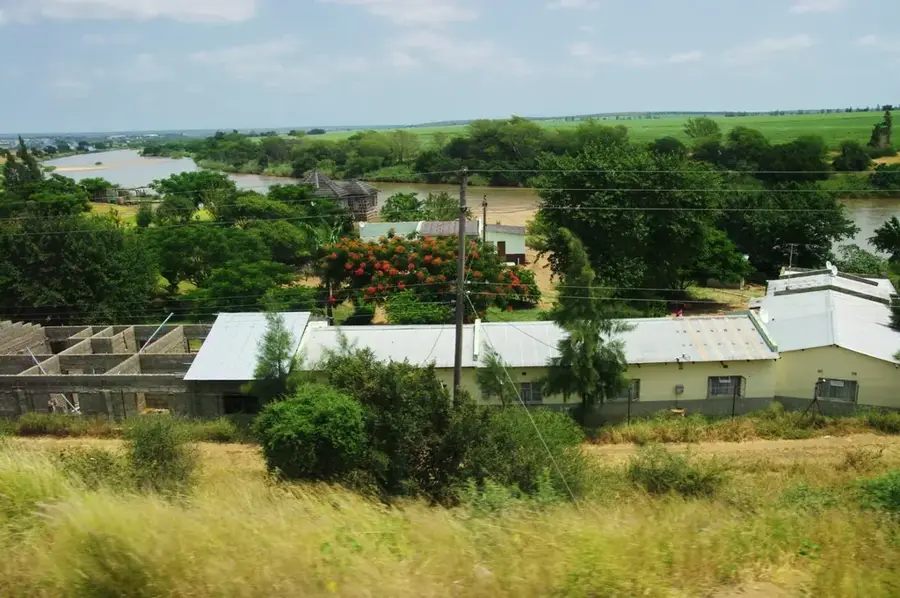
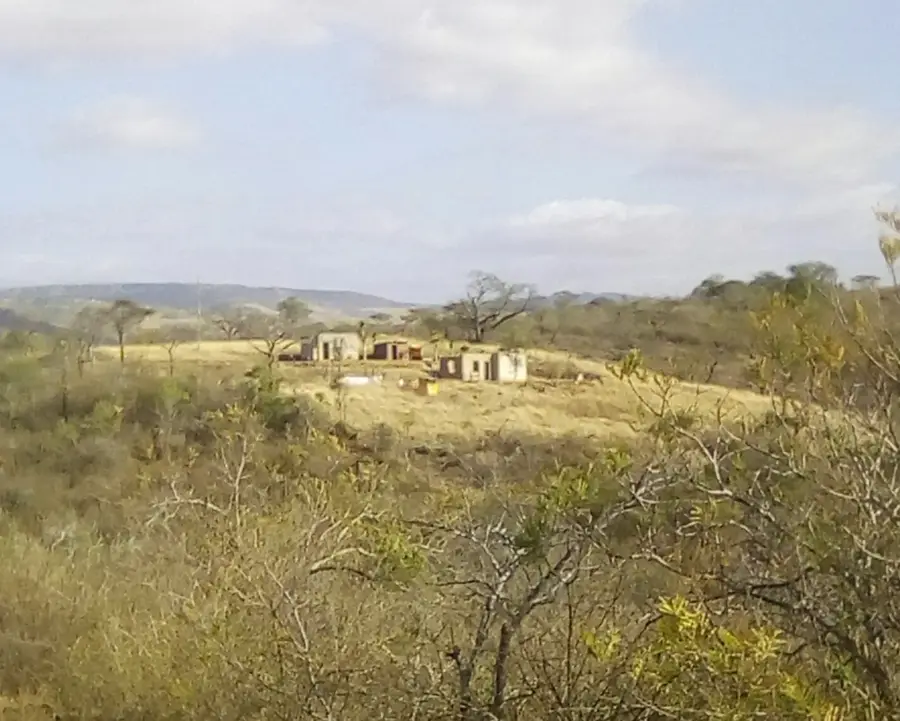
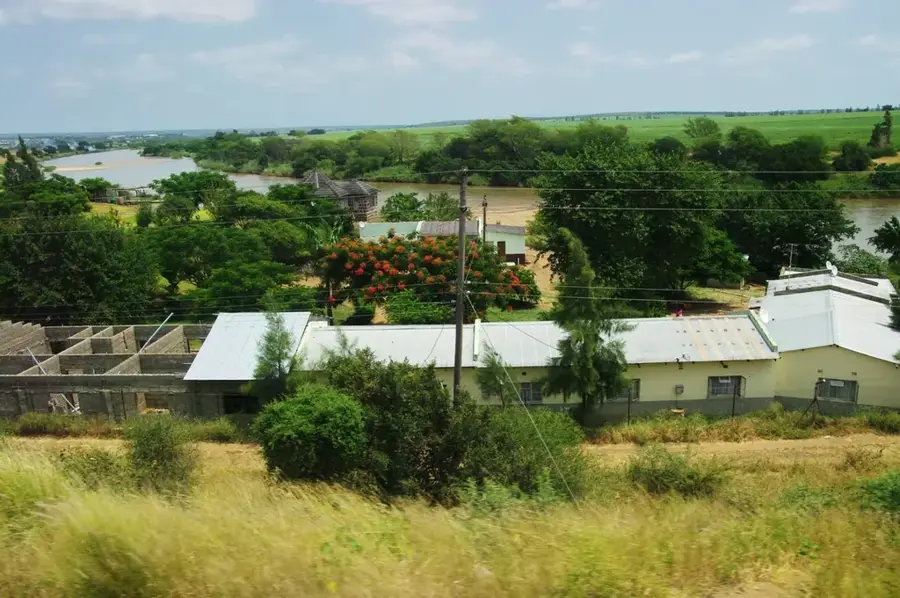
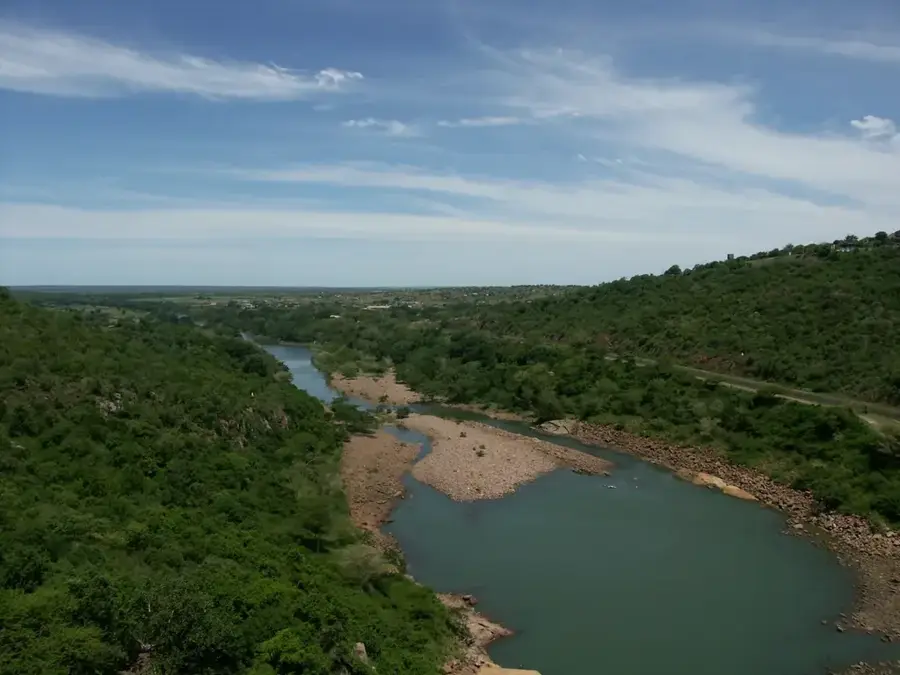
Mahlalini is a small, tradition-rich community in the southern Shiselweni District, set in gently rolling countryside dotted with small acacia woodlands and wide maize fields. The region is one of the longest continuously inhabited parts of southern Eswatini, with roots going back to before the founding of the modern kingdom in the 19th century. Mahlalini is known for its strong cattle-ranching tradition: the Nguni cattle widespread here are in Swazi culture a symbol of wealth, status and social prestige; their hides are used for ceremonial drums, shields and festival costumes. Maize, sorghum, groundnuts and small-scale poultry farming also play important roles. The population is mostly organized traditionally, with chiefs administering communal land (umphakatsi). Climatically Mahlalini enjoys temperate summers with adequate rainfall and cool, occasionally frosty winters. A special role is played by the annual marula festivals, in which fermented marula fruit is brewed into the traditional Buganu liqueur, a tradition officially opened by the king at a national festival. Mahlalini is also musically famous: the Lipholiyana and Sibhaca dances practiced here are among the most lively cultural expressions in Eswatini.
- Location: Eswatini
- Nearby: Hlatikulu (10 km)
Best time to visit & climate
The most pleasant time to visit is Apr, Sep, Oct.
| Jan | Feb | Mar | Apr | May | Jun | Jul | Aug | Sep | Oct | Nov | Dec | |
|---|---|---|---|---|---|---|---|---|---|---|---|---|
| Avg °C | 23 | 23 | 22 | 19 | 17 | 14 | 14 | 16 | 19 | 20 | 21 | 23 |
| Rain mm | 125 | 93 | 84 | 48 | 16 | 10 | 12 | 15 | 29 | 59 | 102 | 113 |
Geography
Facts
- Located in the Shiselweni region, the historical origin of the Swazi nation.
- Situated in the Middleveld geographical zone at an elevation of about 800 meters.
- The economy is based on maize cultivation and cattle farming.
- Positioned near the South African border, encouraging regional trade.
- The climate is subtropical with hot summers and mild winters.
- Traditional homesteads characterize the landscape around the settlement.
Explore nearby
Notable places around


Route planner — Car & Motorhome
Where do you start? We build the route here, with stops and country notes along the way.
© OpenStreetMap contributors · OpenRouteService
Frequently asked questions
What makes Mahlalini an attractive destination?
Is there accommodation directly in Mahlalini?
How is the road access to Mahlalini?
Should I hire a guide for the Mahlalini area?
What clothing is advisable for a stay in Mahlalini?
Mahlalini: where is it located?
Mahlalini: when is the best time to visit?
Mahlalini: why is it worth visiting?

Nearby cities
Nature
More places