Plizio Visual Lab

Metera Archaeological Site

Plizio editorial teamData Sources
Historical site
—°4
Metera Archaeological Site (Eritrea)

Weather…

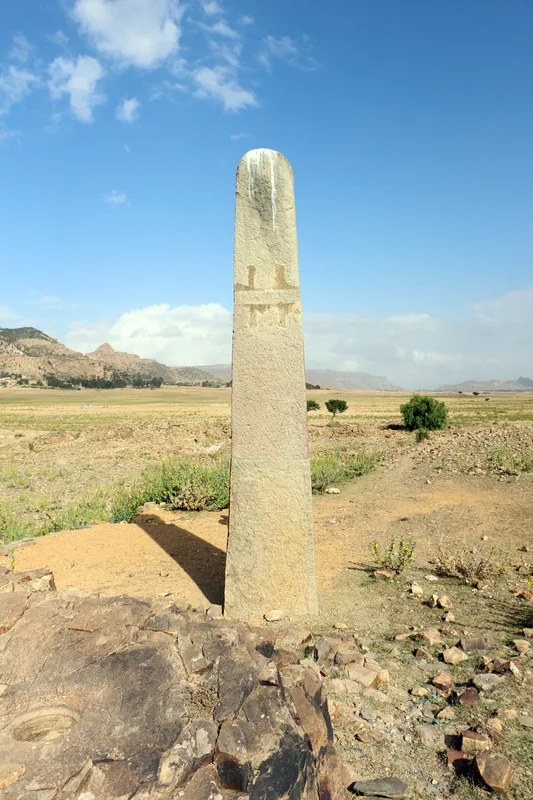
Metera, also known as Matara, is a major archaeological site in southern Eritrea, near the town of Senafe. The site hosts an impressive mix of pre-Aksumite and Aksumite remains, having once been a flourishing city on the trade route to Adulis. The most distinctive landmark of Metera is the Hawulti stele, a monolithic monument dating back to the 3rd century BC, which bears an inscription in ancient Ge'ez, considered one of the earliest examples of this script. Excavations have revealed complex residential structures, palaces, and tombs, indicating a sophisticated social hierarchy and cultural blooming. The site provides valuable insights into the transition from local cultures to the powerful Aksumite Empire and its religious practices before and after Christianization. Metera is not only of interest to archaeologists but also represents an important cultural heritage for the people of Eritrea, highlighting their connection to the ancient civilizations of the region.

Best time to visit & climate

The most pleasant time to visit is Mar, May, Jun.

JanFebMarAprMayJunJulAugSepOctNovDec
Avg °C171820212222201920181716
Rain mm1011194525178510028171114

📋 Practical info

🚪
Visiting
The extensive ruins of this ancient Aksumite city are entirely open to the public, allowing visitors to explore both the foundations and the prominent obelisk. Walking among the historical remnants provides a profound sense of the region's deep antiquity.
🕒
Typical hours
Access to the archaeological area is typically possible during daylight hours, as there is limited infrastructure or artificial lighting on site. It is advisable to plan your visit for the morning to avoid the intense midday heat.
📷
Photography
Photography is freely permitted across the desolate landscape, with the inscribed obelisk serving as a particularly striking subject against the sky. Early morning light drastically enhances the textures of the stone structures and ruins.
⏱️
Time needed
Dedicate at least one to two hours to adequately wander through the dispersed ancient settlements and examine the central monuments. History enthusiasts might spend considerably longer studying the surviving architectural details.
Combine with
Since this historical site is situated in a relatively remote area, it pairs well with exploring the surrounding traditional Eritrean villages and landscapes. You might also consider visiting other nearby Aksumite or historical sites if you have a local guide.
🧭
Getting there
Reaching the ruins generally requires arranging private transportation or a guided tour from larger regional centers, as public transit options are quite sparse. Be prepared for uneven, unpaved terrain when walking from the parking area to the monuments.
💡
Insider tip
Bring plenty of drinking water, sun protection, and sturdy walking shoes, because the archaeological park lacks modern facilities and provides very little shade. Engaging a knowledgeable local guide will vastly improve your understanding of the unlabelled ruins.

Geography

Coordinates
14.66440, 39.42170

Facts

  • The Hawulti stele is approximately 5.5 meters tall.
  • The inscription on the stele dates back to the 3rd century BC.
  • Metera is located near the distinctive Amba Saim mountain.
  • Archaeologists discovered a hoard of Aksumite-era gold at the site.
  • The site was extensively excavated in the 1960s by Francis Anfray.
  • Metera is often referred to as the 'City of Monuments'.

Explore nearby

Notable places around
Route planner — Car & Motorhome

Where do you start? We build the route here, with stops and country notes along the way.

Vehicle
Only stops with (optional):

© OpenStreetMap contributors · OpenRouteService

Sights in the town Metera Archaeological Site (4)

Matera🏺 historical

Matara is a vast archaeological site containing the ruins of a significant ancient Aksumite city, known for its inscribed hawulti (stele).

Forto cadorna🏰 castle

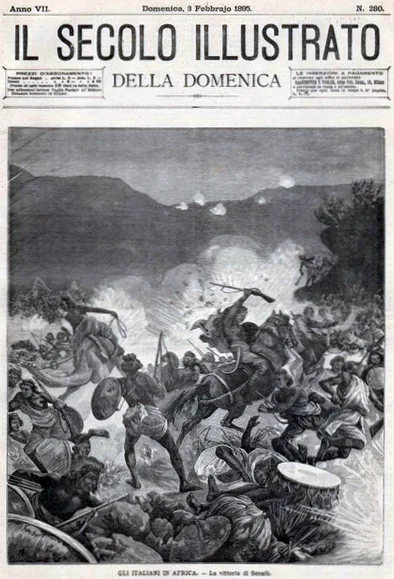
Forto Cadorna is a hilltop military fortification built by Italian colonial forces overlooking the historical landscapes around Matara.

Mes-hal wedekele🌿 nature

The Mes-hal wedekele viewpoint has sweeping panoramic vistas over the ancient ruins of Matara and the surrounding Eritrean highlands.

Archeological Park🏺 historical

This archaeological park encompasses the extensive excavated foundations of Matara, revealing the layout of early urban dwellings and temples.

Sights nearby

Frequently asked questions

What is the most famous monument in Metera?
The Aksumite stele (Belew Kelew), which features one of the oldest inscriptions in the Ge'ez language.
Where exactly is Metera located?
It is located south of the town of Senafe, near the border with Ethiopia in the Debub highlands.
Is the site freely accessible?
The ruins are fenced; you should inquire in Senafe for the caretaker or a guide.
How much time should be planned for Metera?
About 1 to 2 hours are enough to visit the stele and the surrounding foundations.
What landscape awaits you there?
The site lies at the foot of striking rock massifs, providing a dramatic backdrop for photos.
Metera Archaeological Site: where is it located?
Metera Archaeological Site is located in Eritrea.
Metera Archaeological Site: what is there to see?
Highlights include Matera, Forto cadorna, Mes-hal wedekele.
Metera Archaeological Site: when is the best time to visit?
The most pleasant time to visit is Mar, May, Jun.
Metera Archaeological Site: why is it worth visiting?

Metera, also known as Matara, is a major archaeological site in southern Eritrea, near the town of Senafe.
View on map → The Top 50 Attractions → OpenStreetMap →
Africa
Explore with Plizio Discover more places in Africa
More places in Eritrea →

Nearby cities

History & landmarks

Nature
More places