Plizio Visual Lab
Bakake

ℹ️Practical info — Bakake
▾
🌤 Weather — 5 days
📍 Nearby
Sights nearby
💡 Tips
- As Bakake is highly remote, ensure you bring all essential supplies from Malabo.
- The humid tropical climate requires breathable clothing and good insect protection.
- Do not expect any tourist infrastructure; respect the privacy of the local community.
- A 4WD vehicle is essential for navigating the unpaved roads in the southern part of the island.
🍽 Food
Ask local fishermen for the catch of the day, which is often prepared right on the beach.
Try these local root vegetables, traditionally served here as the main side dish.
Fresh mangoes and bananas are available here straight from the surrounding trees.
🛍 Shopping · 🧘 Quiet spots
There are only rudimentary stalls offering the absolute minimum of everyday goods.
Occasionally you can watch fishermen at work and purchase small artisanal tools.
Walk along the small paths around the settlement to experience the dense rainforest.
The black volcanic beaches in the south of the island offer absolute tranquility and dramatic nature.
Water temperature…
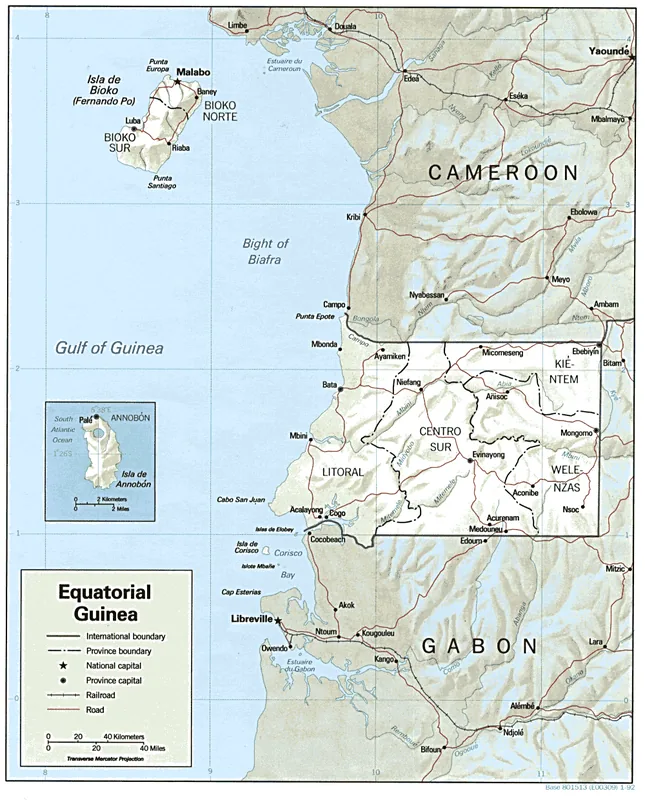
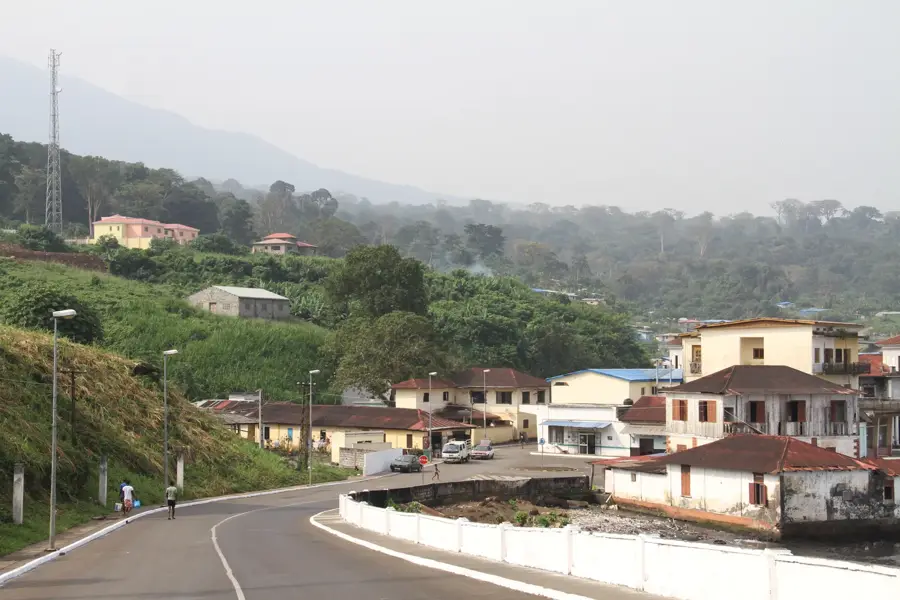
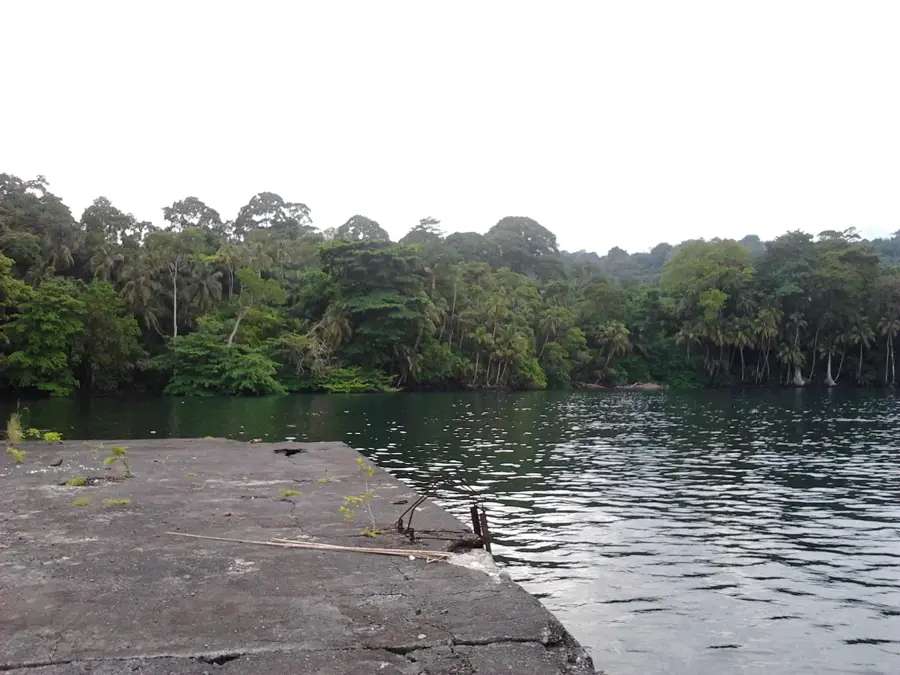
Bakake is a small settlement in the southern district of Bioko Island, within the Bioko Sur province of Equatorial Guinea. Geographically, the village is embedded in one of the country's most pristine landscapes, dominated by tropical primary forests and volcanic mountain ranges. Historically, Bakake was part of the settlement area for the Bubi people, who retreated to the more inaccessible southern regions to maintain their independence during various colonial waves. The village is located in a zone with extremely high humidity and heavy rainfall, which promotes the growth of unique flora but also complicates infrastructure development. Residents traditionally live off agriculture, with yams, cassava, and bananas being the primary crops. In recent years, the region has gained attention through environmental projects, as it borders critical habitats for endangered animal species. Despite its remote location, the town plays a role in the social fabric of the south and preserves valuable cultural practices and oral traditions.
- Location: Equatorial Guinea
- Nearby: Musola (9 km)
Best time to visit & climate
The most pleasant time to visit is Jan, Feb, Dec.
| Jan | Feb | Mar | Apr | May | Jun | Jul | Aug | Sep | Oct | Nov | Dec | |
|---|---|---|---|---|---|---|---|---|---|---|---|---|
| Avg °C | 26 | 26 | 27 | 27 | 26 | 25 | 24 | 24 | 25 | 25 | 26 | 26 |
| Rain mm | 32 | 77 | 156 | 202 | 216 | 298 | 306 | 333 | 338 | 243 | 155 | 28 |
Geography
Facts
- Bakake is located in the hilly interior of Bioko Sur province.
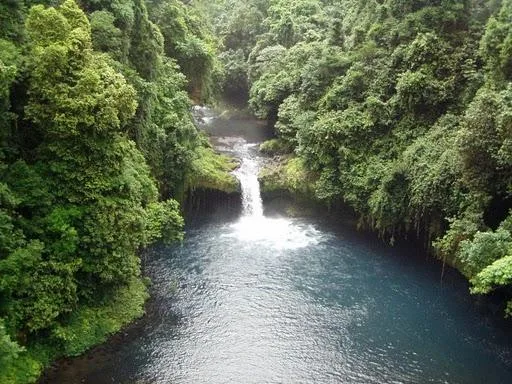
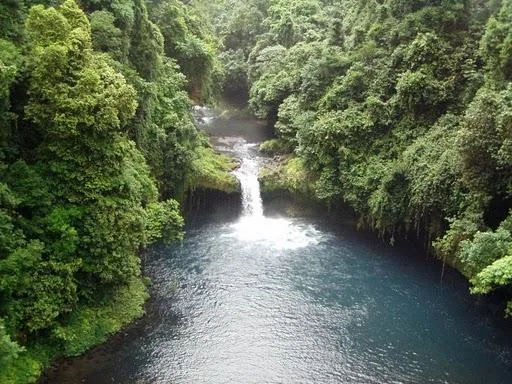
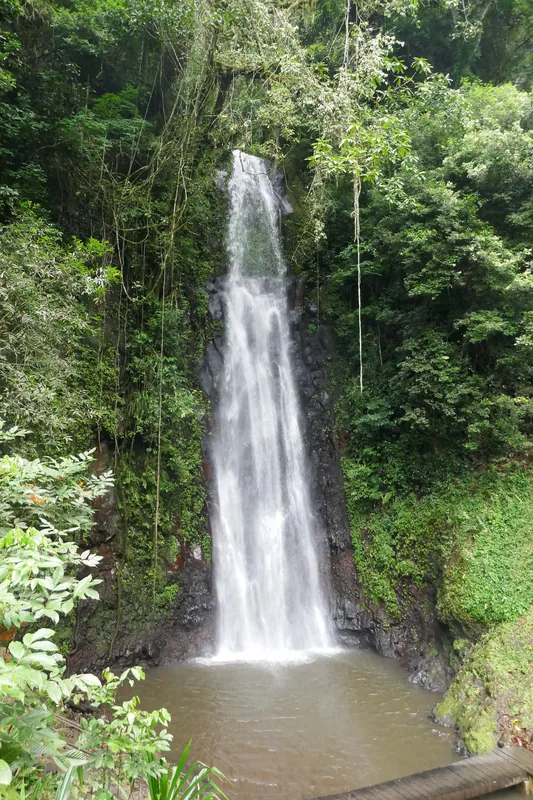
- The settlement is surrounded by dense tropical primary rainforest.
- Agricultural products primarily include cassava and yams.
- The village is situated in one of the highest rainfall zones in Equatorial Guinea.
- Bakake preserves traditional social structures of the Bubi population.
- The region is known for its high density of endemic plant species.
Explore nearby
Notable places around


Route planner — Car & Motorhome
Where do you start? We build the route here, with stops and country notes along the way.
© OpenStreetMap contributors · OpenRouteService
Sights in the town Bakake (1)
Frequently asked questions
What is the appeal of Bakake?
Are there sights?
What language is spoken?
How is the food?
Is a visa required?
Bakake: where is it located?
Bakake: when is the best time to visit?
Bakake: why is it worth visiting?

Nearby cities
History & landmarks
Nature
More places