Plizio Visual Lab
Obock
ℹ️Practical info — Obock
▾
🌤 Weather — 5 days
📍 Nearby
Sights nearby
💡 Tips
- Ferry travel from Djibouti City is the most straightforward way to arrive, offering scenic views of the Gulf of Tadjoura.
- The midday heat can be extreme; schedule your outdoor explorations for the early morning or late afternoon.
- Dress modestly and respect local Islamic customs, especially when walking through residential areas.
- Carry plenty of bottled water, as amenities for tourists outside the main town center are scarce.
- The pace of life slows down significantly in the afternoon during the traditional khat chewing time.
🍽 Food
A flavorful lamb and rice dish seasoned with cardamom, available in local eateries.
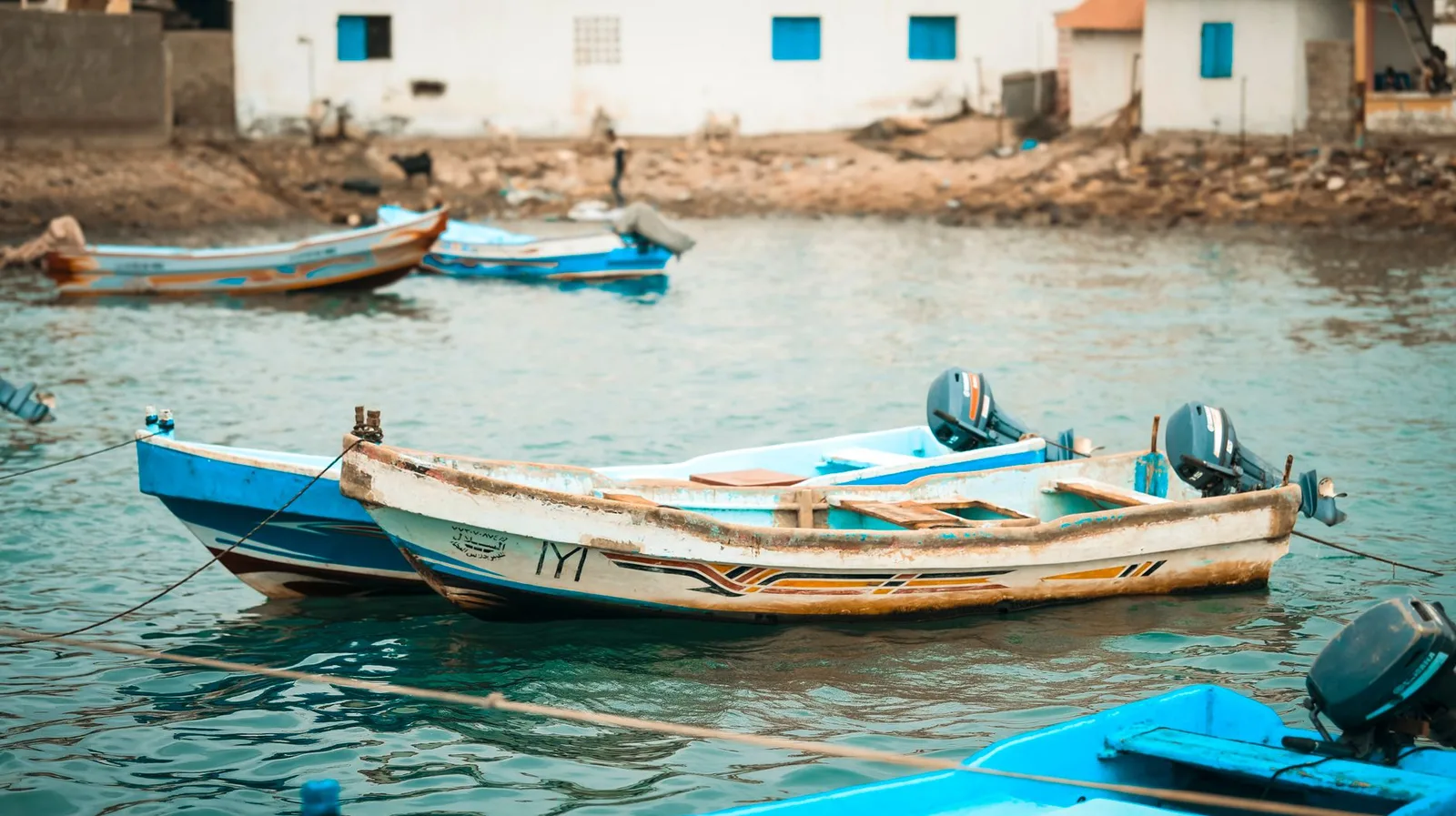
Try freshly caught fish split open and baked in traditional clay ovens, served with flatbread.
A sweet, milky tea heavily spiced with ginger and cardamom, well-suited for a break in a local café.
🛍 Shopping · 🧘 Quiet spots
Find frankincense, cardamom, and regional spice blends at the small central market.
Look for traditional Afar handicrafts, including woven mats and small baskets.
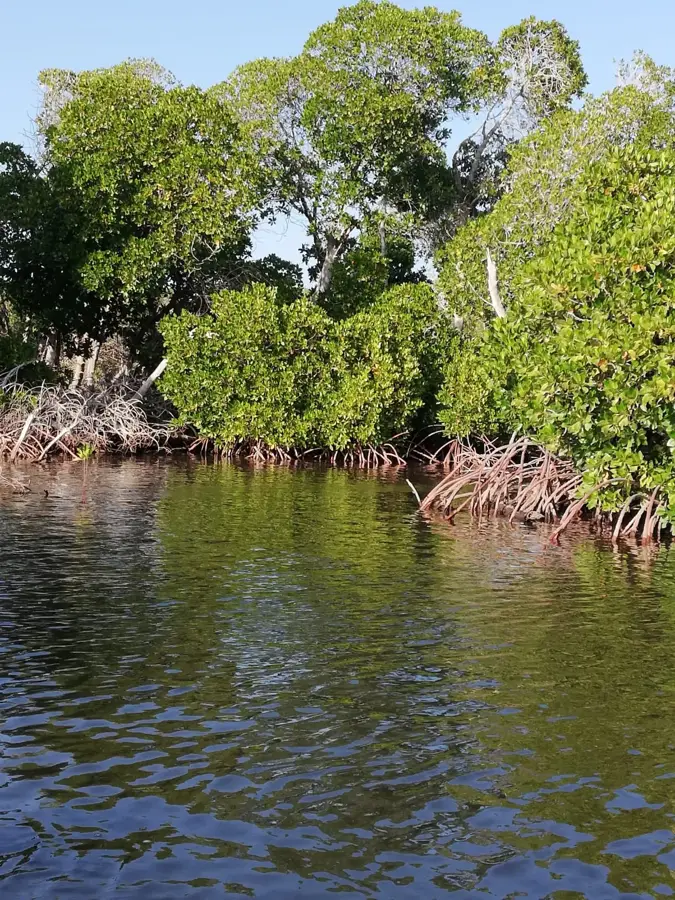
Arrange a boat trip north of the town to explore this serene and ecologically vital mangrove forest.
Walk among the coastal ruins of the French colonial era and enjoy quiet views over the sea.
Water temperature…
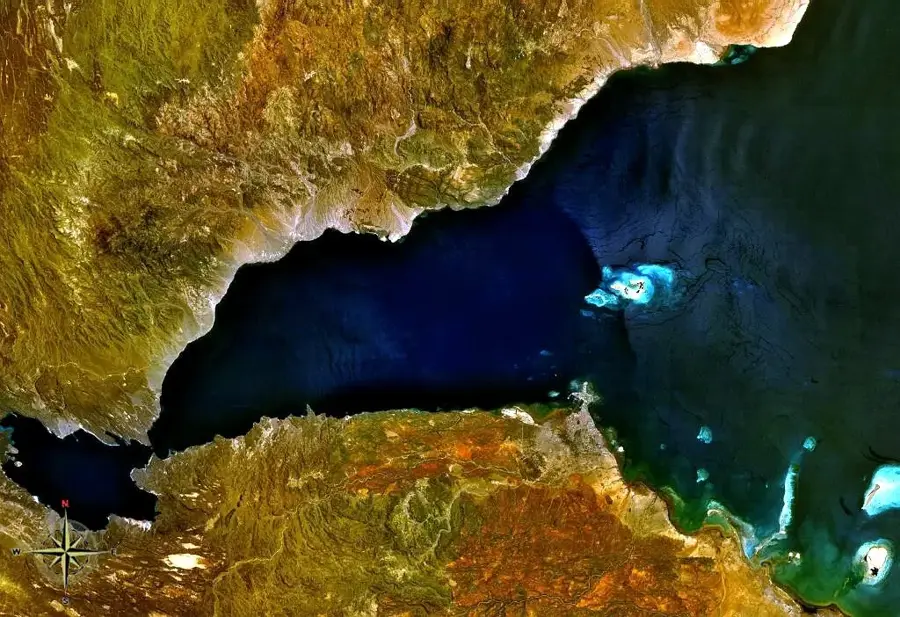
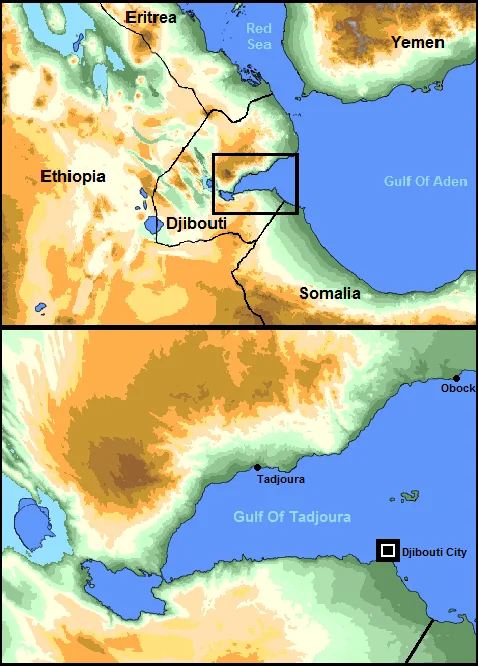
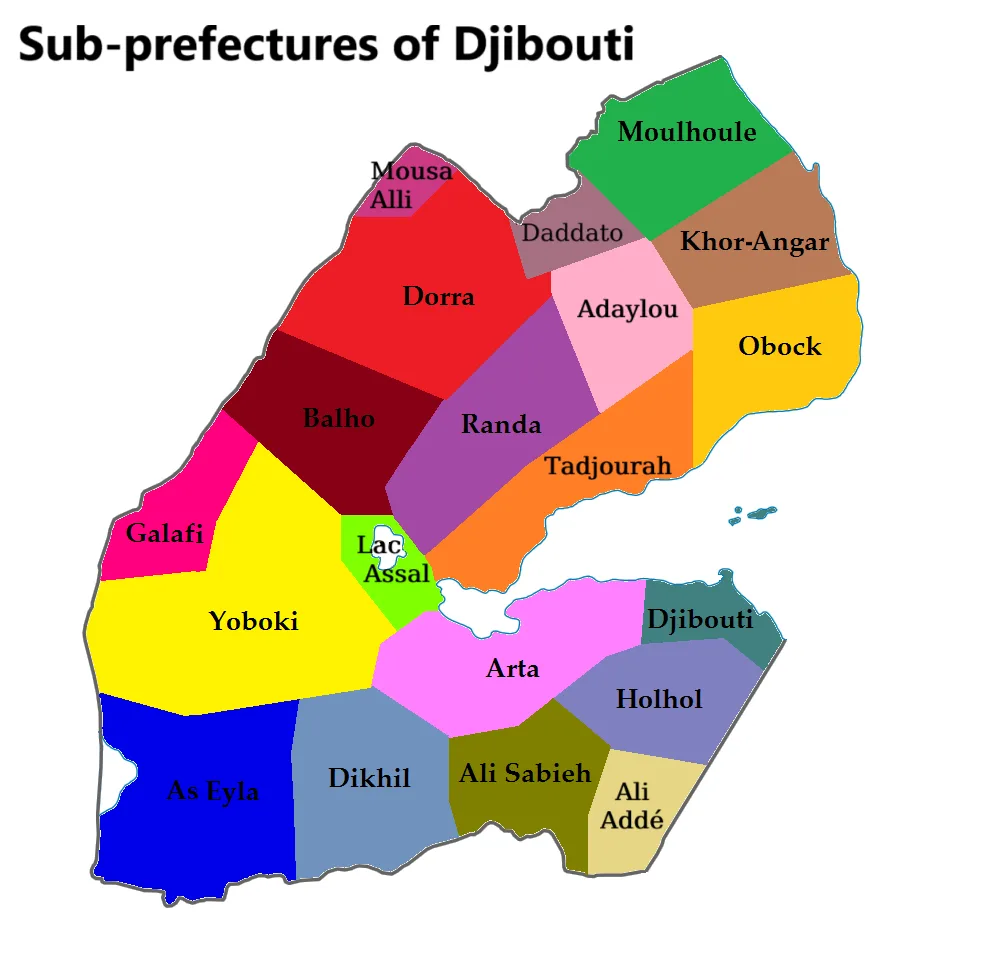
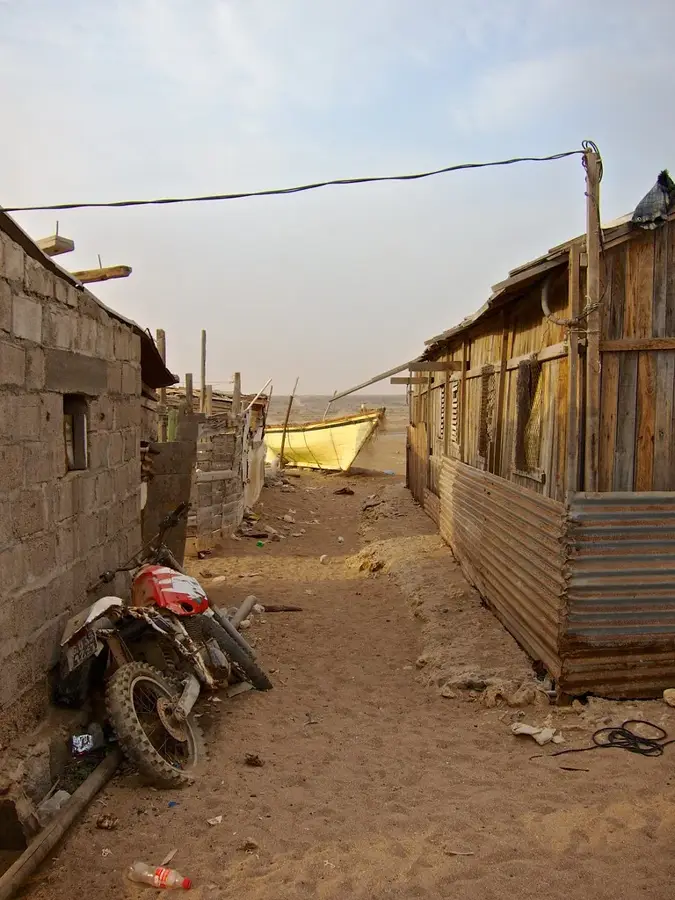
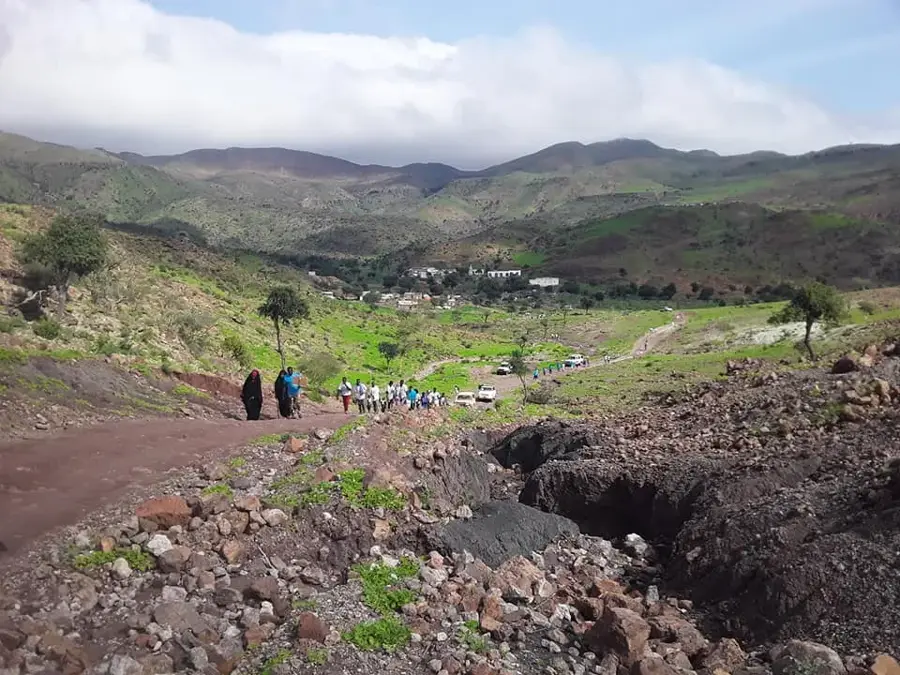
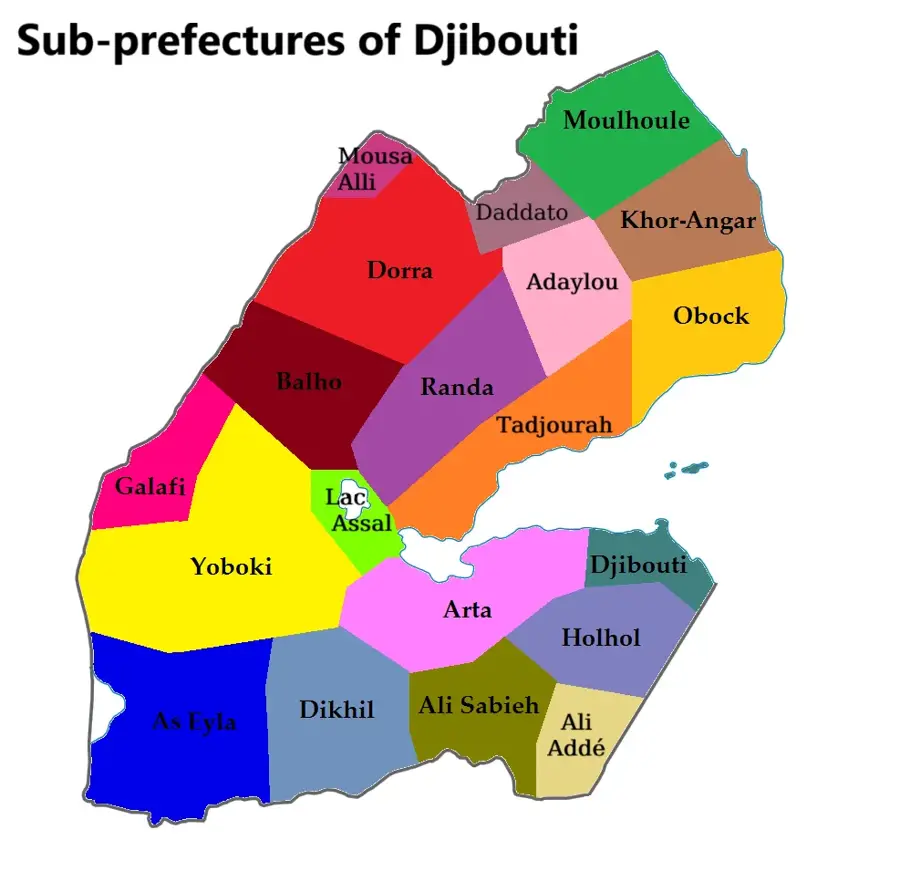
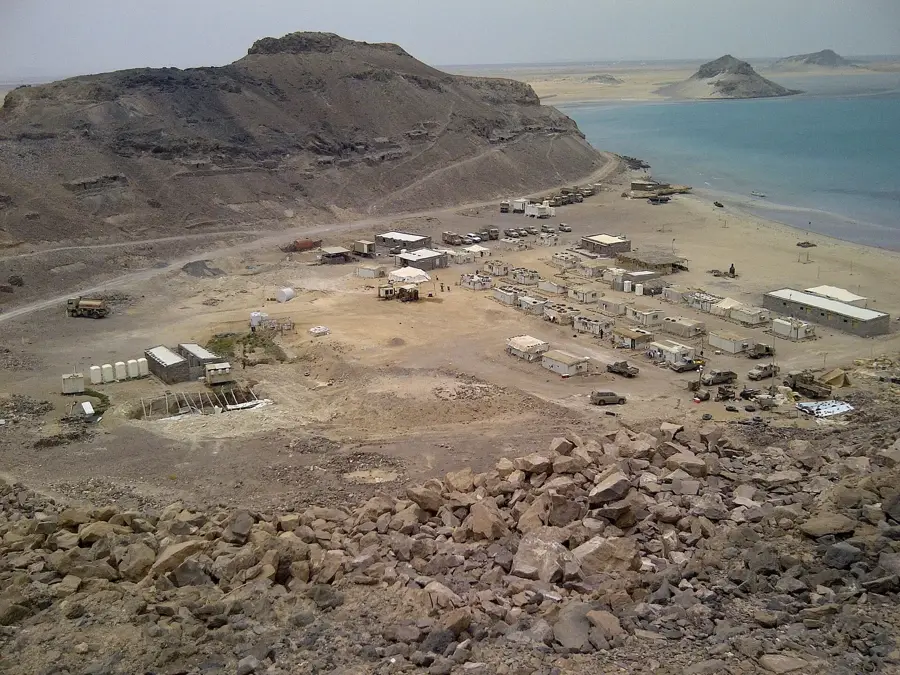
Obock is a historic port town located on the northern shore of the Gulf of Tadjoura in Djibouti. Positioned strategically near the Bab al-Mandab strait, it serves as the capital of the Obock Region. The town holds a unique place in history as the first French foothold in the Horn of Africa; in 1862, France purchased the area from local Afar sultans. From 1884 to 1892, Obock served as the administrative capital of French Somaliland before the seat of government moved to the more naturally sheltered port of Djibouti City. Today, the town is characterized by its arid landscape, volcanic formations, and deep blue coastal waters. The population is predominantly Afar, whose cultural heritage dictates much of the local social fabric, language, and customs. Economically, Obock relies heavily on artisanal fishing and small-scale trade, though it has seen significant infrastructural interest recently. New port developments aim to transform Obock into a secondary maritime hub for the region, easing pressure on the main ports in the capital. The town's architecture is a mix of weathered colonial structures, such as the former Governor's residence, and modern functional buildings. Obock is also a critical point for regional migration flows, often serving as a transit zone for those moving across the Red Sea towards the Arabian Peninsula. The climate is notoriously harsh, featuring some of the highest average temperatures in the world, which has shaped the resilient lifestyle of its inhabitants. Despite its relative isolation, the town is connected to the rest of the country via a coastal road and ferry services across the gulf. Cultural events often revolve around Islamic traditions and Afar folklore, featuring animated community gatherings. Environmental interest in the area is growing, with the nearby Ras Bir lighthouse marking the entrance to the Red Sea. Obock remains a symbol of Djibouti's colonial past while actively seeking to modernize through sustainable development projects in water management and renewable energy.
- Location: Djibouti
- Nearby: Godoria (16 km)
- Population: ~15.429 (2026)
Best time to visit & climate
The most pleasant time to visit is Jan, Feb, Dec.
| Jan | Feb | Mar | Apr | May | Jun | Jul | Aug | Sep | Oct | Nov | Dec | |
|---|---|---|---|---|---|---|---|---|---|---|---|---|
| Avg °C | 25 | 25 | 26 | 28 | 30 | 32 | 32 | 32 | 31 | 29 | 27 | 26 |
| Rain mm | 2 | 3 | 9 | 36 | 27 | 12 | 14 | 23 | 39 | 20 | 5 | 7 |
Geography
Facts
- Obock served as the capital of French Somaliland for eight years (1884–1892).
- The territory was purchased by France for 50,000 francs in 1862.
- It is located at an elevation of only 13 meters above sea level.
- The town is a major hub for ferry transport across the Gulf of Tadjoura.
- Obock's population consists mainly of the Afar ethnic group.
- The region is known for its extreme heat and minimal annual rainfall.
- The Port of Obock is currently undergoing expansion to aid regional trade.
- Historical French postage stamps once bore the specific name of Obock.
Explore nearby
Notable places around

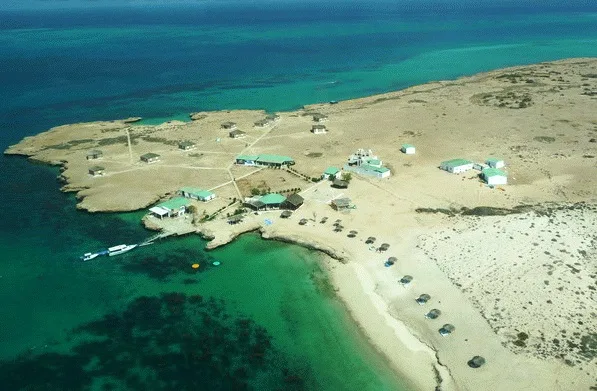
Route planner — Car & Motorhome
Where do you start? We build the route here, with stops and country notes along the way.
© OpenStreetMap contributors · OpenRouteService
Sights in the town Obock (1)
Frequently asked questions
What role did Obock play in the colonial era?
How do you get to Obock?
What can you visit there?
Is the place touristy?
Are there good diving spots?
Obock: where is it located?
Obock: when is the best time to visit?
Obock: why is it worth visiting?

Nearby cities
History & landmarks
More places