Plizio Visual Lab
Alaili Dadda

ℹ️Practical info — Alaili Dadda
▾
🌤 Weather — 5 days
📍 Nearby
Sights nearby
💡 Tips
- The terrain is very rugged; a reliable 4x4 vehicle is absolutely essential for reaching the settlement safely.
- Temperatures drop at night due to the mountain elevation, so pack a warm layer.
- There are very limited facilities, so bring enough cash, water, and basic supplies with you from larger towns.
- Respect the traditional nomadic culture of the local Afar people and ask permission before taking photographs.
🍽 Food
Try this traditional Djiboutian lamb and rice dish if you find a local offering a home-cooked meal.
This spongy flatbread is often served for breakfast with honey or tea in small local setups.
Enjoy a sweet, spiced tea which is a staple of local hospitality.
🛍 Shopping · 🧘 Quiet spots
Occasionally, you might find handmade items or traditional woven goods directly from locals.
The small local shops mostly stock essential dry goods and basic supplies.
Hike carefully into the surrounding rugged peaks for spectacular, untouched views.
Enjoy the absolute silence of the remote mountain landscape just outside the settlement.
Water temperature…
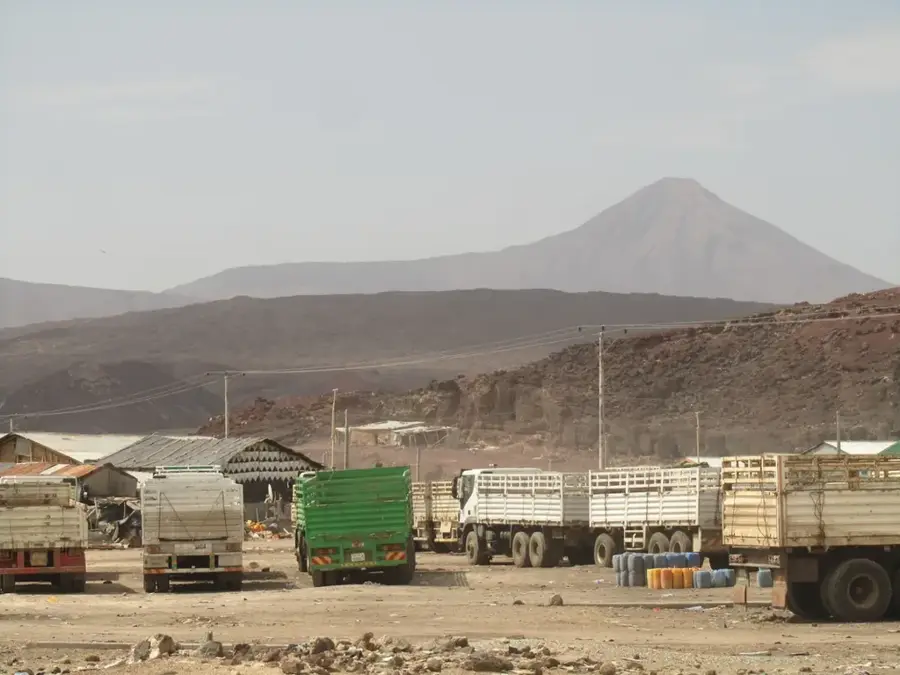
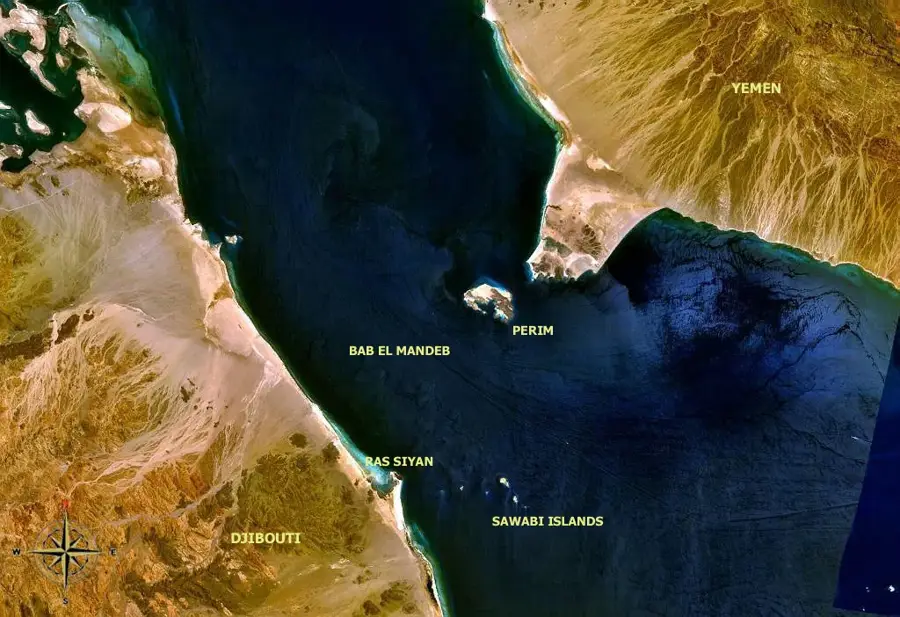
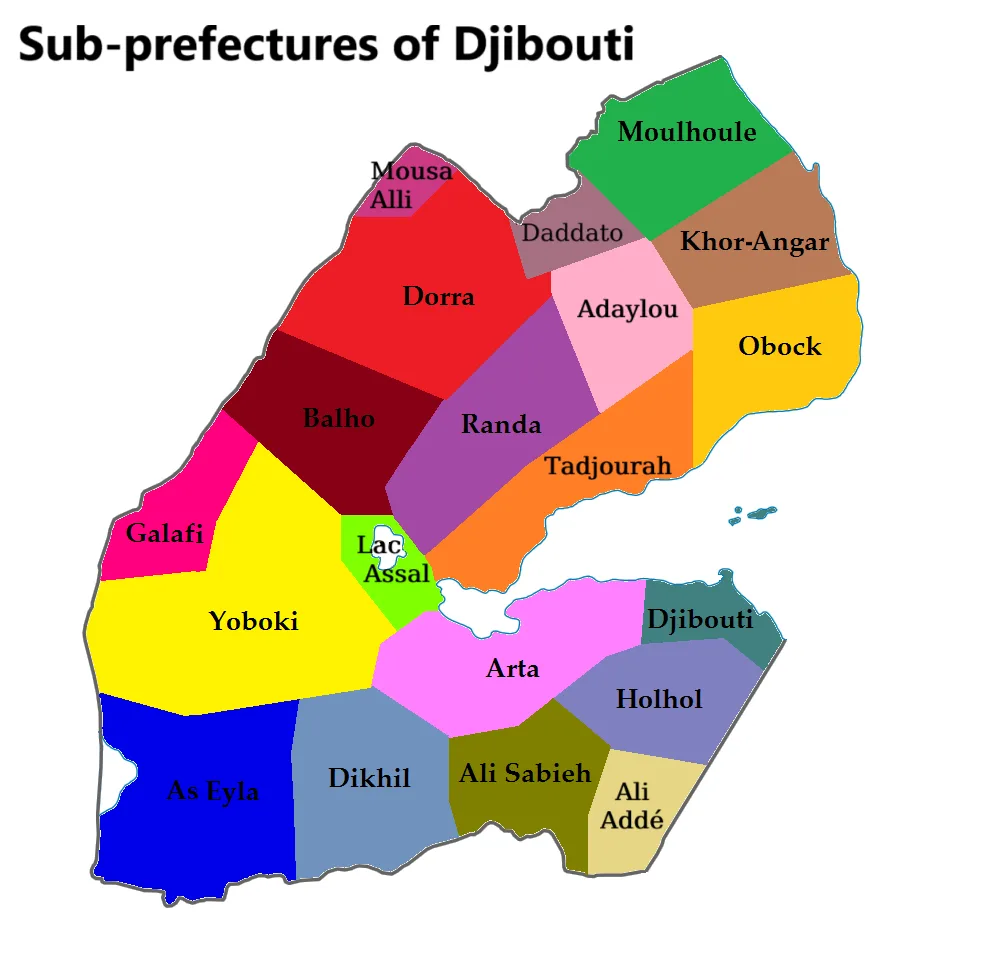
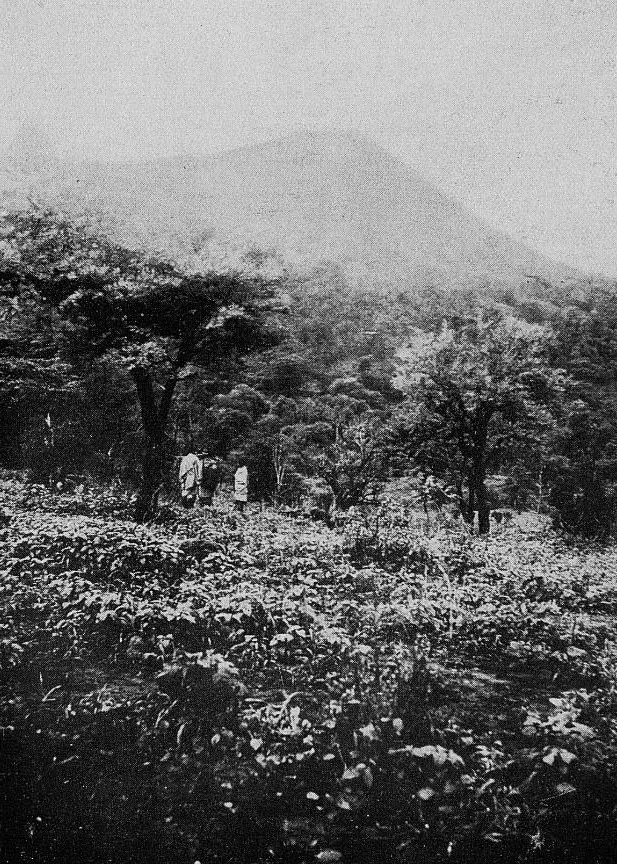
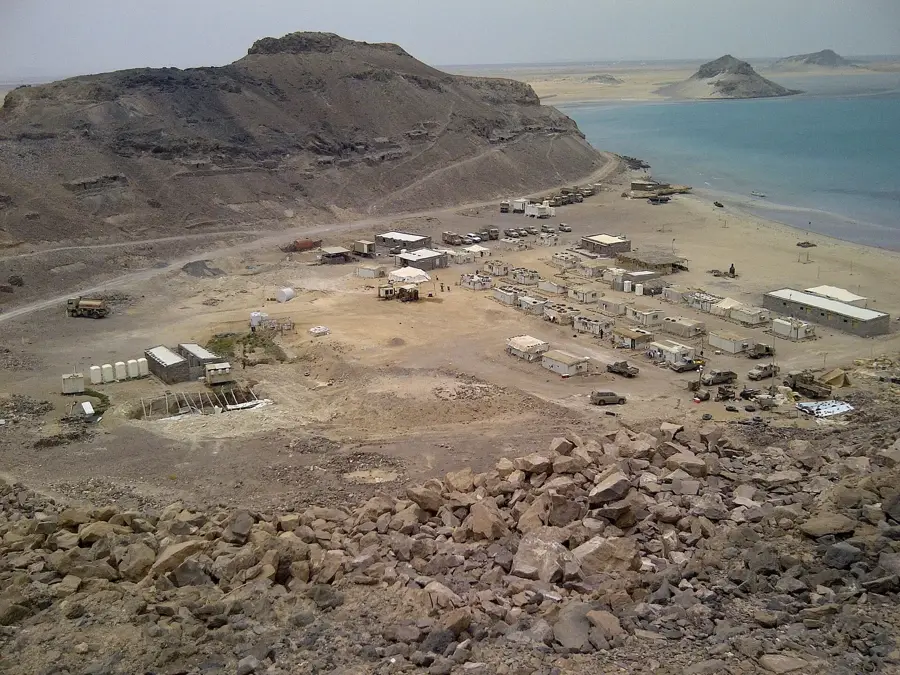
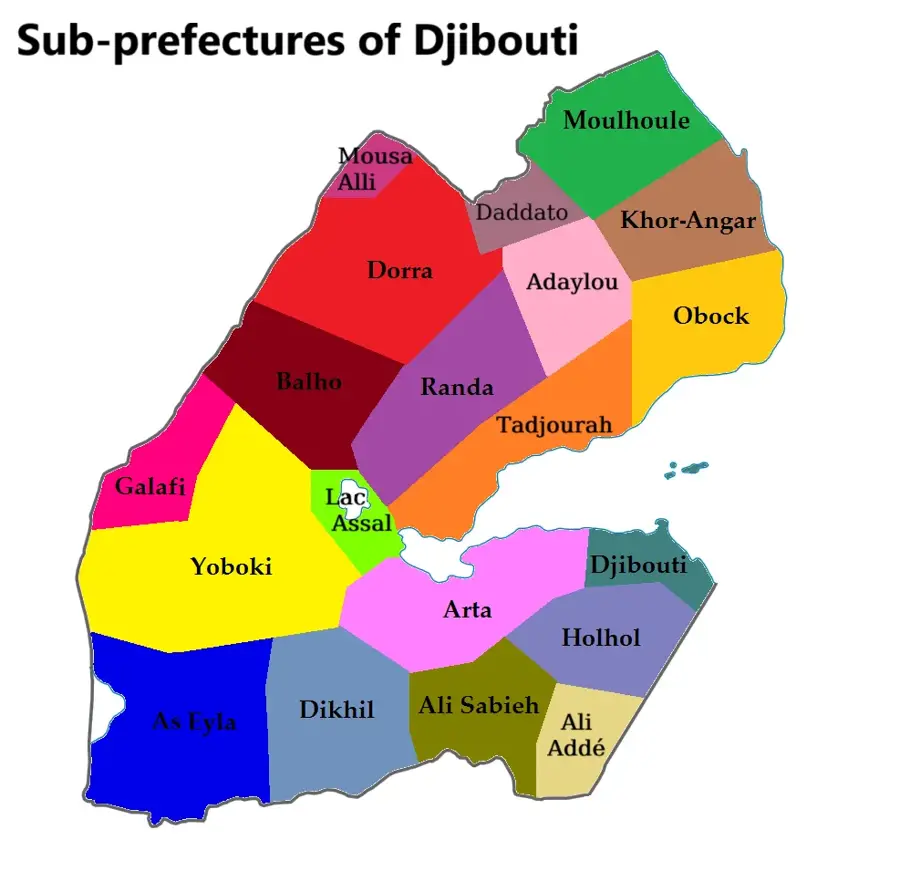
Alaili Dadda is a small rural settlement in the Obock Region of northern Djibouti. It is located in a remote and extremely arid volcanic landscape, known for its harsh beauty and severe climate. The settlement is one of the most isolated communities in the country. The population is composed almost entirely of nomadic Afar pastoralists who maintain a traditional way of life that has changed little for centuries. Their survival depends on raising goats and camels, constantly moving with their herds in search of sparse pasture and water sources. The settlement itself consists of a small cluster of traditional Afar huts, known as 'ari', and a few permanent structures, including a basic school and a health post. Access to Alaili Dadda is difficult, via unpaved tracks that are often only navigable by four-wheel-drive vehicles. The community relies heavily on self-sufficiency and mutual support. The proximity to the Red Sea gives some opportunity for fishing, but pastoralism remains the mainstay of the economy.
- Location: Djibouti
- Top sights: ‘Amayle · Okli ‘Ale
- Nearby: Medeho (13 km)
- Population: ~1.456 (2012)
Best time to visit & climate
The most pleasant time to visit is Jan, Feb, Dec.
| Jan | Feb | Mar | Apr | May | Jun | Jul | Aug | Sep | Oct | Nov | Dec | |
|---|---|---|---|---|---|---|---|---|---|---|---|---|
| Avg °C | 24 | 25 | 27 | 29 | 31 | 33 | 33 | 33 | 32 | 29 | 27 | 25 |
| Rain mm | 4 | 5 | 12 | 39 | 24 | 13 | 28 | 39 | 37 | 18 | 5 | 11 |
Geography
Facts
- Located in the northern Obock Region.
- The population is composed almost entirely of Afar people.
- Situated in a remote volcanic desert region.
- Livelihoods are based primarily on nomadic pastoralism (goats and camels).
- Access is via difficult, unpaved tracks.
- The settlement has an elevation of approximately 17 meters.
Explore nearby
Notable places around

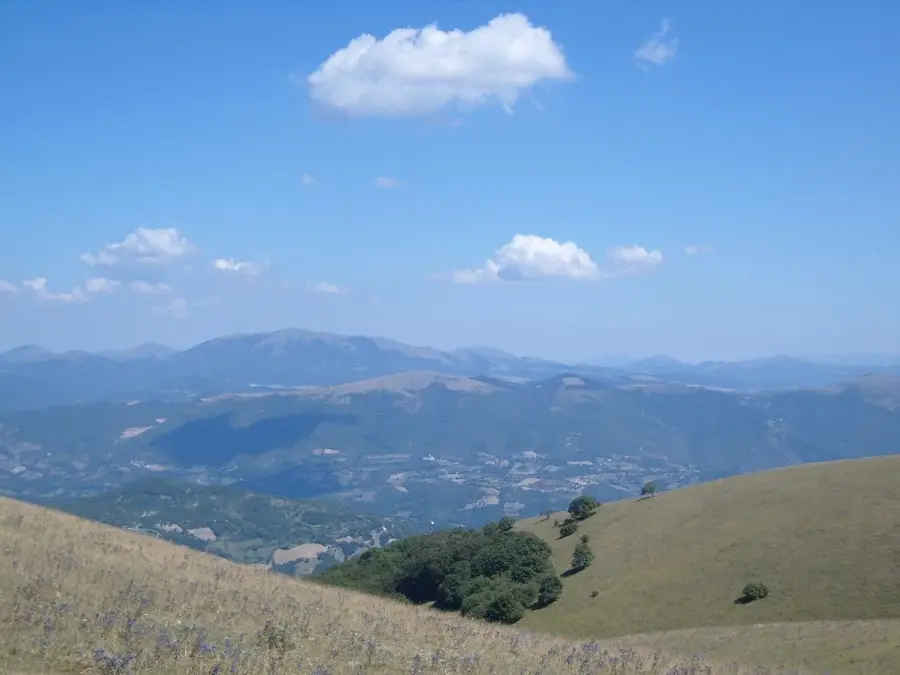
Route planner — Car & Motorhome
Where do you start? We build the route here, with stops and country notes along the way.
© OpenStreetMap contributors · OpenRouteService
Sights in the town Alaili Dadda (2)
Frequently asked questions
Where is Alaili Dadda located?
Are there water sources there?
What is the main activity?
How to get there?
What language is spoken?
Alaili Dadda: where is it located?
Alaili Dadda: what is there to see?
Alaili Dadda: when is the best time to visit?
Alaili Dadda: why is it worth visiting?

Nearby cities
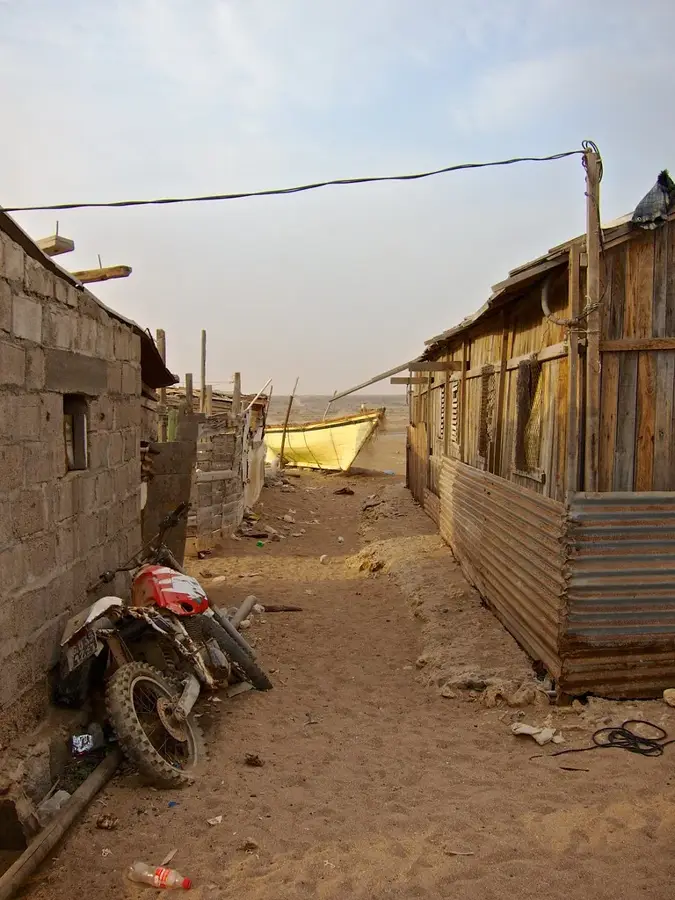
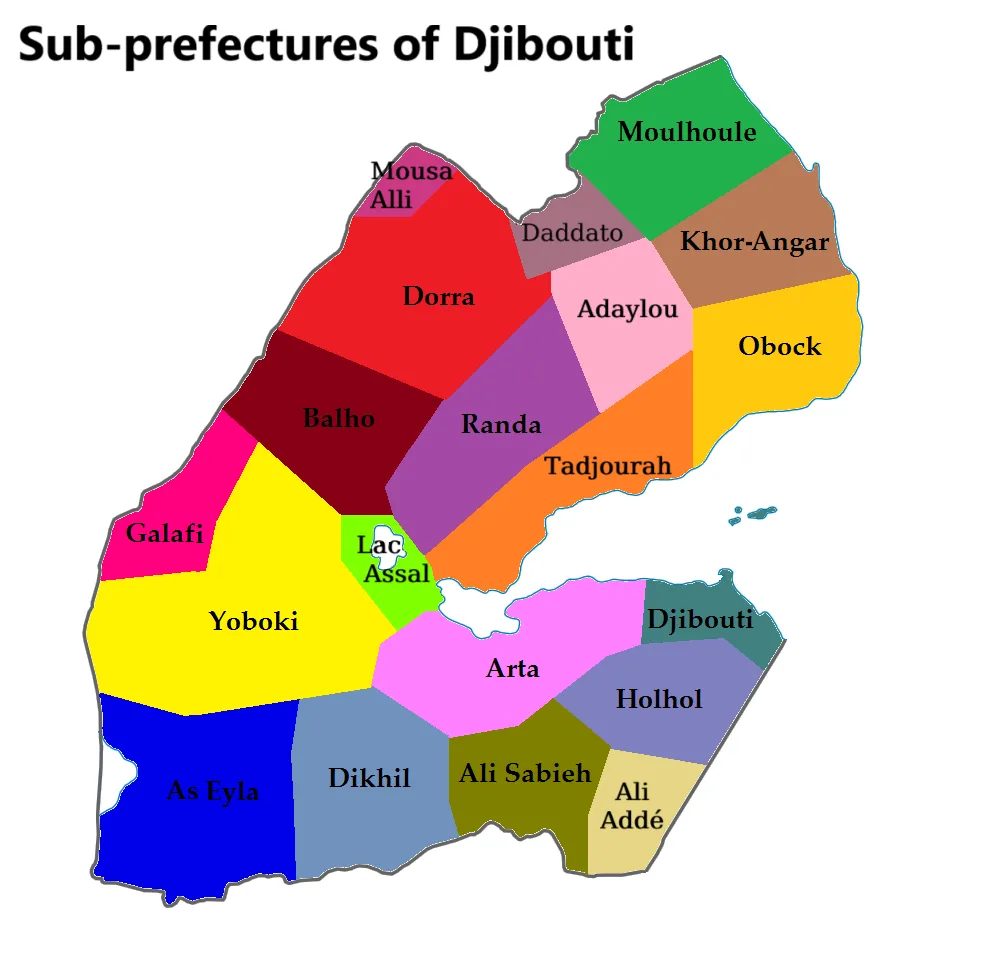
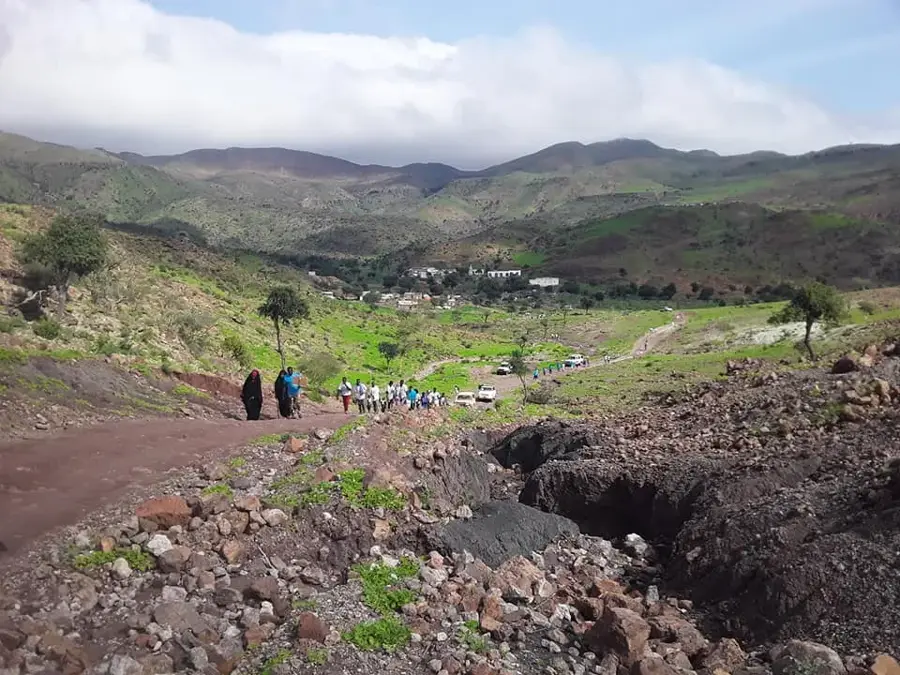
History & landmarks
More places